
Navigating the Texas Housing Market: The Energy Downturn’s Shadow
Texas has long been celebrated for its robust economy and vibrant housing market, often appearing impervious to national recessions. Its unique blend of diversified industries, a business-friendly environment, and a booming population has fueled one of the nation’s strongest real estate sectors for years. However, a significant question now looms large, casting a shadow over this remarkable growth: Could the ongoing energy downturn, characterized by volatile and often low oil prices, finally put the brakes on the Texas housing boom?
For decades, the Lone Star State has defied economic gravity. While other states grappled with severe downturns, Texas emerged relatively unscathed, especially during the 2008 financial crisis. This resilience wasn’t accidental; it was built upon several pillars. Firstly, a powerful energy market consistently created jobs and fostered economic stability. Secondly, the state’s stringent laws regarding home equity loans prevented homeowners from over-leveraging their properties. This crucial safeguard meant that even if property values experienced a dip, Texans were less likely to find themselves “underwater” on their mortgages, a phenomenon that crippled housing markets in the so-called “sand states” during the last downturn.
But the landscape has shifted dramatically. With oil prices experiencing significant volatility and often settling at lower benchmarks, the very sector that once underpinned Texas’s economic strength now presents its greatest challenge. The question is no longer if there will be an impact, but rather, how profound will it be, and which regions will feel the pinch most acutely? Understanding the complex interplay between global energy markets and local real estate dynamics is crucial for anyone invested in the future of the Texas housing market.
Expert Forecasts: Identifying Vulnerabilities and Risks
Leading housing analysts are closely monitoring the situation, and some have already sounded alarms. Steve Brown, a respected voice in real estate reporting, highlighted that Texas, alongside North Dakota and Oklahoma, has been placed on Arch Mortgage Insurance Co.’s list of states most at risk of a housing slowdown. This assessment is not without merit, as the methodology directly links economic exposure to the energy sector with potential real estate vulnerabilities.
“Our data shows that states with high levels of employment in the oil extraction and related industries continue to have high risk scores,” stated Ralph DeFranco, the company’s director of risk analytics. He elaborated, “North Dakota, Oklahoma and Texas continue to have elevated risks due to their focus and exposure to the oil sector.”
The report suggests that Texas faces approximately a 33 percent chance of experiencing a housing decline, primarily attributed to “the industry-wide drop in oil and gas exploration.” Delving deeper into regional specifics, Arch Mortgage Insurance placed the major metropolitan areas of Dallas-Fort Worth and San Antonio at the top of its list for cities with a “moderate” risk for a softening in their housing markets. Analysts project a 42 percent likelihood of a weakening in these cities’ home markets within the next two years.
These forecasts, while cautionary, offer a nuanced perspective. The term “moderate risk” for Dallas-Fort Worth and San Antonio suggests that while they are not entirely immune, their increasingly diversified economies might offer some buffer compared to areas more singularly focused on oil and gas. Houston and Midland-Odessa, for instance, are widely expected to feel a more direct and immediate impact due to their economies being profoundly oil-centric and dependent. In these regions, job losses in the energy sector can quickly translate to reduced housing demand, increased inventory, and a potential softening of prices. The ripple effect extends to support industries, further amplifying the economic pressure on these communities.
Current Market Realities: Resilience Amidst Uncertainty
Despite these predictions of a potential slowdown in home prices and sales, the Texas housing market has, so far, demonstrated remarkable resilience. In many key regions, the anticipated downturn has yet to fully materialize, largely due to persistent low inventory levels coupled with strong underlying demand. North Texas, for example, has seen home prices climb by an impressive 9 percent this year, ranking among the highest increases nationwide. The market for homes under $2 million remains fiercely competitive, with sellers frequently receiving multiple offers and often achieving sales prices above their initial asking.
This resilience highlights a fundamental truth about the Texas economy: it is not a monolith. While the energy sector is undeniably a powerhouse, other industries, including technology, healthcare, manufacturing, and professional services, contribute significantly to job growth and population influx. These diverse economic drivers help mitigate the broader impact of a single industry’s struggles, particularly in major urban centers like Dallas, Austin, and San Antonio, which have developed robust, multi-faceted economies. The state’s appeal to businesses seeking lower taxes and a favorable regulatory environment continues to attract corporations and their workforces, further bolstering housing demand even in challenging times for specific sectors.
The Global Energy Landscape: Insights from Bud Weinstein
To gain a deeper understanding of the forces at play, it’s invaluable to consider the insights of experts like Bud Weinstein, Associate Director of the Maguire Energy Institute at Southern Methodist University (SMU). In a recent lecture titled, “Will Falling Oil Prices Derail the Shale Revolution and America’s Quest for Energy Independence?”, Professor Weinstein painted a comprehensive picture of the global energy market dynamics and their implications.
A central theme of his discussion revolved around the current global oversupply of oil. According to Weinstein, the sheer volume of crude oil available is so immense that storing it is becoming increasingly challenging and costly. U.S. crude-oil reserves have reached their highest levels in over 80 years, and available storage capacity is dwindling rapidly across the globe. This surplus exacerbates fears of further price drops and highlights a critical imbalance between supply and demand, a situation largely fueled by the success of the American shale revolution and strategic decisions by major oil-producing nations.
The Dual Impact of Cheap Oil: Benefits and Challenges
Professor Weinstein emphasized that cheap oil, while challenging for producers, brings significant economic benefits to consumers and various industries across the globe. For middle-class households, lower fuel prices act like a direct “raise,” effectively increasing disposable income that can then be spent on other goods and services, stimulating broader economic activity. Airlines and other transportation-reliant businesses enjoy substantial profit bonuses due to dramatically reduced operational costs, potentially leading to lower fares for consumers and increased investment. Across the northern states, heating costs plummet, providing crucial relief to households during colder months. Furthermore, consistently low oil prices could ignite a revival of U.S. manufacturing in the Rust Belt, making American goods more competitive globally by reducing energy inputs in production. This, in turn, could lead to smaller trade deficits, benefiting the national economy by improving the balance of payments.
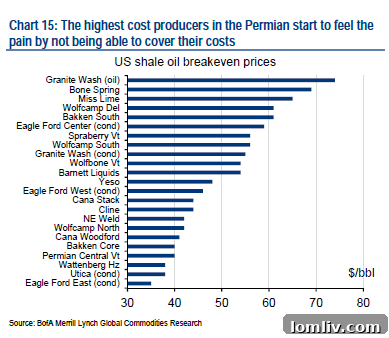
Essentially, cheap oil is a boon for nearly everyone not directly involved in the oil business. However, the flip side is undeniably harsh for the energy sector. With reduced profitability, drilling activities inevitably slow down, leading to decreased capital expenditure and exploration. Weinstein noted that for producers in the Permian Basin, oil typically needs to sell for at least $53 per barrel to cover production costs. When prices fall below this threshold, investments are curtailed, and job cuts become inevitable, leading to a direct hit on the local economies that rely heavily on the oil and gas industry. The ripple effect on real estate is already palpable in energy-centric cities. Houston, for example, has seen a noticeable curb in real estate sales due to energy firm cutbacks, with some oil industry executives even considering selling their larger homes as their financial circumstances shift.
America’s Journey Towards Energy Independence
Professor Weinstein also delved into America’s remarkable journey towards energy independence, a strategic goal pursued by many U.S. presidents across decades. He asserted that the U.S. is now “virtually independent” when it comes to oil, with OPEC accounting for a mere 7% of U.S. oil consumption. This dramatic shift is attributed not only to increased domestic production, primarily from the shale revolution that unlocked vast reserves, but also to significant reductions in demand. America has become far more efficient in its energy consumption, driven by technological advancements, stricter vehicle fuel efficiency standards, and evolving consumer behaviors, all contributing to a lower overall need for imported oil.
While global demand for oil has increased in emerging markets like Asia and South America, their growth rates have slowed to a more modest 6 to 7% annually compared to previous booms. Europe, a major global economy, is grappling with its third recession, and even the robust Brazilian economy has experienced a significant downturn. These global demand-side factors further contribute to the current oil surplus, underscoring the complex interplay of supply, demand, and geopolitical influences that dictate global commodity prices and, by extension, the economic fortunes of oil-producing regions.
The Export Ban Debate: A Potential Game Changer
A critical policy discussion highlighted by Bud Weinstein concerned the decades-old ban on U.S. crude oil exports. This ban, enacted over 40 years ago, was originally intended to protect domestic supply and ensure energy security during times of scarcity. However, in today’s landscape of abundant domestic production and dwindling storage capacity, its continued relevance is hotly debated among policymakers and industry experts.
Weinstein suggested that lifting this export ban could be a strategic move, potentially helping to stabilize or even protect oil prices by allowing U.S. producers to access international markets. This would alleviate the domestic inventory glut, provide U.S. producers with vital revenue streams, and support continued investment and employment in the sector. Furthermore, a healthier oil industry could indirectly bolster housing markets in energy-dependent regions by restoring confidence and economic activity. When questioned about the likelihood of oil prices returning to $100 a barrel, Weinstein instead offered the concept of a “Happy Price”—a range of $70 to $80 per barrel—which he believes would adequately cover production expenses and ensure profitability for most producers, fostering stability without stifling economic growth elsewhere.
The debate around the export ban underscores the intricate relationship between energy policy, market dynamics, and broader economic well-being. Allowing U.S. oil to compete globally could reshape not only the domestic energy industry but also have far-reaching implications for international energy markets and the stability of commodity prices, potentially providing a much-needed boost to the Texas economy.
The Road Ahead: A Balanced Outlook for Texas Real Estate
As of late, U.S. crude has settled at prices around $59.63 a barrel, but analysts remain skeptical of a sustained upward rally. This skepticism is fueled by continued global oversupply, subdued U.S. economic growth in the first quarter, and, as Professor Weinstein pointed out, OPEC’s unwavering intention not to slow its output. The complex interplay of these factors creates an environment of ongoing uncertainty for the energy sector, which inevitably trickles down to real estate markets, especially in oil-producing states.
For the Texas housing market, the path forward is likely to be a nuanced one. While the direct impacts of the energy downturn will be keenly felt in oil-heavy economies like Houston and Midland-Odessa, the more diversified metropolitan areas such as Dallas-Fort Worth, Austin, and San Antonio are expected to demonstrate greater resilience. These regions continue to attract new residents and businesses, driven by thriving tech, healthcare, education, and financial sectors, which help to offset the headwinds from the energy industry. Their robust job markets and consistent population growth provide a strong foundation for continued housing demand.
Texas’s economic adaptability, coupled with its consistent population growth and strong underlying demand for housing, suggests that while a statewide boom might moderate, a widespread “bust” similar to those seen in other states during past downturns is less likely. Instead, the market may see a more regionalized adjustment, with some areas experiencing slower appreciation or even minor corrections, while others continue their upward trajectory, albeit potentially at a less frenetic pace. The ultimate trajectory will depend on a delicate balance of global energy prices, domestic policy decisions, and the continued diversification and strength of the broader Texas economy, which remains a magnet for opportunity and growth.