The Unbelievable Zillow Listing: A Decade-Long Battle Over Sewage and Alleged Corruption in Oak Park
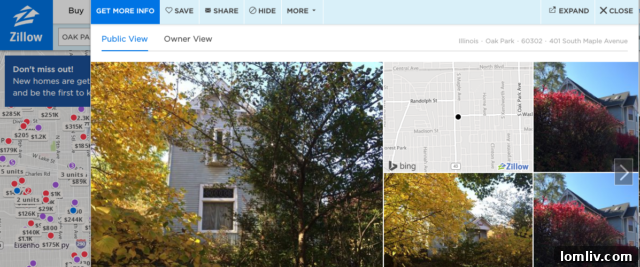
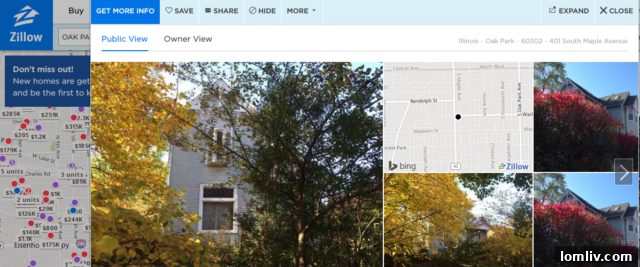 In the often-predictable world of real estate listings, every so often, a property emerges that defies convention, captivating audiences not for its opulent features or pristine condition, but for a story far more compelling and, at times, alarming. Such was the case with a particular Zillow listing in Oak Park, Illinois, which recently garnered significant attention across social media. This was no ordinary home advertisement; it was a desperate cry for help, a public exposé of a homeowner’s nightmarish struggle that had unfolded over years, culminating in a real estate description unlike any other.
A Viral Tweet and a Curious Case
The saga began to unfold for a wider audience when a discerning reader brought a tweet to our attention. The tweet, featuring a screenshot of this extraordinary Zillow listing, immediately signaled that we had stumbled upon something truly unique and profoundly unusual in the realm of property sales.
Well, this is a hell of a listing description pic.twitter.com/75lziRmPtY
— AJ LaTrace (@ajlatrace) August 10, 2018
Intrigued by the snippet shared on Twitter, it was clear that there had to be a more extensive story behind such an unconventional listing. Our curiosity piqued, we embarked on a minimal yet focused investigation to uncover the full details. The urgency of the news cycle often demands exhaustive effort, but this particular case warranted a strategic, targeted approach, relying on our proven ability to dig up intricate information.
Unearthing the Truth: Digging into the Listing
Our initial priority was to locate the full listing. Given the extraordinary nature of the screenshot, it was reasonable to assume that the original Zillow entry might have been swiftly removed, perhaps due to its highly controversial content. Property descriptions typically adhere to strict guidelines, focusing on positive attributes and avoiding any contentious or disparaging remarks about neighbors, local authorities, or environmental hazards. However, to our surprise, the listing remained active for a significant period.
Indeed, much to our astonishment, the listing was still live. (UPDATE: Zillow did eventually respond on Twitter shortly after 1 p.m. on the day of initial publication, confirming they had updated the listing and removed the lengthy, accusatory screed. Fortunately for our readers, we had already captured and quoted the complete original text below.)
One striking aspect of this discovery was the exclusivity of the listing. It was notably absent from other major real estate platforms such as Realtor.com, Trulia, and Redfin. This suggested that the listing might not have been created by a conventional real estate agent, but rather directly by an owner or someone closely involved, using Zillow’s direct listing features as a unique platform for expression – or perhaps, protest. The author of this remarkable listing clearly harbored profound grievances against the Village of Oak Park and its officials, an anger palpable in every word of the description.

The Infamous Listing Description: A Tale of Contamination and Conflict
The listing itself read like a legal complaint fused with a personal manifesto, far removed from the typical jargon of square footage and amenities. It was a raw, unfiltered outpouring of frustration, betrayal, and desperation.
“This house and the lot have been contaminated by the neighboring retail establishment (currently a nail salon & upstairs residence — both against code). The neighbor’s sanitary sewer line connects directly to this home’s grey water / catch basin line, causing mutiple backups of raw human sewage to come into the home’s basement and bathrooms. The Village of Oak Park refuses to enforce health, plumbing, safety and zoning codes against this neighboring property, owned by Jack Strand, until recently, head of the Oak Park Village Board of New Development. The corruption in Oak Park is rampant. Dozens of people know about this gross violation but refuse to step forward and enforce IL State and Oak Park plumbing and health codes. The former plumbing inspector of Oak Park, Andrew Theisse, now IL State Plumbing Health inspector wrote a letter that the situation is fully code compliant, as a FAVOR to Stephen Witt, former head of Building & Property in Oak Park. Mr. Theisse has NEVER inspected. The house is unsellable and the current owners have been forced into bankruptcy because of plumbing costs to evacuate the sewage and sanitize the basement multiple times over the past 7 years. Oak Park is the most corrupt village in Illinois — ask any attorney because NONE of them will take on Oak Park. The mob is alive an well here and NOT ONE SINGLE PERSON in Oak Park has the guts to stand up and do what is right.”
The Raw Details: Unsanitary Conditions and Official Allegations
The contents of the listing were not only shocking but also deeply disturbing. The mention of “raw human sewage” immediately conjures images of unsanitary conditions and significant health hazards, rendering the property not just undesirable but potentially uninhabitable without extensive remediation. Such a problem goes far beyond a typical homeowner’s dispute; it touches upon fundamental issues of public health, property value, and municipal responsibility. The owner’s claims implicated the neighboring business, its owner Jack Strand (allegedly a prominent figure in Oak Park’s development board), and a host of village officials for what was described as blatant refusal to enforce existing health, plumbing, safety, and zoning codes.
The gravity of the accusations was immense: allegations of corruption, official favoritism, and a systemic failure to protect a homeowner from a dire and persistent health crisis. This was clearly not the work of a detached real estate professional, but rather someone deeply invested, personally aggrieved, and desperate enough to use a public platform like Zillow to air their profound frustrations and seek some form of justice or public recognition for their plight. The narrative painted a picture of a homeowner driven to bankruptcy by endless plumbing costs, battling not just a contaminated home, but an unresponsive and allegedly corrupt local government.

A Deeper Dive: Tracing the Roots of the Dispute
The inflammatory nature of the listing prompted a deeper investigation into its claims. Our research quickly led us to an article from 2011 in Patch.com, a local news outlet, which detailed strikingly similar complaints from the owner of the very same Oak Park property.
The Homeowner’s Plight: Sherri Lasko’s Journey
The Patch story identified the homeowner as Sherri Lasko, who had purchased the property in 2001. A decade later, in 2011, Lasko discovered a harrowing issue: an underground sewer pipe, shared with a neighboring commercial building, was emptying directly into her home’s exterior catch basin.
Early Revelations: The Shared Sewer Pipe

As journalist Casey Cora explained in the 2011 article, “Flushed waste accumulates in the basin, then rises until it meets another pipe, which Lasko said leads to her basement.” This was the grim reality Lasko faced – a constant threat of raw sewage backing up into her home. She appealed to the Village of Oak Park, pleading for intervention to compel the neighboring property’s landlord to rectify the problem and prevent the unsanitary waste from sitting on her property. However, the Village reportedly deemed the setup “up to code,” refusing to take action.
Village’s Stance and Neighborly Conflict
Frustrated and desperate, Lasko reportedly threatened to cap off the neighbor’s sewer pipe, a drastic measure that would potentially force any sewage backup into the adjacent building. The neighboring property was identified as being owned by Jack Strand, described as a prominent local real estate businessman and a director on the Downtown Oak Park business group’s board of directors. The building, once Strand’s office, was then rented to a tuxedo shop. The Patch article noted that Strand did not respond to requests for comment at the time. This confirmed that the “Jack Strand” mentioned in the Zillow listing was indeed the same individual involved in Lasko’s long-standing dispute. Ultimately, Lasko decided against capping the line, as a plumber advised that such an action could inadvertently cause the backup to redirect into her own home, exacerbating her already dire situation. At the time, the Village maintained its position of not getting involved in disputes between neighbors, despite the severe health implications.
Escalating Tensions: Lawsuits, Petitions, and Bankruptcy
The conflict, far from being resolved, only intensified over the years. In 2014, a report on the Better Government Association website shed further light on the escalating dispute, revealing that Jack Strand had sued Lasko. This legal action came after Lasko obtained a city permit to cap off the problematic sewer line. Strand’s lawsuit alleged that the cement used to fill the pipe blocked his access to the main sewer line, placing his own building at risk of a sewer backup. This legal battle underscored the complexity and bitterness of the ongoing feud, demonstrating how deeply entangled the two properties and their owners had become.
Legal Battles and Public Appeals
By 2015, four years after the initial discovery and numerous attempts at resolution, Lasko’s situation remained unresolved. In a desperate plea for assistance, she launched an online petition, hoping to garner public support and pressure local authorities into action. In her petition, Lasko lamented the lack of serious attention from Oak Park officials: “I wish I could tell you that even one person in Oak Park took this seriously and was committed to an honest evaluation of my situation. The truth is, things have gotten much worse.”
She further detailed the worsening conditions, stating, “My neighbor leased his property to a nail salon business and they are poised to open any day.” This addition of a commercial tenant, specifically a nail salon, likely increased the wastewater volume, potentially exacerbating the sewage problem. Lasko’s petition continued, highlighting broader issues: “I have been appealing to the Village — not only to enforce existing plumbing and health code to protect my home and family, but even to enforce multiple zoning codes which are being brazenly violated by my neighbor and his tenant. These too have compounded the situation and devalued this property to the point where even if the sewers were separated, my home would not be worth anything more than the property value.” Her pleas underscored a multifaceted problem involving not only plumbing and health codes but also zoning violations that further diminished her property’s value and quality of life.
The Grim Reality: Foreclosure and Unresolved Issues
The unrelenting financial and emotional toll of the dispute eventually led to a tragic outcome. In 2016, public records from the U.S. Bankruptcy Court, Northern District of Illinois, confirmed that Sherri Lasko had filed for bankruptcy. Documents from this query specifically listed Lasko’s name and the Oak Park address, which had been repeatedly cited in news stories and, critically, in the Zillow listing. Interestingly, Jack Strand, her long-standing adversary, was also listed as a creditor in the bankruptcy filing, indicating the depth of their financial and legal entanglement. The Zillow listing’s designation of the home as a foreclosure was entirely consistent with the information uncovered in these bankruptcy documents, providing a clear trajectory of a homeowner pushed to the brink by an intractable property dispute.
The listing, according to Zillow’s internal metrics, had been active for an astonishing 6,255 days – equating to roughly 17 years. This incredible duration highlighted the protracted nature of the conflict and the homeowner’s persistent, albeit unconventional, effort to draw attention to her plight. It symbolized a battle that had spanned almost two decades, with the Zillow description serving as a timeless testament to her suffering.

The Broader Implications: Lessons from Oak Park
This extraordinary Zillow listing transcends a mere property dispute; it serves as a powerful, albeit distressing, case study with significant implications for homeowners, municipal governance, and the real estate industry.
Understanding Property Disputes and Municipal Oversight
The Oak Park saga vividly illustrates the potential nightmare scenarios when property owners face complex, intractable issues involving neighbors and an allegedly unresponsive local government. For homeowners, it underscores the critical importance of due diligence during property acquisition, though even the most thorough checks might not uncover latent issues or future neighborly conflicts. More importantly, it highlights the vulnerability of individuals when municipal bodies are perceived to fail in their duty to enforce codes and mediate disputes, particularly those with public health ramifications. The allegations of corruption and favoritism, if true, represent a severe breakdown in trust between citizens and their local administration, suggesting a need for greater transparency and accountability in local governance.
The Power of Public Platforms: Zillow as a Last Resort
In this context, the Zillow listing became more than an advertisement; it transformed into a public forum, a desperate cry for attention from a homeowner who felt all other avenues for redress had been exhausted. It demonstrates the evolving role of digital platforms in giving voice to those who feel marginalized by traditional systems. While highly unconventional and certainly not a recommended practice for selling a home, it undeniably achieved its goal of drawing widespread public attention to a deeply personal and frustrating ordeal. It raises questions about the ethical boundaries of real estate listings and the responsibilities of platforms like Zillow in moderating content that veers into personal grievances.
The Ironic Twist: Location, Location, Location!
Despite the seemingly endless litany of grievances, the Zillow listing contained an almost darkly humorous juxtaposition. After pages of accusations about raw sewage, corruption, and an unsellable property, the description concluded with a surprising section detailing the home’s positive attributes.
“WHAT I LOVE ABOUT THE HOME: Location! Easy walk to: great restaurants, shopping, Green line, Blue line, Metra, 5 min to 290, downtown Oak Park, River Forest & Forest Park/Madison Ave. Zen-like courtyard/garden. Elegant, comfortable, and GREAT for entertaining in or out.”
A Silver Lining Amidst the Storm

This concluding paragraph served as a stark, almost absurd, contrast to the preceding paragraphs of woe. It highlighted the intrinsic value of real estate – the enduring appeal of a desirable location – even when overshadowed by immense practical problems. It suggested that underneath the layers of sewage and legal battles, there was still a desirable home, perfectly situated in a vibrant community. This ironic twist encapsulated the homeowner’s ultimate dilemma: a property with immense potential and location advantages, rendered practically worthless by an unresolved, systemic problem and a feeling of abandonment by local authorities. It adds a human element to the story, reminding us that even amidst profound frustration, there can still be a fondness for the core attributes of one’s home and its surroundings.
Conclusion: A Cautionary Tale in Real Estate
The Zillow listing in Oak Park is more than just an unusual anecdote; it’s a poignant and powerful narrative of a homeowner’s relentless struggle against a seemingly insurmountable problem. It serves as a cautionary tale for prospective buyers to look beyond superficial appearances, for municipal authorities to uphold their duties diligently, and for communities to foster environments where such prolonged and distressing disputes do not fester. While the listing itself was eventually altered, the story it told—of raw sewage, alleged corruption, and an individual’s desperate fight for justice—will undoubtedly resonate as one of the most remarkable and revealing real estate listings ever to capture public attention. It underscores the complex interplay between property ownership, neighborly relations, and the vital role of effective local governance in ensuring basic quality of life for all residents.