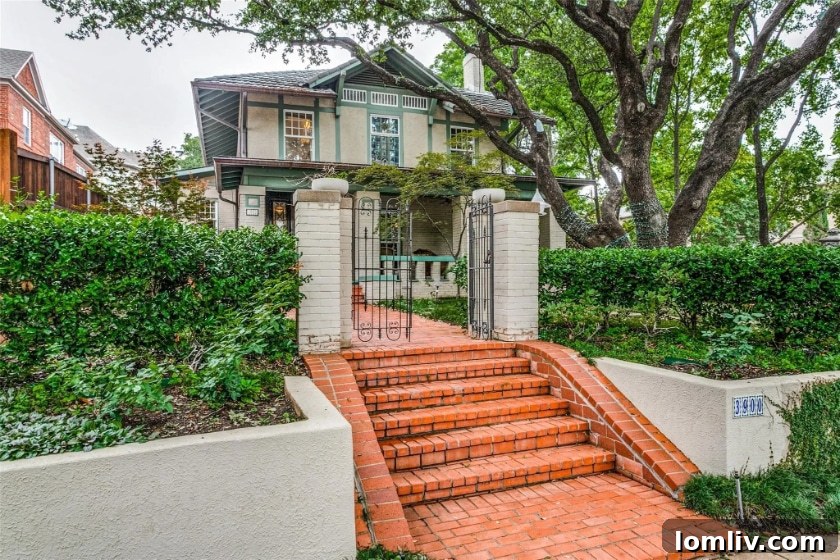
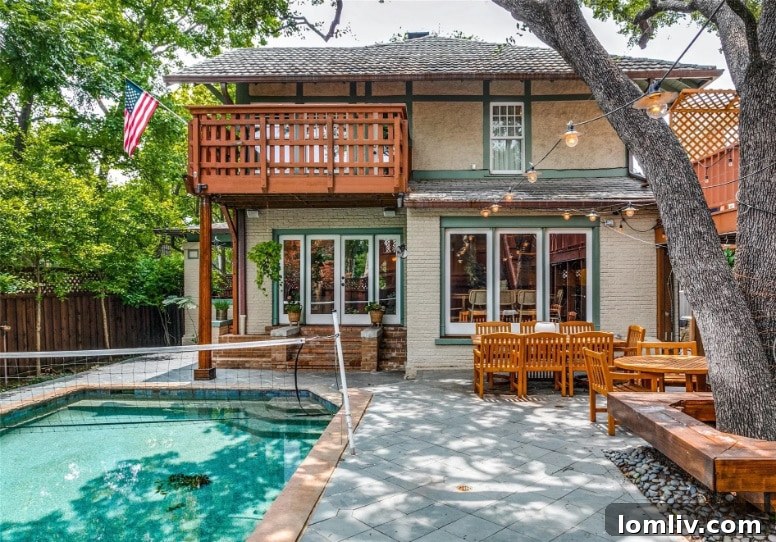
In the vibrant and ever-evolving landscape of Dallas, the phrase “survival of the fittest” often takes on a different meaning, particularly when discussing its historic architecture. While urban development relentlessly reshapes our cities, certain structures stand as poignant reminders of bygone eras. This magnificent 1914 Oak Lawn Prairie home is not merely a residence; it is a charming and resilient testament to a rich past, an architectural survivor in a neighborhood that has witnessed immense transformation.
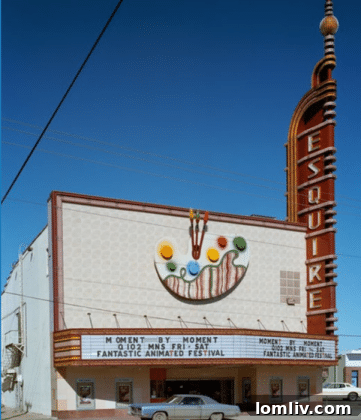
For those who have called Dallas home for several decades, the narrative of devastating historic losses in the Oak Lawn area is a familiar and often sorrowful one. While pockets like Perry Heights benefit from stringent protection, much of the broader Oak Lawn district remains vulnerable to demolition and redevelopment. The razing of the iconic Art Deco Esquire Theater in 1985, a landmark that once graced the Dallas skyline, served as a stark harbinger of what was to come. Its former site, now a utilitarian parking lot adjacent to Eatzi’s, represents a tangible loss of cultural heritage and architectural distinction.
Against this backdrop of change, the survival of structures like our featured Oak Lawn Prairie home is nothing short of remarkable. It’s a powerful reminder of what can be preserved when dedication meets architectural appreciation. These homes offer a unique glimpse into Dallas’s early 20th-century character, providing a sense of place and history that modern constructions simply cannot replicate.
Oak Lawn’s Architectural Legacy: The Vision of Hann & Kendall
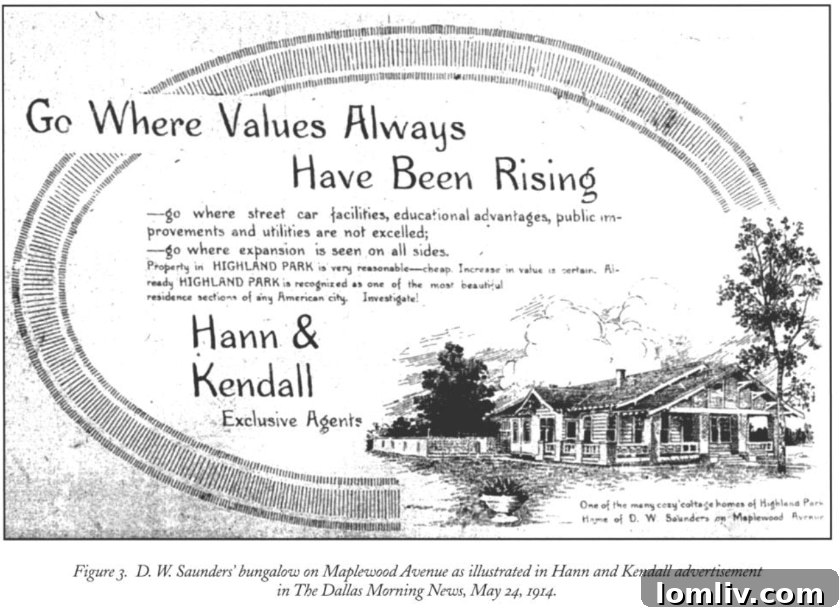
This particular pocket of Oak Lawn, where our featured home resides, is historically recognized as the Hann & Kendall development. J.S. Kendall, a pivotal figure of his time, served as president of the Dallas Investment Company. He was a trailblazer in real estate, known for his innovative concepts in spec home construction and his progressive approach to financing for builders. It was no surprise that he co-founded the esteemed real estate firm of Hann & Kendall, a company instrumental in shaping some of the most prominent residential developments of that era.
The early 20th century saw Oak Lawn flourishing with a diverse array of architectural styles, including numerous two-story Prairie homes and charming Craftsman Bungalows. These styles, celebrated for their unique American origins and thoughtful design, defined the aesthetic of the neighborhood. Rob Emery, President and Co-Founder of The Dallas Way, a prominent organization dedicated to preserving Dallas’s LGBTQ history, shared illuminating insights into this period.
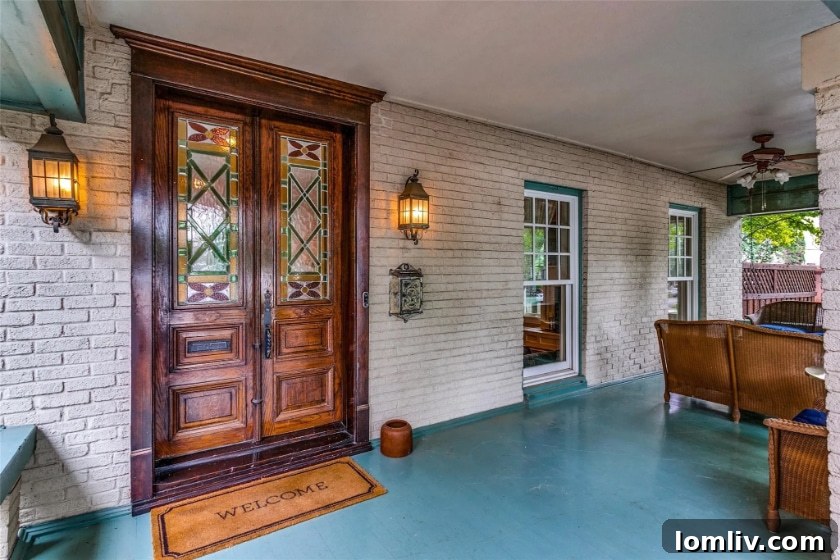
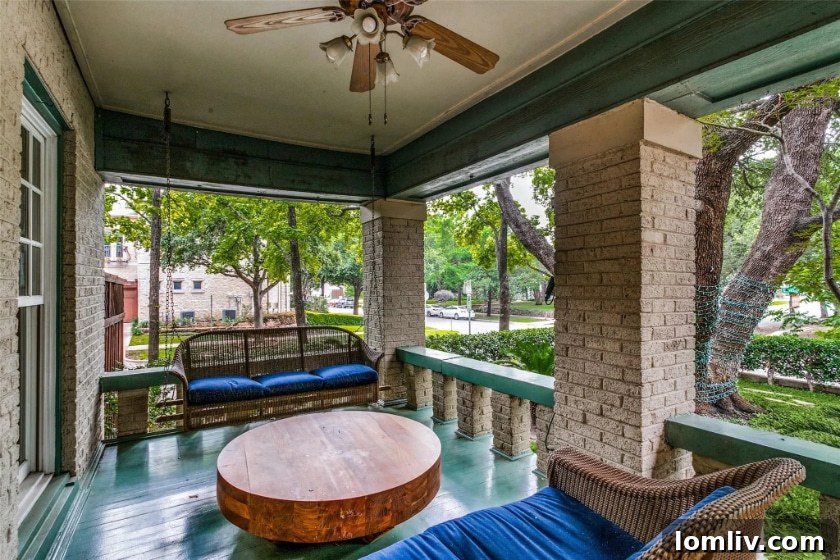
“That wonderful neighborhood stretch from Bowser down to Reagan, encompassing Throckmorton, Holland, and Gilbert, was once home to the most glorious collection of ‘honeymoon bungalows’ throughout the 1970s,” Emery recounted. “All of these charming residences were originally constructed between 1905 and 1920.” This vivid description paints a picture of a vibrant, historically rich community that stood in stark contrast to much of the modern development we see today.
Emery further highlighted the profound impact of these losses with an intriguing anecdote. When the critically acclaimed film “The Dallas Buyers Club” was in production in 2012, its crew reached out to him while scouting locations in New Orleans. They sought to identify parts of the city that could most accurately replicate the aesthetic and ambiance of Oak Lawn in the 1980s. “We sent them photos of these remaining Prairie and Craftsman Bungalows,” Emery explained. This situation prompts a fascinating, albeit melancholic, question: had the historic fabric of Oak Lawn remained largely intact, would “The Dallas Buyers Club” have actually been filmed in its namesake city? The inability to accurately portray its own past is a significant cultural and economic setback.
Attracting filmmakers and leveraging our unique architectural heritage for economic recovery and cultural tourism are just two of the myriad opportunities we forfeit when historic homes and neighborhoods are indiscriminately destroyed. Each demolition erases a piece of our collective memory and diminishes the distinctive character that makes Dallas truly unique.
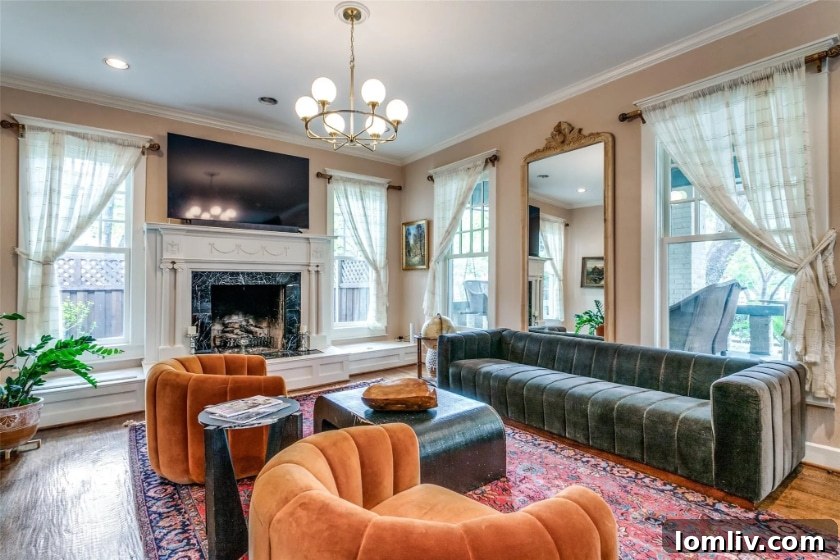
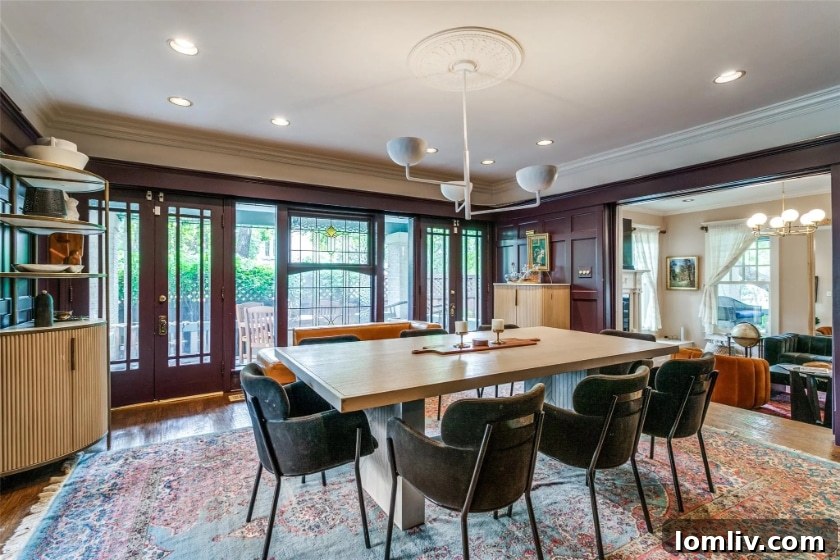
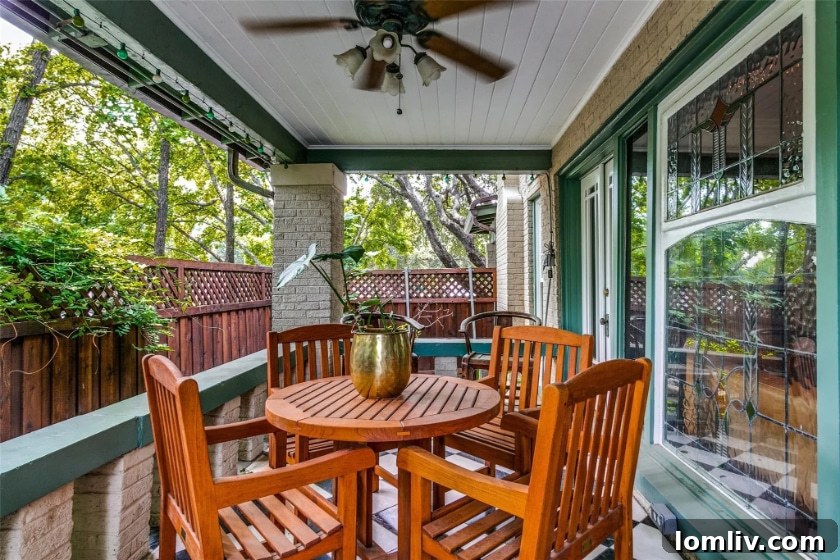
A Beacon of Preservation: The 1914 Oak Lawn Prairie Home
Those rare homes that miraculously survive the relentless march of time, like this immaculate Oak Lawn Prairie gem, truly stand out as architectural marvels in their neighborhoods. They are more than just buildings; they are living testaments to enduring love, meticulous maintenance, thoughtful updates, and, most importantly, stewardship by owners who deeply understand and cherish their intrinsic value. It is crucial to remember that the Prairie style is one of the few truly indigenous American architectural movements, characterized by its emphasis on horizontal lines, open floor plans, and integration with the surrounding landscape.
Now that these historic Oak Lawn Prairie homes are increasingly rare and scattered, their appeal and desirability have escalated dramatically. They are not just residences; they are cherished pieces of history, offering a connection to the past that is both profound and deeply satisfying. When you step inside one of these meticulously preserved homes, the experience is truly transformative. The craftsmanship, the spatial design, and the palpable sense of history immediately clarify why character, unique architectural integrity, and historic preservation matter so deeply to homeowners and communities alike.
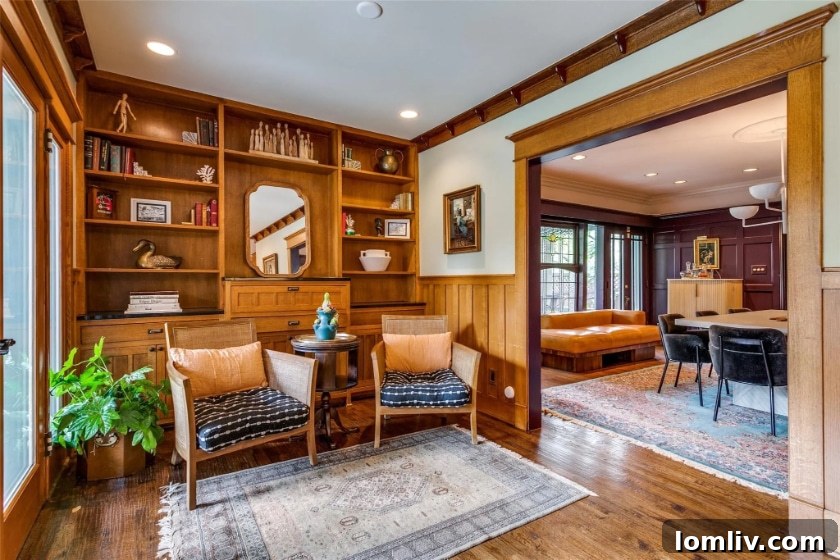
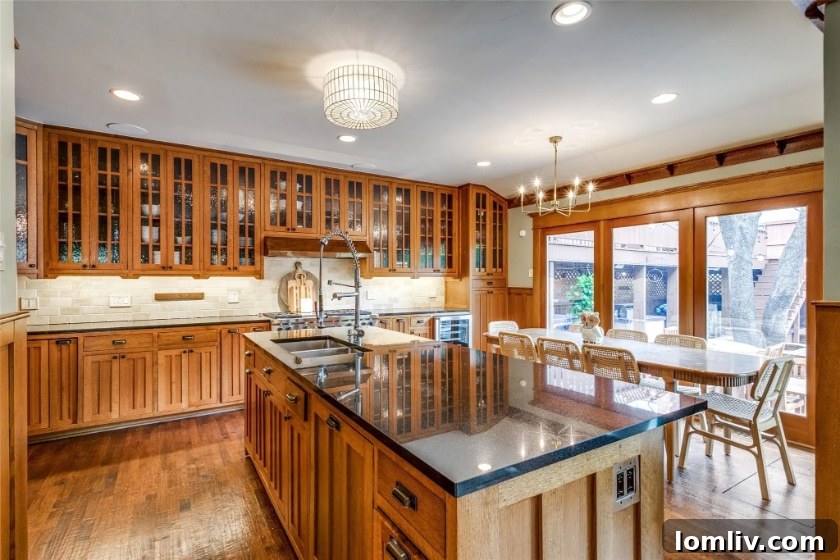
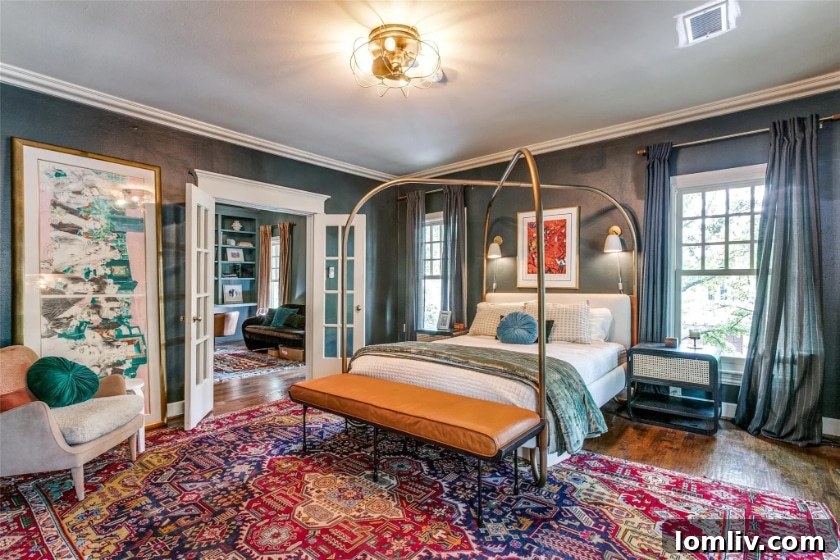
Timeless Design: Blending Modern Luxury with Historic Authenticity
The architects and builders of these early 20th-century homes possessed an intuitive understanding of environmental design, a knowledge that resonates even today. These residences were meticulously sited, taking into careful consideration the path of the sun from sunrise to sunset. Broad, welcoming front porches, complete with generous overhangs, were thoughtfully designed not only to shield occupants from the harsh sun and sudden rains but also to foster a sense of community. They served as inviting spaces where owners could leisurely unwind, sip a refreshing glass of lemonade, and engage in convivial conversation with neighbors strolling by after a long day.
Furthermore, rooms were deliberately designed to be spacious and airy, a crucial feature in an era before widespread air conditioning. This intelligent design maximized natural airflow, creating comfortable living environments even during the warmer months. Dining rooms, too, were grand and expansive, reflecting the prevalent social customs of the time. Families were typically larger, and home entertaining was not just an option but often the primary mode of social engagement. With country clubs still in their nascent stages of development, significant life events like engagement parties and weddings were frequently hosted within the elegant confines of these private residences.
This was an era defined by gracious living, an emphasis on community, and a deep appreciation for well-crafted spaces. Remarkably, we can still find and acquire these beautiful historic homes today, allowing discerning buyers to embrace and enjoy the unique lifestyle they inherently offer. The opportunity to call this exquisite Oak Lawn Prairie home your own is a truly exceptional privilege, promising a blend of historical charm, modern convenience, and timeless elegance.
Investing in History: A Rare Opportunity in Dallas’s Oak Lawn
Owning a piece of Dallas history, especially a meticulously maintained Prairie-style home in Oak Lawn, represents a unique investment—not just in real estate, but in cultural heritage. This home stands as a proud example of how thoughtful preservation can integrate with contemporary living, offering all the modern comforts while retaining its original soul. Its enduring presence enriches the community and provides a tangible link to the city’s past, making it an irreplaceable asset in an ever-changing urban landscape.
This magnificent property offers more than just square footage; it offers a narrative, a lifestyle, and a piece of Dallas’s architectural legacy. It’s an invitation to live in a home that has witnessed over a century of history, meticulously updated to meet today’s discerning standards while celebrating its authentic origins.
Compass Real Estate listing agent Crystal Gonzales has this exceptional Oak Lawn Prairie home at 3900 Bowser Ave. offered for $1.8 million.