The Future of 3845 Oak Lawn: A Historic Dallas Home Faces Rezoning for Commercial Use
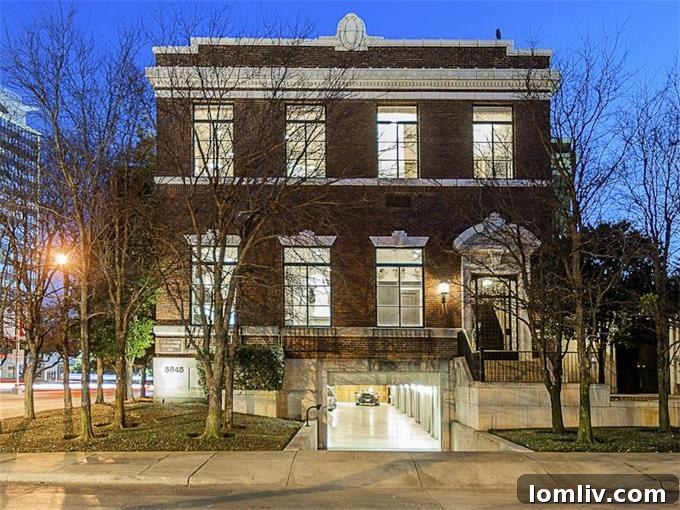
The esteemed Oak Lawn neighborhood in Dallas stands on the precipice of a significant transformation, particularly concerning one of its most cherished properties: the remarkable townhome located at 3845 Oak Lawn. News of a potential rezoning application for this iconic address has sent ripples through the community and among architecture enthusiasts, sparking conversations about preservation, urban development, and the evolving landscape of Dallas’s most coveted areas. What was once celebrated as an exquisite private residence, famed for its unique architectural elements and luxurious appointments, now faces a proposal to introduce ground-floor retail and office spaces, raising profound questions about its future and the delicate balance between progress and heritage.
A Glimpse into Grandeur: The Unmistakable Charm of 3845 Oak Lawn
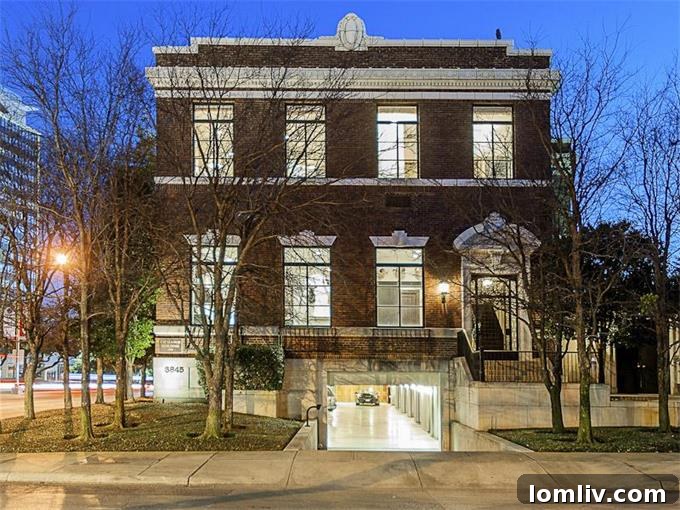
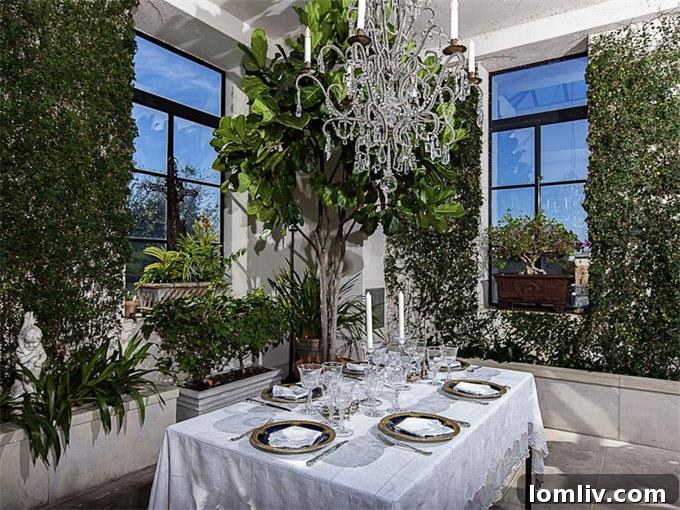
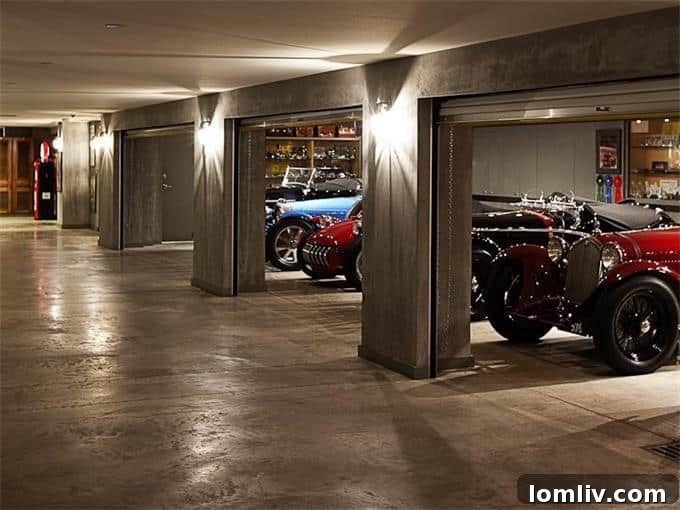
For those familiar with Dallas’s luxury real estate market, 3845 Oak Lawn isn’t just an address; it’s a landmark. Marketed for a staggering $10 million back in 2013, the property found its current owners in Shahab Salehoun and Zohreh Malek, who recognized its unparalleled value. This magnificent structure, originally built in 1919, embodies a timeless elegance that is increasingly rare in a rapidly modernizing city. Its distinctive features have long captivated admirers, from its “sexy garage” – rumored to house an impressive collection of antique automobiles – to its “gorgeous conservatory-like dining room” that bathes in natural light, offering an idyllic setting for intimate gatherings. Every detail of this home speaks to a bygone era of craftsmanship and sophisticated design, contributing significantly to the architectural fabric of Oak Lawn.
The house’s interior, though private, is imagined by many to be a testament to classic luxury, likely featuring intricate millwork, soaring ceilings, and expansive living spaces designed for both grand entertaining and comfortable family life. Its presence on Oak Lawn is more than just residential; it’s a piece of Dallas history, a tangible link to the early 20th century when the city began its ascent as a regional powerhouse. Preserving such a structure goes beyond mere sentimentality; it’s about maintaining the character and historical integrity that give Oak Lawn its distinctive appeal.
The Proposed Rezoning: A Commercial Shift for a Residential Icon
The current owner, Shahab Salehoun, through his zoning request facilitated by Baldwin & Associates, seeks to transform the site’s zoning to allow for ground-floor retail and office uses. While the application states “no planned additions or construction” to the existing structure, the underlying implication for a nearly century-old private residence is undeniable. Rezoning a property of this nature for commercial purposes often necessitates significant interior alterations to accommodate new functions, such as customer foot traffic, inventory storage, office layouts, and compliance with commercial building codes. This raises concerns among preservationists and community members about the potential “dicing up” of the original 1919 interiors, which could irrevocably diminish the home’s historical authenticity and architectural value.
The proposal reflects a broader trend in urban development, where prime residential areas in bustling city centers are increasingly being eyed for mixed-use developments. The allure of integrating commercial viability with residential prestige is strong, particularly in high-demand locations like Oak Lawn. However, the conversion of a historically significant single-family home into commercial space represents a substantial departure from its original intent and could set a precedent for similar changes within the neighborhood.
Oak Lawn: A Neighborhood at a Crossroads of Development
The Oak Lawn neighborhood itself is a microcosm of Dallas’s dynamic growth. Known for its tree-lined streets, upscale boutiques, vibrant nightlife, and a diverse community, Oak Lawn has long been one of Dallas’s most desirable addresses. It perfectly blends urban convenience with pockets of serene residential charm. Over the decades, Oak Lawn has witnessed continuous evolution, from its early days as a streetcar suburb to its current status as a sophisticated urban village. This constant change, while bringing new amenities and populations, also exerts pressure on existing structures and zoning regulations.
The demand for commercial spaces, particularly those that offer unique retail experiences or boutique office environments, is soaring in areas like Oak Lawn. Developers and property owners are increasingly seeking to capitalize on this demand, often by proposing rezoning initiatives that align with modern urban planning philosophies advocating for denser, mixed-use environments. However, these developments often come with the inherent challenge of balancing economic progress with the preservation of cultural heritage and neighborhood character. The case of 3845 Oak Lawn epitomizes this ongoing tension.
Implications of the Rezoning: Preservation Versus Progress
The decision regarding 3845 Oak Lawn will have far-reaching implications beyond the immediate property line. From an architectural perspective, the potential loss of original interior features in a 1919 structure is a significant concern. Historic homes offer invaluable insights into past building techniques, design aesthetics, and living patterns. Once altered, these unique attributes are often lost forever, making it impossible to fully appreciate the structure’s original context and design integrity.
For the Oak Lawn community, the introduction of ground-floor retail and office uses could alter the residential ambiance of the immediate vicinity. While mixed-use developments can bring vitality, they can also introduce increased traffic, parking challenges, noise, and changes to the neighborhood’s pedestrian experience. Residents often value the tranquility and residential feel of their streets, and any significant commercial intrusion can disrupt this balance. The perception of such a change can also influence property values and the overall desirability of the area for future homeowners seeking a predominantly residential environment.
Furthermore, the outcome of this zoning request could establish a precedent. A successful rezoning of 3845 Oak Lawn might encourage other property owners of historic or architecturally significant homes in the area to pursue similar commercial conversions. This could lead to a gradual erosion of the neighborhood’s residential character and a diminishment of its unique historical appeal, transforming it into something less distinctive and more purely commercial.
The Road Ahead: The Zoning Review Process
The zoning request for 3845 Oak Lawn is currently on a defined path through the city’s planning department. The initial critical step involves a staff review, which was scheduled for March 1. During this review, city planners and experts will assess the application against existing zoning ordinances, comprehensive plans, and community impact considerations. They will analyze factors such as traffic flow, parking, environmental impact, and consistency with neighborhood plans. This phase is crucial as it informs the recommendations that will eventually be presented to the city’s Zoning Commission and, ultimately, the City Council.
Following the staff review, the application will typically move to public hearings, where community members, stakeholders, and interested parties will have the opportunity to voice their support or opposition. These hearings are vital for ensuring transparency and community engagement in the decision-making process. The ultimate fate of 3845 Oak Lawn rests with the City Council, which will make a final determination based on all presented information, staff recommendations, and public input.
A Call for Balanced Urban Development
The situation surrounding 3845 Oak Lawn serves as a powerful reminder of the ongoing debate in rapidly growing cities: how to accommodate urban expansion and economic development while safeguarding historical assets and preserving neighborhood character. It is a complex challenge that requires thoughtful planning, meaningful community dialogue, and a commitment to sustainable development practices.
The unique architectural beauty and historical significance of 3845 Oak Lawn are undeniable. Its potential transformation underscores the pressing need for Dallas to consider creative solutions that allow for growth without sacrificing the invaluable heritage embedded in its historic structures. Whether this involves exploring alternative adaptive reuse strategies that maintain the building’s integrity, or engaging in more robust discussions about conservation easements, the conversation around 3845 Oak Lawn is far from over. It is a moment for the community to reflect on what defines Oak Lawn and to advocate for a future that respects both its vibrant past and its ambitious aspirations.
Zoning Change Application for 3845 Oak Lawn