Prescott’s Ambitious Vision: Reshaping Luxury on Dallas’s Iconic Turtle Creek
The urban landscape of Dallas is ever-evolving, a dynamic canvas where historic charm meets modern ambition. Keeping pace with its rapid transformation often feels like being in two places at once, a challenge for even the most seasoned observers. Such was the case recently, as the city’s influential Oak Lawn Committee convened for its monthly gathering – a significant event for those tracking the pulse of Dallas’s premier neighborhoods. This particular meeting, the first since the contentious Lincoln Katy Trail discussions, brought into sharp focus a project poised to redefine luxury living and hospitality along the prestigious Turtle Creek corridor. While other critical community discussions unfolded, including a meeting for the Athena’s Pink Wall towers, the spotlight truly shone on Prescott’s compelling proposal.
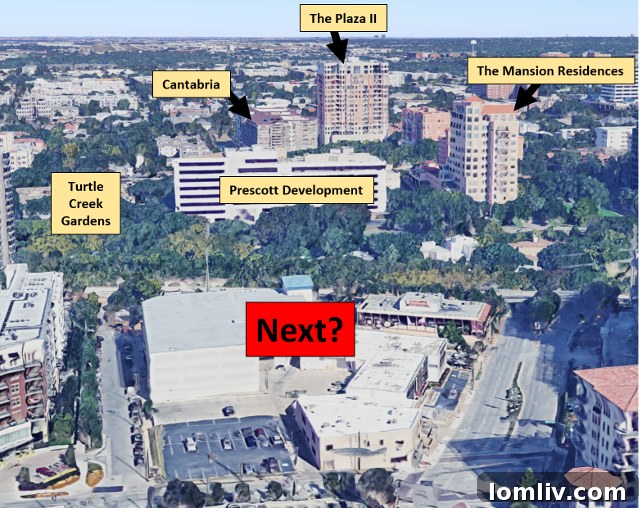
Prescott’s arrival at the Oak Lawn Committee meeting wasn’t just another agenda item; it marked a pivotal moment for a highly coveted 5.5-acre site at 2727 Turtle Creek. This prime parcel, once home to Republic Insurance, is strategically nestled between two Dallas landmarks: the venerable Mansion on Turtle Creek and the exclusive Turtle Creek Gardens condominiums. The developer unveiled an ambitious plan to transform this unique plot into a sprawling, multi-faceted luxury development, promising a new era of sophistication for one of Dallas’s most revered addresses. This project aims to seamlessly blend ultra-luxury residential units with a five-star hotel and a significant commercial component, all while navigating the intricate expectations of a discerning neighborhood and the city’s regulatory framework.
A Strategic Location with Complex Topography
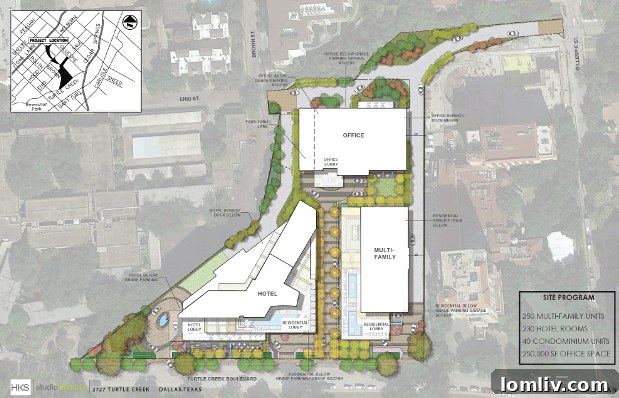
The site itself presents a fascinating challenge and opportunity. Its distinct, somewhat irregular shape features multiple access points, enhancing its development potential. Beyond its primary frontage on Turtle Creek, the property extends connections towards Gillespie Street, situated behind The Mansion, and borders the Cantabria apartments on Brown Street. This intricate network of access roads provides the development with greater flexibility in managing traffic flow, a crucial consideration in a high-density urban environment. While the primary entrance and exit will undoubtedly be via Turtle Creek, these auxiliary connections offer strategic alternatives, particularly for those intimately familiar with the neighborhood’s intricate pathways. The careful planning of these routes will be vital in mitigating potential congestion and ensuring smooth operations for residents, hotel guests, and commercial tenants alike.
Architectural Grandeur: A Departure from the Ordinary
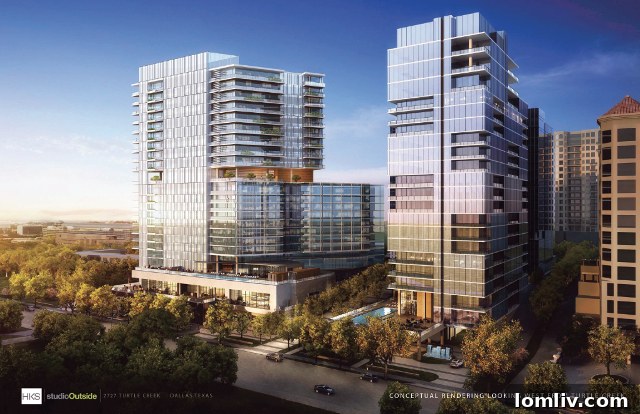
One of the most striking aspects of Prescott’s proposal is its ambitious architectural vision. The designs presented defy the notion that Dallas development must always adhere to functional yet often bland aesthetics. Instead, they champion a sophisticated, contemporary style that promises to enhance the city’s skyline. This project clearly signals a welcome shift away from the “Spani-terranean” architectural era, a style that, while once prevalent in landmark developments like The Mansion Hotel and Residences and Plaza I and II condominiums, now feels distinctly of the past. The new design embraces clean lines, expansive glass, and thoughtful material selections, aiming to create structures that are both visually appealing and seamlessly integrated into the luxurious fabric of Turtle Creek.
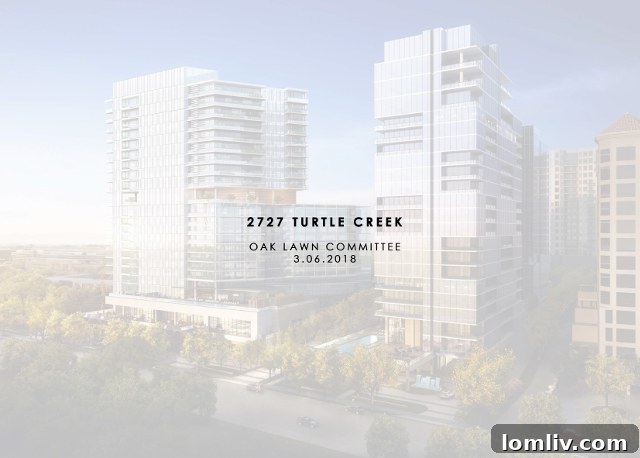
The development is intricately planned as a multi-building complex, each serving a distinct, yet complementary, purpose. On the left, as viewed from Turtle Creek, will rise a new 230-room, five-star hotel. Crowning this magnificent structure will be approximately 40 ultra-luxury condominiums, ranging in size from a spacious 3,000 to 3,500 square feet. A dedicated amenity deck, referred to as the “fat separator,” will elegantly divide the hotel operations from the private residential spaces, offering exclusive facilities for condominium owners. Adjacent to this, on the right, an equally impressive super-deluxe apartment tower will house 250 units, each exceeding 1,100 square feet and commanding rents above $4 per square foot, reflecting their premium quality and desirable location. Adding another layer of functionality, a substantial 250,000-square-foot office building is planned for the rear of the property, situated opposite The Mansion Hotel and in close proximity to the Cantabria apartments on Hood and Brown streets. This integrated approach creates a vibrant, mixed-use environment designed to cater to the highest echelons of Dallas’s discerning clientele.
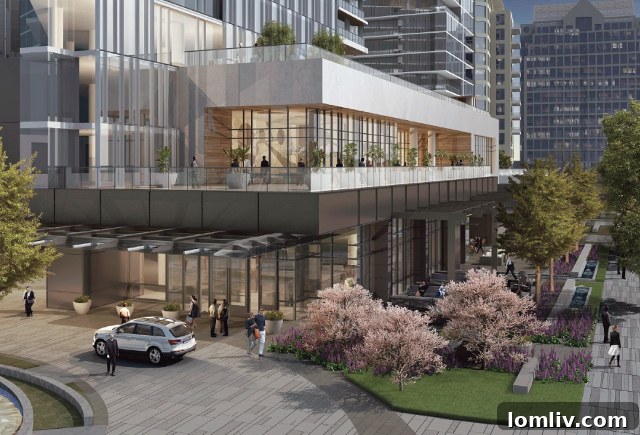
The Mystique of the Five-Star Hotel Brand
Naturally, the identity of the five-star hotel operator is a topic of considerable interest. During discussions with Prescott, the question of which luxury brand would grace the development was posed. Given the explicit mention of a five-star designation and the integration of a residential component, the field narrows considerably to a select few global hospitality giants. Brands like Four Seasons, Mandarin Oriental, or perhaps St. Regis immediately come to mind. The developer’s response, a subtly “flustered” “no comment,” only fueled speculation. Based on industry observations, Four Seasons has long been seeking a prominent project closer to downtown Dallas, indicating a strategic alignment with the city’s growth. Similarly, Mandarin Oriental had previously planned to anchor Hillwood’s unbuilt 43-story Victory Tower in Victory Park prior to the last recession. The prospect of either of these esteemed brands establishing a presence on Turtle Creek is incredibly exciting. Should it indeed be Mandarin Oriental, one might expect to find dedicated enthusiasts (myself included) frequenting the illustrious MO Bar, eager to experience its sophisticated ambiance and impeccable service.
The residential condominiums are designed with grandeur in mind. Prospective owners can anticipate spacious units, with floor plans allowing for combinations that typically result in two to four units per floor, ensuring exclusivity and privacy. Each residence will boast direct elevator access, complemented by a shared service hall for convenience. The architectural renderings emphasize generous balcony spaces, promising residents breathtaking views and ample outdoor living areas – a significant draw for luxury buyers. The dedicated amenity deck for condo owners is reminiscent of the W Residences, which also successfully integrates separate condominium and hotel components with an exclusive amenity level. Being elevated high above the street, these residences will offer unparalleled panoramic views of the vibrant Dallas cityscape, creating a truly iconic living experience.
From an armchair architect’s perspective, the concept of a continuous facade along Turtle Creek is undeniably powerful. However, one might initially ponder whether positioning the condos further back, with an open amenity deck at the front, could yield even more dramatic poolside views of the city skyline. Upon consultation with the project architect, a clear and logical rationale emerged: the pool will be strategically positioned along the front and western edges of the building. This orientation is specifically designed to maximize exposure to the afternoon sun and capitalize on the expansive city views. Furthermore, the design incorporates extensive use of glass, not only for aesthetic appeal but also as a practical measure to protect the amenity area from high winds, ensuring comfort and usability for residents. This thoughtful consideration demonstrates a commitment to both form and function, delivering a world-class living experience.
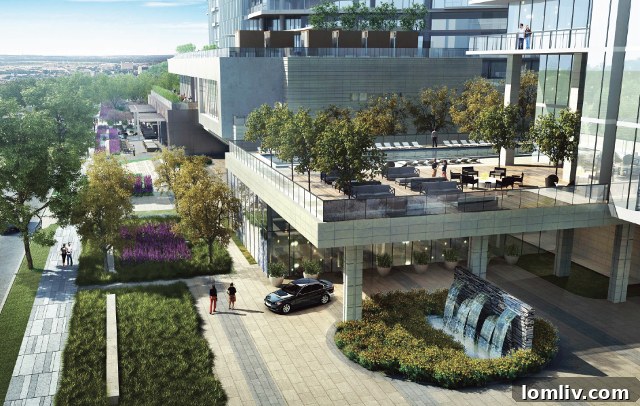
Elevated Living: The Apartment Tower and its Strategic Amenities
The apartment tower is equally impressive, distinguished by a visually compelling patchwork of balconies that contribute significantly to its architectural strength and unique identity. While it appears that not every unit will feature a balcony, this design choice caters to a segment of the luxury market that prioritizes expansive indoor living spaces over outdoor ones. Many urban dwellers, for various reasons, find themselves underutilizing balconies, making this a sensible approach to design flexibility. The apartment tower’s amenity deck is strategically situated on the side adjacent to the hotel, rather than facing The Mansion Residences. This placement is a win-win: it spares Mansion residents from a direct view into the apartment amenities and, perhaps more importantly, ensures that the apartment pool receives ample sunlight, avoiding a perpetually shaded environment. This thoughtful planning underscores Prescott’s commitment to optimizing the living experience for all occupants while respecting existing neighbors.
It’s important to acknowledge that this development undeniably falls within the ultra-luxury segment, offering exclusive apartments and condominiums that are not positioned for affordability. However, from a broader urban planning perspective, this project represents a significant residential net-add. Crucially, it is a commercial redevelopment that is not displacing existing residents or communities, but rather transforming a former corporate site into vibrant, high-value residential and hospitality spaces. This distinction highlights its positive contribution to Dallas’s housing stock, particularly at the high end, without the social complexities often associated with redevelopment in established residential areas.
While the residential and hospitality components are meticulously detailed in the early renderings and discussions, the office tower component currently appears to be more of a placeholder on the site map. Further specifics regarding its design, tenant appeal, and integration within the mixed-use scheme will undoubtedly emerge as the project progresses. Given the strategic location, a well-designed, high-quality office building would undoubtedly attract discerning tenants seeking a prestigious address in the Turtle Creek corridor, further enhancing the project’s overall value and contribution to the urban fabric.
Navigating Neighborhood Dynamics and Zoning Hurdles
Prescott’s presentation to the Oak Lawn Committee was not merely an informational session but a crucial step in seeking community support for several key zoning amendments. The most significant request involves an increase in height from the existing O-2 zoning limit of 240 feet to a proposed 299 feet. This request, while central to the project’s design and density, is predictably a point of contention for nearby luxury developments. The Mansion on Turtle Creek and The Plaza, both established symbols of Dallas luxury, are unlikely to welcome a taller, more modern competitor directly next door. The Mansion, in particular, will face a new, chic hotel rival, while The Mansion Residences may feel a sense of being “blockaded,” despite the fact that existing rooftop views over the Prescott parcel are already far from idyllic. The Plaza, having recently dealt with the Toll Brothers high-rise approval to its north, will also undoubtedly feel the cumulative impact of increased density. Furthermore, across Turtle Creek, the enclave of single-family homes in Park Bridge Court is also likely to express concerns about altered views and increased traffic.
However, not all neighbors are expected to oppose the project. The Turtle Creek Gardens condominiums, for instance, are likely to be among its strongest supporters. This development, first sold nearly two years prior and recently rumored to have been resold to Lennar, could potentially benefit from the renewed vibrancy and investment in the immediate area. Additionally, Great Gulf, with its pair of stalled/cancelled developments – the Limited Edition property at 2505 Turtle Creek and the neighboring Fairmount apartment site – will be closely watching Prescott’s success. A favorable outcome for Prescott could inject new life into these dormant projects, signaling a resurgence of investor confidence in the Turtle Creek luxury market.
Despite the current debates and anticipated neighborhood concerns, a broader perspective suggests that many of the anxieties regarding skyline views for The Mansion and Plaza residents might ultimately become moot. This is due to the significant development potential of the larger parcel bounded by Cedar Springs, Routh, and the Katy Trail. It is widely considered a given that the owners of CubeSmart and Asel Art Center will eventually sell their properties. The only real question is the timing – whether it’s a matter of months or a few years. When you factor in Texas de Brazil’s lot, which hugs the Katy Trail, and the possibility of city approval to connect these properties by closing Woodrow Avenue, a super-attractive, expansive development plot emerges. Such a large-scale consolidation could easily pave the way for a project that mirrors or even surpasses the neighboring 17-story Brady high-rise apartment building in scale and ambition, fundamentally transforming the entire corridor.
Addressing Regulatory Peculiarities
Beyond the height increase, Prescott is also seeking setback relief to achieve optimal alignment for its apartment and office buildings. These adjustments are critical for maximizing efficiency and aesthetic coherence within the development’s complex footprint. The final request presented to the Oak Lawn Committee, however, bordered on the comical, highlighting a quirky aspect of local regulation: the parcel currently resides in a “dry” area. This means the development requires specific city approval to serve alcoholic beverages, a seemingly antiquated law for a modern luxury project. As one might imagine, no five-star hotel or high-end residential complex would realistically consider operating as a “Twelve-Step Hotel and Spa,” making this approval a fundamental necessity for its viability as a luxury destination. The request, while amusing, underscores the unique challenges developers sometimes face in navigating local ordinances that may not have kept pace with urban growth and contemporary expectations.
Remarkably, there were relatively few questions posed by the Oak Lawn Committee regarding the intricacies of Prescott’s project. This may be largely attributed to the developer and architect’s extensive prior involvement with the Committee. Their deep understanding of the OLC’s priorities, concerns, and approval processes likely allowed them to craft a proposal that proactively addressed potential issues, ensuring that the project was presented in a manner designed to garner support rather than provoke strong opposition. This insider knowledge proved to be a valuable asset in navigating the complex community approval landscape.
The Oak Lawn Committee’s Broader Scope: The Tom Thumb Modification
In addition to Prescott’s major development proposal, the Oak Lawn Committee’s meeting also included a presentation from The Union development, situated at Cedar Springs and Akard. This presentation sought a modification to signage requirements specifically for the incoming Tom Thumb grocery store. Such requests, while smaller in scale than a multi-tower luxury development, are squarely within the typical purview of the OLC. Whether dealing with a towering high-rise or a straightforward signage adjustment, the committee serves as a vital forum for ensuring that development, regardless of size, aligns with community standards and city regulations. It underscores the committee’s comprehensive role in shaping the everyday urban experience of the Oak Lawn neighborhood, from grand visions to practical necessities.

Remember: My focus consistently revolves around high-rises, the intricacies of Homeowners Associations (HOAs), and the transformative power of renovation within Dallas’s dynamic real estate market. However, my passion extends to appreciating both modern and historical architecture, always viewed through the lens of balanced growth and the YIMBY (Yes In My Backyard) movement. This advocacy for thoughtful, responsible development ensures our city evolves without sacrificing its character. If your organization is interested in hosting a Candysdirt.com Staff Meeting event, I’m always eager to connect with the community and discuss the future of Dallas real estate. My dedication to quality real estate journalism has been recognized by the National Association of Real Estate Editors, with two Bronze awards in 2016 and 2017, and two Silver awards in 2016 and 2017. Whether you have a compelling story to share, a development to spotlight, or perhaps even a unique marriage proposal to consider, please don’t hesitate to reach out. Shoot me an email at [email protected].