Dallas’s vibrant real estate scene continues to evolve, with the Oak Lawn Committee recently reviewing a diverse set of development proposals poised to reshape the urban landscape. From ambitious high-rise residential towers to essential community services and infrastructure adjustments, these projects highlight the dynamic growth occurring across Uptown Dallas. This report delves into four key proposals discussed last night, offering insights into their potential impact, design philosophies, and the ongoing challenges of urban planning in a rapidly developing city.
Among the significant projects was a striking residential high-rise planned for the prominent intersection of Boll Street and McKinney Avenue. This development, along with a 13-story retirement home proposed near the renowned Al Biernat’s restaurant, garnered considerable attention. The committee also addressed more routine but equally vital matters, including a signage variance request in Victory Park and the critical permit renewal for a long-standing drive-through facility on Cedar Springs Road. Each project, in its own way, reflects the multifaceted nature of Dallas’s urban expansion and the continuous dialogue between developers, city planners, and the community.
Innovative Mixed-Use Development: Boll Street & McKinney Avenue High-Rise
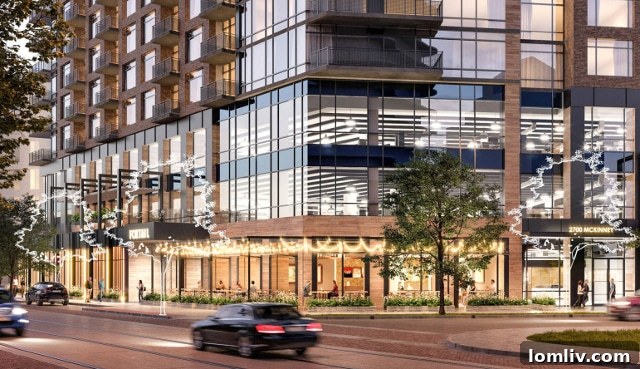
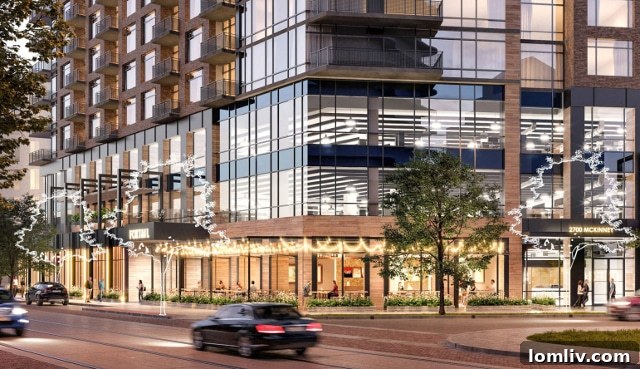
The proposed high-rise at the corner of Boll Street and McKinney Avenue represents a compelling vision for modern urban living in Dallas. Situated just a few blocks from Whole Foods and the site of the former Jake’s Burgers, this development promises to add a significant residential footprint to the area. While the entire structure presents an impressive scale, many of its most innovative and commendable features are concentrated within its foundational four floors. This project stands out for its thoughtful approach to integrated design, addressing both functionality and pedestrian experience.
Challenging the Myth: Residential with Extensive Underground Parking
One of the most noteworthy aspects of this new development is its commitment to entirely underground parking. This decision marks a significant departure from conventional wisdom in real estate development. For years, the prevailing belief has been that only office buildings could financially justify the higher costs associated with subterranean parking, thanks to the premium rents they command per square foot compared to residential units. However, this Boll Street project, alongside another recent development (the Rastegar project), unequivocally challenges this long-held assumption.
The fact that this high-rise primarily consists of residential units – with just two floors dedicated to ground-floor retail/restaurant space and two floors of office space on the second and third levels – yet incorporates extensive underground parking, is a game-changer. It demonstrates a clear shift in development feasibility and a willingness to invest in solutions that enhance urban living by reducing visible parking structures. If even a modest allocation of office or commercial space is enough to make the numbers work for such a substantial amenity, then the industry should actively embrace this model. This approach not only improves aesthetics but also frees up valuable ground-level space for more engaging uses.
A Pedestrian Paradise: Enhanced Sidewalks and Urban Greenery
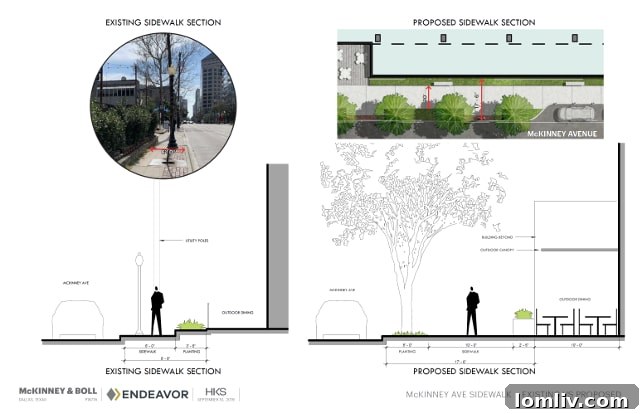
Beyond its innovative parking solution, the ground-level design of the Boll Street high-rise offers a substantial upgrade to the pedestrian experience along McKinney Avenue. Currently, the street features a relatively narrow six-foot sidewalk, often cluttered with streetlights and other urban obstacles, making leisurely strolls challenging. The proposed design dramatically transforms this space, introducing a truly generous and inviting pedestrian zone.
The new plan incorporates a five-foot planting bed adjacent to the street, providing a natural buffer and introducing much-needed greenery. This is followed by a spacious 10-foot-wide sidewalk, ensuring ample room for walkers, runners, and casual interaction. Furthermore, an additional 2.5 feet of space precedes a 10-foot-wide outdoor patio area designated for future restaurants or retail establishments. Cumulatively, this creates an impressive 27.5 feet of clear space from the curb to the building’s façade – a veritable bonanza for city dwellers and a significant enhancement to the urban fabric. Even on secondary streets like Boll Street, this exceptional width is largely maintained, with only a marginal reduction of six inches. The first three floors of the building itself, designed to house commercial and office spaces, promise a bright, modern, and glassy aesthetic, contributing to a vibrant street-level presence.
Design Critique: The Upper Residential Floors
While the initial floors impress with their thoughtful design and urban integration, the architectural vision for the upper residential floors (the fourth through seventeenth levels) presents a noticeable shift in aesthetic and appeal. The current renderings depict an unbroken ribbon of balcony-window, balcony-window for each floor, leading to a somewhat monotonous and uninspired façade. This lack of architectural distinction creates an impression of visual boredom, failing to capture the elegance or unique character that a high-profile development in Uptown Dallas demands.
Given the premium rents that will undoubtedly be charged for these units, the expectation for a building of this stature is a design that is not only functional but also visually captivating. The current design risks blending into the background, lacking the panache that would truly elevate its presence within the neighborhood. One might even humorously suggest that neighboring buildings could advertise “good night’s sleep for insomniacs with views of this” due to its unstimulating exterior. An opportunity exists here to infuse more creative architectural elements, varied materials, or unique balcony designs to break the repetitive pattern and enhance the building’s overall curb appeal and market desirability.

Footprint Efficiency and Unit Design Concerns
A closer look at the building’s footprint, as indicated by the dotted red lines in the renderings, reveals another layer of design consideration. The proposed structure is significantly less bulky than it could have been within the given site constraints. The red lines illustrate the existing maximum allowable footprint. On first impression, a more slender building might seem beneficial for the neighborhood, implying less visual impact and a more graceful integration. However, this reduction in bulk raises important questions regarding the internal layout and spaciousness of the residential units.
While a thinner profile is generally appreciated, developers must ensure that the resulting floor plates are wide enough to accommodate generously sized units. A common concern for urban apartments is the creation of “thin” bedrooms, those less than 12 feet wide, which can compromise comfort and functionality. While the external slimness is appealing, the true test lies in the interior floor plans. The financial implications and livability aspects of potentially narrower units need careful scrutiny to ensure they meet the quality expectations of the target demographic. It’s a delicate balance between optimizing site density and delivering superior living spaces.
Rooftop Amenities: Elevating the Resident Experience
Overlooking some of the design criticisms for the residential exterior, the top of the building brings back a strong positive impression with its thoughtfully placed amenity deck and pool. Unlike many developments that might relegate such features to a bulky garage podium, this project elevates its recreational spaces to the rooftop. This decision means residents will enjoy unparalleled views of the Dallas skyline and the surrounding Uptown area while utilizing the pool or the state-of-the-art gym facilities. Imagine the invigorating experience of cycling or working out with a panoramic backdrop – a significant selling point and a luxurious perk for residents.
This intelligent use of vertical space for amenities not only maximizes the resident experience but also contributes to the building’s overall elegance by avoiding large, unsightly podiums at lower levels. Ultimately, if the residential exterior can be refined to introduce more visual interest and the floor plan dimensions are meticulously crafted to ensure spacious and functional units, this high-rise has the potential to become a truly exceptional addition to the Uptown Dallas real estate market. Its commitment to underground parking and elevated amenities sets a high bar for future urban developments.
Retirement Home Proposal: Hershel Avenue & Throckmorton Street
Shifting focus to another significant proposal, a 13-story retirement home is planned for the intersection of Hershel Avenue and Throckmorton Street, situated diagonally across from the iconic Al Biernat’s restaurant. The development of senior living facilities is a crucial aspect of urban planning, addressing the needs of an aging population within dynamic city centers. While the concept of a modern retirement home in this location holds promise, the initial presentation to the Oak Lawn Committee left much to be desired in terms of detail and clarity.
Insufficient Information for Informed Decisions
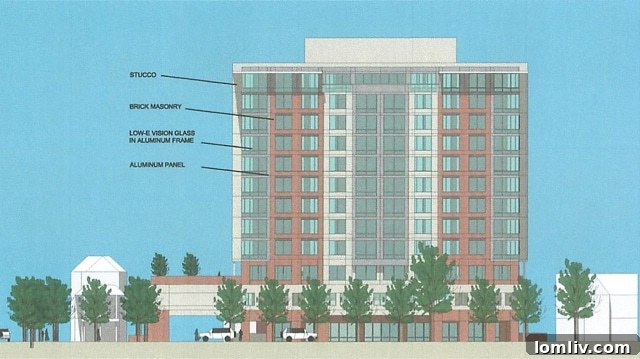
Despite the presenter having prior experience with such committee reviews, the information package provided for this substantial 13-story project was notably sparse, resembling more of a preliminary concept sketch than a comprehensive proposal for a major urban development. The stark contrast between the detailed renderings of the Boll Street high-rise and the singular, somewhat generic rendering supplied for the retirement home underscored this deficiency. For a project requesting numerous variances and concessions, a higher degree of transparency and detailed visual information is not just helpful, but essential for the committee and the public to make informed decisions.
Specific Requests and Lack of Summary
The project entails several critical requests, including a reduction in required parking spaces (justified by the argument that fewer retirees drive), a higher floor-area ratio (FAR), permission to operate a shared dining room facility, and various setback adjustments. While some of these requests, like reduced parking for senior living, often make logical sense, the lack of a clear, summarized list of all proposed variances was a significant oversight. When questioned, the developers promised to provide a comprehensive list, but this information should have been readily available from the outset.
The oral presentation itself contained many elements that sounded promising, touching upon the benefits of integrated senior living. However, a six-page presentation for a 13-story building simply does not provide enough depth to allow for thorough evaluation or to qualify for truly informed consent from the committee members and community stakeholders. The absence of detailed architectural drawings, traffic studies, or even a clear articulation of the community benefits leaves many questions unanswered. For a project impacting the urban fabric and a vulnerable demographic, a more robust and transparent submission is paramount to ensure that all implications are properly considered.
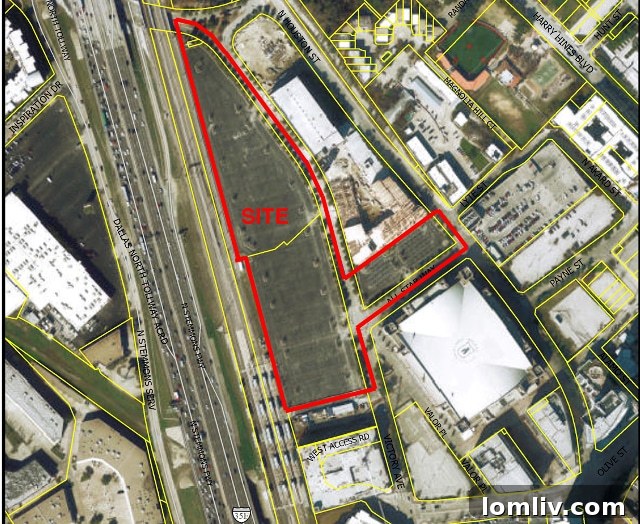
Victory Park Signage Variance: Adapting to Urban Evolution
The Oak Lawn Committee also heard a request for a signage variance concerning the vacant parking lots located north of the American Airlines Center, adjacent to I-35E in Victory Park. The landowner/developer representative presented a case for mirroring the signage requirements from the south side of the arena to the north side. This proposal stems from the historical planning context of Victory Park, which initially envisioned the area south of the stadium as predominantly commercial, thus necessitating larger and more prominent signage, while the north side was earmarked for more residential development.
Evolving Urban Fabric and Signage Needs
Over time, the development patterns have indeed played out somewhat along these lines, though Victory Park has seen a significant amount of residential construction on both sides of the American Airlines Center. The rationale for the variance suggests that the perceived need for different signage regulations between the north and south areas may no longer be entirely relevant given the area’s evolving urban character. If the commercial intensity or future development potential on the north side now parallels that of the south, then a consistent signage policy could be justified.
However, a critical piece of information missing from the presentation was a clear articulation of Hillwood’s broader plans for these parking lots. While the request was specifically for signage, the underlying implication is that future development is anticipated. Surely, they are not merely requesting better signs for empty parking lots. Without concrete details on what is planned for these parcels – whether it’s commercial, mixed-use, or additional residential – it becomes challenging to fully contextualize and evaluate the signage variance request. While the future plans might fall within existing zoning rights and not require a separate zoning case, providing a conceptual visualization of the intended development would have greatly facilitated the committee’s understanding and decision-making process, moving the discussion beyond theoretical signs to tangible urban impact.
Presentation Challenges and Lack of Detail
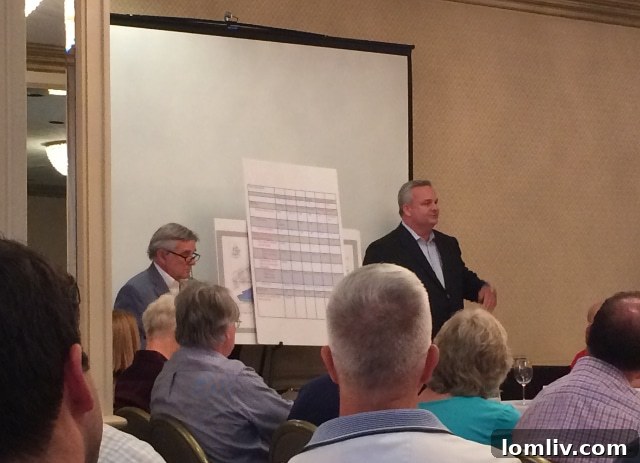
Mirroring the issues observed in the retirement home presentation, the signage variance discussion suffered from a similar lack of comprehensive detail. This oversight made it difficult for the committee to render an informed decision. Adding an ironic note to the proceedings, the presenters opted not to utilize the available projector. Instead, they relied on printed materials mounted on cardboard, including a spreadsheet that was virtually illegible to those not equipped with a “telescope.” This informal and underprepared approach undermined the seriousness of the request and highlighted the importance of clear, accessible visual aids in public hearings. Effective communication is key to securing community and committee buy-in, especially when addressing changes that affect public aesthetics and future development potential.
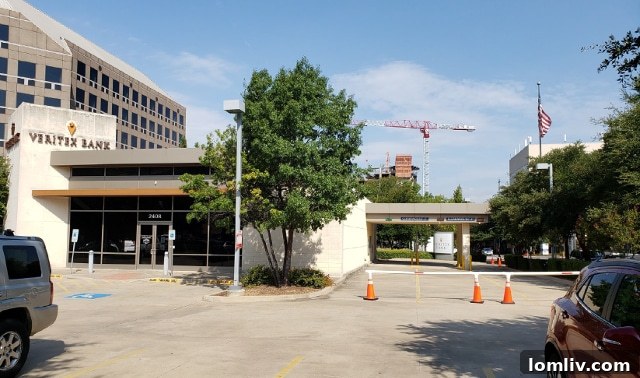
Veritex Bank: Drive-Through Permit Renewal on Cedar Springs Road
At the smaller end of the spectrum of proposals, the Oak Lawn Committee addressed a seemingly minor, yet essential, item: the permit renewal for the drive-through facility at Veritex Bank, located at 2408 Cedar Springs Road. This building occupies a distinctive triangular lot at the confluence of Cedar Springs Road, Fairmount Avenue, and Howell Street, and Veritex Bank appears to be the third financial institution to occupy this strategic location. Drive-through facilities in this particular urban area require a Special Use Permit (SUP), which are typically granted for a finite period and subject to renewal.
The Nuances of Zoning and Permits
In this instance, the SUP for the drive-through had inadvertently lapsed. Veritex Bank was simply seeking permission to reactivate and continue using this long-established convenience. This type of situation often elicits an “eye-roll” among those familiar with the sometimes meticulous and occasionally innocuous nature of zoning regulations. While seemingly a trivial administrative matter, the adherence to these permits is crucial for maintaining the intended character and functionality of specific urban zones. The brief time it took for this case to be presented and deliberated underscores its straightforward nature, yet it highlights the continuous administrative oversight required for even the smallest details of urban infrastructure.
Conclusion: A Snapshot of Uptown Dallas Development
The recent Oak Lawn Committee meeting offered a comprehensive snapshot of the ongoing development trends in Uptown Dallas, illustrating a mix of ambitious visions and administrative necessities. From the well-presented, albeit with design refinement opportunities, Boll Street high-rise, to the less detailed proposals for the retirement home and Victory Park signage, and finally, the simple drive-through permit renewal, each case contributed to the larger narrative of urban growth. Despite ongoing discussions about a potential “end of the cycle” in real estate, the sustained activity and diverse projects in Uptown suggest a persistent and vibrant development landscape. The area continues to attract significant investment, reflecting its enduring appeal as a prime location for living, working, and commerce.

About the Author: My expertise lies at the intersection of high-rises, Homeowners Associations (HOAs), and property renovation. I also hold a deep appreciation for both modern and historical architecture, always balancing these aesthetic considerations against the evolving principles of the YIMBY (Yes In My Backyard) movement, which advocates for greater housing density and affordability. My contributions to real estate journalism have been recognized by the National Association of Real Estate Editors, earning three Bronze awards in 2016, 2017, and 2018, as well as two Silver awards in 2016 and 2017. If you have a compelling story to share, a development insight to discuss, or even a unique marriage proposal, feel free to reach out via email at [email protected]. You can also look for me on Facebook and Twitter, though finding me might prove to be a delightful challenge.