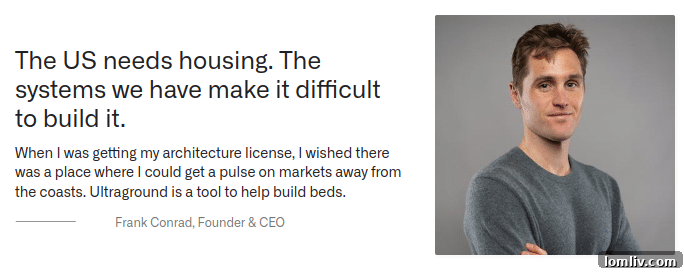
In the complex world of real estate development, navigating the labyrinthine processes of building permits, zoning applications, and planning commissions can be a formidable challenge. Frank Conrad, a visionary architect and entrepreneur, is single-handedly transforming this landscape with Ultraground, an innovative platform designed to simplify and accelerate access to crucial urban development information for professionals across the nation. While he cannot personally expedite municipal timelines, Conrad offers an invaluable service: saving countless hours for those deeply invested in local real estate development.
Just recently, in February, the 28-year-old architect made a pivotal decision, leaving his conventional job to fully dedicate himself to Ultraground. This incorporated business now meticulously monitors permit issuances, delves into the intricacies of zoning board decisions, and tracks planning commission activities across an impressive 18 markets, encompassing more than 33,000 ZIP codes. Ultraground stands as a beacon for developers, investors, and urban planners seeking clarity and efficiency in an often-opaque system.
Conrad articulates the driving force behind his venture with unwavering clarity: “Our mission is fundamentally to build housing. Anything we can do to make that happen, anything that removes friction from that process, is inherently interesting and valuable to us. I genuinely see these detailed zoning reports as merely a foundational first step, and we are committed to expanding our services and scope based directly on the evolving feedback and needs of our diverse customer base.” This statement underscores Ultraground’s commitment not just to information delivery, but to a broader societal impact through enabling more efficient housing development.
The Genesis of Innovation: A Developer’s Frustration Fuels Ultraground
The origins of Ultraground trace back to 2020, a period when Conrad, then an architect, found himself grappling with the very challenges his company now aims to solve. Even while working for a reputable architecture firm, staying abreast of zoning news across multiple markets was an arduous and often unproductive endeavor. His personal experience fueled the initial concept.
Reflecting on his journey after earning a master’s degree in architecture from the prestigious University of Southern California, Conrad recalls, “I joined a really dynamic architecture firm in Los Angeles, where our primary focus was multi-family residential projects. As I delved deeper into the industry, I found myself questioning the conventional methods of home construction. I continually wondered why the entire development process felt so unnecessarily complicated and opaque. This curiosity led me to an intense desire to learn more about zoning regulations and the intricate mechanisms of the approval process.” The traditional approach required architects and developers to physically attend countless public meetings and constantly sift through fragmented local news sources. This manual, time-consuming effort struck Conrad as inefficient and ripe for modernization. He pondered, “Why isn’t this crucial information more readily available and accessible to everyone involved in the development sector?”
The unforeseen arrival of the COVID-19 pandemic, while disruptive in many ways, inadvertently provided the catalyst Ultraground needed. As municipal meetings transitioned from in-person gatherings to online streams, a new avenue for data collection emerged. This shift allowed Conrad to remotely observe and analyze the public discourse and decision-making processes that previously demanded physical presence.
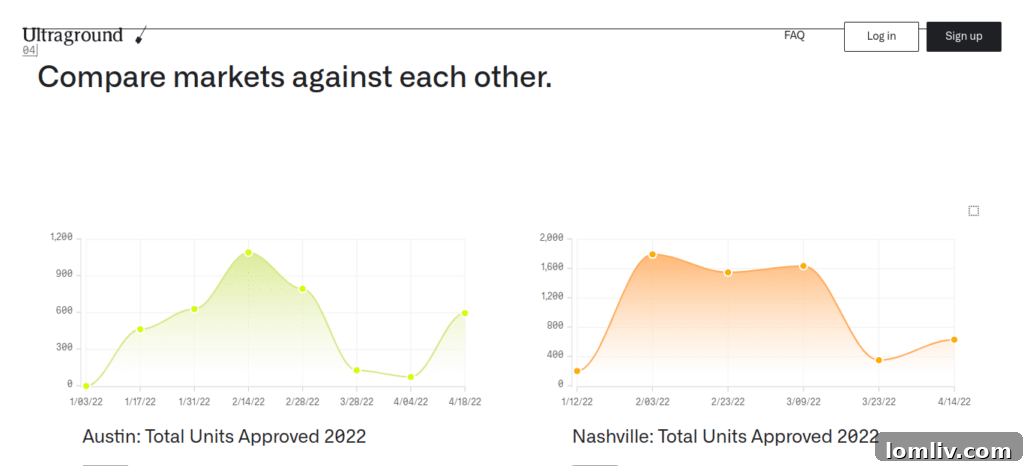
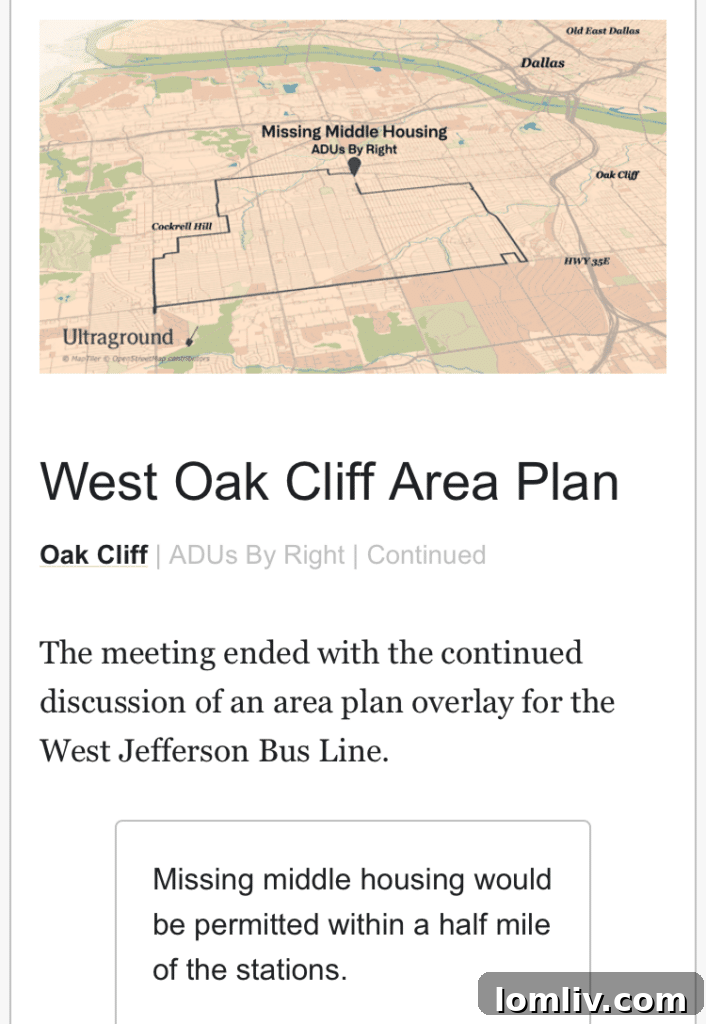
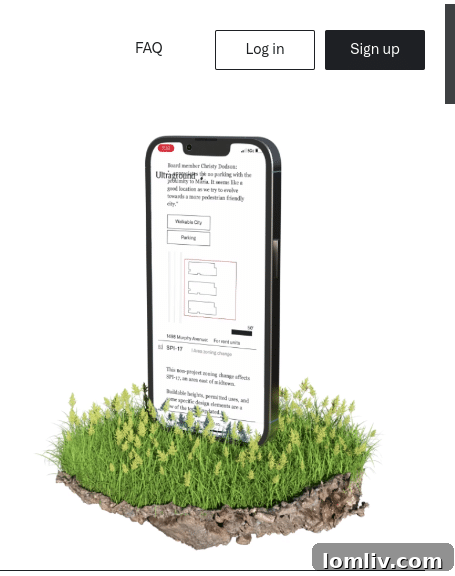
The concept of Ultraground crystallized from Conrad’s dedication to watching lengthy, often three-hour-long, zoning meetings. He meticulously digested the critical action items, distilling them into concise, actionable summaries. These reports are then delivered via email the very next day to subscribers, who can customize their preferences by selecting specific cities of interest to receive biweekly updates. Beyond these tailored reports, subscribers also gain access to a powerful online platform, enabling them to log in and effortlessly compare development data and trends across various cities within Ultraground’s expansive network, fostering a deeper understanding of market dynamics.
Building Ultraground: A Blend of Technology and Expertise
Today, Frank Conrad has relocated to New York, where he dedicates his full attention to the growth and refinement of Ultraground. While he currently operates with a lean team of trusted collaborators, the company is on the cusp of significant expansion. “We are actively looking to hire very soon, specifically to bolster our efforts in automation software development,” Conrad revealed, highlighting the ongoing commitment to technological advancement. He elaborates on the current operational framework: “I leverage a combination of proprietary online tools alongside widely available resources. Google, for instance, is an enormous asset in our research, and Airtable plays a crucial role in keeping our vast amounts of data meticulously organized. While I wouldn’t label myself a software engineer, I am deeply involved in the website’s functionality and the development of our systems. It’s a sophisticated blend of human insight and what I’d describe as ‘light-touch automation,’ all operating seamlessly online.”
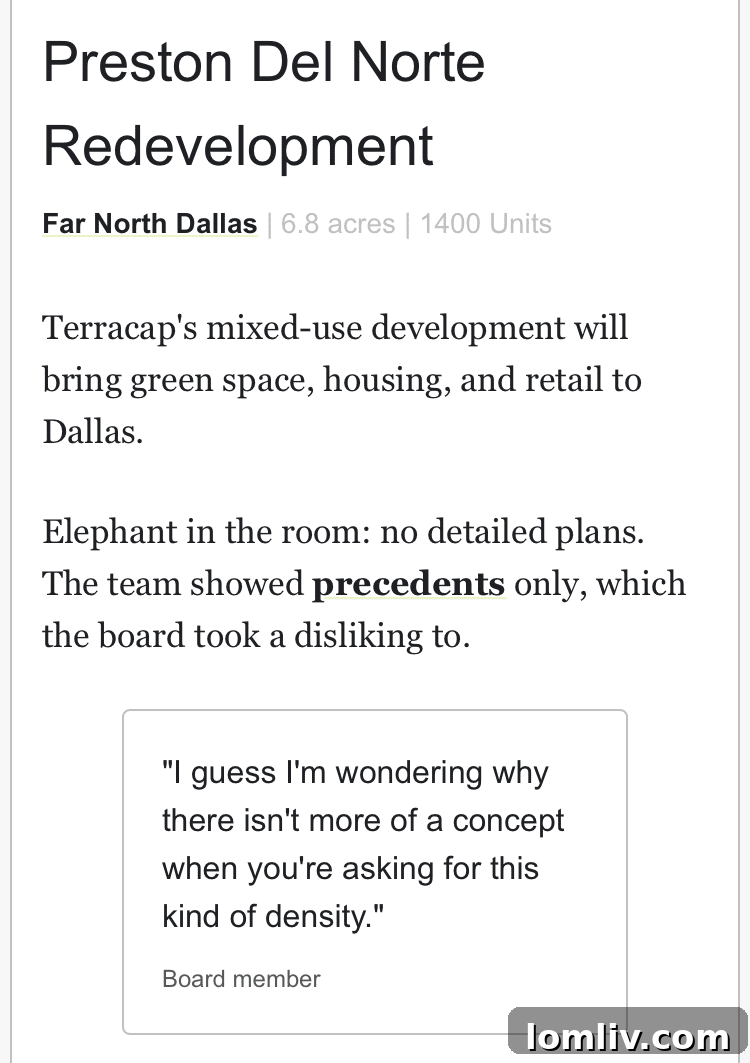
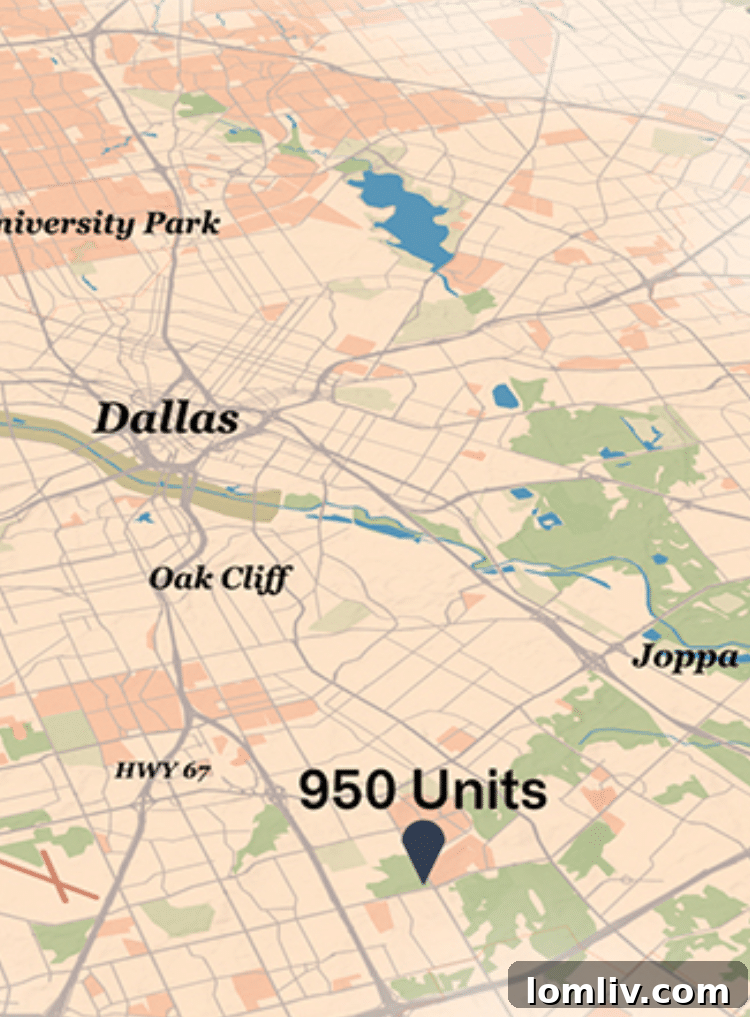
Ultraground newsletter, August 2022
Through this strategic combination of sophisticated computer software and dedicated human expertise, Conrad and his team diligently analyze countless municipal agendas, attentively monitor numerous zoning board meetings, and meticulously prepare their insightful email digests. These vital reports cater to a growing list of dynamic cities, including but not limited to Atlanta, Denver, Dallas, Fort Worth, Austin, Houston, Cincinnati, Miami, Orlando, and Graham, N.C. The highly anticipated newsletter-style emails, a cornerstone of Ultraground’s service, commenced their rollout in June, immediately providing unparalleled value to subscribers.
Conrad meticulously clarifies the depth and focus of these reports: “My team and I do not merely process every single minute of every meeting. Instead, the level of detail within our reports is strategically focused on identifying and highlighting the most significant development projects, understanding the most crucial aspects that define those projects, and, critically, presenting this information in a digestible format. Our goal is a five-minute-or-less read, providing immediate value, while always offering the option for subscribers to delve deeper into the specifics by linking directly to comprehensive staff reports and relevant documents.” This approach ensures both efficiency and thoroughness, catering to diverse informational needs.
Unlocking Value: Saving Time and Informing Strategic Decisions
For prominent figures in the real estate community, such as Dallas investor and apartment developer Barrett Linburg, Ultraground’s service has become an indispensable tool for obtaining timely and accurate information crucial for project planning and strategic decision-making. Linburg’s experience highlights the tangible benefits of the platform.
“I initially connected with Frank through Twitter,” Linburg shared, underscoring the platform’s organic growth within the industry. “As an architect himself, Frank inherently understands the profound value of having, essentially, ‘boots on the ground’ in these critical planning and zoning meetings. What Ultraground offers is incredible efficiency: you can quickly click a link, immediately access all the pertinent documents, see the specific outcome of a decision, and even understand which commissioners or council members were most influential in the discussion, complete with their key statements.” This level of detailed, contextual information is virtually impossible to gather manually for multiple projects across different jurisdictions without immense time and resource commitment.
Linburg further elaborates on the comprehensive utility of the service: “The Ultraground digest provides truly relevant information for anyone who needs to know precisely what’s receiving approval, what’s facing denial, and critically, what other developers in their market are actively pursuing.” He succinctly summarizes its strategic advantage: “It profoundly helps you figure out where the path of progress might be, offering invaluable foresight into market trends and opportunities.” This insight empowers developers to make more informed investment choices and adjust their strategies proactively.
Conrad confirms that the primary demographic benefiting from Ultraground consists predominantly of developers and investors. “They are, quite naturally, most interested in taking direct action based on the information we provide,” he states. The positive reception speaks volumes: “We’ve consistently received excellent feedback. We regularly conduct polls on each report, and we observe a remarkably high click-through rate, which validates the immediate utility of our content. Historically, accessing this level of crucial information necessitated attending these often-lengthy meetings in person. If we can deliver essential zoning news directly to you, eliminating the need for physical attendance, then we have succeeded in saving you invaluable time and resources.”
Ultraground’s operations are sustainably funded through a combination of investor capital and subscription fees. The service thoughtfully offers a complimentary first month, allowing prospective users to experience its value firsthand. Following this trial, reports are available at a competitive rate of approximately $99 per month or a discounted annual fee of $1,000. While investor guidelines prevent Conrad from disclosing specific subscriber numbers, he confidently confirms a robust and growing following, particularly within the dynamic Dallas real estate community.
The expansion into Dallas itself is a testament to Ultraground’s user-driven growth model. “Our presence in Dallas originated from a specific user request – an individual customer,” Conrad explains. “The real estate community there is particularly active and vocal on platforms like Twitter, making it a truly engaging community to observe and grow with. Once we receive an initial request for a new market, we thoroughly evaluate its potential and actively work to expand our coverage there. Since establishing our presence in Dallas, we’ve already received significant interest and requests for expansion into nearby Denton and Collin County, indicating a strong regional demand.”
Dallas vs. Other Cities: Navigating Diverse Urban Landscapes
Before being disseminated to the public, every email report undergoes a rigorous process of fact-checking and thorough review, with Conrad himself making the ultimate editorial decisions on what content merits inclusion. “My extensive background in both real estate and architecture plays a pivotal role in determining which projects are prioritized and move to the forefront of our reports. We specifically focus on a significant volume of multi-family and residential developments, as these often represent key indicators of urban growth and investment.”
Conrad highlights a distinctive aspect of Ultraground’s market entry strategy: unlike traditional real estate news outlets that typically launch in major urban centers, Ultraground adopted a more organic, demand-driven approach. “Our very first publication actually originated out of Graham, N.C.,” he reveals, underscoring the company’s commitment to serving needs wherever they arise. “We are genuinely just following the demand, allowing user interest to guide our expansion. This strategy has proven highly effective, and we are continually growing our geographic footprint.”
Covering such a diverse array of markets has afforded Conrad unique insights into the varying operational philosophies of different cities. “I often find myself wishing I were licensed in Cincinnati,” he muses, highlighting a particularly positive example. “The zoning board there operates in a remarkably constructive and developer-focused manner. When a project faces a denial, the discussion swiftly shifts towards, ‘How can we collaboratively make this an approval?’ This proactive, problem-solving approach is truly one area that has stood out as exceptionally interesting and effective.”
Beyond Cincinnati, Ultraground’s extensive monitoring reveals other fascinating market-specific trends. In Miami, for instance, self-storage facilities remain a persistently hot topic, reflecting unique urban planning challenges and demand. Meanwhile, the complex issue of short-term rentals is a ubiquitous discussion point, actively debated in virtually every market Ultraground covers, indicative of its widespread social and economic implications.
And then, there’s Houston. With a wry smile, Conrad characterizes its development environment simply: “It’s like the wild west.” This vivid description speaks to a more unfettered, perhaps less regulated, approach to urban development compared to other, more structured municipalities.
The architect expresses sincere hope that Ultraground will prove to be an indispensable and profoundly useful tool for professionals operating within the Dallas real estate industry, where the pace of new development has historically been perceived as painstakingly slow. City leaders themselves have openly acknowledged the frustrating delays and the cumbersome bureaucratic processes that plague development initiatives. In a positive move towards reform, they recently allocated significant budget funds specifically aimed at making substantial improvements in both zoning and permitting processes, signaling a commitment to streamlining what has often been a bottleneck for growth.
Conrad’s observations of Dallas’s development climate are direct: “It frequently feels like there’s an anti-growth sentiment for no discernible reason.” He articulates the core frustration shared by many developers: “You can efficiently respond to emails every single day of the week, yet it takes a staggering eight months for a zoning application to even move through the initial stages. The question that arises is, ‘Why can’t there be a more responsive process over an eight-month period? That’s nearly an entire year of potential progress lost.’” Ultraground aims to mitigate these frustrations by providing developers with the most current, concise, and actionable intelligence, enabling them to navigate these challenging landscapes with greater foresight and strategic advantage.