Sommarøy: The Norwegian Island That Challenged Time and Won Global Attention
Imagine a place where the clock holds no power, where the rhythm of life is dictated not by minutes and hours, but by natural light and personal desire. Such a concept might sound like a utopian dream or a profound philosophical exercise. Yet, for a brief, captivating moment, the remote Norwegian island of Sommarøy convinced the world it was embracing just that: becoming the planet’s first “time-free zone.” What began as an elaborate, good-humored prank quickly evolved into a global phenomenon, drawing millions of eyes to this picturesque Arctic community and sparking a fascinating discussion about our modern obsession with time.
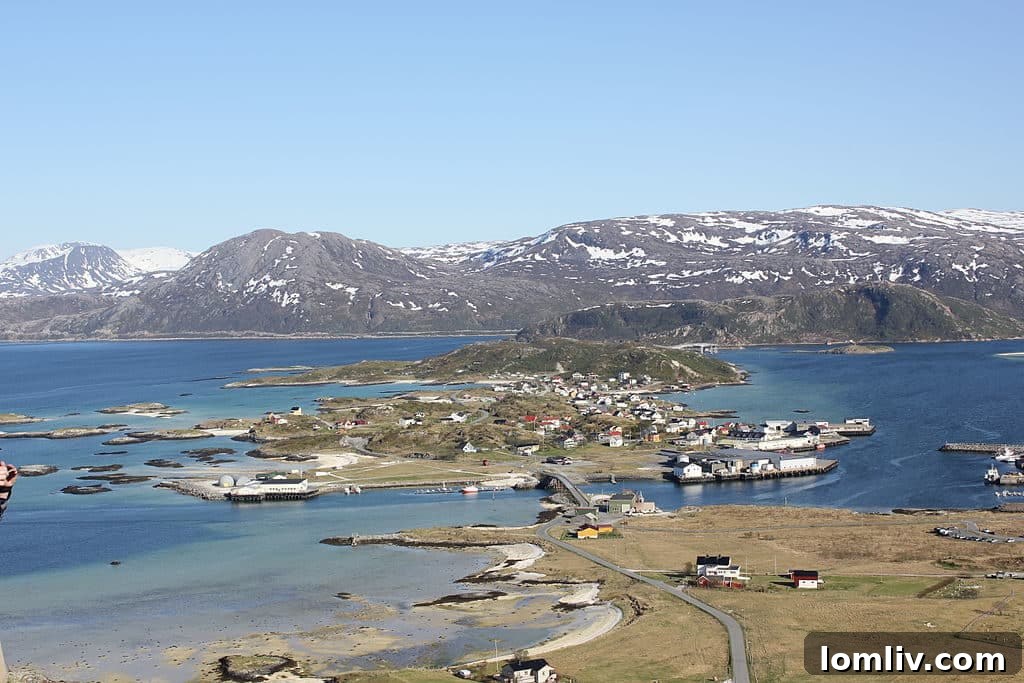
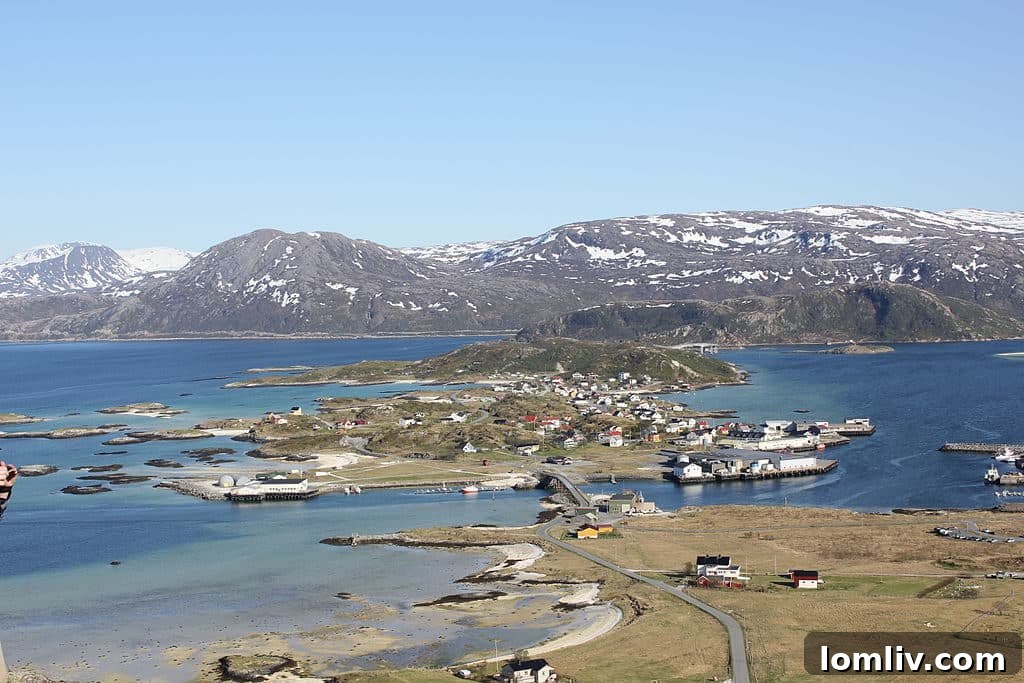
Nestled above the Arctic Circle in Norway’s northern Troms region, Sommarøy (meaning “Summer Island”) is a small, vibrant fishing community of roughly 350 residents. Its unique geographical location means it experiences extreme variations in daylight. From mid-May to late July, the sun never sets, casting a perpetual glow known as the Midnight Sun. Conversely, from November to January, the island plunges into continuous darkness, the Polar Night. These dramatic shifts naturally challenge conventional timekeeping, making the island an ideal — and perhaps the only — plausible setting for such a radical declaration.
The Audacious Proposal: Living Without the Clock
In June 2019, news broke that the residents of Sommarøy were campaigning to abolish time altogether. The islanders, frustrated by the constraints of clocks in a land where daylight can last for months on end, submitted a petition to local authorities asking for formal recognition as a time-free zone. The campaign leader, Kjell Ove Hveding, articulated their vision to the Norwegian public broadcaster NRK: “All over the world, people are characterised by stress and depression. In many cases, this can be linked to the feeling of being trapped by the clock. We will be a time-free zone where everyone can live their lives to the fullest… Our goal is to provide full flexibility, 24/7. If you want to cut the lawn at 4 am, then you can do it.“
This bold statement, emphasizing complete freedom from rigid schedules, resonated deeply with many. The idea was to liberate residents and visitors alike from the tyranny of the clock, allowing them to eat, sleep, work, and play purely based on their body’s natural rhythms and the prevailing light conditions. Whether it was painting your house at 2 AM or taking a swim at 4 AM, the campaign’s Facebook page declared, “it’s OK.” The proposal suggested that the islanders would literally turn in their watches and clocks, symbolically freeing themselves from arbitrary temporal boundaries that often feel at odds with their environment.

A World Hooked: The Media Frenzy and Philosophical Musings
The story of Sommarøy’s quest for timelessness exploded across international media. Major news outlets worldwide reported on the unusual initiative, with many initially taking it at face value. Journalists flocked to the island, seeking interviews with locals and experts to dissect the feasibility and implications of such a revolutionary concept. The sheer novelty and philosophical depth of living without time captured the global imagination, transforming the small Norwegian island into a symbol of defiance against modern temporal pressures.
One aspect that added significant weight to the story was the input from academics. Truls Egil Wyller, from the Norwegian University of Science and Technology in Trondheim, offered a compelling historical perspective. He noted that society has been rigidly ruled by the clock for only the past two centuries. Before this, “you worked mostly as long as it was necessary, you ate food when you were hungry and you lay down when you were tired. In modern society, everything we do is controlled by the pace of the clock, from the moment we get up.” This academic validation lent an air of seriousness to the stunt, making it even more believable and thought-provoking to a global, often-skeptical public. People genuinely pondered if such a change was possible or even desirable.

The Arctic Anomaly: Why Sommarøy Was the Perfect Stage
Beyond the philosophical arguments, Sommarøy’s natural environment played a crucial role in the plausibility of the “time-free zone.” During the summer months, with the sun hovering above the horizon for 69 consecutive days, traditional notions of day and night become almost meaningless. People naturally adapt to this perpetual daylight, engaging in activities at hours that would seem bizarre elsewhere. Fishing boats might head out in what would be the middle of the night, children might play outside until 1 AM, and families might enjoy barbecues long after midnight. It is a place where the sun truly never sets on summer activities, blurring the lines between typical work and leisure hours.
Conversely, the Polar Night, with its months of continuous darkness, presents its own unique challenge, necessitating a different kind of adaptation to the absence of solar cues. In such conditions, external clock-based schedules often feel artificial and detached from lived experience. The islanders’ campaign tapped into this deeply ingrained reality, suggesting a formalization of an already existing, albeit informal, temporal flexibility. This contextual authenticity made the stunt particularly effective and compelling, giving it a solid foundation in local experience.

The Unveiling of a Masterful Tourism Stunt
As the story gained traction and sparked intense debate across continents, Norwegian tourism officials eventually confirmed what some astute observers had suspected: the entire “time-free zone” initiative was, in fact, a brilliant public relations and tourism stunt. Orchestrated by Visit Norway and local tourism boards, the campaign was meticulously designed to draw international attention to Sommarøy and the wider region of Northern Norway. And it succeeded spectacularly, surpassing all expectations.
The genius of the prank lay in its perfect blend of earnestness, philosophical intrigue, and regional authenticity. The detailed petition presented by the community, the compelling quotes from residents, and the strategic engagement of academic experts all contributed to its undeniable believability. It was a sophisticated, well-executed marketing campaign that functioned like an April Fools’ Day joke arriving in June, executed with such conviction that it fooled seasoned journalists and captivated a global audience. The campaign perfectly leveraged the island’s unique characteristics to create a viral narrative that generated immense, cost-effective publicity for a region often overlooked.

Beyond the Hoax: A Deeper Reflection on Time
While ultimately a clever marketing ploy, the Sommarøy story transcended its initial purpose, prompting genuine reflection on humanity’s pervasive relationship with time. In an increasingly fast-paced, digital world, where schedules, deadlines, and notifications dictate much of our daily lives, the idea of a “time-free zone” offers a tantalizing escape. It forces us to consider the artificiality of many of our temporal constructs and the potential benefits of living more in tune with natural cycles and our own personal well-being. The stunt implicitly questioned whether we are truly masters of our time or merely slaves to the clock.
The discussion it ignited touched upon prevalent contemporary issues like work-life balance, digital detox, and the psychological impact of constant scheduling. The irony is profound: by pretending to abolish time, Sommarøy inadvertently highlighted how deeply ingrained, and at times, oppressive, our conventional time systems have become. It offered a fleeting glimpse into an alternative way of living, even if only in our collective imagination, prompting many to re-evaluate their own relationship with the relentless march of minutes and hours.

The Legacy of Sommarøy: A Blueprint for Creative Tourism
The Sommarøy time-free zone campaign stands as a compelling testament to creative marketing and the undeniable power of a compelling narrative. It demonstrated that even without massive budgets, an original idea deeply rooted in local culture and geography can capture global attention. For Northern Norway and the island of Sommarøy specifically, the stunt translated into a significant, measurable increase in tourism inquiries and visits, solidifying Sommarøy’s place on the map as more than just a beautiful island – but as a place with a story that resonates.
It also provided a valuable lesson for other destinations looking to stand out in a crowded global tourism market: sometimes, the most effective strategy is to embrace the quirky, the unique, and even the slightly absurd. By playfully challenging a universal concept like time, Sommarøy created a memorable identity that continues to intrigue travelers and inspire discussions long after the initial reveal, proving that a little bit of creative audacity can go a very long way in the world of destination marketing.

Conclusion: A Timeless Tale from a Time-Defying Island
Sommarøy, the Norwegian island that dared to imagine a world without clocks, delivered one of the most clever and widely discussed tourism stunts in recent memory. It was a delightful blend of humor, philosophy, and brilliant marketing, proving that sometimes, the most unbelievable stories are the ones that resonate the most with a global audience. While the clocks on Sommarøy still tick and the island operates within conventional time zones, it has forever etched itself into the global consciousness as a place where the spirit of freedom and defiance against convention thrives, at least in jest.
The story serves as a charming reminder that our perception of time is often a construct, deeply influenced by societal norms and our environment. And perhaps, just perhaps, there’s a little bit of Sommarøy’s “time-free” spirit that we could all benefit from incorporating into our own lives. Next time you feel rushed or constrained by the relentless march of the clock, perhaps a thought of this whimsical Norwegian island will inspire you to simply live more fully in the moment, unburdened by arbitrary schedules and embracing your own natural rhythms.

Want to read more about this fascinating Norwegian island and its clever campaign? Click here for more details.