Navigating Nature’s Mood Swings: Protecting Your Landscape from Extreme Weather
Our planet’s climate is in a constant state of flux, and the impact of these shifts is becoming increasingly evident in our daily lives. From unexpected warm spells in winter to sudden torrential downpours following long dry periods, homeowners are witnessing firsthand how dramatically weather patterns can change. This unpredictability doesn’t just affect our comfort; it poses a significant challenge to the health and longevity of our outdoor spaces, from lush gardens to essential structural elements like swimming pools. Imagine the stress your carefully cultivated landscape endures when temperatures swing by 50 degrees in a matter of hours, or when weeks of drought are broken by monsoon-like rains.
These drastic environmental fluctuations can leave plants confused and vulnerable, and can even compromise the integrity of man-made structures. Homeowners often find themselves asking: how do we protect our investments and maintain the beauty of our properties against such formidable and erratic forces of nature? To shed light on these pressing concerns and offer practical solutions, we consulted with the trusted experts at Harold Leidner Landscape Architects, renowned for their deep understanding of landscape resilience and innovative design.
The Impact of Unpredictable Weather on Plant Life
One of the most immediate questions many gardeners have is whether plants truly get “confused” by extreme temperature fluctuations and sudden deluges of rain. The simple answer is yes; plants thrive on consistency. Just as our bodies struggle to adapt to rapid changes, plants, too, experience significant stress when their natural cycles are disrupted. A sudden warm snap in the middle of winter, for instance, can prematurely break dormancy, causing plants to put out new growth that is then highly susceptible to damage or death if temperatures plummet again.

Conversely, an unseasonably cold spell can shock tender plants, leading to wilting, browning, and even root damage. When heavy rains follow a dry period, the sudden saturation can lead to waterlogged soil, depriving roots of oxygen and potentially causing rot. This “yin-yang” effect of extreme weather—swinging between very cold and very warm, or bone dry and soaking wet—can weaken plants, making them more vulnerable to pests, diseases, and overall decline. It’s a delicate balance, and nature’s recent mood swings are testing the limits of our garden flora.
Choosing Resilient Species: The Foundation of a Hardy Landscape
Given the increasing unpredictability of our climate, selecting the right plants for your landscape has become more critical than ever. Not all plants are created equal in their ability to withstand environmental extremes. Harold Leidner emphasizes this point strongly: “Absolutely. In the winter I’ll take a Pine over a Palm any day of the week!” This statement highlights a fundamental principle of resilient landscaping: prioritize cold-hardy varieties where possible, especially for the anchor plants in your design.
While the allure of exotic or delicate plants can be strong, a smart landscaping strategy in a volatile climate leans heavily on “the right plant for the right place.” This means considering your specific microclimate, soil conditions, and the historical weather patterns (and their recent deviations) when making selections. Opting for native plants or species well-adapted to your region’s typical—and extreme—conditions can significantly reduce the need for intensive care and replacement. Researching plants with a broad hardiness zone tolerance, or those known for their drought and flood resistance, can provide an invaluable buffer against climatic shocks. For areas prone to sudden freezes, incorporating robust evergreens like pines, junipers, and certain hollies can offer year-round interest and greater resilience compared to more tender, tropical selections like many palm varieties.
Safeguarding Your Hardscaping: Pools and Structural Integrity
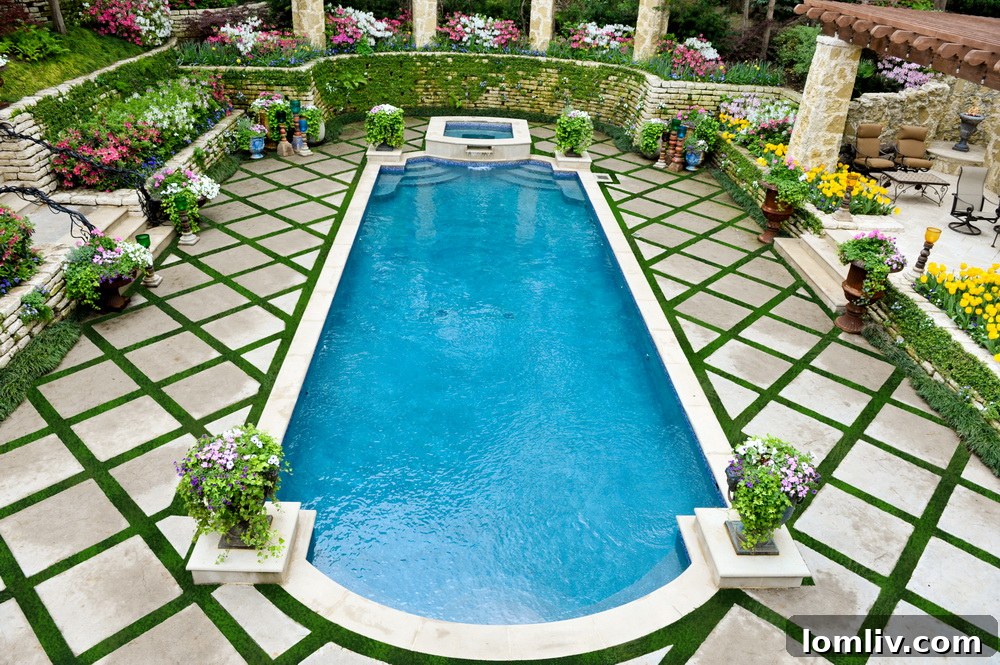
It’s not just the plants that feel the strain of extreme weather; hardscaping elements, especially swimming pools, are also highly susceptible to its effects. Just as hardwood floors can shift and groan under fluctuating humidity and temperature, the ground beneath our homes and pools is constantly reacting to moisture levels and frost cycles. When asked about the impact on swimming pools, Harold Leidner explains that ground movement can indeed be a significant concern.
Fortunately, professional landscape architects and builders employ advanced construction techniques to mitigate these risks. Leidner highlights their firm’s ability to maintain strict quality control by building to specifications that “exceed the marketplace standard.” For pools, this often translates to reinforced structures designed to withstand significant soil movement. Key elements include the use of thicker gunite beams, which provide a robust shell, and larger rebar, which offers superior internal reinforcement. In areas with highly expansive soils or significant subsurface water, installing piers beneath the pool structure can provide essential deep foundation support, anchoring the pool more securely and preventing costly cracking or shifting over time. These engineering solutions are vital for ensuring the long-term stability and safety of your aquatic oasis in the face of nature’s powerful, shifting forces.
Essential Plant Protection Strategies for Volatile Climates

Beyond selecting the right plants, proactive measures are crucial for safeguarding your landscape from sudden weather shifts. Harold Leidner offers invaluable advice for protecting sensitive plants: “Use cold hardy plants where possible. If you must use sensitive plants, use sparingly and always have extra freeze cloth on hand to cover when the weather comes through.” Freeze cloth acts like a miniature greenhouse, trapping ground heat and insulating the plant from harsh cold. However, proper application is key. Ensure the cloth is securely fastened, extending to the ground and preferably anchored to prevent wind from entering underneath. A breach in the barrier can negate its protective effects, leading to battle lost against the elements.
In addition to freeze cloth, consider these supplementary protection tips:
- Mulching: A thick layer of organic mulch around the base of plants helps insulate roots, moderating soil temperatures and retaining moisture. This is especially beneficial for both cold protection in winter and heat stress reduction in summer.
- Strategic Placement: When planting, consider microclimates within your yard. South-facing walls or areas sheltered by buildings offer more warmth, while north-facing or exposed areas might require hardier species.
- Anti-Desiccants: For broadleaf evergreens susceptible to winter burn, an application of anti-desiccant spray can reduce moisture loss from leaves during cold, windy periods.
- Temporary Shelters: For very precious or small sensitive plants, constructing temporary shelters with stakes and burlap or plastic sheeting can offer superior protection during severe events.
The Lifeline of Your Landscape: Mastering Irrigation
When the sky isn’t pouring water, the importance of artificial irrigation skyrockets, especially during extreme weather. Harold Leidner emphatically states, “EXTREMELY. Adequate soil moisture is critical any time of year but especially winter. Dry root balls + hard freezes = Failure.” This formula underscores a common misconception: that plants don’t need much water in winter. In reality, dormant plants still require moisture to survive, and dry soil freezes more deeply and quickly than moist soil, leading to fatal root damage.
Proper watering ensures that plant roots have the hydration they need to withstand temperature extremes, metabolize nutrients, and maintain overall health. During dry spells, whether hot or cold, consistent deep watering encourages stronger root systems that are better equipped to seek out water and tolerate stress. Conversely, during periods of heavy rain, ensuring good drainage is equally vital to prevent root rot. This dual challenge highlights the need for a well-maintained and smartly managed irrigation system.
Maintaining Your Irrigation System: A Non-Negotiable Task
To prevent landscape damage and ensure your plants receive the precise amount of water they need, Leidner stresses the importance of regular irrigation system checks. “Have your irrigation system checked regularly, at least once a month, to make sure everything is working properly. That water is crucial.” A malfunctioning system, whether due to clogged emitters, broken sprinkler heads, or leaks, can lead to both underwatering in some areas and overwatering in others, wasting precious resources and jeopardizing plant health. Professional inspections can identify issues before they become major problems, optimizing water distribution and efficiency.

Consider upgrading to smart irrigation controllers that use local weather data to adjust watering schedules automatically, ensuring your landscape gets exactly what it needs, when it needs it, without waste. Drip irrigation systems are also highly efficient, delivering water directly to the root zone and minimizing evaporation.
Proactive Measures for a Thriving Outdoor Space
Beyond specific plant and pool protection, a holistic approach to landscape health can provide long-term resilience against extreme weather. Investing in healthy soil, rich in organic matter, improves drainage during wet periods and retains moisture during dry spells. Proper grading and drainage solutions are essential to prevent water accumulation that can harm plants and erode foundations. Regular pruning helps maintain plant vigor, removing weak or diseased branches that are more susceptible to damage from wind or ice.
Ultimately, navigating the challenges of extreme and unpredictable weather patterns requires vigilance, informed choices, and sometimes, the guidance of experts. By understanding how environmental shifts affect our outdoor spaces and implementing proactive strategies—from intelligent plant selection and robust construction to diligent maintenance and smart watering—we can create landscapes that not only survive but truly thrive, even when nature decides to pull its great switcheroo.