Frisco and McKinney Dominate National Rankings for New Apartment Construction
The rapidly expanding North Texas metropolitan area continues to solidify its reputation as a magnet for growth, particularly in the housing sector. A recent comprehensive report by RentCafé has placed Frisco and McKinney, two prominent cities in the region, at the very top of a national list, ranking them as the No. 1 and No. 2 suburbs respectively, for the highest number of new apartment units delivered over the past five years. This significant achievement underscores a robust and dynamic rental market that is reshaping urban and suburban landscapes across the Lone Star State.
Between 2016 and 2020, Frisco experienced an impressive surge in its residential offerings, adding a staggering 8,044 apartment units distributed across 25 new buildings. Hot on its heels, McKinney also demonstrated substantial development, contributing 4,843 new units spread across 19 buildings within the same five-year timeframe. These figures highlight not just growth, but a strategic and sustained investment in multi-family housing designed to meet the escalating demand from new residents flocking to these desirable suburban locales.
North Texas Dominates National Apartment Construction Rankings
The influence of North Texas on the national rental market is undeniable, extending far beyond Frisco and McKinney. The region emphatically dominated the upper echelons of RentCafé’s top-20 list, with several other local suburbs making significant contributions to the nationwide apartment boom. Farmers Branch secured the fifth position with 3,788 new units, followed closely by Grand Prairie at seventh with 3,308 units, and Garland rounding out the top nine with an additional 2,865 apartment units. This widespread development across multiple North Texas cities signals a regional trend rather than isolated incidents, emphasizing the area’s collective appeal.
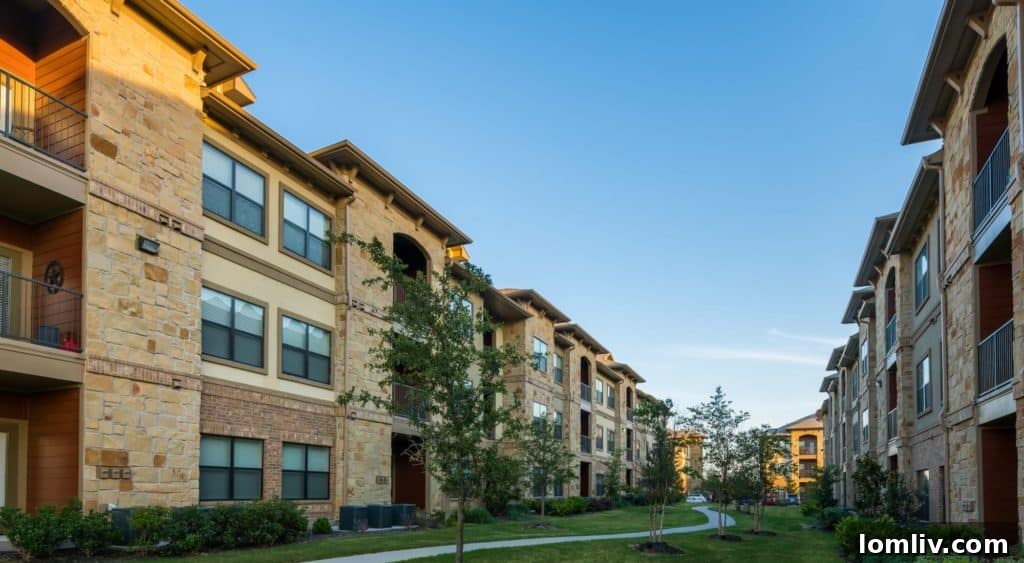
A key observation from the RentCafé report noted that the most prevalent type of rental developments in these burgeoning suburbs were garden-style apartment complexes. These complexes, often characterized by their low-rise construction, ample green spaces, and community amenities, offer an attractive blend of suburban tranquility and modern conveniences. They cater perfectly to families, young professionals, and empty nesters alike, seeking a lifestyle that balances accessibility to urban centers with a more relaxed residential environment.
Beyond North Texas, the state of Texas as a whole proved to be a powerhouse in apartment construction. Other Texas suburbs such as Spring (sixth), Katy (12th), and Georgetown (15th) also earned a spot on the prestigious list, further cementing the state’s reputation as a leader in accommodating significant population growth through innovative housing solutions. This widespread development across different metropolitan areas within Texas underscores the state’s economic vitality and its ability to attract and retain a diverse population seeking new opportunities.
Understanding the Methodology: RentCafé’s Comprehensive Market Analysis
To compile its insightful report, RentCafé meticulously analyzed data from Yardi Matrix, a leading provider of commercial real estate intelligence. The focus was on large-scale multifamily properties comprising 50 units or more, allowing for an accurate representation of significant development trends rather than smaller, isolated projects. By concentrating on developments initiated since 2016, the study effectively captured the most recent and impactful growth spurts in suburban areas across the United States. RentCafé, itself a widely recognized nationwide apartment search website, brings a unique perspective to this analysis, having deep insights into tenant preferences and market dynamics.
The methodology employed ensures that the findings reflect substantive changes in the housing landscape, identifying areas undergoing genuine transformation due to sustained construction activity. This comprehensive approach allows for a clearer understanding of the forces shaping the modern rental market and highlights the strategic importance of suburban areas in meeting the nation’s evolving housing needs. The prevalence of Texas cities in the rankings speaks volumes about the state’s economic policies, population influx, and the responsiveness of its real estate development sector.
The North Texas Boom: Key Drivers Behind Unprecedented Rental Growth
The remarkable impact of so many North Texas suburbs on RentCafé’s study begs a crucial question: What specific factors are fueling this unprecedented boom in apartment construction? According to Sanziana Bona, a distinguished research analyst at RentCafé, a significant contributor is the persistent lack of single-family housing supply in the region. This imbalance between demand and availability has naturally steered many prospective homeowners toward the rental market, making it an increasingly popular and often more affordable housing choice, especially for those entering the region or facing rising homeownership costs.
This shift in housing preferences and market dynamics has, in turn, directly spurred an explosion in apartment construction, not only within established urban centers but, more notably, across suburban areas. Bona further elaborates that “the most sought-after places are the so-called fringe areas, at the intersection of urban and suburban zones.” These hybrid locations offer the best of both worlds: convenient proximity to major employment hubs, cultural attractions, and entertainment options found in cities, coupled with the spaciousness, community feel, and typically lower cost of living associated with suburban environments. This unique appeal makes them prime targets for developers and highly attractive to residents seeking an optimal lifestyle balance.
Collin County: An Epicenter of Population and Economic Expansion
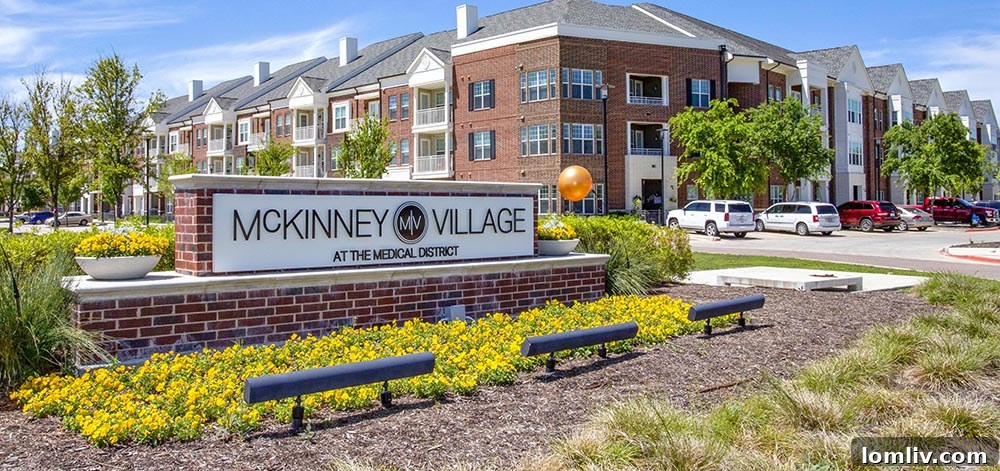
Drilling down into the specifics, Collin County, which proudly encompasses both Frisco and McKinney, possesses a unique cocktail of ingredients that have fostered such explosive growth. Beyond the broader North Texas trends, these cities have exhibited individual strengths contributing to their top rankings. In 2020, Frisco notably surpassed all other large U.S. cities in terms of population growth over the preceding decade, marking it as a truly exceptional growth engine. McKinney was not far behind, securing the fourth position in the same prestigious ranking, according to a comprehensive study by the U.S. Census Bureau. This consistent and rapid influx of residents creates an inherent and sustained demand for diverse housing options, with rental apartments serving as a crucial component of this expanding ecosystem.
The reasons behind this population surge are multifaceted. Both Frisco and McKinney boast excellent school districts, thriving job markets, and a high quality of life, including abundant recreational facilities, diverse dining options, and family-friendly amenities. These factors collectively make them incredibly attractive destinations for individuals and families relocating for career opportunities or seeking a better environment. The development of new apartment communities is a direct response to this demographic shift, providing essential infrastructure to support a burgeoning population and ensuring that the demand for housing, particularly flexible rental options, can be adequately met.
Shifting Housing Preferences: Renters Gaining Ground in North Texas
Further reinforcing the narrative of a dynamic rental landscape, another RentCafé study released in November shed light on a significant demographic shift: Frisco and Plano led the entire nation in the increase in the percentage of renters versus homeowners over the past decade. This suggests a profound evolution in how residents in these cities choose to live, moving away from traditional homeownership towards the flexibility and convenience offered by renting. McKinney, maintaining its strong presence, also ranked impressively at eighth in this study, confirming a regional trend towards rental-centric living.
This shift is indicative of broader economic and lifestyle changes. Younger generations often prioritize mobility and freedom from the responsibilities of home maintenance. Furthermore, escalating home prices, particularly in highly desirable areas like North Texas, can make homeownership financially challenging for many, pushing them towards equally attractive, albeit rented, properties. The growth of high-quality, amenity-rich apartment communities caters perfectly to this evolving preference, offering luxurious living without the long-term commitment of a mortgage.
Texas: The Epicenter of Suburban Apartment Development
The RentCafé report succinctly summarized the broader trend, stating, “Regions that have grown significantly in population in recent years are seeing a boom in apartment development, and the Southern United States clearly dominates the map.” This observation positions the South as the new frontier for housing growth, driven by economic expansion and internal migration. Within this thriving Southern landscape, “Suburban Texas is a great example, claiming more than a third of the national list.” This powerful statement underscores Texas’s pivotal role in shaping the nation’s future housing supply, with its suburbs acting as key drivers of innovation and growth in the rental market.
The sustained appeal of Texas, with its robust economy, lower cost of living compared to coastal metropolises, and business-friendly environment, continues to draw businesses and residents alike. This influx necessitates a continuous expansion of housing options, and apartment communities have proven to be the most agile and efficient solution. The dominance of Texas suburbs in new apartment construction is not merely a statistical anomaly but a reflection of deep-seated demographic and economic forces at play, pointing towards a future where suburban rental living becomes an even more prominent feature of the American housing landscape.
Conclusion: North Texas Forges Ahead in the Rental Revolution
The latest RentCafé reports paint a clear picture of an unstoppable rental revolution spearheaded by North Texas. Frisco and McKinney’s top rankings in new apartment construction are not isolated successes but rather manifestations of a broader regional phenomenon driven by rapid population growth, a tight single-family housing market, and the growing allure of dynamic “fringe areas.” As more residents prioritize flexible living arrangements and access to modern amenities, the demand for high-quality rental properties in these thriving suburbs is set to continue its upward trajectory.
With other North Texas cities and various suburbs across the state also making significant contributions to the national apartment supply, Texas firmly establishes itself as the national leader in accommodating urban expansion through robust multi-family development. The shift from homeownership to renting, particularly in fast-growing regions, signals a new era in housing preferences. For developers, residents, and local economies, the continued growth of Frisco, McKinney, and their neighbors in the North Texas corridor represents a vibrant and promising future for suburban rental living.