Embracing the Nuances: Why We Must Bridge the Urban-Suburban Divide
In the ongoing discourse about urban development and lifestyle choices, a thoughtful perspective often emerges, challenging the prevailing narratives. Recently, Jacquielynn Floyd, a resident of a peaceful Denton County suburb, offered a refreshing take in the Dallas Morning News. Her column resonated deeply, particularly in the wake of significant urban-focused events like the New Cities Summit and the U.S. Conference of Mayors. These gatherings, while crucial for advancing “New Urbanism” ideals, inadvertently fostered a perception of disdain towards suburban dwellers – a phenomenon akin to the dismissive “you live north of LBJ? I am so sorry” attitude.
Floyd’s central argument is compelling: while we should certainly welcome and promote new urbanist principles for sustainable city growth, it is equally vital not to demonize the suburbs and the millions who call them home. Such broad generalizations not only oversimplify complex issues but also overlook the diverse realities and valuable contributions of suburban communities.
As a spirit of “new urbanism” is making serious inroads in Dallas, its satellite communities are fielding the blame for a host of woes: not just freeways and sprawl but such elemental human failings as greed, bigotry and mindless consumerism.
This sentiment strikes a chord because it highlights an uncomfortable truth: the enthusiasm for urban renewal often comes at the expense of unfairly blaming suburban areas for societal ills. The narrative frequently paints suburbs as landscapes of uniform houses, endless commutes, and cultural vacuums. However, this perspective fails to acknowledge the multifaceted reasons behind suburban living and the vibrant communities that thrive within them.
The Unspoken Realities: Affordability and Lifestyle Choices
One of the most significant, yet often unacknowledged, factors influencing residential choices is sheer affordability. It’s an ironic truth that many journalists, often the very ones crafting glowing accounts of burgeoning urban centers, reside outside the city limits in suburban enclaves. Why? The answer is simple: economics and family considerations. In many metropolitan areas, including Dallas, the cost of living in desirable urban neighborhoods, especially for families seeking larger homes and excellent public schools, can be prohibitive.
Suburbs frequently offer a more financially accessible path to homeownership, providing greater square footage, larger yards, and access to highly-rated public school districts – all for a significantly lower price point. While urban living offers convenience and cultural immersion, it often comes with trade-offs in space, privacy, and financial strain for many middle-class families. This economic reality means that for countless individuals and families, the suburbs are not just a choice, but a practical necessity, enabling them to achieve homeownership and provide a desired lifestyle for their children.
A Tangible Comparison: Urban vs. Suburban Home Value
To illustrate this point, consider a budget of $300,000, a common benchmark for many homebuyers. The disparity in what this amount can procure within an urban core versus a suburban fringe is often stark.
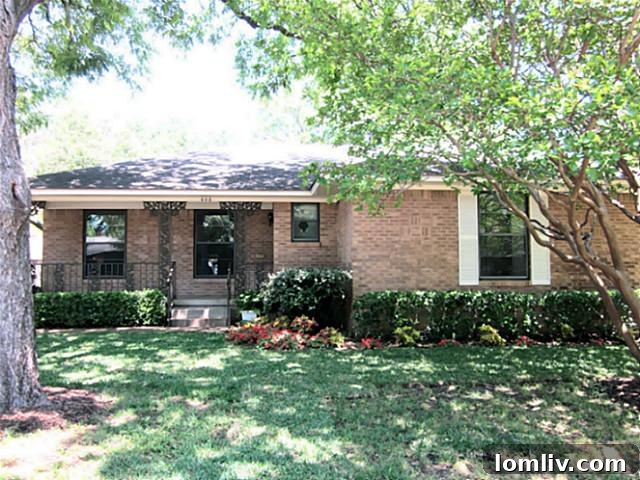
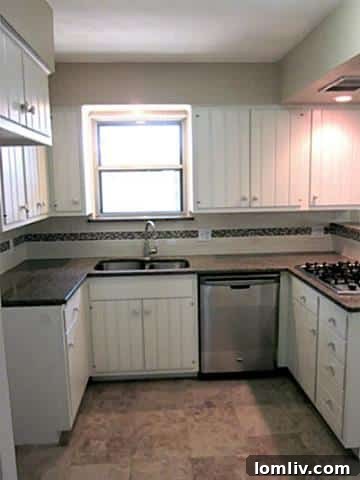
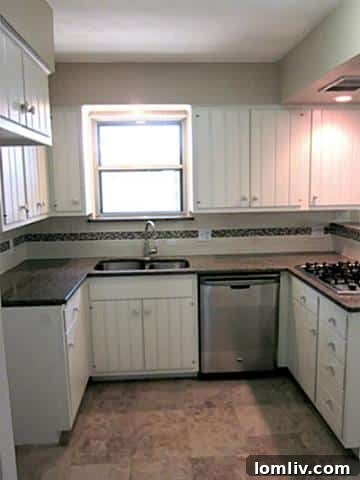
In a well-established Dallas neighborhood, for instance, $300,000 might afford a modest home of approximately 1,500 to 1,600 square feet. Take for example, a property in the Hexter Elementary attendance zone, a desirable area in Lake Highlands. You might find a charming 2-bedroom, 2-bath home with a thoughtfully updated floor plan. Imagine refinished hardwood floors, a granite kitchen complete with stainless steel appliances and a convenient lazy Susan, and refreshed baths with new paint and light fixtures. This home, perhaps around 608 Hambrick, offers a great backyard, garage space, and a sprinkler system, located just a mile from the lake and two blocks from the exemplary Hexter Elementary. It represents the quintessential urban gem – updated, move-in ready, and in a fantastic location, but compact.
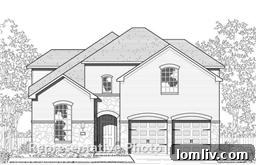
Now, compare this to what $300,000 can buy in a growing suburban community like Melissa. A home like 2312 Patriot Drive, built by a reputable builder such as Highland Homes, scheduled for completion in August, offers a striking difference. For the same budget, you could acquire nearly 2,500 square feet – almost 1,000 square feet more than its urban counterpart. This typically translates into a spacious 4-bedroom, 2.5-bath residence featuring multiple living areas such as a family room, a dedicated study, and a game room. Additional amenities might include a convenient planning desk, an extended master suite with an upgraded bath, an extended outdoor living area, and elegant wood floors throughout the entry, kitchen-nook, and family room. The sheer volume of space and features for the equivalent investment in the suburbs presents a compelling argument for many families prioritizing room to grow.
A Personal Journey: Navigating Housing Choices
The decision-making process between urban and suburban living is not a new dilemma. Many years ago, when my husband was an intern and I was a young reporter, we faced similar choices with extremely limited resources. At the time, numerous interns and residents were flocking to newly developed areas like Trinity Mills Road in Carrollton, purchasing brand-new Fox and Jacobs homes. The allure of choosing our own colors and moving into a clean, repair-free house was immensely tempting. Having just transitioned from a cramped and expensive New York City apartment, the prospect of a Cedar Springs apartment with a cultured vanity countertop felt like pure luxury. Homeownership, however, remained a daunting concept.
While these suburban homes offered significant value, they came with a considerable trade-off: a 40-minute commute for both of us. The memory of a resident at Parkland Hospital falling asleep at the wheel on their way home – a stark reminder of the grueling hours doctors endured before the “wimp-ization of residents” (the modern term for limits on work hours) – weighed heavily on our minds.
The alternative, an equally priced home within Dallas, was often a dilapidated fixer-upper requiring substantial financial investment for repairs – funds we simply didn’t possess. Yet, its proximity to work, a mere 10-minute drive, was an undeniable advantage. Ultimately, we chose to invest inside the LBJ loop, a decision that cemented our residency there ever since. My aversion to wasted commuting hours has only deepened over time, further solidifying my preference for home offices and minimizing travel. This personal experience underscores the complex balance between affordability, lifestyle, and work-life integration that many individuals and families continue to grapple with.
Beyond Stereotypes: The Vibrant Life of Suburbs
Jacquielynn Floyd is also correct in highlighting the immense dynamism and vibrancy present within suburban communities. Far from being monolithic bedroom communities, many suburbs have evolved into thriving centers with their own robust economies, offering diverse job opportunities, micro-arts venues, and a rich tapestry of cultural experiences. A significant part of this richness is often fueled by immigrant populations who, seeking affordable housing and superior public schools, establish businesses that contribute immensely to the local economy and cultural landscape.
Unlike older cities such as Chicago, where historical immigration patterns led to concentrated ethnic enclaves (e.g., Italians around Cicero Ave, Greeks, Poles, Germans in distinct neighborhoods, driven by the comfort of living among compatriots from the “old country”), Dallas developed differently. For many immigrants settling in the Dallas-Fort Worth metroplex, the journey led them north of the immediate city center, drawn by the twin magnets of more attainable housing prices and access to excellent public school systems. This has resulted in a fascinating dispersion of cultural influence, with suburban areas becoming hubs for some of the region’s best ethnic restaurants and specialty stores, offering authentic culinary experiences and unique products that enrich the entire metroplex.
Urban Infill and the Path to Balanced Growth
While suburbs continue to flourish, the urban core of Dallas is also experiencing significant revitalization, with a strong trend of infill development and gentrification. Young professionals and families are increasingly investing in older, dilapidated homes in areas like East Dallas, transforming them into vibrant, modern residences. This momentum is commendable and contributes to a denser, more pedestrian-friendly urban environment.
However, the path to balanced growth is not without its challenges. The decision to place a large-scale retail entity like a Sam’s Club on Central, amidst a burgeoning gentrification trend, can be seen as counterintuitive to fostering genuine urbanism. Such developments often conflict with the organic, community-led growth that defines successful urban revitalization. In contrast, areas like the Bishop Arts District exemplify the positive trajectory of urban renewal. My recent visits to Bishop Arts reveal an area bustling with activity, packed with young people and Baby Boomers alike, drawn to its unique independent shops, diverse eateries, and vibrant cultural scene. This demonstrates the power of nurturing local businesses and creating pedestrian-friendly environments over simply transplanting big-box retail.
The Enduring Value of Suburban Education
Another often-overlooked aspect of suburban excellence is the quality of its public education system. We are consistently seeing the remarkable products of these suburban schools – brilliant young individuals emerging from districts like Richardson and Plano. These graduates often attend top-tier colleges and universities, subsequently assuming significant leadership roles across various industries. They demonstrate intellectual prowess and professional capabilities that give graduates from even the most prestigious Dallas private schools a formidable challenge. This success underscores the fact that access to quality education is not exclusive to urban private institutions and reinforces the suburbs’ role in nurturing future generations of leaders and innovators.
The Future of Mobility and Diverse Lifestyles
The ideal of living downtown, walking to work, or enjoying immediate access to cultural venues is undoubtedly attractive, especially for those whose work is centrally located or individuals with the financial freedom to choose any residence they desire. However, for a vast segment of the population, daily life involves navigating the sprawling landscape of the metroplex. Many professionals, such as salespeople, commute extensively, with their vehicles often functioning as mobile offices.
While cars are increasingly seen as an environmental and health concern – “the next cigarette” – they remain an indispensable tool for connectivity in cities like Dallas where public transportation infrastructure is still evolving. Until our public transit systems can truly accommodate the diverse commuting needs of a vast metropolitan area, cars will remain a fundamental part of daily life. Innovations like self-driving cars, envisioned by tech hubs like Silicon Valley, offer a glimpse into a future with potentially safer and more fuel-efficient transportation. Even new luxury urban developments like Harwood’s Bleu Ciel condos recognize this reality, offering substantial parking solutions, such as two spaces for every two-bedroom unit, reflecting a pragmatic approach to urban living in a car-centric region.
Rethinking Suburbia: Towards Sustainable and Inclusive Communities
Dense urban living undeniably offers significant environmental benefits – minimizing land use, reducing sprawl, and optimizing resource consumption – all of which are crucial for the health of our planet. However, it’s equally important to acknowledge that not everyone desires, or is psychologically suited for, extremely dense living environments. The need for personal space, access to green areas, and a certain degree of tranquility are fundamental human desires that cannot be dismissed.
This reality prompts a crucial question: how can we restructure suburban living to be more sustainable and adaptable? Instead of universally mandating vast, water-intensive St. Augustine lawns, perhaps we can encourage alternatives like drought-resistant buffalo grass, turf, or even xeriscaping with gravel and native plants. Given Dallas’ historical evolution as a collection of depots and subsequently satellite communities, as Jacquielynn Floyd aptly notes, these “satellites” are not mere extensions of the city. Many have grown into full-blown, fast-growing cities themselves, complete with independent employment centers, robust infrastructure, and distinct identities.
The term “suburb” itself needs re-evaluation, as many of these communities are vibrant urban centers in their own right, increasingly adopting transit-oriented developments around DART stations. This evolution signifies a blurring of traditional urban-suburban lines, creating a more integrated and diverse metroplex. Ultimately, fostering a holistic understanding that celebrates the unique strengths and contributions of both urban and suburban environments, complete with their really great ethnic restaurants, is key to building a truly prosperous and inclusive region.