Navigating the Dallas-Fort Worth Real Estate Market: A Hyper-Local Perspective on Price Trends
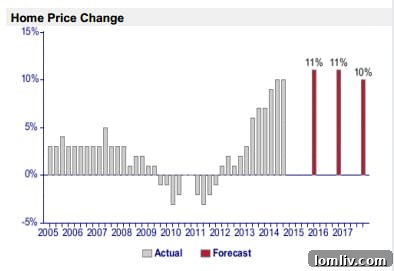
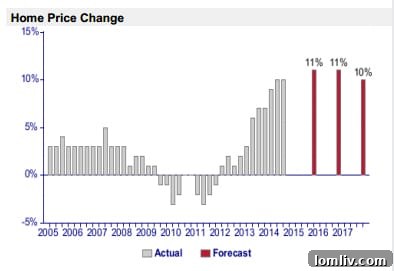
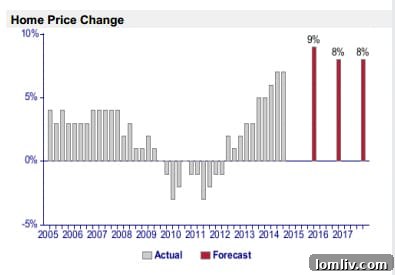
The Dallas-Fort Worth (DFW) metropolitan area has long been a beacon of economic vitality and growth, consistently attracting new residents and businesses. Recent reports from economists and real estate analysts have underscored this trend, with significant gains posted in previous years and robust home price growth projected for the North Texas metro areas. Initial forecasts indicated an impressive 9 to 11 percent increase in home values. However, as the market matures and buyer preferences evolve, a closer examination reveals that while the overall news is overwhelmingly positive, understanding the nuances of home prices requires a much greater local perspective. The DFW region, encompassing sprawling metropolitan statistical areas (MSAs) such as Dallas-Plano-Irving and Fort Worth-Arlington, is incredibly vast and diverse, making broad generalizations less insightful than hyper-local analysis.
While esteemed organizations like Local Market Monitor and CoreLogic offer encouraging reviews of the Dallas area and the Texas real estate landscape as a whole, prospective buyers, sellers, and investors need more granular data. A deeper dive into specific neighborhoods and sub-markets provides a clearer picture of actual home prices, true home values, and where an investment property is most likely to appraise favorably. This is crucial because, in real estate, the adage holds true: it’s not just local, it’s hyper-local. Understanding the distinct dynamics of each community within the DFW mega-region is paramount for making informed decisions.
Understanding Broad Trends: Texas and DFW’s Resilient Market
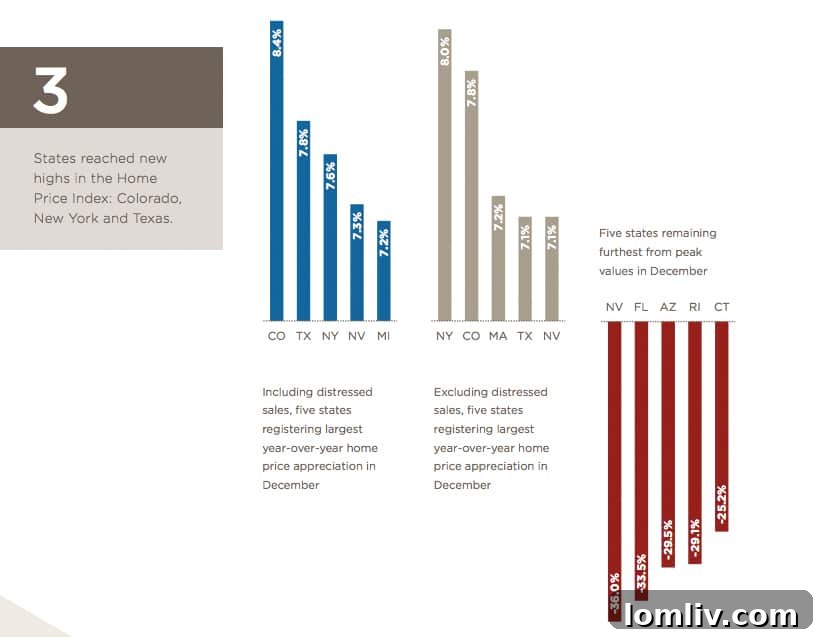
The overall health of the Texas housing market has shown remarkable resilience. According to Sam Khater, CEO of CoreLogic, the full year of 2014 saw home prices increase by 7.4 percent, a slight moderation from the impressive 11 percent surge recorded in 2013. Nationally, home price growth has stabilized, averaging around 5 percent in the latter part of that year. This moderation was evident at the state level, with leading states like Colorado, Texas, and New York concluding the year with appreciation rates nearing 8 percent. This contrasts sharply with the double-digit increases observed in earlier periods, particularly in markets such as Nevada and California, which experienced over 20 percent growth in early 2014. Texas’s consistent, albeit moderating, growth signifies a healthy and sustainable market, avoiding the boom-and-bust cycles seen elsewhere.
However, while the big picture of Texas indicates a stable increase in home prices, it’s vital to consider external economic factors. The state’s energy-based economy, for instance, is susceptible to fluctuations in oil prices and potential job cuts within the sector. Such shifts can have ripple effects, particularly in areas heavily reliant on the oil and gas industry. Moreover, market dynamics vary significantly across price points. Homes priced below $500,000 continue to move at a much faster pace, driven by strong demand from first-time homebuyers and those seeking affordability. In contrast, the luxury market, particularly homes priced at $1 million and above, currently experiences a softer demand. Despite the prevailing sentiment of a seller’s market, many buyers are increasingly seeking move-in ready properties that offer exceptional value, making careful pricing and presentation crucial for sellers.
Furthermore, the impact of evolving mortgage regulations cannot be overstated. These regulations have significantly influenced the market by tightening lending standards and emphasizing the importance of accurate home appraisals. For a transaction to successfully close, the home’s appraised value must align with the agreed-upon sales price, making diligent valuation more critical than ever.
Regional Variances: Lessons from Houston and the DFW Micro-Markets
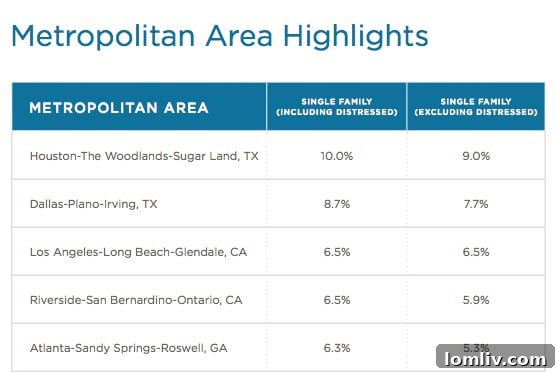
Consider the cautionary tale of Houston, a city that enjoyed phenomenal growth in 2014 but faced potential headwinds in subsequent years due to tumbling oil prices. Early reports indicated a softening in Houston’s once white-hot luxury market, demonstrating how even robust growth can be tempered by economic shifts. According to CoreLogic, the Houston-The Woodlands-Sugar Land area—a truly colossal MSA—registered a remarkable 9 percent price growth (excluding distressed sales) in 2014. The Dallas-Plano-Irving MSA was not far behind, showing a strong 7.7 percent increase. However, Anand Nallathambi of CoreLogic projected a slower, though still positive, home price growth for 2015, highlighting a broader trend of moderation even in booming markets.
These trends underscore the importance of looking beyond the broad MSA figures. Within the Dallas-Plano-Irving and Fort Worth-Arlington MSAs, numerous distinct communities and neighborhoods exhibit unique market characteristics. For instance, high-growth tech corridors in Plano might see different appreciation rates and demand drivers compared to established, historic neighborhoods in Dallas. Similarly, suburban expansion in Arlington may attract a different buyer demographic than the urban core of Fort Worth. Factors such as school districts, local amenities, commute times, and specific housing stock contribute to these hyper-local variations, making a blanket assessment insufficient for anyone serious about real estate in DFW.
Expert Insights: Frank Obringer’s Optimistic Outlook and Market Challenges
To gain a deeper understanding of the DFW market’s pulse, we turned to Frank Obringer, President of Coldwell Banker’s Dallas-Fort Worth operations. His outlook for the market remains decidedly optimistic. “I’m still very encouraged,” he stated, adding, “Housing still very much speaks for itself.” Obringer’s confidence stems from DFW’s strong economic fundamentals, continued job growth, and an influx of new residents, which collectively fuel housing demand.
Urban Sprawl and Inventory Expansion
Despite occasional criticisms, urban sprawl continues to be a defining characteristic of DFW’s growth. Builders are actively acquiring raw land on the periphery of the metropolitan areas, leading to the construction of new communities and an increase in housing inventory. This expansion is essential for accommodating the region’s rapidly growing population and helps to alleviate some of the demand pressures in existing areas. However, this growth also brings its own set of considerations, including infrastructure development and maintaining quality of life.
Addressing Market Transparency: Shadow Inventory and Hip-Pocket Sales
While new construction adds to the inventory, concerns have been raised regarding “shadow inventory.” This refers to homes owned by investors that are currently not occupied or listed on the market. The potential influx of these properties could, in theory, impact prices if they were suddenly released onto the market. Obringer acknowledged this potential impact, stating, “I do think that there could be a negative impact regarding [shadow inventory].”
However, his greater concern lies with “hip-pocket sales,” also known as off-market listings. These are properties sold without being publicly listed on the Multiple Listing Service (MLS). While some sellers prefer this for privacy, Obringer emphasized the disadvantages for sellers. “We have been very clear to our company, to our agents,” he explained. “We believe that it’s in the seller’s best interest to reach the most buyers and to get the most offers on a property.” Listing on the MLS ensures maximum exposure, competitive bidding, and ultimately, often a higher sales price and better terms for the seller. These off-market transactions also skew market statistics, preventing a truly complete picture of market activity and pricing trends.
Strength in Luxury and International Investment
Obringer remains optimistic about the luxury market segment, particularly given the increasing interest from international buyers. Coldwell Banker’s luxury brand, Previews, has observed an uptick in demand for high-end properties, signaling a growing confidence in DFW’s top-tier real estate. This influx of global capital further diversifies the buyer pool and adds another layer of resilience to the market. Looking ahead, Obringer’s overarching sentiment is one of continuous improvement: “We anticipate a better year, which was better than the previous year, which was better than the year before that,” reflecting a sustained upward trajectory for the DFW real estate market.
Navigating the DFW Market: A Forward Look
The Dallas-Fort Worth real estate market is a dynamic and complex ecosystem, characterized by strong fundamentals, consistent growth, and evolving challenges. While the overall outlook remains positive, driven by robust job creation, population influx, and a diversified economy, successful navigation requires a detailed, hyper-local approach. For buyers, this means meticulously researching specific neighborhoods, understanding local amenities, and considering future development plans. For sellers, it involves strategic pricing, impeccable presentation, and leveraging broad market exposure through the MLS to attract the widest pool of qualified buyers.
The DFW region continues to solidify its position as one of the nation’s premier real estate markets. However, its immense scale demands that stakeholders look beyond aggregate statistics and delve into the unique characteristics of each community. Factors like economic diversification, controlled urban sprawl, the influence of regulatory changes, and the ongoing interplay between various market segments—from entry-level to ultra-luxury—will continue to shape its trajectory. By embracing a hyper-local perspective and staying informed about these multifaceted influences, participants in the DFW real estate market can make more strategic decisions and capitalize on the significant opportunities this vibrant region offers.
The robust underlying economic health of Dallas and Fort Worth, coupled with a proactive approach to understanding localized trends, positions the region for sustained growth in the years to come. The question is not if the market will grow, but how effectively we can pinpoint and leverage the opportunities within its diverse landscape.