North Texas Office Market Thrives Amidst Economic Boom: A Deep Dive into DFW’s Commercial Real Estate Landscape
The economic landscape of North Texas has long been a beacon of prosperity and growth, attracting businesses and residents alike with its vibrant job market and appealing quality of life. As of late 2014 and early 2015, this dynamism was profoundly reflected in the region’s commercial real estate sector, particularly within the Dallas-Fort Worth (DFW) office market. Fueled by sustained job creation and a consistently low housing inventory, the demand for office space reached unprecedented levels, signaling a robust and competitive environment for businesses seeking a foothold in this thriving metropolitan area.
A Dynamic DFW Economy Drives Unprecedented Office Demand
The remarkable strength of North Texas’s economy has been a primary catalyst for its flourishing commercial real estate market. With a consistent influx of corporations relocating to or expanding within the region, the demand for high-quality office space has soared. This trend is not merely anecdotal; it is firmly supported by comprehensive market analyses and robust statistical data. The area’s pro-business policies, skilled workforce, and strategic geographic location have collectively fostered an environment ripe for economic expansion, making DFW a magnet for both established enterprises and innovative startups.
Historic Low Vacancy Rates Across DFW
A pivotal report issued by the esteemed commercial real estate firm Cushman & Wakefield provided compelling evidence of this burgeoning demand. Their findings for the close of 2014 revealed that only 16 percent of DFW’s extensive office space inventory remained vacant. This figure represented a significant milestone, marking the lowest office vacancy rate recorded in over a decade. Such a low rate underscores a market where supply is struggling to keep pace with an overwhelming demand, leading to increased competition for prime locations and, typically, a rise in rental rates across the entire Dallas-Fort Worth metropolitan area.
Drilling down into specific submarkets, the report highlighted North Dallas as a particularly tight segment of the market. Throughout 2014, average office vacancy rates in North Dallas dipped below an impressive 9 percent. This exceptional performance reflects its enduring appeal as a strategic business hub, characterized by attractive amenities, excellent infrastructure, and access to a highly qualified talent pool. The scarcity of available space in such key areas often prompts companies to consider new construction or pre-lease opportunities in upcoming developments, further stimulating growth across the broader metropolitan area.
Beyond just low vacancy, the DFW market experienced an extraordinary surge in leasing activity. Cushman & Wakefield’s report confirmed that 2014 saw the highest net leasing volume in more than 15 years, with approximately 5 million square feet of office space successfully rented. This metric, which accounts for the total square footage leased minus any space vacated, is a powerful indicator of market health and expansion. Such vigorous absorption of office space illustrates the confidence businesses have in the DFW economy and their commitment to establishing or growing their presence within the region, driving up commercial real estate investment and development.
A Surge in New Construction: Meeting the Demand and Shaping DFW’s Future
In response to the unprecedented demand and dwindling existing inventory, North Texas developers have embarked on an ambitious building spree. The region is currently witnessing the construction of more than 6 million square feet of new office space. This staggering volume represents the largest development pipeline in North Texas since the robust economic boom of the 1990s, a testament to the current market’s strength and the long-term confidence investors and developers place in the region’s economic trajectory.
This wave of new construction is crucial for sustaining DFW’s growth trajectory. Without new supply, the tight market conditions could potentially deter future corporate relocations and expansions, hindering the region’s economic momentum. The sheer scale of these projects, often integrated into master-planned, mixed-use communities, reflects a modern approach to urban and suburban development, prioritizing connectivity, convenience, and a high quality of life for employees and residents alike. These developments are not just buildings; they are entire ecosystems designed to foster business growth and community well-being.
Pioneering Developments: CityLine in Richardson
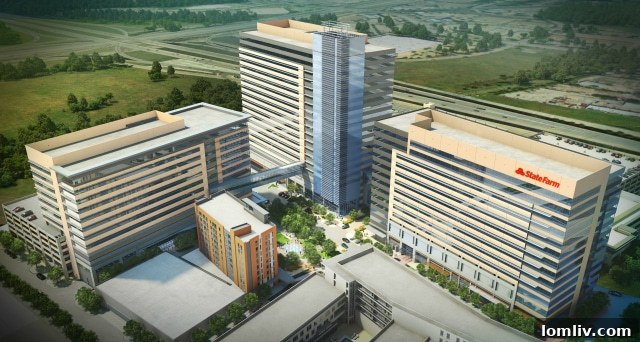
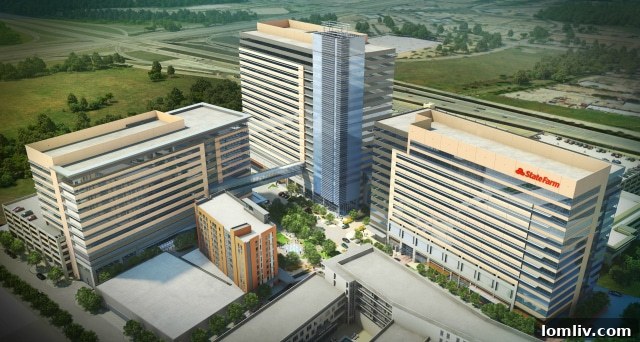
Prominent among these transformative projects is the CityLine development in Richardson. This ambitious master plan is a prime example of the live-work-play model that has become increasingly popular in major metropolitan areas seeking sustainable growth. CityLine is meticulously designed to be a vibrant, self-contained urban center, seamlessly blending commercial, residential, and retail spaces into a cohesive community. Upon its full realization, the development is slated to offer an astounding more than 5 million square feet of cutting-edge office space, making it a major corporate hub within North Texas.
Beyond its significant office component, CityLine’s vision encompasses 300,000 square feet of diverse retail establishments, providing a rich array of shopping, dining, and entertainment options for tenants and residents. Complementing the commercial and retail aspects, the plan also includes 4,000 residential units, fostering a true mixed-use environment where people can live, work, and socialize without extensive commutes. Major corporate tenants like State Farm, Raytheon, and GEICO have already committed to large footprints within CityLine, solidifying its status as a premier destination for businesses and demonstrating profound confidence in its long-term viability and appeal as a regional economic driver.
The Rise of Frisco Station: A New Hub for Business and Innovation
As 2015 began, another significant development poised to reshape the North Texas landscape commenced its initial phase: Frisco Station. Strategically located along the high-growth Dallas North Tollway corridor, Frisco Station is envisioned as another colossal mixed-use project that will significantly contribute to the region’s office inventory and residential capacity. Upon its complete buildout, Frisco Station is projected to feature approximately 4 million square feet of modern office space, meticulously designed to attract a diverse range of companies, particularly those in technology, innovation, and corporate services, leveraging Frisco’s reputation as a hub for future-focused industries.
In parallel with its commercial offerings, Frisco Station will also include 2,400 multifamily residences, creating another vibrant community designed for convenience and connectivity. The development’s strategic location in Frisco, a city consistently ranked among the fastest-growing in the nation, further enhances its appeal. Frisco’s dynamic growth, coupled with its excellent school districts and quality of life, positions Frisco Station as a key economic engine, drawing talent and investment to this burgeoning northern suburb of Dallas. Its integration into Frisco’s broader economic strategy underscores the city’s commitment to becoming a major player in the DFW business ecosystem and a model for sustainable suburban development.
The Economic Engine: Why North Texas Continues to Thrive
The burgeoning office market in DFW is not an isolated phenomenon but rather a direct consequence of the region’s powerful and sustained economic growth. As noted by industry experts at the time, Dallas real estate values had reached their highest levels ever, propelled by a relentless surge in jobs and population. This upward trajectory is deeply rooted in several key factors that make North Texas an exceptionally attractive location for businesses and individuals seeking opportunity and a high quality of life.
One of the primary drivers is the state’s robust job growth rate. Texas, known for its business-friendly environment and absence of a state income tax, has consistently led the nation in job creation. Specifically, the statewide job growth rate recorded for total nonfarm employment in Texas reached its highest point since May 1998, a remarkable achievement that underscores the state’s economic vitality. This translates directly to an increased workforce, which in turn fuels demand for both commercial and residential properties, creating a virtuous cycle of economic expansion.
Beyond raw job numbers, North Texas benefits from a diversified economy that spans various sectors, including technology, finance, healthcare, logistics, and manufacturing. This diversification provides resilience against economic downturns and fosters a dynamic environment for innovation and growth. The region’s strategic central U.S. location, coupled with its extensive transportation infrastructure—including the global connectivity offered by Dallas/Fort Worth International Airport (DFW) and Dallas Love Field (DAL)—makes it an ideal hub for national and international businesses seeking efficient operations and broad market access.
Furthermore, the relative affordability of living and operating a business in North Texas, especially when compared to coastal metropolitan areas like California or the Northeast, continues to draw corporations and individuals seeking a higher quality of life and lower operational costs. This powerful combination of robust job growth, economic diversification, strategic location, and affordability creates a powerful self-reinforcing cycle, attracting more businesses, more talent, and further stimulating demand for commercial real estate across all asset classes.
Looking Ahead: Navigating Continuous Growth and Opportunity
The outlook for the DFW office market, as discussed by experts like Steve Everbach, Senior Managing Director at Cushman & Wakefield’s Cedar Springs office, remained overwhelmingly positive. Everbach notably shared with Steve Brown at the Dallas Morning News that a significant portion—more than a third—of the office space then under construction had already been pre-leased. This statistic powerfully illustrates the acute demand in the market and the proactive measures companies were taking to secure prime locations well in advance of project completion.
Such a strong pre-leasing trend indicates not only a shortage of existing space but also immense confidence from businesses in the future growth of DFW. It suggests that companies are willing to commit long-term, anticipating continued expansion and a need for modern, well-located facilities that can accommodate their evolving needs. This proactive engagement by tenants provides developers with the assurance needed to continue investing in large-scale projects, ensuring a healthy pipeline of new inventory and mitigating risks associated with speculative development.
As North Texas continued its impressive growth trajectory, the burning question for 2015 and beyond revolved around how the market would respond to the influx of millions of square feet of new office space. Would the new supply saturate the market, leading to a moderation of rental prices, or would the relentless demand continue to absorb new inventory, sustaining a tight market? The economic indicators strongly suggested the latter. With ongoing corporate relocations, continued population growth, and a robust job market, the expectation was that the new developments would be met with eager tenants, further solidifying DFW’s position as a national leader in commercial real estate and a magnet for business investment.
The transformation underway in North Texas’s commercial real estate market during this pivotal period was truly exciting to observe. It was a dynamic interplay of potent economic forces, strategic development, and burgeoning corporate confidence. The sustained demand for office space, coupled with the visionary master-planned communities like CityLine and Frisco Station, painted a clear picture of a region not just growing, but evolving into a sophisticated, interconnected hub designed for the future of business and urban living. This period laid a foundational blueprint for DFW’s continued ascent as a top-tier global business destination, demonstrating the critical link between a thriving economy and a vibrant, responsive commercial real estate sector, ultimately cementing its reputation as a beacon for growth and boundless opportunity.