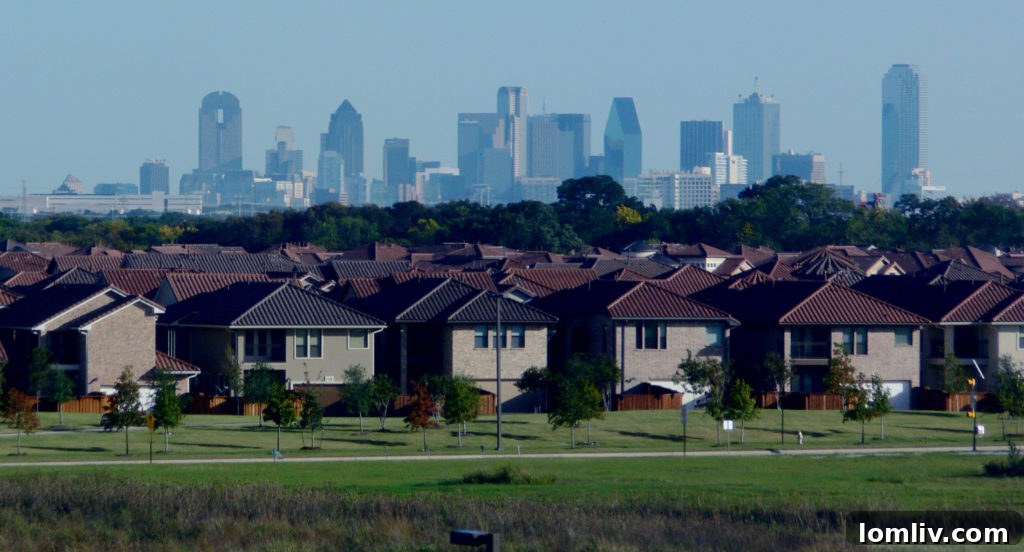
The Shifting Tides of the US Housing Market: Dallas as the Bellwether
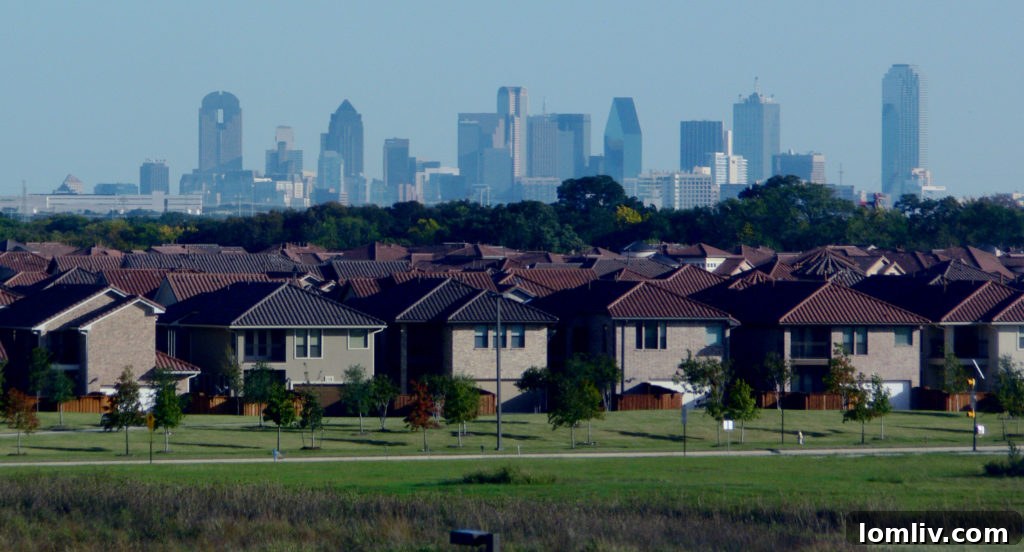
A recent, widely circulated report from the Wall Street Journal has ignited significant discussion across social media and within the real estate industry. Titled “The U.S. Housing Boom Is Coming to an End, Starting in Dallas,” this headline immediately challenges perceptions, especially for those familiar with Dallas’s explosive growth. It prompts a critical question: Is the thriving heart of Texas, long considered a bastion of economic prosperity and expansion, truly signaling a fundamental shift in the nationwide housing market?
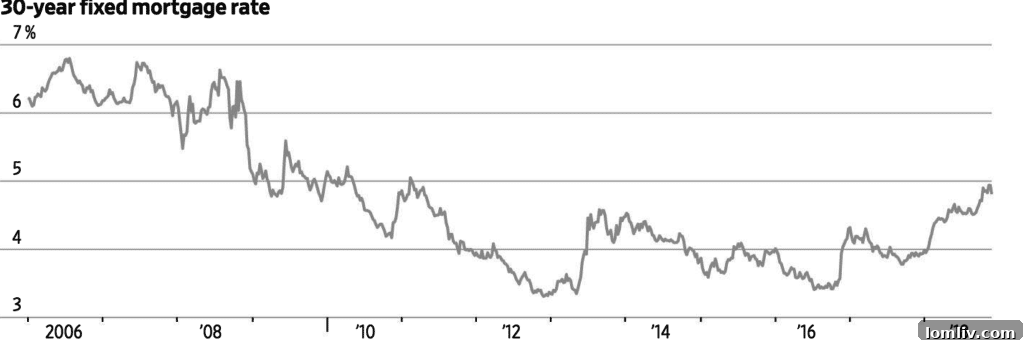
The central premise of the article is stark: “Home prices zoomed higher in recent years, and mortgage rates are climbing. Buyers are queasy.” This statement encapsulates a growing sense of unease within a market that, for an extended period, appeared to be immune to slowdowns. The indicators suggest a pivotal moment for Dallas real estate and potentially for the broader American housing landscape.
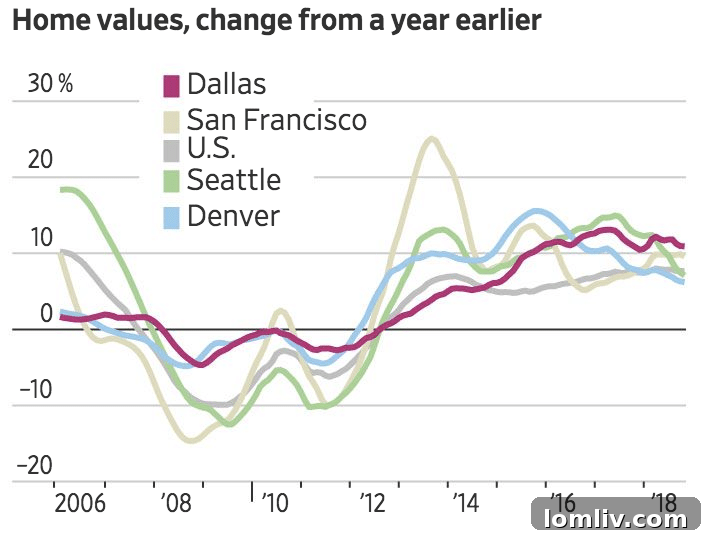
While the Dallas-Fort Worth (DFW) real estate market undeniably retains much of its underlying strength, it’s clear that the frenetic pace witnessed in 2015 and 2016 – arguably two of the most dynamic years for DFW property values – has begun to moderate. These preceding years were characterized by robust growth, fueled significantly by a wave of corporate relocations and an abundance of new job opportunities. However, as the WSJ accurately highlights, the critical issue of affordability has become increasingly “out of whack with historic norms.” The median home price in Dallas now stands at approximately $235,000, representing a staggering 50 percent increase compared to its value in 2007, prior to the onset of the Great Recession. Furthermore, the relentless surge of corporate giants moving their headquarters to Plano and other northern suburbs, which previously generated insatiable demand for housing, has also shown signs of cooling, with primary residences for these new transplants no longer being snapped up instantaneously.
This evolving market dynamic necessitates a re-evaluation of the terminology used to describe its state. While the Wall Street Journal employs the term “sputter,” many local experts lean towards a more nuanced description, suggesting a transition or recalibration rather than an abrupt downturn. This distinction is vital for accurately understanding the current market forces at play and anticipating the future trajectory of one of America’s most closely observed real estate markets.
The Unprecedented Growth of North Texas: A Double-Edged Sword
PLANO, Texas—Located just a short, convenient half-hour drive straight north from downtown Dallas, lies an area recognized as one of the fastest-growing counties in the entire nation. This landscape, once dominated by expansive cotton fields, has undergone an astonishing transformation. Today, it proudly hosts the new North American headquarters for automotive giant Toyota, a state-of-the-art training facility for the legendary Dallas Cowboys, and sprawling, architecturally distinct shopping strips featuring high-end dealerships like Tesla and vibrant, multi-story food halls. This intense and rapid development eloquently underscores the powerful economic engine that has been the defining characteristic of North Texas for many years, attracting both businesses and residents alike.
Tangible Signs of a Cooling Market
Despite this continuous backdrop of booming economic expansion and corporate investment, Dallas’s once extraordinarily vibrant housing market is undeniably exhibiting clear signs of a slowdown. For instance, within the upscale, newly developed subdivisions in the suburb of Frisco, homebuilders are increasingly resorting to substantial price cuts on new homes, with reductions sometimes reaching up to $150,000. A recent on-site visit earlier this month revealed millions of dollars worth of brand-new homes standing empty on just one street. The competitive landscape is so intense that some desperate homebuilders are offering lavish incentives to real estate agents, including opportunities to win highly coveted Louis Vuitton handbags or all-expenses-paid Super Bowl tickets with round-trip airfare, simply to secure a client’s home purchase. Yet, even with these enticing lures, open houses are frequently sparsely attended, and fresh-baked cookies often sit uneaten – a stark indication of significantly diminished buyer enthusiasm.
It’s important to acknowledge that offering incentives to real estate agents is not an entirely novel strategy in the world of property development. Builders have historically utilized various perks to stimulate sales. However, the current scale, creativity, and sheer desperation behind these offerings signal a distinct shift in market dynamics. This trend is particularly pronounced in the high-end segment of the market, specifically for homes valued at a million dollars or more, where the slowdown across North Texas has been more acutely felt.
The Inevitable Economic Cycle and Mounting Headwinds
The current trajectory of the Dallas housing market serves as a vivid illustration of a classic economic cycle in motion. Extended periods characterized by constrained inventory and surging demand invariably lead to home prices escalating dramatically, often to levels that push the boundaries of economic reason. We have undoubtedly experienced such an exuberant period recently, where market values climbed almost beyond sustainable limits. The “nail in the coffin” for this protracted boom came with a convergence of factors: the steady, upward creep of interest rates throughout the current year, coupled with significant legislative changes to the tax code. While a segment of experts has sought to downplay the full impact of alterations to home mortgage interest and property tax deductibility, the practical financial implications for prospective homebuyers are undeniably substantial.
When homeowners are faced with annual property tax bills that can easily exceed $20,000, and these expenses are no longer 100% deductible from their federal income taxes, it forces a critical reconsideration of their financial commitments. The question of alternative uses for such a considerable sum of money becomes paramount. Moreover, despite North Texas enjoying robust job growth – creating approximately 100,000 new positions annually over the last five years – home prices have unfortunately surged at a much faster rate than local wages. This imbalance creates a significant affordability gap, even as the region continues to attract talent. Ironically, part of this impressive job growth was facilitated by the availability of relatively lower wages compared to other major metropolitan areas, contributing to the current affordability squeeze.
Dallas, which notably recorded the second-strongest annual increase in employment of any metropolitan area in the country in September, perfectly exemplifies this economic paradox. Despite the economy in this sprawling metro area having boomed with remarkable vigor, home prices have escalated at a pace far outstripping wage growth, placing considerable and increasing strain on buyers striving to afford a home.
Expert Insights: A “Soft Landing” or a “Sputter”?
Veteran appraiser DW Skelton provides an insightful and nuanced perspective on the current market conditions. While he largely concurs with the overall sentiment that the market is shifting, he expresses reservations regarding specific examples cited and the precise terminology employed. “I agree with most of the article,” Skelton states, “But I don’t like the example of Plano. There is not that much inventory left in Plano for land development, hasn’t been for years. Developers are really going north to Frisco, Celina, McKinney and beyond, or west to Colleyville and Grapevine, where there is still land to develop.” This observation underscores the continuous geographical expansion of development and the ongoing search for undeveloped land as established core areas become built out.
Skelton also prefers a different descriptor for the present market state. Instead of the WSJ’s “sputter,” he characterizes it as a “soft landing,” a term he has frequently encountered throughout his extensive career but has seldom witnessed in actual practice. “It’s moving down to Preston Hollow without a doubt,” he notes, indicating that even highly affluent areas are not impervious to these market adjustments. “Housing prices just got too high. A couple of years ago it was difficult to even appraise properties, a lot of us going on ‘opinion of value.’ We have heard about this soft landing since I’ve been in the business. But I have never seen it start filtering down to a reasonable level.”
Interestingly, Skelton views a slight market correction as a potentially healthy and necessary development. He emphatically asserts that the current situation bears no resemblance to the dire “Death Star days” of the mid-1980s. That period was marked by a severe recession during which Fannie Mae notoriously resorted to bulldozing entire home developments because it was financially more prudent to maintain raw land than a multitude of empty, unsellable houses.
“Those were the days of ‘jingle mail’,” Skelton vividly recalls, painting a picture of widespread distress. “If the envelope jingled because it had keys in it, they were sending the keys back in to the bank.” This widespread return of keys symbolized a wave of foreclosures and property abandonments. “If we get lucky, we’ll have a soft landing,” he concludes with cautious optimism. However, he also acknowledges the underlying anxiety: “If not, I guess we will crash and the rest of the country will follow,” highlighting the potential national implications of Dallas’s market performance.
Dallas: The “Canary in the Mine Shaft” for the US Housing Market
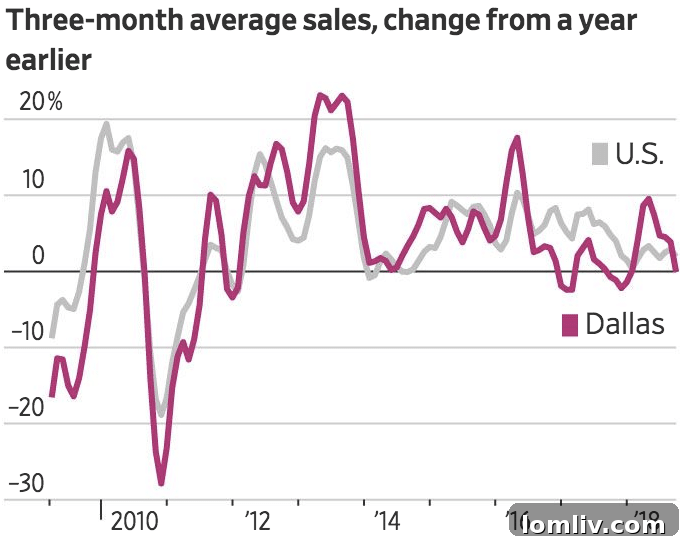
Paige Shipp, the regional director for Metrostudy, a prominent consulting firm specializing in advising homebuilders, further reinforces Dallas’s critical role as a leading indicator for the national market. She aptly describes Dallas as the “canary in the mine shaft” for the current housing cycle. This significant designation stems from several key observations: homes are now taking considerably longer to sell, intense bidding wars – once commonplace – have become a rarity, and price reductions are increasingly frequent as prospective buyers fully comprehend and absorb the cumulative impact of higher interest rates and a tightening financial landscape.
A major contributing factor to Dallas’s particular sensitivity to market shifts is the local population’s pronounced reliance on mortgages. In stark contrast to certain affluent regions in the U.S., such as the bonus-rich Silicon Valley where cash buyers and substantial down payments are prevalent, the average household in Dallas finances a considerable 83% of its home purchase. This heavy dependence on debt makes the local market inherently more vulnerable and responsive to fluctuations in interest rates, changes in lending conditions, and broader economic headwinds.
While significant, this figure is only slightly higher than the national average of 81%, according to data from Black Knight Inc., a leading mortgage data company. In comparison, buyers in major West Coast markets like San Francisco and Seattle average financing 74% and 79% of their home purchases, respectively. This data highlights a fundamental difference in average purchasing power and overall market resilience across various major U.S. metropolitan areas, underscoring why Dallas might be an early indicator of wider trends.

The implication of such high mortgage reliance is profound: when a substantial majority of a home’s value is financed by a bank, the psychological and financial barriers to potentially returning keys (reminiscent of the “jingle mail” era) or walking away from a heavily mortgaged property can be considerably lower during periods of economic uncertainty or market correction. This characteristic firmly positions Dallas as a crucial barometer for observing how broader economic shifts might eventually ripple through and affect housing markets nationwide, providing early warnings for what may lie ahead.
Looking Ahead: Unanswered Questions and the Path Forward
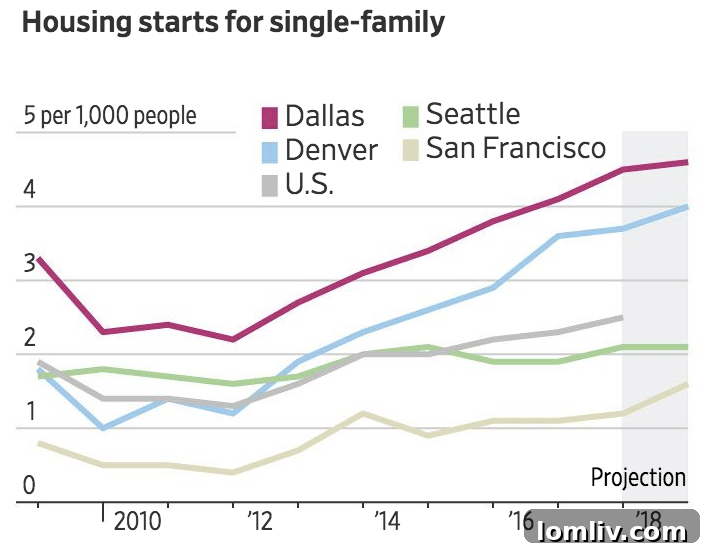
The Dallas housing market, while currently undergoing a necessary and perhaps healthy recalibration, presents a complex and evolving picture. The critical questions that remain central to its future trajectory, and indeed for the broader national real estate market, revolve around key economic indicators: the sustained stability of employment, the delicate balance of housing inventory, and the potential for overbuilding in specific segments, particularly apartments. As the market endeavors to find a new equilibrium, diligent monitoring of these interconnected factors will be absolutely crucial. Whether Dallas ultimately experiences the hoped-for “soft landing” or a more significant, widespread correction, its performance will undoubtedly provide invaluable insights into the resilience, adaptability, and future direction of the entire U.S. housing landscape. The narrative of Dallas real estate is far from concluded, and its ensuing chapters will undoubtedly offer essential reading for anyone keenly interested in the pulse and prospects of American property.