
Essential Guide to Home Foundation Issues: What Every Buyer and Owner Needs to Know
Every week, the detail-oriented folks at Green Scene Home Inspections provide Daltxrealestate.com readers with invaluable insights into the world of home inspections. For a closer look at what they uncover, be sure to tune in for “Upon Closer Inspection.”
When embarking on the significant journey of purchasing a home, prospective buyers are consistently advised to direct their attention to several critical areas. These foundational components—the roof, plumbing systems, electrical wiring, HVAC (heating, ventilation, and air conditioning), and critically, the foundation itself—represent the major ticket items of any property. Overlooking potential issues in these areas can unfortunately lead to substantial, costly repairs down the line, turning a dream home into a financial strain.
For those navigating the real estate market in regions like North Texas, the conversation around foundation issues often shifts from a possibility to an almost expected consideration. The unique geological characteristics and climatic patterns of such areas frequently contribute to foundation movement and related problems. Consequently, the foundation demands particular scrutiny and close attention as you evaluate potential homes, making it one of the most vital aspects of your pre-purchase due diligence.

Decoding What to Watch For: Key Foundation Observations
A professional home inspector possesses a keen eye trained to identify the subtle yet significant indicators of foundation distress. These observations often serve as crucial red flags, prompting a recommendation for further, in-depth evaluation by a qualified structural engineer. Understanding these common signs can empower both buyers and current homeowners to take proactive steps.
In the accompanying video, you can observe several typical foundation issues that a home inspector frequently encounters. These visual examples highlight why a professional assessment is not just beneficial, but often indispensable, in uncovering hidden problems that might otherwise go unnoticed by the untrained eye.
Cracks: More Than Just Unsightly
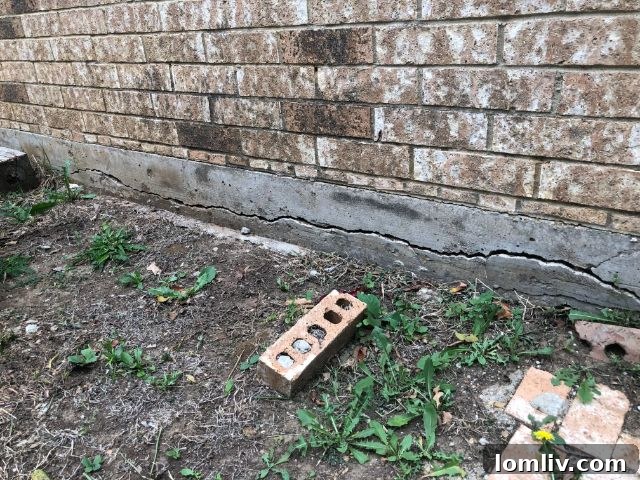
While not all cracks signify a severe structural problem, certain types of cracks are definitive indicators of foundation movement or failure. A crack like the one pictured below is particularly concerning. It suggests significant stress on the structure, most commonly attributed to foundation movement, which can be caused by shifting soils beneath the property. However, it’s also important to consider other potential culprits, such as initial defects in the concrete mix or pouring during construction, or even excessive, concentrated weight bearing down on a specific part of the foundation.
Regardless of the underlying cause, a crack of this magnitude warrants immediate professional attention. A homeowner encountering such an issue would be well-advised to promptly engage a structural engineer to conduct a thorough assessment. Their expertise is crucial in accurately diagnosing the problem and recommending appropriate remedial actions.
Work in Progress: Understanding Foundation Repairs
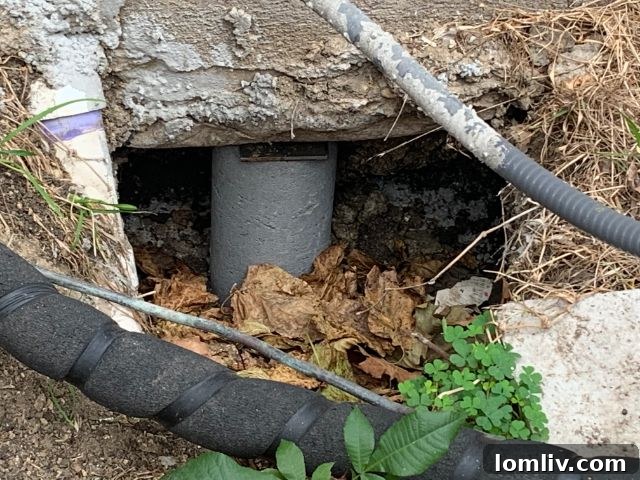
Witnessing a home undergoing foundation repair work, as depicted in the next image, provides a direct glimpse into the efforts required to stabilize a compromised structure. Foundation work often involves installing or adjusting piers (also known as pilings or caissons) beneath the existing foundation to provide additional support and help level the structure. This process is highly specialized and requires meticulous planning and execution.
A critical consideration during foundation repair, especially when working on piers, is the proximity of other essential utilities. In this example, the pier being addressed is situated directly adjacent to a sewer line. This close proximity presents a significant risk: if the foundation itself has been damaged or shifted, there’s a strong possibility that the underlying sewer line could have also suffered damage. Cracks, bends, or disconnections in a sewer line can lead to leaks, blockages, and costly environmental issues. Therefore, any homeowner undergoing foundation repairs in such a scenario should consider it imperative to have a comprehensive sewer line test performed. This preventative measure can identify potential issues before they escalate into more severe, expensive problems.
Subtle Signals: Signs of Foundation Movement Inside the House
While exterior cracks are often the most obvious signs, foundation movement frequently manifests through a variety of subtle, internal indicators that homeowners should not ignore. These signs can develop gradually, making them easy to dismiss as normal wear and tear, but they are often crucial clues pointing to underlying structural issues.
The video below offers a visual guide to recognizing several common foundation movement indicators that can be observed from inside the house. Beyond these, here are other critical internal signs to watch for:
- Doors and Windows That Stick or Misalign: If doors suddenly become difficult to open or close, or if they no longer latch properly, it could indicate that their frames have become distorted due to shifting walls. Similarly, windows that stick or show uneven gaps around their frames are strong indicators.
- Cracks in Ceilings and Walls: Hairline cracks can be superficial, but larger, jagged, or stair-step cracks in drywall, plaster, or masonry walls are concerning. Look for cracks that extend from window or door frames, or those that appear at the junction of walls and ceilings.
- Uneven or Sloping Floors: A noticeable slope or sag in floors, particularly in certain areas of the house, is a direct result of uneven foundation settlement. You might notice this when walking across a room, or by placing a level on the floor.
- Gaps Between Walls, Ceilings, or Floors: As a foundation settles unevenly, walls can pull away from the ceiling or floor, creating noticeable gaps where there once were none.
- Separating Trim or Moldings: Baseboards, crown moldings, or door and window trim pulling away from the walls or each other can also signify movement in the underlying structure.
- Cabinetry Pulling Away From Walls: If kitchen or bathroom cabinets appear to be detaching or tilted, it’s often linked to the wall itself shifting due to foundation issues.
Should you observe any of these signs, particularly if they appear in combination, it’s a strong indication that a more thorough investigation is warranted. Prompt attention can prevent minor issues from escalating into major, more costly repairs.
Understanding the Root Causes of Foundation Problems
Foundation problems are rarely spontaneous occurrences; they typically stem from a combination of environmental factors, geological conditions, and sometimes, construction deficiencies. Understanding these underlying causes is key to both diagnosing and preventing future issues.
Expansive Soils: The Primary Culprit
Many regions, particularly in North Texas, are characterized by highly expansive clay soils. These soils have a remarkable capacity to absorb large quantities of water, causing them to swell significantly. Conversely, during dry periods, they release moisture and contract. This cyclical expansion and contraction of the soil beneath a foundation can exert immense pressure, causing the foundation to lift, settle, or shift unevenly. This constant movement is a leading cause of cracks and structural instability.
Poor Drainage and Moisture Management
Inadequate drainage around a home’s perimeter is another major contributor to foundation issues. If rainwater is not properly diverted away from the foundation through effective gutters, downspouts, and proper grading, it can accumulate and saturate the soil directly adjacent to the structure. This saturation can lead to localized swelling of expansive soils or, in non-expansive soils, can erode the soil away, creating voids beneath the slab. Both scenarios compromise the foundation’s stability.
Plumbing Leaks Beneath the Slab
Hidden leaks in the plumbing system beneath a concrete slab foundation can be insidious. These leaks continuously introduce moisture into the soil, leading to localized saturation and swelling, or even washing away the soil. Often, by the time a homeowner notices increased water bills or other signs of a leak, significant foundation damage may have already occurred.
Large Trees and Aggressive Root Systems
While trees add aesthetic value and shade, large trees planted too close to a foundation can pose a threat. Their aggressive root systems actively seek out moisture in the soil. During dry spells, these roots can draw significant amounts of water from beneath the foundation, causing the soil to dry out and shrink excessively. This localized desiccation can lead to uneven settlement of the foundation. Conversely, roots can also grow directly under the foundation, exerting pressure and causing uplift.
Poor Construction and Soil Compaction
The integrity of a foundation is heavily dependent on the quality of its initial construction. If the soil beneath the foundation was not properly compacted before construction began, or if the foundation itself was not engineered or built to specifications suitable for the local soil conditions, it can be prone to early failure. Insufficient reinforcement or improper pouring techniques can also lead to structural weaknesses.
Climate and Weather Extremes
Sudden and drastic changes in climate, such as prolonged droughts followed by heavy rains, or extreme freeze-thaw cycles, can significantly exacerbate foundation problems. These weather extremes intensify the effects of expansive soils and can introduce additional stresses on the building’s structural integrity.
The Critical Role of Professional Evaluation
If you suspect your home has foundation issues, or if a home inspection identifies potential concerns, the next step is crucial: seeking expert evaluation. Choosing the right professional can save you significant time, money, and stress.
We cannot stress this enough: if you are considering buying a home with identified or suspected foundation issues, it is imperative to have a structural engineer evaluate the foundation. While many foundation repair companies offer “free evaluations,” it’s vital to understand their business model. Their primary objective, naturally, is to sell you their services and products.
A structural engineer, on the other hand, operates independently. Their professional obligation is to provide an unbiased, honest opinion on the condition of your foundation. They will conduct a thorough assessment, diagnose the underlying causes of any problems, and recommend the most appropriate solutions—which may or may not involve extensive repairs. An engineer’s report provides a neutral, expert diagnosis that you can then use to solicit quotes from repair companies, ensuring you only pay for necessary work.
Home Inspectors: The First Line of Defense
A certified home inspector plays a crucial role in the early detection of foundation issues. During a standard home inspection, they meticulously examine visible areas of the foundation, both interior and exterior, looking for the tell-tale signs discussed earlier. While they do not provide an engineering analysis, their report will highlight red flags and recommend further evaluation by specialists, serving as your initial guide.
Structural Engineers: The Diagnostic Experts
A licensed structural engineer is a specialist trained to analyze the structural integrity of buildings. When assessing a foundation, they will look beyond superficial cracks. They use specialized tools to measure floor levels, check for deviations, analyze soil conditions (if samples are available), and evaluate the overall stability of the structure. Their report will detail the extent of any damage, pinpoint the likely causes, and provide specific, engineered recommendations for repair, if necessary. This professional opinion is invaluable for informed decision-making.
Foundation Repair Companies: The Implementers
Once you have a structural engineer’s report outlining the necessary repairs, you can then approach reputable foundation repair companies for quotes. With the engineer’s plan in hand, you are in a much stronger position to compare proposals, ensure the recommended work aligns with the engineer’s specifications, and negotiate effectively. This process ensures that any repairs undertaken are truly necessary and appropriately designed for your specific situation.
Proactive Steps: Prevention and Maintenance
While some foundation issues are unavoidable due to soil conditions or age, many can be mitigated or prevented through diligent maintenance and proactive measures. Protecting your foundation is an investment in the long-term health and value of your home.
Effective Drainage Systems
Proper management of rainwater is paramount. Ensure that your home has robust gutters and downspouts that are clean and free of debris. Critically, downspouts should extend several feet away from the foundation to effectively divert water. Additionally, ensure the ground around your home slopes away from the foundation at least 6 inches over the first 10 feet. This positive grading prevents water from pooling against the foundation, which can lead to soil saturation and swelling.
Consistent Moisture Management Around the Foundation
In regions with expansive clay soils, maintaining consistent moisture levels around the foundation can significantly reduce the cyclical expansion and contraction that causes movement. During prolonged dry spells, consider using a soaker hose system placed around the perimeter of your foundation, approximately 6 to 12 inches away. Running it intermittently for short periods can help maintain a more stable moisture content in the soil, preventing excessive drying and shrinkage. Avoid overwatering, which can lead to saturation.
Strategic Landscaping and Tree Management
Be mindful of where you plant trees and large shrubs. As a general rule, large trees should be planted at a distance at least equal to their mature height from your foundation. For existing large trees close to the house, consider installing root barriers or consulting with an arborist about managing their root systems without harming the tree. Smaller shrubs and perennial beds should be designed so they don’t impede drainage or hold excessive moisture against the foundation walls.
Regular Plumbing Inspections and Leak Detection
Schedule periodic inspections of your plumbing system, especially for homes with slab foundations, to detect and repair any leaks promptly. Even minor, slow leaks can introduce significant moisture into the soil over time, leading to foundation problems. Pay attention to sudden increases in your water bill or unexplained damp spots.
Monitor and Address Small Issues Quickly
Don’t ignore small cracks or minor signs of movement. While not every crack is serious, regular monitoring allows you to track changes. If a crack grows, or if new symptoms appear, it’s a signal to call in a professional for assessment before the problem escalates.
Conclusion: Protecting Your Investment with Vigilance and Expertise
The foundation is truly the bedrock of your home, and its integrity is paramount to the overall stability and longevity of your property. Navigating the complexities of homeownership, particularly in areas prone to foundation challenges, requires a blend of vigilance, informed decision-making, and the timely engagement of qualified professionals.
By understanding the common signs of foundation distress, recognizing their potential causes, and knowing when and whom to consult, you empower yourself to protect one of your most significant investments. Early detection and proactive maintenance, coupled with unbiased expert advice from a structural engineer, are your strongest defenses against costly and disruptive foundation repairs.
Remember, a home inspection is an initial snapshot, and while invaluable, any identified foundation concerns necessitate a deeper dive. Prioritizing the health of your home’s foundation ensures peace of mind, preserves property value, and safeguards your family’s safety for years to come.