North Texas Real Estate Boom: Unpacking the Record-Breaking Market and the ‘Bubble’ Debate
Dallas-Fort Worth’s housing market continues its meteoric rise, with home prices shattering records across the region. Far East Dallas, in particular, is a microcosm of this dynamic landscape, buzzing with investor activity and a relentless demand that raises crucial questions about long-term sustainability.
The Unstoppable Surge in Far East Dallas
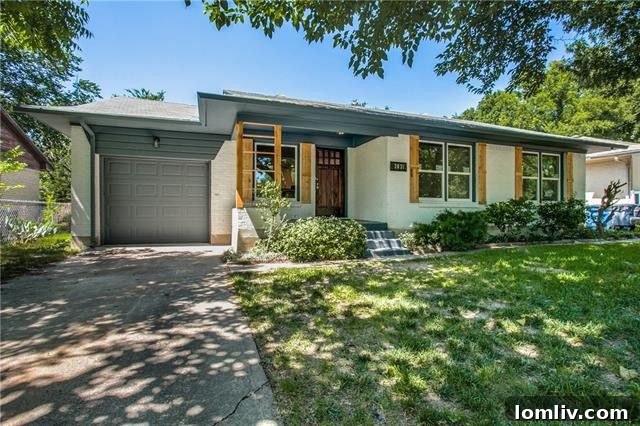
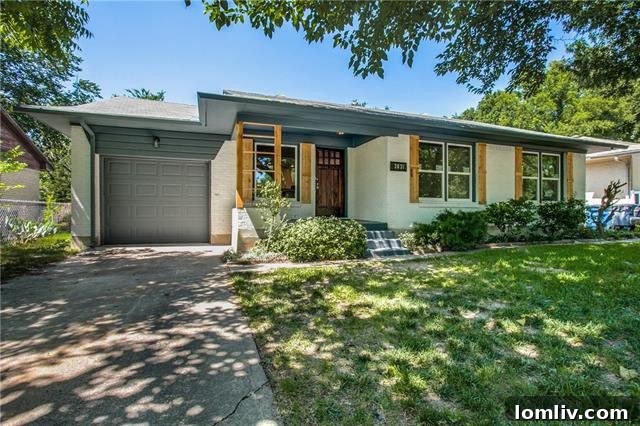
Far East Dallas is a vibrant hub of real estate transformation, a landscape dotted with work trucks and bustling with the energy of investors keen to capitalize on the burgeoning demand within inner-loop neighborhoods. These tightly packed blocks, primarily featuring post-war ranches, are undergoing extensive remodels as “flippers” race to modernize homes. Despite the continuous influx of renovated properties, the supply of move-in ready homes struggles to keep pace with the overwhelming demand. This persistent imbalance is a direct consequence of the Dallas-Fort Worth-Arlington metro area’s phenomenal population growth, which has welcomed approximately 974,000 new residents since 2010. Such robust demographic expansion, coupled with limited inventory, inevitably fuels an upward trajectory in home prices, pushing them to unprecedented levels.
The allure of Far East Dallas stems from its strategic location, offering relative affordability compared to more established inner-city districts while still providing convenient access to downtown Dallas amenities. This combination makes it a prime target for both first-time homebuyers and investors seeking to maximize returns. The rapid pace of gentrification, while invigorating the local economy and improving housing stock, also brings with it significant challenges, particularly concerning long-term affordability for existing residents and those looking to enter the market.
Decoding the Latest Market Statistics: A Snapshot of Growth
Recent data from NTREIS and the Real Estate Center at Texas A&M University paints a clear picture of an exceptionally robust market. As of May 2018, pre-owned home sales across the North Texas region soared to 11,302 units, marking a substantial 9 percent increase compared to the same period in the previous year. This significant surge in transactions underscores the intense buyer activity pervading the market.
Accompanying this rise in sales, year-over-year price growth registered a solid 5 percent, culminating in a new record-breaking median home price of $266,500. The average price for homes in the region also reached an impressive $323,216. Furthermore, the average price per square foot for existing single-family homes climbed to $137, representing a 4 percent increase over the previous year. Despite the high demand, homes are still moving relatively quickly, with the average days on market standing at 39, a modest 4 percent increase from 2017, suggesting a market that remains competitive but perhaps less frenzied than previous years.
These figures collectively illustrate a dynamic market characterized by sustained growth, driven by fundamental economic factors rather than speculative bubbles. The consistent increase in sales volume, coupled with steady price appreciation, points to a healthy market underpinned by genuine buyer interest and a strong regional economy.
The Tale of Two Markets: Luxury vs. Affordability
While the overall North Texas housing market thrives, a closer examination reveals a divergent performance between different price segments. The luxury real estate market, typically encompassing homes priced at $1 million or more, is experiencing a discernible slowdown compared to the lower and mid-range tiers. This sector, once a primary driver of market growth, is now moving at a more measured pace. Industry experts highlight this shift, noting a flattening in price appreciation for more expensive properties.
According to insights shared by Steve Brown in his report, May’s price report showcased a more modest home appreciation in the area compared to earlier in the year. Last month’s percentage home price gains were half of what they were in May 2017, when prices were 10 percent higher year-over-year.
Ted Wilson, a prominent Dallas housing analyst with Residential Strategies Inc., commented, “The price appreciation for more expensive houses has really flattened out.” He elaborated on the core issue, stating, “We have a very limited amount of inventory at the lower price points, and that’s where a lot of the price appreciation is taking place.”
This scarcity at the entry-level has led to a sharp decline in sales of North Texas homes priced below $180,000 in 2018. Wilson further emphasized the imbalance: “There is an ample amount of inventory at the higher price points – more than there has been. But the supply of affordable houses is very tight.”
This disparity creates a challenging landscape for various buyer groups. First-time homebuyers and those with moderate incomes face intense competition for a dwindling supply of affordable properties, often being outbid by cash-rich investors. Conversely, sellers of luxury properties might need to adjust expectations regarding sales timelines and potential appreciation, as this segment of the market appears to be reaching a point of saturation or encountering more selective buyers.
The Investor Effect: Shaping Market Dynamics and Affordability
One of the most significant factors influencing the current North Texas real estate market, particularly concerning long-term affordability, is the pronounced presence of real estate investors and “flippers.” Reports indicate that an astonishing 7.7 percent of home sales in the Dallas-Fort Worth region were purchases made by flippers, representing a 2 percent increase from the previous year. This trend has profound implications for traditional homebuyers.
Investors often operate with distinct advantages, primarily their ability to make cash offers. This capability places traditional homebuyers, who typically rely on mortgages and contingency clauses, at a significant disadvantage in competitive bidding situations. The rapid turnover of these properties, often purchased below market value, renovated, and then resold at a premium, contributes directly to the upward pressure on prices across the board. While some argue that flippers improve housing stock and revitalize neighborhoods, their aggregate activity undeniably tightens supply and makes homeownership more challenging for the average family.
David Hicks, CEO of Homevestors, a national real estate investment company with over 900 local franchises, sheds light on this phenomenon. He notes, “The lack of houses for sale is probably why the rate is steady over last year even though demand for houses by other investors has never been higher.” Hicks highlights a notable shift in their business model: more than half of the homes purchased by Homevestors franchises are now flipped, a significant increase from the historical average of about one-third. This indicates a strategic adaptation by investors to current market conditions. “Our franchises have actually bought 33 percent more houses year-to-date over 2017. Sales are up 32 percent, so we are on track to have a banner year,” Hicks added, underscoring the lucrative opportunities presented by the current DFW market for investment firms.
The growing footprint of institutional and individual investors in the residential market warrants close observation. Their operations, while injecting capital and potentially improving local housing quality, also raise valid questions about market accessibility and the erosion of attainable housing options for owner-occupants.
Is North Texas Headed for a Housing Bubble? A Balanced Perspective
The perennial question looming over any rapidly appreciating real estate market is whether it’s sustainable or on the brink of a “bubble burst.” In North Texas, with its record-breaking prices and intense competition, this question is particularly pertinent. However, a nuanced analysis suggests that while the market is undeniably heated, calling it an immediate bubble might be an oversimplification.
Historically, housing bubbles are often characterized by speculative buying, lax lending standards, and price growth detached from underlying economic fundamentals. In the current DFW market, several factors suggest a more stable foundation. The most significant is the robust and sustained population growth driven by a thriving job market and diverse economic opportunities across various sectors, including technology, healthcare, and finance. People are moving to DFW not purely for speculation but for employment and a comparatively lower cost of living than coastal megacities, creating genuine demand for housing.
Furthermore, lending standards remain significantly stricter than those preceding the 2008 financial crisis. Banks are generally more cautious, requiring stronger credit profiles and larger down payments, which helps mitigate the risk of widespread defaults. While investor activity is high, it’s often fueled by cash or well-capitalized entities, rather than highly leveraged speculative loans by individual homebuyers.
Nonetheless, caution is warranted. The rapid appreciation, particularly in the lower and mid-price segments, does strain affordability. Should interest rates rise sharply or the local economy experience an unexpected downturn, the market could see a slowdown or a correction. A correction, however, differs from a burst bubble; it implies a stabilization or modest decline in prices, bringing them back to a more sustainable growth trajectory, rather than a catastrophic collapse. Experts often point to the fundamental supply-demand imbalance as the primary driver, rather than irrational exuberance.
The market’s future will likely depend on the delicate balance between continued population and job growth, the pace of new construction, and the evolution of interest rates and investor sentiment. While a dramatic collapse appears unlikely given the strong underlying fundamentals, a period of more moderate price growth or stabilization would not be surprising and could even be a healthy adjustment for the market’s long-term health.