Unpacking the North Texas Housing Boom: A Deep Dive into April’s Astounding Growth
The North Texas housing market has consistently been a focal point for real estate enthusiasts, investors, and potential homeowners alike. April’s latest statistics paint a picture of extraordinary growth, yet understanding these figures requires a careful look at the context from which they emerged. The significant year-over-year increases observed across various metrics are undoubtedly impressive, but they also reflect a market rebounding from the unprecedented slowdown experienced in the early days of the COVID-19 pandemic in 2020. This article delves into the specifics of April’s performance, exploring what fueled this remarkable surge and what it signifies for the future of one of America’s most dynamic real estate landscapes.
Dallas County Leads the Charge in a Resilient Market
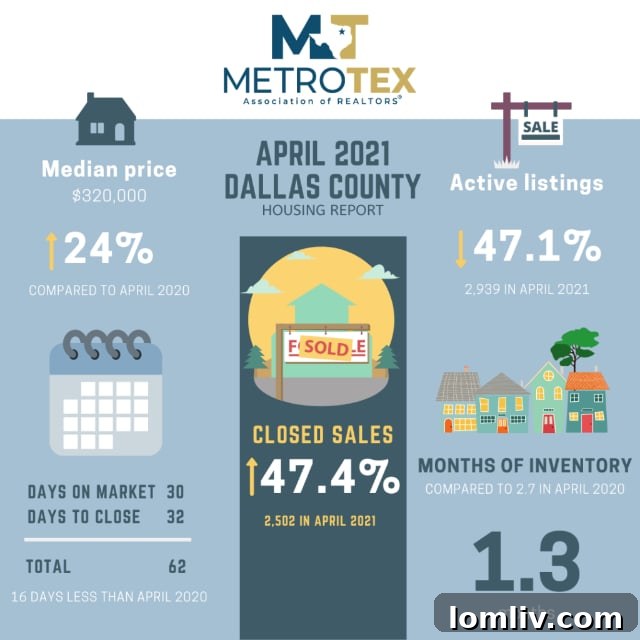
At the heart of North Texas’s booming real estate is Dallas County, which demonstrated exceptional resilience and demand in April. According to the latest comprehensive data compiled by the Dallas-based MetroTex Association of Realtors, home sales in Dallas County witnessed an astonishing 47 percent increase year-over-year. This remarkable growth is a testament to the robust recovery and sustained appeal of the region, significantly outperforming many other areas and setting a high benchmark for the broader market.
In April alone, real estate agents successfully facilitated the sale of over 2,500 homes within Dallas County. This volume not only highlights a vibrant market but also positions Dallas County as a leader in total home sales across the expansive 18-county North Texas region. The strong transactional activity underscores a deep pool of eager buyers and sellers, eager to engage despite competitive conditions.
Regional Overview: A Broader Look at North Texas Performance
While Dallas County captured significant attention with its individual performance, the entire 18-county North Texas region showcased substantial collective growth. Across this vast and diverse area, real estate agents collectively sold 28 percent more homes in April compared to the same period in 2020. This broad-based recovery indicates that the housing market strength is not isolated but rather a widespread phenomenon influencing numerous communities from urban cores to flourishing suburbs.
This regional uptick is a powerful indicator of renewed consumer confidence and an economy finding its footing after a challenging year. Buyers, buoyed by historically low interest rates and a desire for more living space, have returned to the market with vigor. Simultaneously, sellers are capitalizing on strong demand and appreciating property values, contributing to a dynamic and active marketplace that continues to defy earlier predictions of a prolonged downturn.
County-Specific Performance: A Comparative Analysis
While Dallas County led in total sales volume, other major counties within North Texas also posted impressive figures, contributing significantly to the regional narrative. Understanding these individual county performances offers a nuanced perspective on the market’s strength:
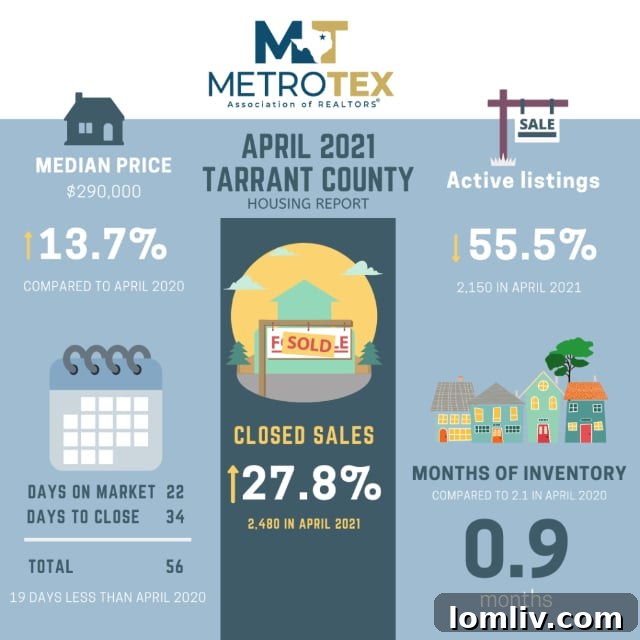
- Tarrant County: Recorded 2,480 home sales in April, marking a substantial 27.8 percent increase from the previous year. Tarrant County, home to Fort Worth, continues to be a highly attractive market, offering a blend of urban amenities and more spacious suburban living.
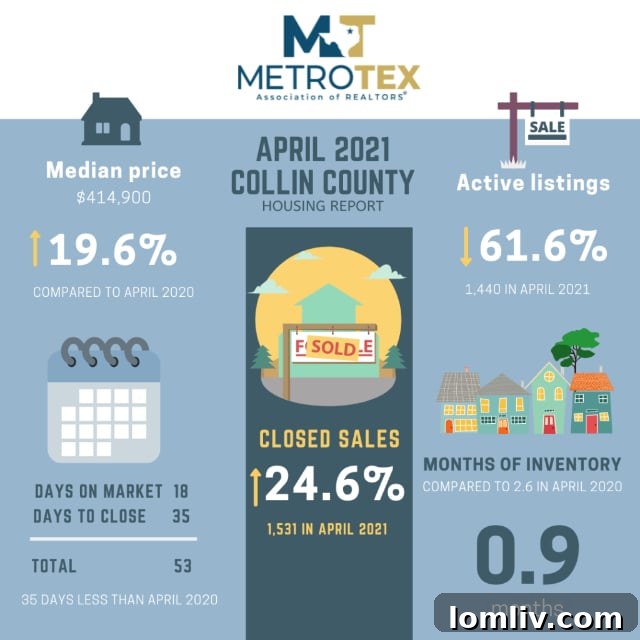
- Collin County: Saw 1,531 home sales, reflecting a 24.6 percent year-over-year rise. Known for its excellent schools, master-planned communities, and burgeoning economic centers, Collin County remains a magnet for families and professionals.
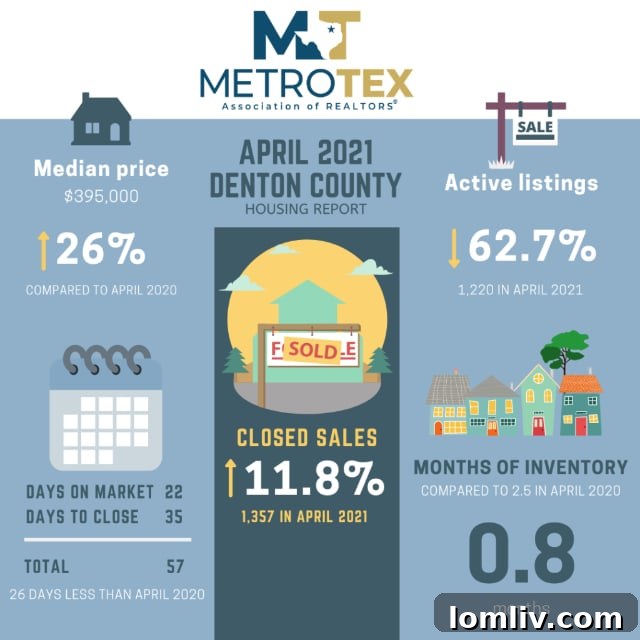
- Denton County: While specific sales figures for Denton County were not detailed in the same comparative manner, it notably distinguished itself in median sales price growth, which we will explore further.
These figures collectively illustrate a healthy, competitive market across the primary metropolitan counties of North Texas, each contributing its unique characteristics to the overall regional success story.
Understanding the “Skewed” Statistics: The Echo of the Pandemic
It is crucial to contextualize these striking year-over-year percentages. The term “skewed” statistics accurately describes the current situation, as the comparison base of April 2020 was an anomaly. During that time, the world was grappling with the initial shockwaves of the COVID-19 pandemic. Real estate transactions faced significant headwinds due to:
- Strict Protocols and Mandates: Government-imposed lockdowns, restrictions on non-essential activities, and social distancing guidelines severely hampered traditional home showings, open houses, and in-person meetings.
- Economic Uncertainty: Widespread job losses, business closures, and an unclear economic outlook led many potential buyers to pause their home-buying plans and sellers to withdraw listings.
- Supply Chain Disruptions: Even new construction projects faced delays due to labor shortages and material supply issues.
- Buyer Apprehension: A general sense of fear and uncertainty about health and financial stability deterred many from making major life decisions like purchasing a home.
Therefore, the substantial percentage increases observed in April are not solely indicative of an extraordinary surge in demand, but also a stark contrast to a period of unprecedented market suppression. While the underlying demand is undeniably strong, the growth rates are amplified by the low transaction volumes of the comparison period.
Drivers Beyond the Pandemic Effect: What Else Fuels North Texas Growth?
While the year-over-year comparison with a pandemic-affected period certainly magnifies the recent gains, the North Texas housing market’s strength is built on foundations far deeper than just a rebound. Several enduring factors continue to drive its remarkable growth, making it one of the nation’s most dynamic real estate markets:
- Robust Population Growth and Migration: North Texas, particularly the Dallas-Fort Worth metroplex, has consistently ranked among the fastest-growing regions in the United States. A steady influx of new residents, drawn by job opportunities, lower cost of living compared to coastal cities, and a high quality of life, creates persistent demand for housing. People are moving here from across the country, seeking new beginnings and more affordable homeownership prospects.
- Strong and Diverse Job Market: The region boasts a highly diversified economy with thriving sectors in technology, finance, healthcare, logistics, and corporate headquarters. Major companies continue to relocate or expand their operations in North Texas, creating thousands of new jobs annually. A strong job market directly translates to higher purchasing power and sustained demand for housing.
- Historically Low Interest Rates: For an extended period, mortgage interest rates have remained at historic lows, making homeownership more accessible and affordable for a broader segment of the population. These favorable lending conditions have encouraged both first-time buyers and those looking to upgrade, acting as a powerful stimulant for market activity.
- Limited Housing Inventory: A consistent challenge in the North Texas market has been the insufficient supply of homes for sale. Despite robust construction, the pace of new inventory entering the market has struggled to keep up with the overwhelming demand. This supply-demand imbalance creates intense competition among buyers, often leading to bidding wars and driving up prices. The lack of inventory is a key factor in the rapid appreciation seen across the region.
- Attractive Lifestyle and Amenities: Beyond economic factors, North Texas offers a compelling lifestyle. It boasts vibrant cultural scenes, numerous recreational opportunities, top-tier educational institutions, and a generally lower tax burden compared to many other major metropolitan areas. These quality-of-life factors make it an attractive place to live and invest.
- Investor Activity: The region’s strong appreciation rates and rental market appeal have also drawn significant interest from real estate investors, both individual and institutional. This investor activity, while sometimes contributing to inventory shortages for owner-occupants, also signals confidence in the long-term growth prospects of the North Texas market.
These multifaceted drivers ensure that the North Texas housing market’s current vibrancy is not merely a transient post-pandemic bounce but rather a continuation of a long-term growth trajectory.
The Rising Tide of Median Sales Prices
Beyond transactional volume, the appreciation in property values is another critical indicator of market health. In North Texas, median sales prices have soared, reflecting the intense competition and robust demand:
- Dallas County: Experienced a significant 24 percent increase in median sales prices from April 2020 levels. This substantial jump means homes in Dallas County are not only selling faster but also for significantly higher values.
- Denton County: Led the region in price appreciation, boasting an impressive 26 percent increase in median sales prices. Denton County’s surge highlights its growing popularity, driven by new developments, expanding amenities, and a desirable suburban lifestyle.
- Tarrant County: While not leading in price growth, Tarrant County also saw healthy appreciation, aligning with the regional trend of increasing property values.
The consistent rise in median sales prices across the North Texas counties reflects a sustained seller’s market, where properties often receive multiple offers and sell above asking price. This trend, while beneficial for sellers and existing homeowners, also presents challenges related to affordability for first-time buyers and those with limited budgets.
The Role of MetroTex and Reliable Data
The insightful statistics and analysis presented in market reports are critical for understanding the complex dynamics of real estate. The MetroTex Association of Realtors plays an indispensable role in this regard. As a leading professional organization, MetroTex provides current, monthly, and annual data reports that are instrumental for real estate professionals, policymakers, and the public.
These reports are not just raw numbers; they are meticulously compiled and supported by the expertise of the Real Estate Center at Texas A&M University. This collaboration ensures that the data is accurate, reliable, and provides a comprehensive overview of market trends. Such dependable information allows for informed decision-making, helping buyers and sellers navigate the market with confidence and helping real estate professionals provide the best possible advice to their clients.
Challenges and Opportunities in a Hot Market
While the booming North Texas housing market offers significant opportunities for sellers and economic growth for the region, it also presents distinct challenges:
- Affordability Concerns: Rapidly rising home prices can make homeownership increasingly difficult for first-time buyers, low-to-moderate income families, and those reliant on local wages. This can lead to displacement and impact the diversity of communities.
- Inventory Shortages: The persistent lack of available homes for sale continues to be a major hurdle. This scarcity fuels intense competition, pushing prices even higher and often leading to buyer fatigue. Addressing this requires a concerted effort in new home construction and policy adjustments.
- Sustainability of Growth: While current growth is robust, questions about its long-term sustainability naturally arise. Factors such as rising interest rates, potential economic shifts, or an eventual saturation of the market could temper future appreciation.
Despite these challenges, opportunities abound. For homeowners, equity growth is substantial. For investors, the rental market remains strong. And for developers, there’s a clear demand signal for new construction, particularly in diverse housing types to meet various affordability levels. Strategic urban planning and community development initiatives will be crucial in balancing growth with livability and accessibility.
Future Outlook for North Texas Real Estate
Looking ahead, the North Texas housing market is expected to remain dynamic, albeit with potential shifts in momentum. While the dramatic year-over-year percentage increases driven by the comparison to 2020 will likely normalize, the underlying fundamentals suggest continued strength. Population growth, job creation, and the region’s overall economic appeal are not expected to wane significantly in the short to medium term.
However, potential headwinds include rising mortgage interest rates, which could temper buyer enthusiasm and reduce purchasing power. An increase in new construction could also help alleviate inventory pressures, potentially moderating price growth to a more sustainable pace. The market may evolve from a frenzied seller’s market to a more balanced environment, but robust demand is anticipated to persist, particularly for well-located and competitively priced homes.
Local government policies around zoning, infrastructure, and affordable housing initiatives will also play a critical role in shaping the market’s future, ensuring that the benefits of growth are broadly shared across all segments of the population.
Conclusion
April’s real estate statistics for North Texas, though influenced by the unique circumstances of 2020, unequivocally demonstrate a market pulsating with energy and demand. Dallas County, alongside its regional counterparts, has showcased remarkable recovery and growth in both sales volume and median prices. As North Texas continues to attract new residents and businesses, its housing market remains a powerful engine of economic activity and a compelling indicator of the region’s enduring appeal. While challenges like affordability and inventory persist, the fundamental drivers of growth suggest a resilient and dynamic future for real estate across this vibrant Texas landscape.