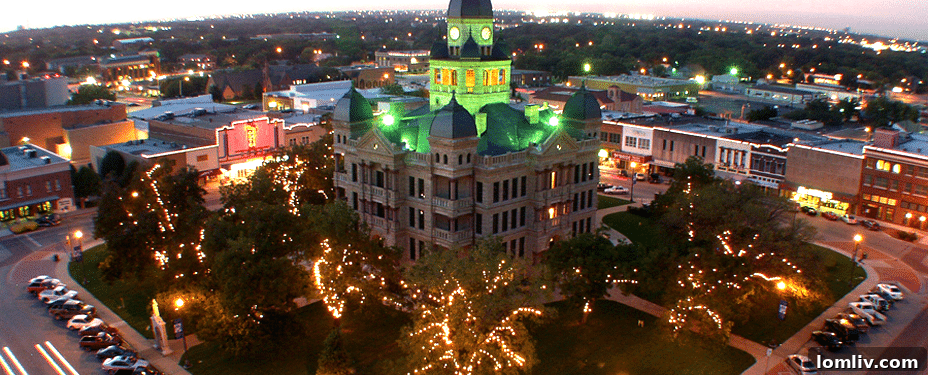
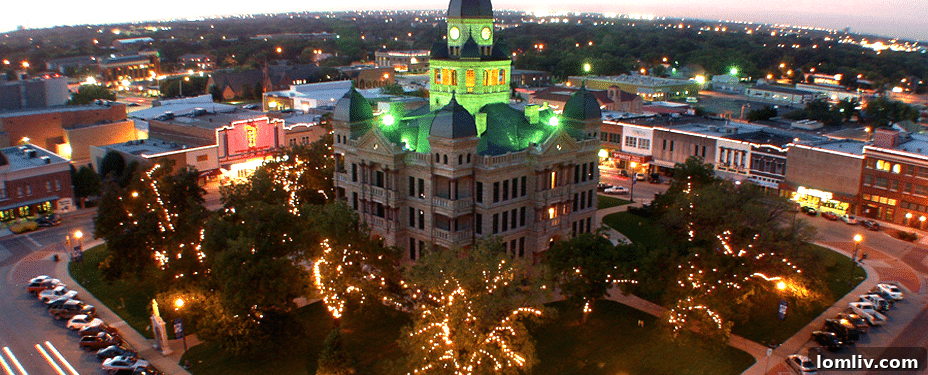
Denton, a jewel in the heart of North Texas, is rapidly emerging as a premier destination for Generation Z renters. This vibrant city has secured its position as the second-ranked Texas city of choice and an impressive 12th-ranked nationally when measured by the percentage of Generation Zoomer renters. This significant trend was highlighted in a comprehensive analysis conducted by RENTCafé, a leading authority in the rental market. The findings from this study underscore Denton’s growing appeal to the youngest adult generation, firmly establishing it as a Gen Z magnet within the competitive Texas real estate landscape.
The magnetic pull of Denton is easily understood. As the proud home to two distinguished institutions, the University of North Texas and Texas Woman’s University, Denton embodies the quintessential college town experience. Its lively streets and welcoming atmosphere foster a dynamic ecosystem of music, arts, and culinary delights, making it a hub of cultural activity. Beyond its academic prowess and vibrant urban core, Denton offers abundant opportunities for outdoor adventures, appealing to a generation that values work-life balance and recreational pursuits. Esteemed ranking platform Niche, which meticulously evaluates communities based on educational opportunities and living quality, has bestowed upon Denton stellar ‘A’ grades for its exceptional nightlife and celebrated diversity, further cementing its status as an attractive locale for Gen Z.
Generation Z renters, often referred to as Zoomers, encompass individuals born after 1997. The oldest members of this demographic reached the age of 23 in 2020, marking their full entry into the independent rental market. While other generational cohorts exhibited a decline in rental applications during the study period, the RENTCafé analysis, which scrutinized over 3 million RentGrow applications, revealed a substantial 36-percent nationwide surge in Gen Z renter applications. This dramatic increase signals a pivotal shift in the rental market, with Gen Z increasingly shaping demand and preferences across the nation.
The RENTCafé study meticulously analyzed rental application data spanning from January to November in both 2019 and 2020. This specific timeframe is particularly insightful as it captures market dynamics both before and during the initial phases of the global COVID-19 pandemic, allowing researchers to observe how unprecedented events influenced Gen Z’s housing decisions. By comparing these two periods, the study offers valuable insights into the evolving priorities and preferences of this impactful generation as they navigate their entry into adulthood and the professional world.
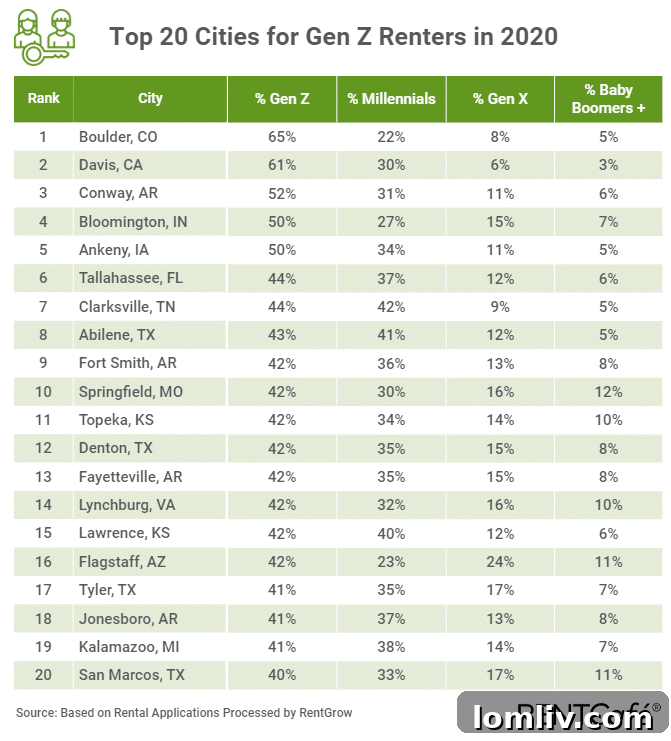
Denton’s strong appeal to Gen Z is prominently reflected in its demographic makeup: an impressive 42 percent of the city’s renters identified as belonging to Generation Z. This figure places Denton at the forefront of Texas cities in attracting young residents. While Denton’s share is remarkable, it was narrowly edged out by Abilene, another prominent university town boasting three four-year universities, which secured the highest percentage in Texas with a 43 percent share of Gen Z renters. Across the entire state of Texas, the overall Gen Z share among renters stood at 21 percent, highlighting Denton’s disproportionately high concentration of this demographic compared to the state average.
The generational distribution within Denton’s rental market further illustrates Gen Z’s dominance. Following Gen Z, Millennial renters constituted a significant 35 percent of the city’s tenant base, reflecting a continuing presence of the generation preceding Zoomers. Generation Xers accounted for 15 percent, while Baby Boomers represented 8 percent of Denton’s renters. This demographic breakdown underscores Denton’s evolving identity as a youthful and forward-looking city, with Gen Z now forming the largest segment of its renter population and increasingly influencing its cultural and economic landscape.
On a national scale, Boulder, Colorado, renowned for being home to the prestigious University of Colorado, emerged as the undisputed top city for Gen Z renters. Boulder truly stands as a haven for this generation, boasting an extraordinary 65 percent renter share belonging to Gen Z. This commanding figure is complemented by a remarkably low percentage of Millennials (22 percent) and single-digit percentages for Gen Xers (8 percent) and Baby Boomers (5 percent). The comparison between Denton and Boulder reveals a common thread: both cities offer a compelling mix of academic opportunities, vibrant community life, and an environment conducive to the lifestyle preferences of young adults, cementing their status as national leaders in attracting Gen Z.
The RENTCafé study also brought to light a significant trend shift within the Gen Z renter demographic. The share of Generation Zoomer applicants experienced a notable 11 percent increase between 2019 and 2020. Analysts have attributed this substantial change to a confluence of factors, primarily the profound impact of the COVID-19 pandemic, which reshaped priorities for many young individuals. This period saw a heightened desire for tighter intergenerational and geographic connections to their hometowns or familiar areas, often driven by family support and community ties. Furthermore, the pandemic accelerated a shift towards more affordable, smaller markets like Denton, where the cost of living offered a more sustainable option compared to the often-exorbitant prices of larger metropolitan areas. These factors combined to create a unique pull towards cities that could offer both affordability and a strong sense of community.
Denton’s compelling affordability is a cornerstone of its appeal, particularly for budget-conscious Gen Z renters. This aspect is clearly evidenced in Zumper’s monthly Dallas Metro Rent Report, which provides up-to-date rental market insights. According to the report, the average rent for a one-bedroom apartment in Denton stands at approximately $870 per month. This figure is significantly more attractive than the Texas median rate of $967, offering substantial savings to residents. Moreover, Denton’s rental costs are dramatically lower than those in many of its neighboring DFW suburbs, such as Frisco, where one-bedroom units command an average rent of $1,310. This stark contrast highlights Denton’s value proposition, positioning it as an accessible and desirable location for students and young professionals seeking quality living without the premium price tag.
The allure of Denton extends beyond immediate rental savings, promising long-term stability and growth for its young residents. For those Generation Zoomers who choose to establish deeper roots and potentially transition from renting to homeownership, Denton presents an equally attractive prospect. According to Niche, a trusted source for community rankings, Denton is proudly rated as the 41st-best city in America to buy a house. This ranking signifies the city’s robust housing market, characterized by favorable conditions for homebuyers, including manageable prices and a strong community infrastructure. This long-term appeal suggests that Denton is not just a transient stop for Gen Z, but a place where they can envision building a future, fostering careers, and contributing to a thriving community for years to come.
Denton City Leaders Address Rental Market Study Findings
Despite Denton’s undeniable success in attracting a young and vibrant population, the city’s rental situation faces ongoing challenges that require proactive attention. This was underscored in a comprehensive study presented to members of the Denton City Council in February, which outlined critical needs for the coming years. The report highlighted that, to effectively keep pace with Denton’s accelerating growth and accommodate its expanding population, nearly 9,500 rental and other diverse housing units must be constructed over the next five years. This projected demand emphasizes the urgent need for strategic development and planning to maintain the city’s appeal and affordability.
Analyzing Denton’s current housing landscape reveals a significant reliance on its rental market. Of the total 54,438 properties categorized within the occupied housing inventory in Denton, a substantial 27,907 are rental units. This means that rental properties constitute 52 percent of the city’s total occupied housing. This high proportion underscores the vital role the rental sector plays in housing Denton’s residents, particularly its large student population and the growing influx of Gen Z professionals. Ensuring an adequate supply of diverse and affordable rental options is crucial for sustaining the city’s demographic growth and economic vitality.
The detailed report, a collaborative effort by the Reinvestment Fund and Atria Planning, paints a clear picture of Denton’s dynamic housing market. As reported by the Denton Record-Chronicle, the study concluded that “The City of Denton’s housing market has been characterized by increasing demand and robust development activity in recent years.” This surge in demand is primarily driven by several key factors: excellent access to a burgeoning job market, attractive locational amenities such as a diverse array of restaurants and retail establishments, and a consistently high number of university students actively seeking off-campus housing. These elements collectively exert significant pressure on the housing supply, necessitating thoughtful and rapid expansion to meet future needs.
In conclusion, Denton stands out as a beacon for Generation Z renters, offering a unique blend of academic vibrancy, cultural richness, and crucial affordability. Its status as a leading city for this demographic, as confirmed by national studies, is a testament to its dynamic appeal. However, as Denton continues to grow and thrive, strategic planning and sustained development in its housing market will be paramount. By addressing the future demand for housing, Denton can ensure it remains an attractive, accessible, and welcoming home for Gen Z and all its residents, solidifying its reputation as a forward-thinking and flourishing Texas city well into the future.