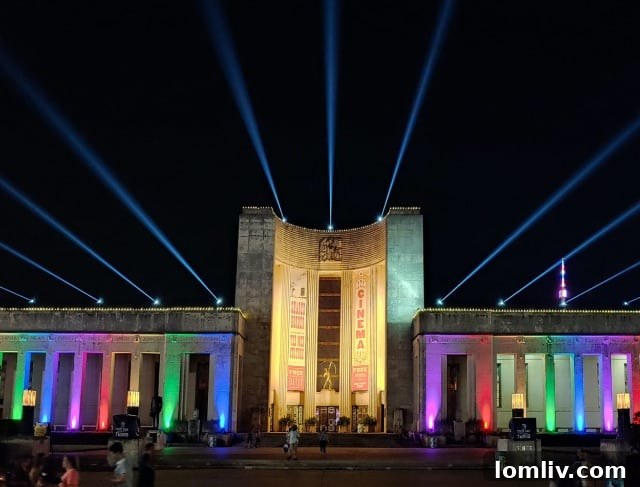
Dallas, a city often synonymous with rapid growth and a forward-thinking ethos of “bigger is better,” is incredibly fortunate to be home to a vibrant community of deeply dedicated historic preservationists. This dedication is not merely a preference but an essential force that ensures the city’s rich history, unique culture, and distinctive visual character remain vibrant and intact, flourishing against constant pressures for new development.
While Dallas is celebrated for its innovation and progress, this core group of preservationists tirelessly works to prevent the city from becoming just another anonymous, gleaming urban landscape. Through their unwavering commitment, the true character, texture, and soul of Dallas are preserved, reminding residents and visitors alike of its layered past and architectural heritage.
Over the coming months, we will embark on a journey to introduce you to these remarkable individuals – the dedicated preservationists who are pivotal in shaping Dallas’s identity and ensuring it is far more than just a series of mundane, modern structures. Our hope is that their stories will inspire you, perhaps even encouraging you to join their vital cause and contribute to safeguarding our collective heritage.
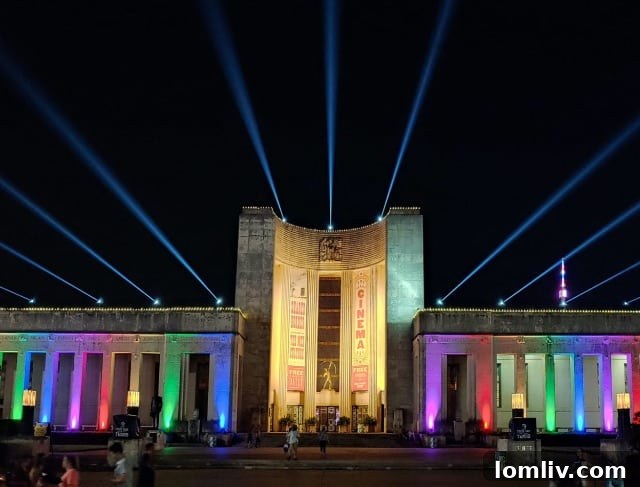
Our inaugural spotlight shines on architect Norman Alston, FAIA, a true visionary and my esteemed neighbor. Norman played an instrumental role in advising on the recent restoration and adaptive reuse of the iconic Lakewood Theater. His expertise is not merely academic; Norman possesses an unparalleled depth of knowledge combined with a rare and essential quality for any successful historic preservationist: profound common sense. This practical approach ensures that preservation efforts are not only historically accurate but also economically viable and functionally relevant for contemporary use.
To further illustrate Norman Alston’s philosophy and impact, here’s an excerpt from his firm’s website, encapsulating their mission:
For over three decades, Norman Alston Architects has consistently demonstrated the immense potential that lies in thoughtfully preserving significant historic buildings and sites. Their approach focuses on equipping these structures for productive, modern utilization, proving that preservation is not just an aesthetic endeavor but one that is economically advantageous, environmentally responsible, and culturally invigorating. The firm’s portfolio boasts numerous successful and award-winning restorations, renovations, and additions, all while adhering to the highest standards of historical integrity.
Norman Alston’s work epitomizes the delicate balance required in preservation. He understands that updates are often necessary to ensure a building’s longevity and functionality. Yet, these modifications are always executed with meticulous care, respecting the original fabric of the structure. As one of his project descriptions eloquently states:
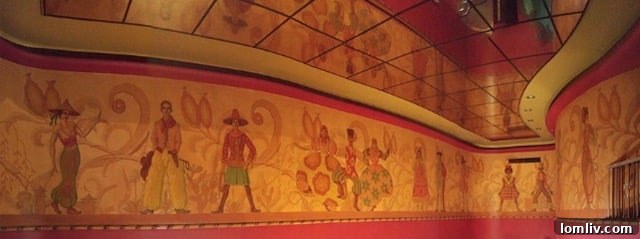
“True to good historic preservation practice, however, no important historic elements were removed and the updates are completely, and readily reversible.” This philosophy ensures that future generations retain the option to return a building to an earlier state if desired, making preservation a truly sustainable practice.
Defining Historic Preservation: More Than Just Old Buildings
When asked for his definition of historic preservation, Norman offers a clear, practical perspective. He suggests that “Anything that is 50 years old, with character-defining features, is probably worth preserving.” This 50-year benchmark serves as a general guideline, indicating a period when a structure has matured enough to possess distinct historical significance. However, he also acknowledges that “A structure younger than 50 can be important, but not necessarily historic.” This distinction is crucial, as it emphasizes that age alone is not the sole determinant. The presence of “character-defining features”—architectural elements, materials, and spatial arrangements that convey a building’s sense of time, place, and historical significance—is paramount.
Historic preservation, therefore, extends beyond merely maintaining old buildings; it’s about safeguarding the tangible links to our past. It involves understanding a structure’s architectural style, its social and cultural context, and its contribution to the broader urban fabric. This nuanced approach ensures that preservation efforts are meaningful and contribute to a deeper understanding of our shared heritage, rather than just preventing demolition for demolition’s sake.
A Path to Passion: How Preservation Discovered Norman
Norman’s journey into historic preservation wasn’t a pre-ordained career choice but rather a passion that found him. After graduating from The University of Texas’s architecture school, he spent his initial decade practicing what he describes as “normal architecture”—a conventional path that, while fulfilling, hadn’t yet ignited his deep passion for heritage. While he was aware of preservation as a specialized field at UT Austin, it remained somewhat separate from his direct professional focus.
The turning point arrived in 1988, presenting an unexpected opportunity to complete an AIA volunteer project. This project involved a small, unassuming house located within Fair Park. This wasn’t just any house; it was one of the four “Homes of the Future” conceptualized for the momentous 1936 Texas Centennial Exposition. Remarkably, it stands today as the sole survivor of that visionary exhibit, a testament to its innovative construction and resilience.
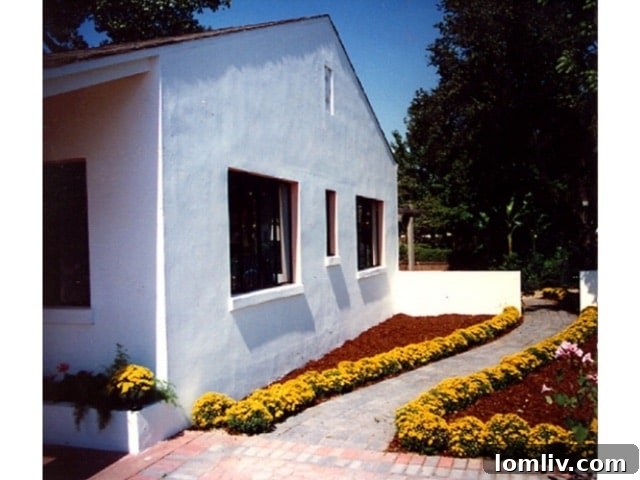
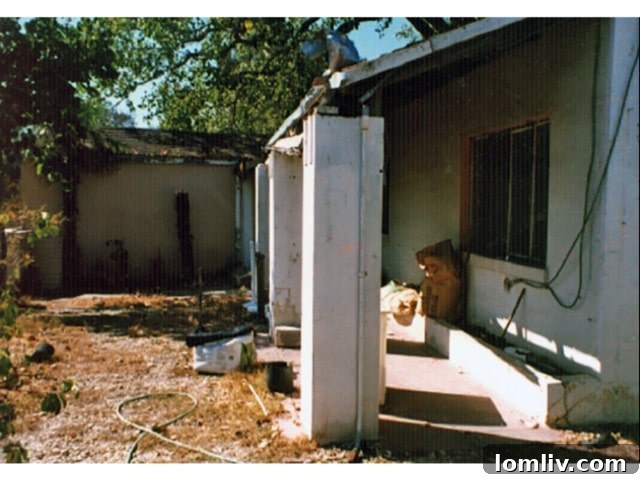
This “little house” utterly captivated Norman. He found himself consumed by the project, eagerly anticipating lunch breaks from his regular job just to work on it, and continuing his efforts late into the night upon returning home. It was this profound, hands-on experience that irrevocably steered him toward historic preservation. He poignantly states, “I feel like preservation discovered me.” This deep personal connection transformed his professional path into a true passion, a journey that he describes as profoundly fulfilling, demonstrating how a single project can redefine one’s life’s work.
A Connoisseur of Styles: Norman Alston’s Architectural Affinities
When discussing his favorite historic styles, Norman’s appreciation spans a rich tapestry of architectural periods. He holds a particular fondness for the Arts and Crafts movement, describing it as “just beautiful” and highlighting its unique expression within America. The Arts and Crafts style, known for its emphasis on handcrafted quality, natural materials, and simple forms, resonates deeply with his preservationist ethos.
Beyond this, he also expresses admiration for Victorian architecture, with its elaborate ornamentation and diverse forms, and a strong affinity for the sleek, often geometric designs of the Moderne era from the 1920s and ’30s. This period, encompassing Art Deco and Streamline Moderne, celebrated industrial materials and a futuristic aesthetic. More recently, Norman has developed a “new appreciation for Minimal Traditional,” a style that emerged mid-20th century, characterized by its pared-down classical elements and functional layouts. This diverse appreciation underscores his comprehensive understanding and respect for the varied expressions of historical architecture, recognizing the inherent beauty and cultural significance in each distinct period.
Milestone Projects: Defining Moments in a Preservation Career
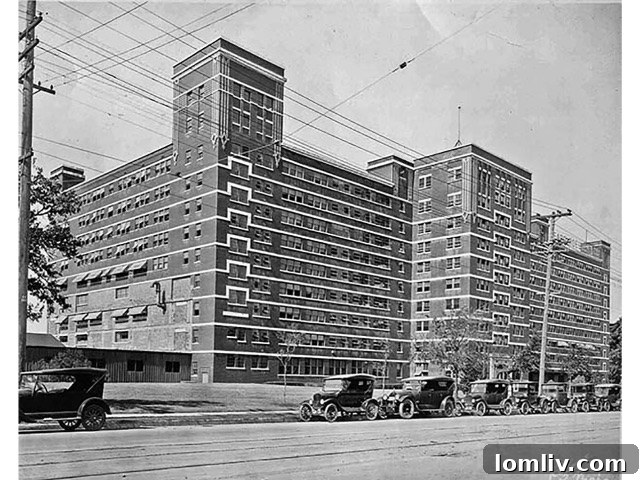
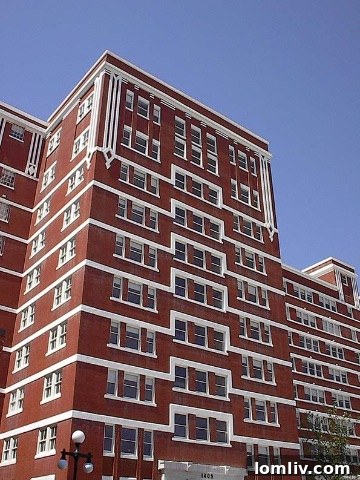
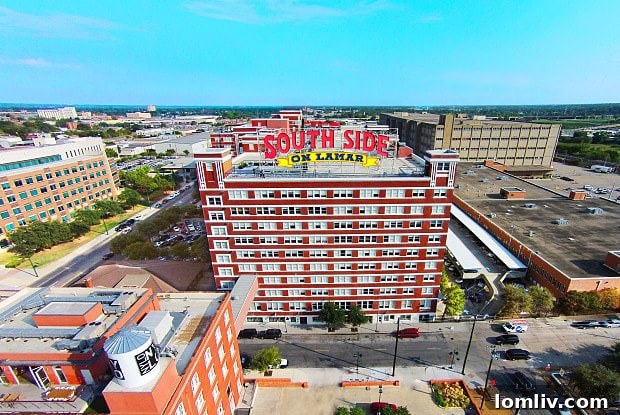
Pinpointing a single favorite project is challenging for Norman, given the depth and breadth of his career, but several stand out as particularly meaningful. He recalls South Side on Lamar as his “first large project,” a truly “transformational” undertaking. This massive adaptive reuse project converted the historic Sears warehouse into a vibrant mixed-use development, a pioneering effort in downtown revitalization.
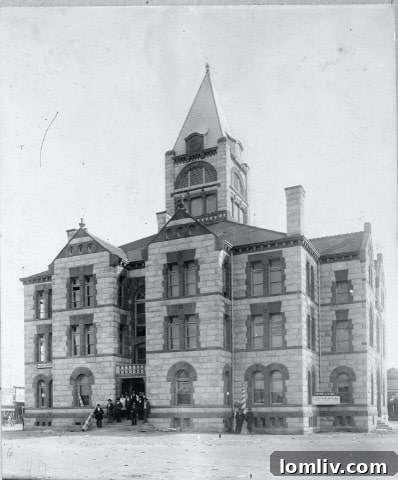
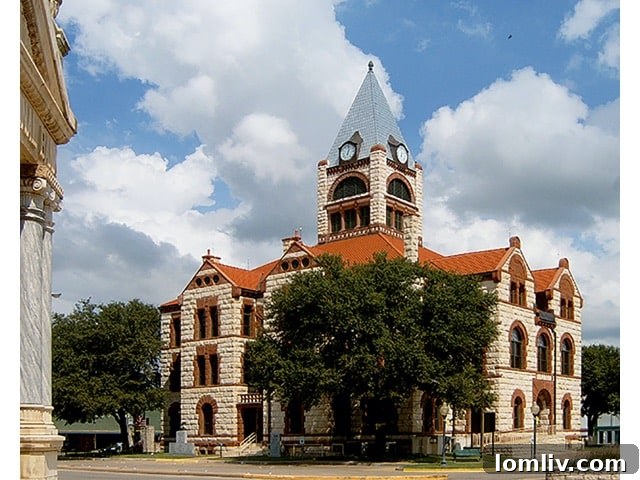
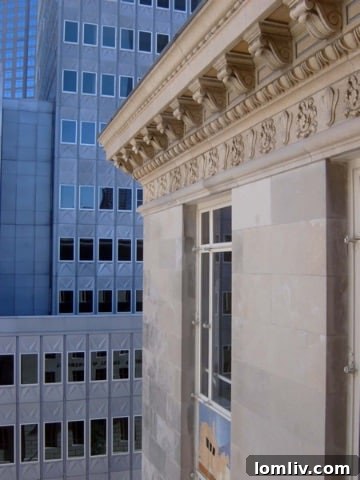
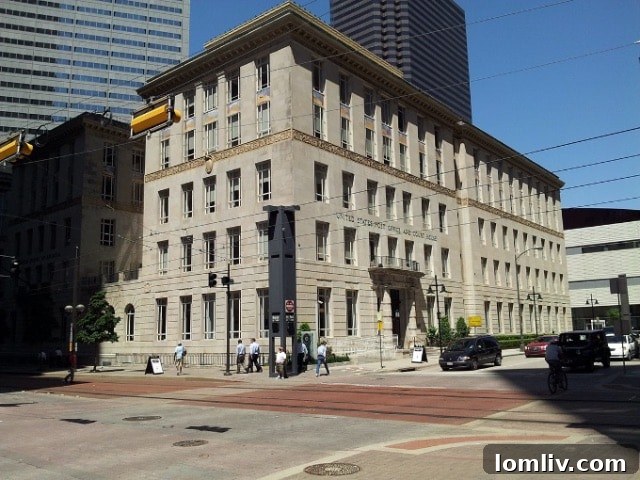
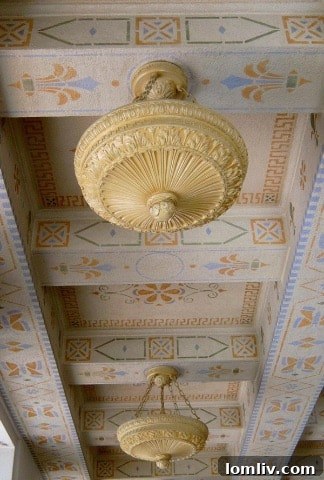
However, he describes the restoration of the United States Post Office and Courthouse Building downtown as “the best overall.” This project required meticulous attention to detail and a profound understanding of federal historical standards, resulting in the splendid revival of a civic masterpiece. The Erath County Courthouse, on the other hand, presented some of the most serious technical and design challenges he has encountered. With exacting clients and complex structural issues, this restoration demanded an exceptional level of skill and problem-solving. These three projects—South Side on Lamar, the U.S. Post Office and Courthouse, and the Erath County Courthouse—represent the pinnacle of his work, each offering unique challenges and immensely rewarding outcomes that underscore his significant contributions to historic preservation.
The Allure of Historic Neighborhoods: A Personal Connection
It’s a common observation that many historic preservationists choose to live within the very conservation or historic districts they champion. Norman Alston is no exception, and his personal connection to his Hollywood Heights neighborhood dates back to 1987. His wife’s discovery of the area played a pivotal role in their decision.
He recalls taking the express bus to his downtown job, while his wife, meeting him for lunch one day, rode the local bus which traversed Lindsley Avenue, passing directly through Hollywood Heights. She returned home captivated by this “wonderful neighborhood.” At the time, Hollywood Heights was somewhat of a hidden gem, partially due to the relatively recent construction of the bridge over the Santa Fe railroad tracks in 1979, which improved accessibility but still left it feeling secluded. With children and a desire to move from their previous home in Casa View, Hollywood Heights presented the perfect opportunity to embrace a community rich in character and history. Their decision proved enduring, as they have resided there ever since, demonstrating a lifestyle choice that perfectly aligns with Norman’s professional passion for preserving Dallas’s unique heritage.