A Journey Through Time: Unveiling the Historic Parkland Hospital and Nurses’ Quarters in Dallas
As the much-anticipated Preservation Dallas Architectural Tour approaches this Saturday, enthusiasts of historic preservation in Dallas are counting down the days. Following our recent exploration of the iconic Parks Estate, a beacon of careful restoration in East Dallas, today we turn our gaze to another monumental example of architectural revival: the former Parkland Hospital and Nurses’ Quarters.
For anyone eager to witness breathtaking historic architecture and learn about Dallas’s rich heritage this weekend, securing your tickets for the Preservation Dallas Spring Architectural Tour is highly recommended. This exclusive event offers a unique opportunity to step back in time. Tickets are available for $35 for Preservation Dallas members and $50 for non-members. Don’t miss this chance to support the preservation of our city’s treasured landmarks; purchase your tickets today!
I had the distinct privilege of receiving a personal preview tour last week, guided by insightful communications and facilities staff. This allowed me to trace the very path you’ll experience if you join the tour. Having moved to Dallas in 2005, just prior to Crow Holdings’ acquisition of the expansive Parkland Hospital campus, I initially lacked a profound personal or historical connection to the estate. My understanding was limited to its venerable age and its past as the county’s principal hospital. Little did I know, this complex held stories that would fascinate and inspire me.
The sale of this significant public building to a private entity in 2006 ignited a substantial debate within Dallas preservation circles. At the time, the fervor surrounding the transaction was lost on me, a newcomer to the city’s intricate history. However, years later, I now recognize the immense historical value and the incredible narrative embedded within this Dallas landmark. Touring the facility for the first time last week, now the impressive headquarters for Crow Holdings, filled me with a sense of wonder and a touch of regret for not appreciating its story sooner.
The Phoenix Rises: A Masterpiece of Restoration
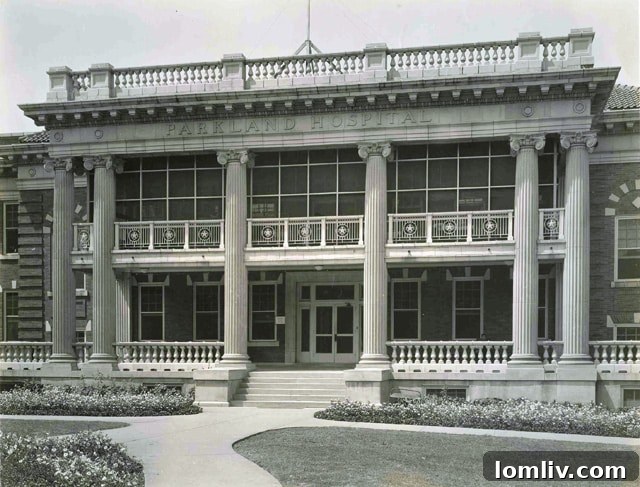
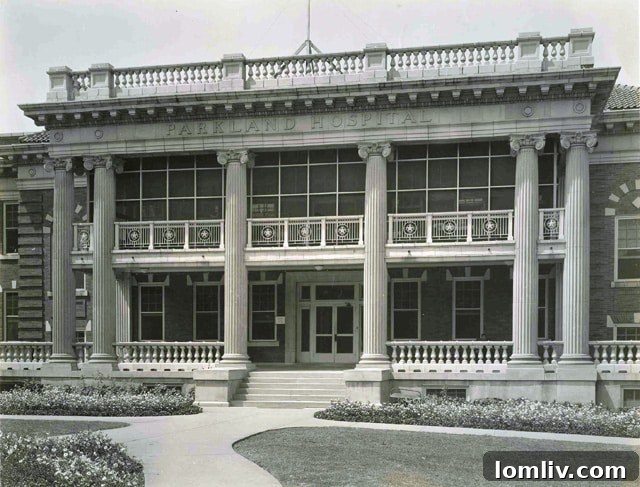
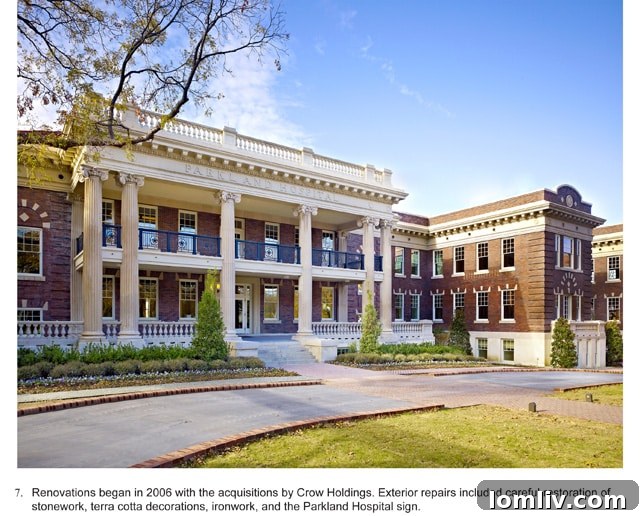
From its majestic front, the main Parkland Hospital building appears much as it did when it was first erected in 1913. Many long-time Dallasites will instantly recognize its distinctive facade, characterized by its stately two-story portico. The meticulous restoration efforts are evident in the pristine brickwork, the finely detailed cast stone pillars, ornate rails, and robust plinths, all carefully brought back to their original splendor. Considering the severe state of disrepair the building was in when Crow Holdings took ownership, this transformation is nothing short of a magnificent architectural feat, setting a new benchmark for architectural restoration in Dallas.
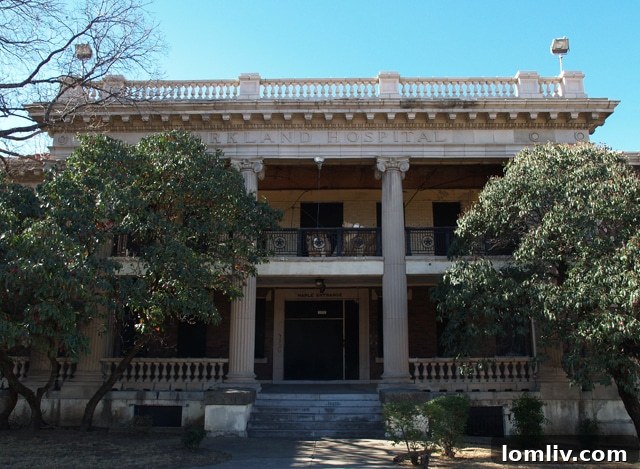
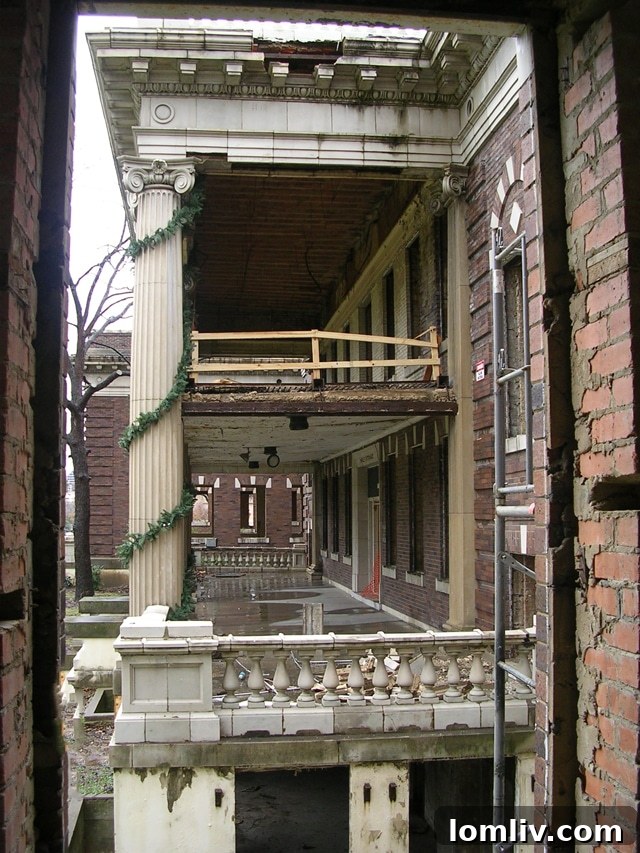
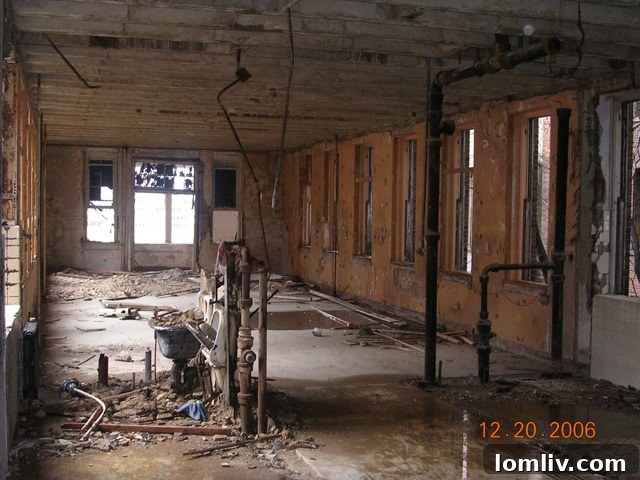
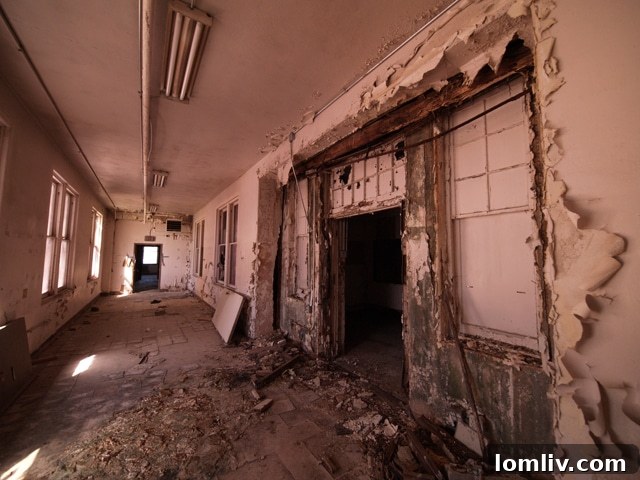
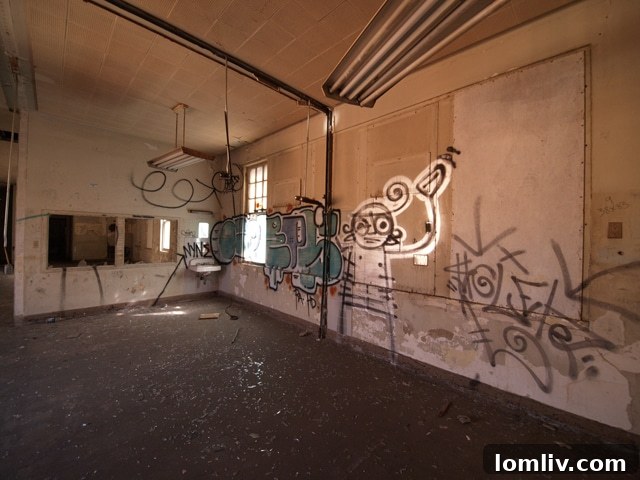
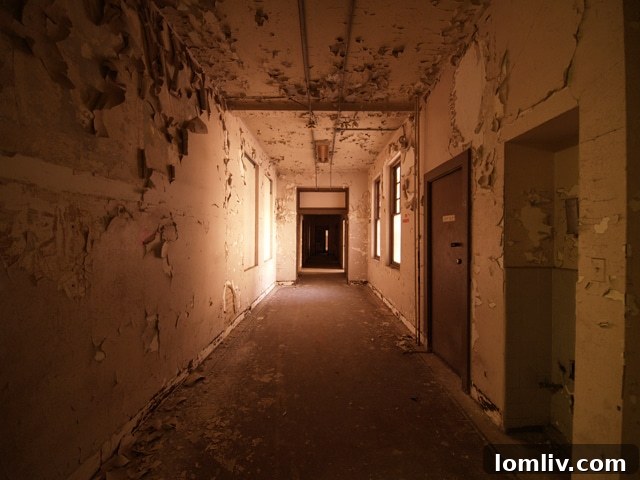
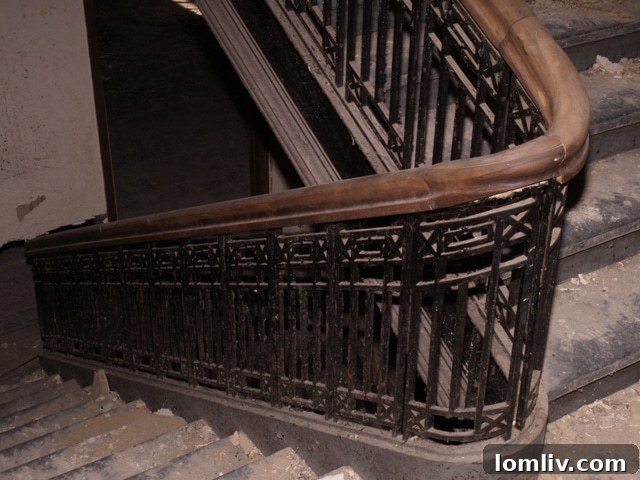
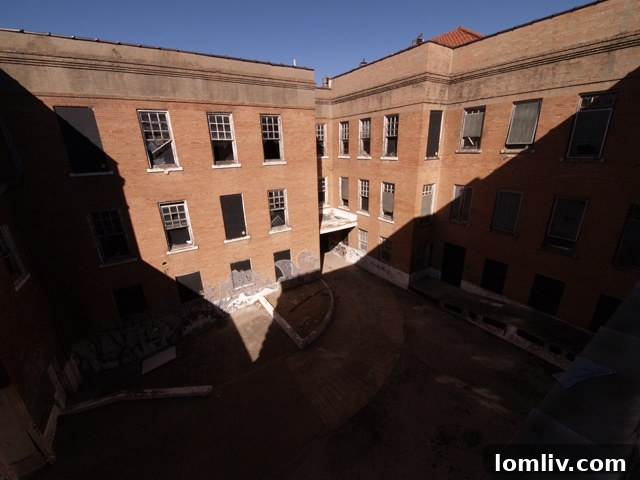
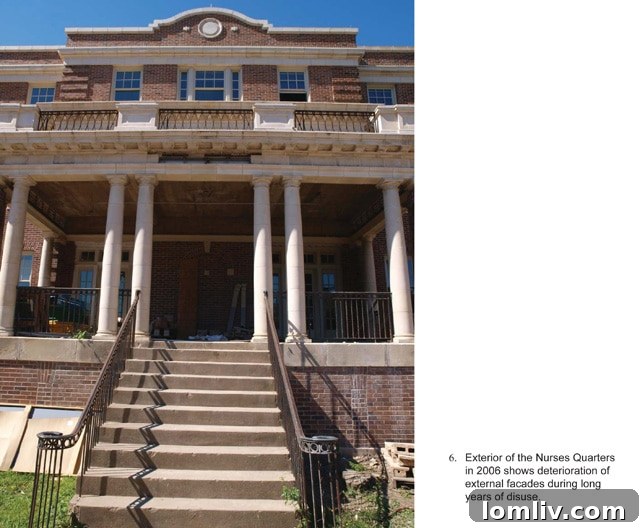
The images depicting the campus pre-acquisition paint a stark picture. It truly resembled scenes of urban decay often associated with architectural ruins, a sad sight for such a historically rich property. Yet, this entire campus, laden with potential, sat fallow in the vibrant heart of Uptown. Crow Holdings, however, saw not just opportunity but also a responsibility. They committed not only to the complete restoration of the main hospital and the Nurses’ Quarters but also ensured that all newly constructed buildings on the campus would meticulously complement the existing historic structures, both in their architectural style and period-appropriate design. This dedication to integrating new development with historic architecture speaks volumes about their vision.
The following images illustrate the profound transformation:
Seamless Integration: Modernity Meets Heritage
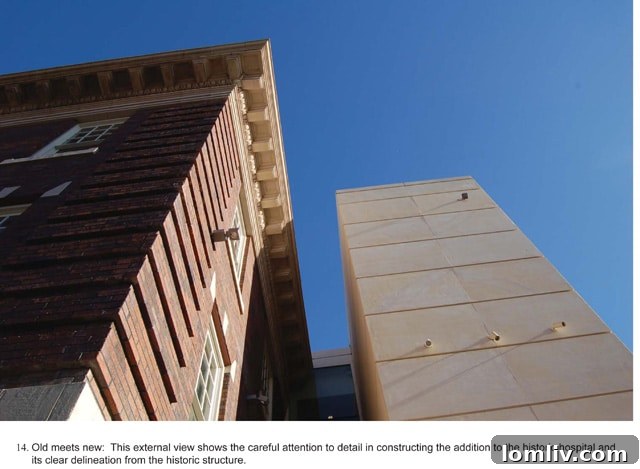
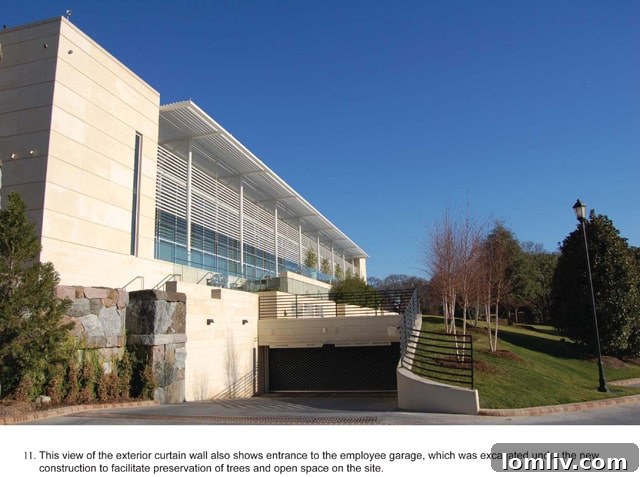
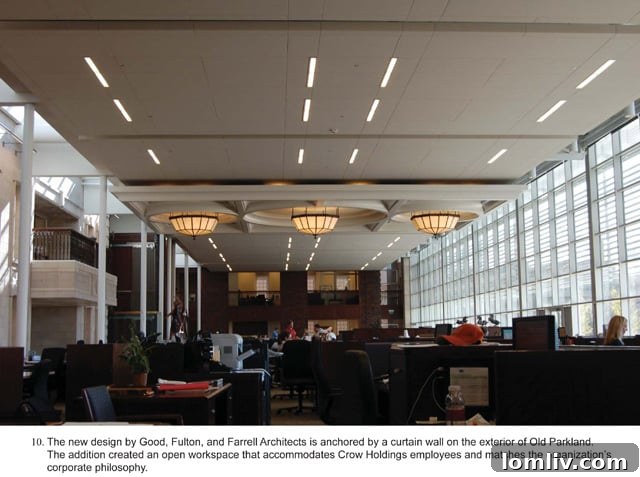
The results of this ambitious vision are truly breathtaking. The architectural firm Good, Fulton, and Farrell masterfully appended a modern, two-story atrium-style addition to the rear of the main building. This addition elegantly encases the original H-shaped wings of the hospital, featuring a striking glass curtain wall. This glass facade is artfully shaded by a brise soleil, a system of tubular metal elements gracefully descending from the roof, providing both aesthetic appeal and practical sun control. This contemporary design creates a compelling visual dialogue, offering a stark yet harmonious contrast to the historic building’s exterior, characterized by its classic brick cladding, robust cast stone plinths, and intricate dentil designs along the roofline. While the exterior resonates with a grand Greek Revival aesthetic, the interior, particularly in the restored sections, projects a formality and elegance far surpassing what one might expect from a former municipal institution.
Inside the Main Building: A Glimpse into Medical History
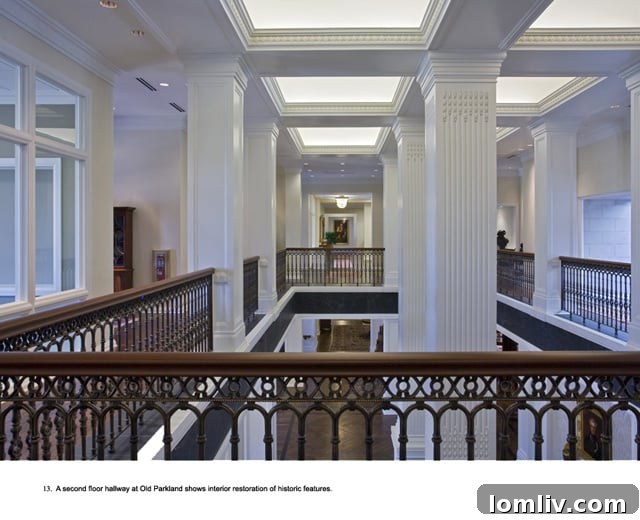
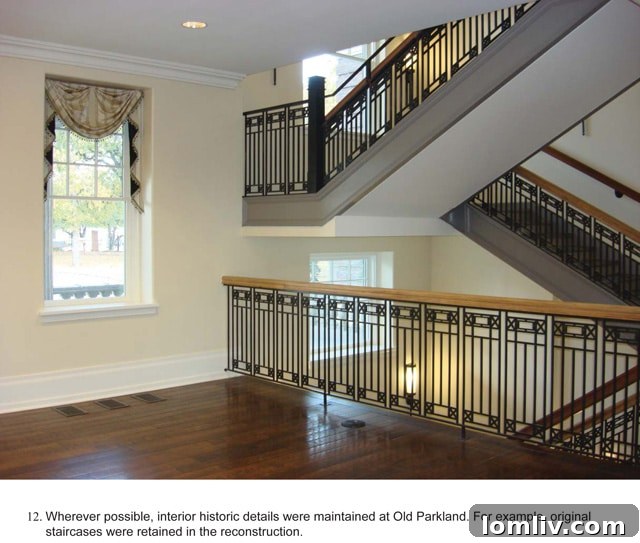
Upon entering the main hospital building through its grand front entrance, visitors are immediately greeted by the exceptional brick and stonework within the portico. This isn’t merely a replica; it’s the original brick from the 1913 construction, painstakingly re-grouted and cleaned to reveal its enduring beauty. Stepping into the lobby, one’s gaze is drawn upwards to the impressive interior columns and balconies, all featuring original stone and intricate ironwork that speak to the craftsmanship of a bygone era. Directly opposite the main doors, glass cases house an array of incredible relics from the hospital’s vibrant heyday. A meticulously preserved nurse’s uniform, a vintage yearbook, numerous photographs, and even antique medical implements are thoughtfully arranged, offering a tangible connection to how the facility once operated. There’s even an old time capsule, along with several photos illustrating the day-to-day life and bustling activity within the hospital’s walls, painting a vivid picture of its past.
Beyond its inherent architectural artistry, the main building serves as a sophisticated gallery, proudly displaying several magnificent paintings and sculptures. Among these are notable pieces by the renowned French sculptor Auguste Rodin, strategically placed throughout the campus, further elevating the aesthetic and cultural experience of Old Parkland. This fusion of art and architecture transforms the corporate campus into a living museum.
As you transition through the modern addition, take a moment to pause and look back. This perspective brilliantly showcases how the architects masterfully merged the historical structure with its contemporary counterpart, creating a cohesive and visually appealing interior design that respects both eras. Outside, the modern addition takes on an altogether different character. Beyond the inviting patio, a clear panoramic view of the entire Old Parkland Campus unfolds, with the harmoniously designed modern buildings situated to the west, completing this thoughtful urban planning. As you traverse the campus, pay close attention to the ground beneath your feet – numerous plaques line the walkways, highlighting points of interest and historical facts, enriching your exploration. Upon exiting the main building, veer right towards the impressive stone fireplace. This striking feature, constructed from granite blocks sourced from Upstate New York, remarkably found its way to the Parkland Campus via Berlin, adding another layer of international intrigue to its story.
The Nurses’ Quarters: A Portal to the Past
Your tour of the Nurses’ Quarters is an experience designed to transport you. Before stepping inside the rear of the building, take a deep breath and allow your imagination to wander. Envision what life might have been like for a dedicated trained nurse, residing on the Parkland Hospital campus back in 1922, the year this very building was constructed. Now, open the doors and prepare to be immersed. Words can hardly convey the sheer amazement I felt upon entering the long, inviting hallway, softly illuminated by charming hanging lamps. It felt less like walking down a corridor and more like embarking on a journey through a temporal portal, perhaps akin to a ritual initiation into a hallowed space. Portraits of figures from the past line the hallway, creating an ethereal sense of elders quietly watching over your passage, lending an air of solemn reverence to the experience.
At the hallway’s terminus awaits a magnificent two-story rotunda, grand and welcoming, anchored on one side by a majestic double fireplace. The warmth emanating from that deliciously inviting fire beckons you further into a hidden bastion of treasures: the library nook. Here, history comes alive through tangible artifacts. Gaze downwards to discover the inscribed signatures of notable political figures and celebrities, including George W. Bush and Mitt Romney, a testament to the enduring appeal of this historic site. Within the glass-encased shelves, a fascinating assortment of curiosities awaits your discovery, including a truly remarkable and poignant piece of history: a fragment of the curtain from Ford’s Theatre, famously found in the hands of Abraham Lincoln after his tragic assassination. Such artifacts offer profound connections to pivotal moments in American history, making the Nurses’ Quarters an unexpectedly rich repository of national heritage.
The American Experiment: Honoring Ideals
As you exit the captivating Nurses’ Quarters, do not miss the profound opportunity to explore “The American Experiment at Old Parkland.” This extraordinary installation is more than just an exhibit; it’s a living historical tribute, thoughtfully integrated outside the complementary structures on the west side of the campus. It comprises a series of powerful sculptures and intricate carvings, all dedicated to honoring our nation’s Founding Fathers and the enduring principles they championed. Many of these works feature quotes embedded directly into the sides of the buildings, serving as constant, tangible reminders of the foundational ideals upon which our country was built: limited government, individual rights, and the unwavering rule of law. This unique blend of art and philosophy transforms the campus into an active space for reflection and learning about American governance and liberty.
Your journey through “The American Experiment” would be incomplete without acknowledging the central sculpture in the roundabout: Eos, the winged goddess of the dawn. She majestically sits atop a towering 40-foot obelisk, surrounded by figures representing the Enlightenment thinkers who profoundly inspired our Founding Fathers. These powerful tributes include intellectual giants such as Adam Smith, whose ideas shaped economic thought; John Locke, a cornerstone of liberal philosophy; Thomas Jefferson, a principal author of the Declaration of Independence; and James Madison, often hailed as the “Father of the Constitution.” Together, these figures underscore the deep intellectual roots of American democracy and the timeless relevance of their contributions to freedom and governance.
A Legacy Preserved for Future Generations
The Old Parkland Campus is truly a tremendous treasure, a shining example of how historical buildings can not only coexist but also brilliantly integrate with new construction, some of which was completed just last year. This thoughtful development ensures that Dallas’s rich past is not merely preserved but actively celebrated and re-imagined for future generations. The seamless blend of classic and contemporary architecture creates a dynamic environment that honors heritage while embracing innovation.
Witness this incredible fusion of history and modernity for yourself with fresh eyes this Saturday during the Preservation Dallas Spring Architectural Tour. It’s an unparalleled opportunity to experience firsthand the meticulous restoration efforts, the innovative architectural design, and the profound historical narratives embedded within the Old Parkland Campus. Don’t miss your chance to explore one of Dallas’s most significant landmarks and contribute to the ongoing efforts of Dallas preservation. Secure your tickets right here and prepare for an unforgettable journey through Dallas’s architectural soul.