Navigating the New Parking Landscape at Dallas Farmers Market: A Comprehensive Guide
The bustling Dallas Farmers Market, a cornerstone of community and commerce in the heart of the city, is undergoing a significant operational change impacting how visitors park. In a pivotal move approved last week by the City Council’s Economic Development Committee, a new paid parking policy is being implemented for patrons who linger beyond a two-hour grace period. This decision marks a notable shift, not only for the market itself but potentially for parking management strategies across Dallas, signaling a forward-thinking approach to urban infrastructure and economic vitality.
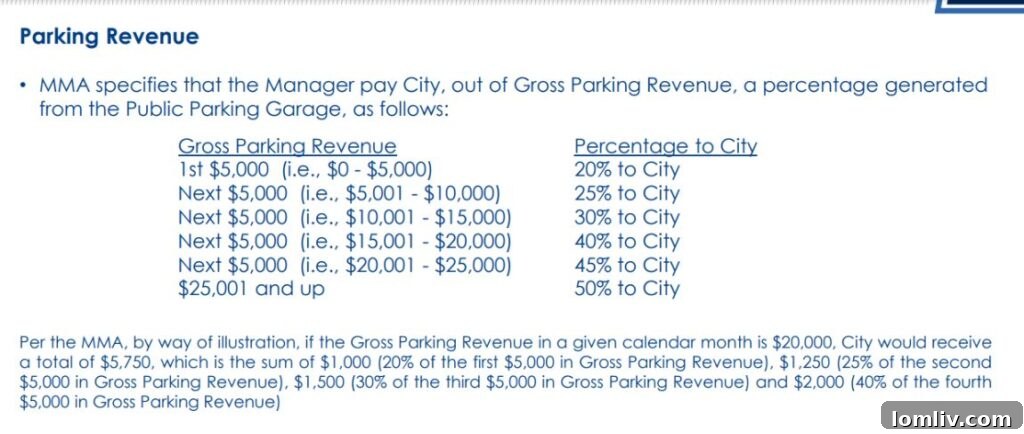
Effective immediately, visitors to the Dallas Farmers Market will continue to enjoy the first two consecutive hours of parking absolutely free. However, for any additional hour beyond this complimentary period, a charge of $3 will apply. To ensure fairness and prevent excessive long-term occupancy, a maximum daily charge of $18 has been set for any 24-hour period. This structured approach aims to strike a crucial balance between providing convenience for genuine market patrons and optimizing the utilization of valuable parking resources, ensuring availability for a wider array of shoppers throughout the day.
At its core, this new parking fee structure is an innovative effort to generate a much-needed revenue stream for the Farmers Market Tax Increment Financing (TIF) District. City officials believe this initiative could also serve as a crucial catalyst for broader parking reform discussions and implementations throughout Dallas. By fine-tuning parking regulations in this prominent urban area, the city hopes to set a precedent for more efficient, equitable, and sustainable parking solutions city-wide, addressing long-standing challenges in urban planning.
According to Kevin Spath, Assistant Director of Economic Development, the average visitor to the Dallas Farmers Market typically spends approximately 1.5 hours. This data point is critical as it indicates that the vast majority of genuine market-goers will likely remain unaffected by the new charges, continuing to benefit from the ample free parking provided. The market has been supported by a substantial 300-space free parking garage since 2017, a facility that, while beneficial, has inadvertently become a target for unintended long-term use by individuals not directly visiting the market.
Strategic Parking Management: Addressing Long-Term Occupancy and Enhancing Access
The primary rationale behind the implementation of paid parking is to strategically address the challenge of unauthorized long-term parking, which has been impacting the market’s accessibility. “People living and working downtown are parking for free and taking up valuable Farmers Market short-term customer parking,” Spath highlighted in an October 2 presentation to the committee. This misuse of the parking facility diminishes its availability for genuine market customers, who are often looking for quick, convenient access to fresh produce, artisanal goods, and unique dining experiences.
Spath further elaborated on the strategic intent of the new policy: “Paid parking acts as a parking management tool by encouraging parking turnover. It is not intended to be overly burdensome for short-term parkers but would discourage long-term parkers.” This statement succinctly encapsulates the policy’s core goal: to optimize parking availability, significantly enhance the customer experience, and ensure that the market remains easily accessible for its intended audience. By discouraging all-day parking by non-market patrons, the city aims to free up spaces for a greater number of short-term visitors throughout the day, ultimately boosting market foot traffic and providing crucial support for local vendors and businesses operating within the district.
Moreover, this initiative is more than just about revenue; it’s about creating a fairer system. The previous model, while offering convenience, inadvertently subsidized parking for downtown commuters and residents who were not utilizing the Farmers Market. The new system redirects this benefit back to market operations and genuine patrons, ensuring that the valuable urban real estate dedicated to parking serves its intended purpose: facilitating commerce and community engagement at one of Dallas’s most cherished public spaces.
Seamless Payment and Enforcement: A Modern Approach to Urban Parking
The new parking system at the Dallas Farmers Market is designed for unparalleled efficiency and user-friendliness, leveraging cutting-edge technology to simplify the parking process for everyone. For those who exceed the initial two-hour complimentary period, settling parking fees is designed to be straightforward and hassle-free. Visitors can easily settle their parking fees using a QR code provided prominently within the garage. Alternatively, an advanced automated system utilizing license-plate readers and strategically placed cameras throughout the garage will accurately record vehicle entry and exit times. If payment isn’t made on-site, an invoice will be efficiently generated and mailed to the vehicle owner, ensuring accountability without direct confrontation.
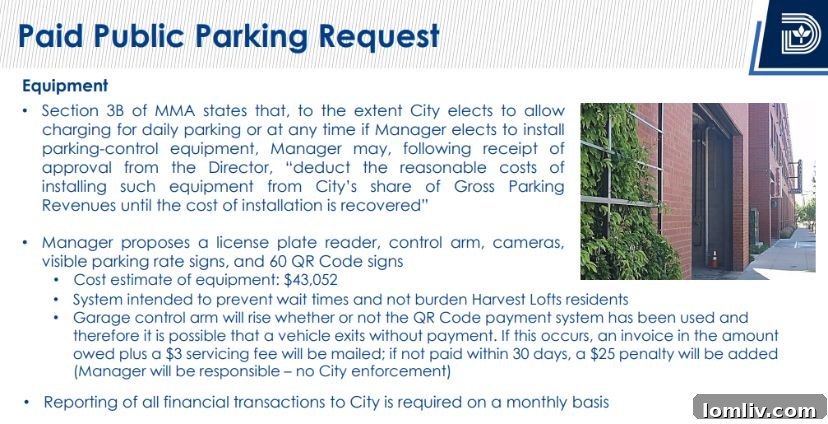
A key feature of this innovative system is its paramount focus on maintaining a fluid traffic flow. “The system is designed to prevent waiting and queuing,” Spath explained, emphasizing the user-centric design. “The garage control arm will raise whether payment has been made so the vehicle can still exit.” This intelligent design ensures a continuous, smooth flow of traffic, effectively preventing bottlenecks and significantly improving overall efficiency, particularly during peak market hours. On the enforcement side, the process is equally streamlined and non-punitive. “On the enforcement side, the manager will be able to send invoices through their parking vendor. They can’t enforce citations but they can send invoices to collect as a receivable.” This crucial distinction means that while parking violations won’t result in traditional citations, outstanding fees will be pursued through a civil invoicing system, emphasizing recovery of costs and fair compensation for parking services rather than punitive fines. This modern approach aims to encourage compliance while minimizing inconvenience and maximizing efficiency for all users.
Dallas’ Broader Vision: Driving City-Wide Parking Reform and Urban Evolution
The valuable insights gleaned from the Farmers Market TIF study are not destined to be isolated to this single location; they are poised to become a crucial blueprint for addressing pressing parking needs across downtown Dallas and other high-density areas of the city. District 1 Councilman Chad West has been a vocal proponent of this broader application, suggesting that the Farmers Market’s experience could inform a more comprehensive and forward-thinking city-wide parking strategy, fostering sustainable urban development.
Councilman West has recently championed significant parking reform in Dallas, advocating for a profound departure from the city’s long-standing “one-size-fits-all” approach to parking mandates. Currently, Dallas often mandates a minimum number of parking spaces for new developments, a policy many urban planners and developers argue can lead to excessive asphalt landscapes, increased construction costs for developers, and ultimately, less walkable, less vibrant, and less sustainable urban environments. West’s progressive proposal suggests empowering developers to determine the optimal number of parking spaces needed for their specific businesses and projects, aligning parking provisions more closely with actual market demand and the unique characteristics of each development rather than arbitrary, blanket minimums.
This proposed shift in parking policy has sparked considerable debate, highlighting the complex interplay between urban planning, economic development, and community needs. Proponents argue that it offers greater flexibility in design, reduces unnecessary construction costs, encourages alternative modes of transportation such as walking, cycling, and public transit, and promotes more efficient land use, leading to denser, more pedestrian-friendly districts. By allowing market forces and specific business needs to dictate parking supply, cities can foster more dynamic and sustainable urban fabrics. However, opponents express valid concerns that if businesses do not provide enough on-site parking, vehicles could “spill over” into adjacent residential neighborhoods, creating congestion, parking scarcity, and significant inconvenience for residents. The Dallas Farmers Market initiative, therefore, serves as a crucial pilot program, offering real-world data and invaluable insights into the practical implications and potential successes of such widespread urban reforms, helping to shape Dallas’s future urban landscape.
Deeper Dive into Dallas’ Tax Increment Financing (TIF) Districts: Fueling Urban Growth
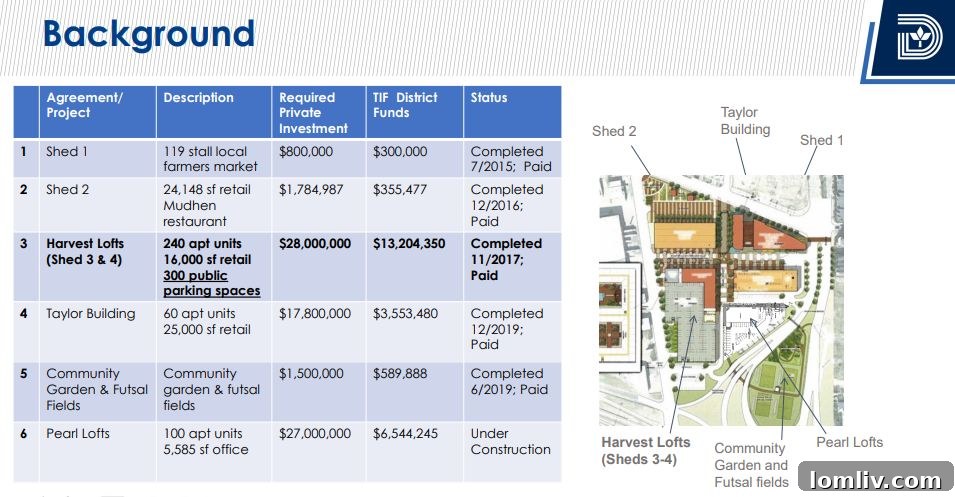
The Dallas Farmers Market is not an isolated entity in the city’s urban development strategy; it operates within one of the 20 vital tax increment financing districts strategically established by the City of Dallas. TIF districts are powerful and widely used economic development tools meticulously designed to stimulate private investment and facilitate crucial public improvements within designated areas that might otherwise struggle to attract significant development. The core principle of a TIF district revolves around capturing the “increment” of property tax revenue generated by new development and reinvesting it directly back into that same district, creating a self-sustaining funding mechanism for urban revitalization.
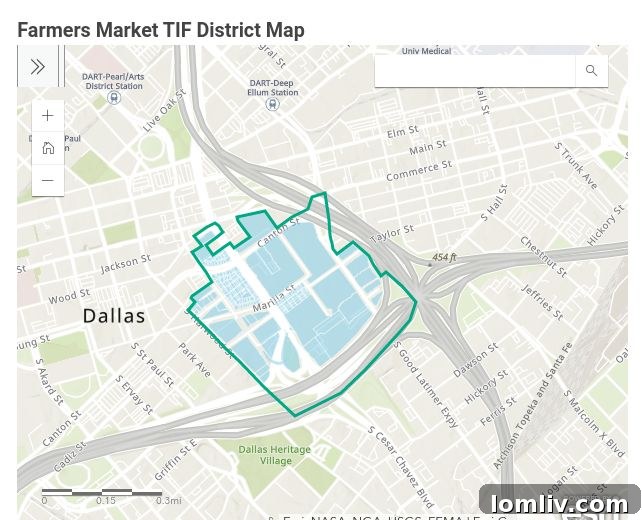
Here’s a detailed explanation of how this innovative financial mechanism operates: when a TIF district is initially created, a “base value” for property taxes within that defined geographical area is meticulously established. As property values within the district subsequently increase due to a variety of factors—such as new construction, significant rehabilitation projects, or general economic growth—the property tax revenue collected from these rising values also naturally grows. The crucial element is that the additional revenue collected above the predefined base value – specifically termed the “increment” – is then allocated to a special fund that is earmarked exclusively for public improvements and projects within that very TIF district. These vital improvements can encompass a wide range of initiatives, including essential infrastructure upgrades (like roads, utilities, and sidewalks), enhancements to public amenities (such as parks and plazas), support for affordable housing initiatives, and in this specific case, the ongoing maintenance, operational costs, and future development of essential facilities like the Dallas Farmers Market parking garage.
The revenue generated from the new paid parking system at the Dallas Farmers Market will directly contribute to this critical TIF district fund. Assistant Director Spath shared optimistic financial projections, stating that city officials anticipate the parking garage will initially bring in approximately $4,000 to $5,000 per month for the city during its inaugural month of operation. This figure is then expected to steadily and significantly increase, reaching an estimated $17,000 per month as the system becomes more established, widely understood, and efficiently utilized by market patrons. This consistent and growing revenue stream is absolutely vital for the long-term sustainability, continued development, and ongoing enhancement of the Farmers Market area, ensuring it remains a vibrant, accessible, and attractive destination for both residents and visitors for years to come.
Commitment to Oversight and Future Adaptation: Ensuring Long-Term Success
Acknowledging the dynamic and ever-evolving nature of urban planning and the potential widespread impact of new municipal policies, Councilman Omar Narvaez emphasized the critical importance of regular review and evaluation. He specifically expressed his desire to revisit the paid parking program in two years, allowing for a comprehensive, data-driven assessment of its overall effectiveness, its financial performance against initial projections, and its broad impact on market visitors, local businesses, and the surrounding urban areas. This proactive commitment to future oversight ensures that the policy remains agile, adaptable, and responsive, capable of being modified or refined based on real-world operational data and valuable feedback from the community.
Such a dedicated review period will enable city officials to thoroughly evaluate whether the program is successfully achieving its multifaceted objectives of encouraging optimal parking turnover, generating the anticipated revenue for the TIF district, and crucially, supporting the continued vitality and accessibility of the Dallas Farmers Market. It will also provide an invaluable opportunity to identify and address any unforeseen operational challenges or unintended consequences that may arise, ensuring that the Dallas Farmers Market not only remains a cherished and accessible community asset but also a model for effective urban parking management. This iterative approach underscores a commitment to continuous improvement and responsiveness to the city’s evolving needs.
The Dallas Farmers Market: A Thriving Urban Oasis at the City’s Heart
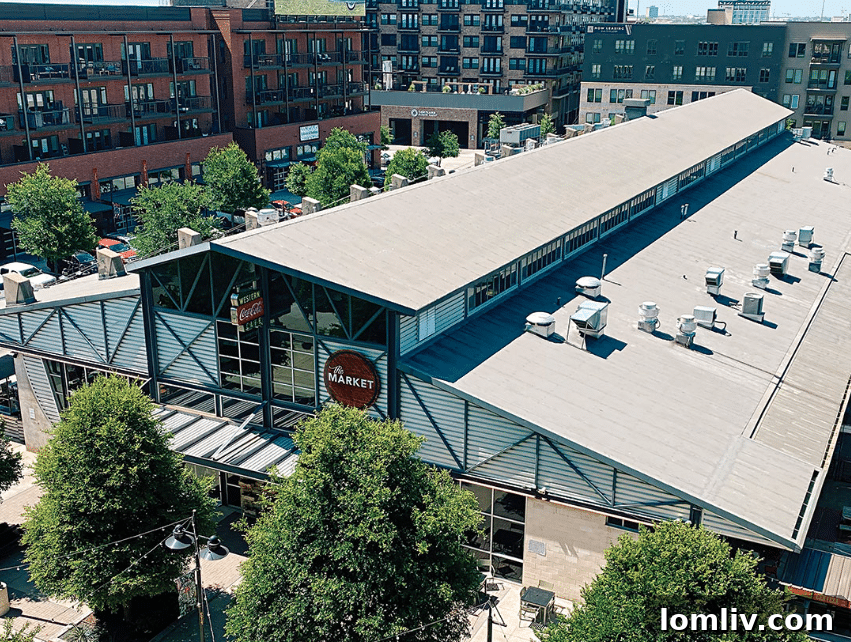
Beyond the operational details of parking logistics and financial mechanisms, it is crucial to remember the vital and irreplaceable role the Dallas Farmers Market plays in the city’s rich cultural and economic fabric. Located in a historically significant and rapidly revitalizing part of downtown Dallas, the market has transformed into a vibrant urban oasis, offering much more than just fresh produce. It serves as a bustling hub where residents and tourists alike can connect directly with local farmers, discover unique artisanal crafts, savor diverse culinary experiences from local vendors, and immerse themselves in a lively, community-focused atmosphere that celebrates local talent and enterprise.
The market’s extensive revitalization efforts, significantly supported by the Farmers Market TIF district, have greatly enhanced its appeal, establishing it as a premier destination for enjoyable weekend outings, responsible healthy grocery shopping, and engaging cultural events throughout the year. By implementing thoughtful and strategic parking management strategies, such as the new paid parking policy, the City of Dallas aims to ensure that this crucial community asset remains easily accessible, financially sustainable, and capable of serving its growing patron base for generations to come. The new parking policy, while a change that requires adaptation, is ultimately geared towards preserving and enhancing the market’s vibrancy by managing its essential resources effectively, allowing an even greater number of people to comfortably enjoy everything this exceptional Dallas landmark has to offer, reinforcing its status as a cornerstone of urban life.