Starbucks Oak Lawn: A Deep Dive into Dallas’s Unfulfilled Urban Development Promises
Back in April 2017, the proposed Starbucks at the vital intersection of Oak Lawn and Congress Avenues in Dallas sparked considerable debate. Initial concerns revolved around the potential for significant traffic generation, the imposition of complex and circuitous vehicular routes, and what appeared to be a concerning lack of engagement from the local neighborhood committee. Today, several years after the establishment’s opening, it is imperative to revisit those early apprehensions and meticulously examine the outcome. Has this high-profile development truly delivered on its promises, or does it stand as a stark example of the challenges inherent in urban planning, development oversight, and community trust in Dallas?
This comprehensive analysis aims to scrutinize the glaring discrepancies between the ambitious plans presented to the community and the reality that has unfolded on the ground. From the envisioned lush, green spaces to the crucial traffic management strategies, we uncover a pattern of unfulfilled commitments. This situation not only impacts the immediate vicinity of the Starbucks but also raises broader questions about developer accountability, the efficacy of municipal oversight, and the long-term well-being of one of Dallas’s most dynamic and densely populated neighborhoods.
The Green Dream vs. The Stony Reality: Unraveling Landscaping Failures at Oak Lawn
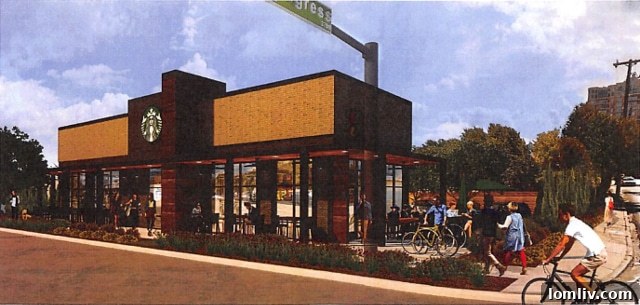
One of the most visually apparent and disappointing divergences from the original Oak Lawn Starbucks development plan lies in its landscaping. The initial renderings, crucial in securing community and city approval, depicted a vibrant, inviting green belt surrounding the building. This vision promised an aesthetic enhancement to the urban streetscape and a more pleasant experience for both pedestrians and patrons.
The developer’s representative, Angela Hunt, presented captivating designs that showcased not only extensive greenery but also functional amenities like comfortable seating areas along Oak Lawn Avenue and dedicated bike racks. These features were intended to create a community-friendly space that seamlessly integrated with the active lifestyle of the Oak Lawn neighborhood, promoting walkability and sustainable transportation.
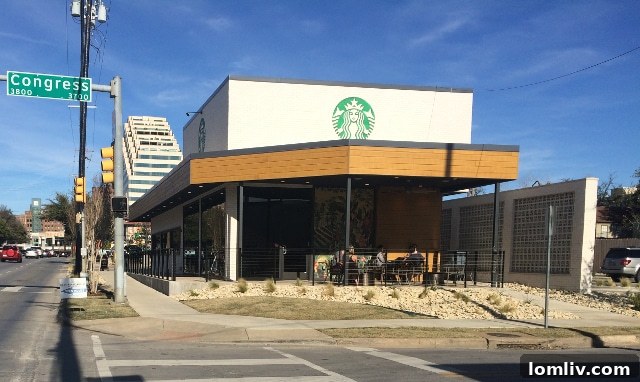
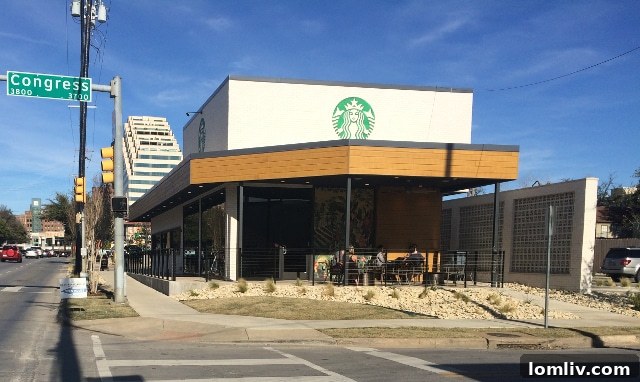
However, the current reality stands in stark contrast to this verdant promise. The much-touted “green belt” is largely absent. Instead, visitors are greeted by expansive rock beds, a sparse scattering of small, often struggling, plants, and only tiny patches of grass visible from the corner of Oak Lawn Avenue. These meager attempts at greenery give the impression of a hastily completed project, far removed from the lush, inviting environment that was initially sold to the public. It resembles more of a utilitarian, low-maintenance “desert-scape” than a thoughtfully designed urban green space.
Adding to the list of unfulfilled promises, the welcoming seating along Oak Lawn Avenue has been completely removed, its place taken by a concrete access ramp. While adherence to ADA (Americans with Disabilities Act) requirements is absolutely critical and non-negotiable, it raises serious questions about the initial planning and design process. For experienced developers handling “cookie-cutter” Starbucks builds, the necessity of ADA-compliant access should have been a foundational element of the design, not an afterthought that led to the removal of other promised public amenities. A truly well-executed development integrates accessibility from its inception, ensuring that it enhances, rather than detracts from, other community benefits.
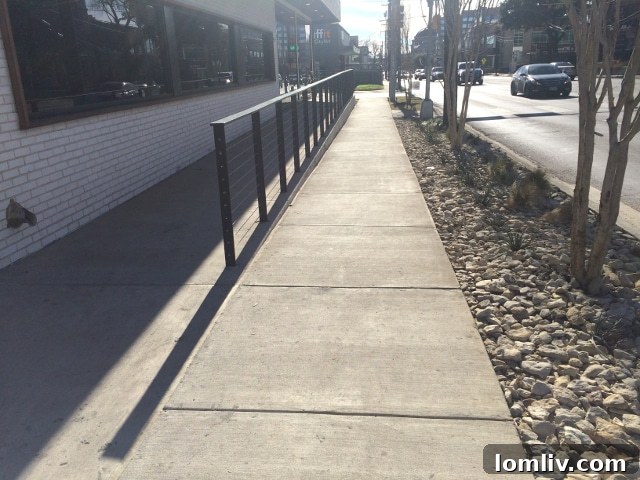
This prevailing use of rocks and minimal vegetation is not merely an aesthetic issue; it represents a significant missed opportunity for the Oak Lawn community. Green spaces in urban areas are vital for numerous reasons: they help mitigate the urban heat island effect, improve air quality, assist in stormwater runoff management, and provide essential psychological and aesthetic relief from the dense urban fabric. The current design at the Starbucks site offers none of these ecological or social benefits, instead presenting a barren, uninspiring environment. It appears designed simply to deter weed growth rather than to cultivate a vibrant, sustainable community space.
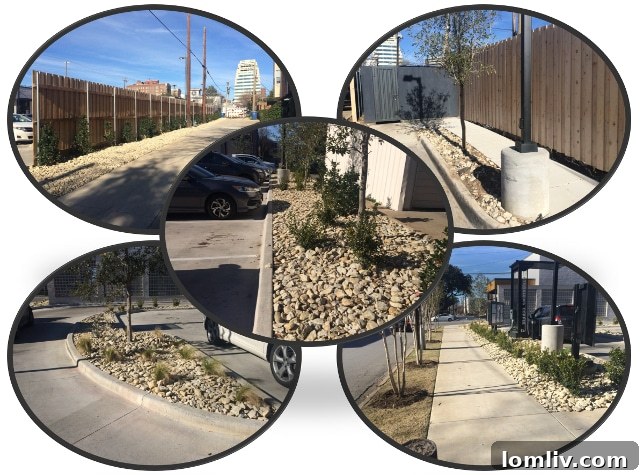
Furthermore, the promised bike racks, intended to foster sustainable transportation and integrate the Starbucks into the active, pedestrian-friendly ethos of Oak Lawn, have never been installed. This omission is another indicator of a profound disconnect between the developer’s initial, community-oriented proposals and the ultimately implemented, bare-bones reality. It leaves cyclists without convenient and secure parking, thereby undermining the city’s broader goals for multi-modal transportation and reducing the site’s accessibility for a significant portion of the neighborhood’s residents.
The Battle for the Boulevard: Unacceptable Traffic Management Failures
Beyond the aesthetic disappointments, the operational impact of the Oak Lawn Starbucks on local traffic has become a pressing and undeniable concern for residents and commuters. The original development proposal included explicit assurances to city planners and the community that ample stacking space would be provided for drive-thru operations, thereby preventing vehicle queues from spilling out and obstructing the already busy Oak Lawn Avenue. This crucial promise, unfortunately, is violated on a daily basis.
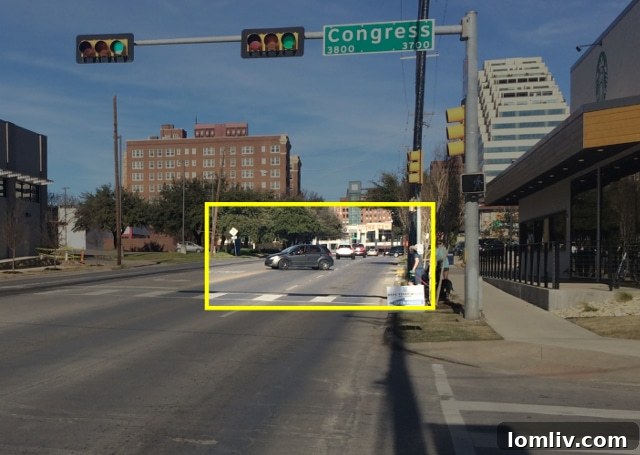
During peak hours, especially morning and evening rush, the drive-thru queue frequently extends well beyond the designated property lines, creating significant blockages on Oak Lawn Avenue. This not only causes frustrating and time-consuming delays for countless commuters but also introduces a dangerous safety hazard, disrupting the natural flow of traffic and drastically increasing the potential for collisions at an already complex intersection. This issue is not isolated to this particular Starbucks; similar problems plague numerous high-traffic drive-thrus across Dallas, underscoring a systemic flaw in urban planning’s traffic impact assessments and enforcement. Perhaps our often underfunded city departments should explore innovative solutions, such as deploying dedicated traffic enforcement officers at these chronic bottleneck locations, not just to issue citations but to actively manage traffic flow and ensure compliance with approved operational agreements.
Another critical, yet entirely disregarded, aspect of the traffic management plan concerns vehicular ingress and egress. The original proposal explicitly mandated that only right-hand turns would be permitted for vehicles entering and exiting the property from Oak Lawn Avenue. This restriction was a cornerstone of the design, specifically intended to mitigate congestion and enhance safety at an entrance situated unusually close to the corner of Oak Lawn and Congress Avenues. Allowing left turns at such a constrained location inevitably complicates traffic flow, increases driver confusion, and significantly elevates the risk of accidents.
However, in glaring defiance of these clear stipulations, vehicles routinely make left turns both into and out of the Starbucks property. This widespread non-compliance is compounded by the conspicuous absence of critical infrastructure that was expressly promised to enforce these vital turn restrictions:
- Missing Pavement Markings: The developer’s approved plan included clear, painted pavement markings, specifically “Right Turn Only” wording accompanied by a directional arrow at the exit. These essential safety and guidance markings are completely absent on the ground.
- Absent Signage: A dedicated sign, explicitly stating “No Left Turn From Oak Lawn,” was stipulated to be strategically placed in the median of Oak Lawn Avenue. This crucial regulatory sign was never installed, leaving drivers without clear instructions.
- Inadequate “Pork Chop” Design: The raised concrete platform (colloquially known as a “pork chop” island) at the exit was specifically designed to be elongated and prominently curved to the right. This physical barrier was intended to naturally guide drivers into right turns and physically deter left turns. The installed island, however, is a symmetrical, abbreviated design that offers no such directional guidance or physical impediment to left-turning vehicles, serving primarily only to separate incoming and outgoing traffic.
- Lack of City “Tittles”: The plan also called for the installation of city “tittles” – small traffic bumps or raised delineators – intended to further discourage left-hand turns by making them physically uncomfortable or impossible. These physical deterrents, regardless of their perceived effectiveness, were part of the approved design and are nowhere to be found.
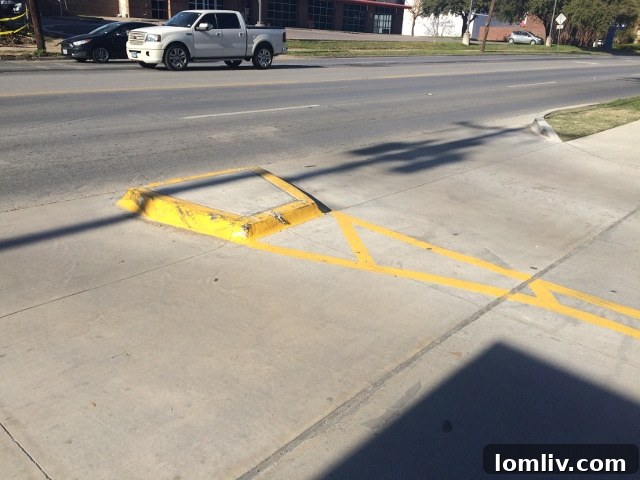
In essence, the Oak Lawn neighborhood was assured a comprehensive system of left-turn suppressors, meticulously designed to maintain smooth, safe, and efficient traffic flow. The complete failure to implement any of these crucial elements has undeniably transformed this intersection into a daily source of frustration and danger for countless drivers, cyclists, and pedestrians alike.
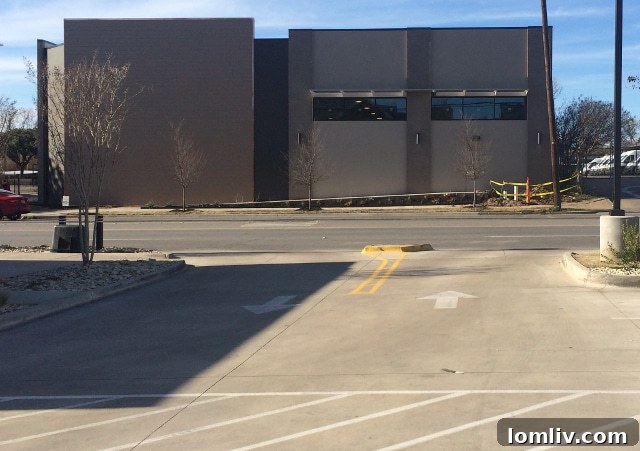
Further exacerbating these issues, the development’s outdoor lighting fixtures stand at approximately twice the height allowed by city regulations. This significant deviation was not even indicated on the approved development plans. Such an oversight not only negatively impacts the visual aesthetics of the streetscape but also contributes to light pollution, potentially eroding the quality of life for residents in close proximity.
A Tale of Broken Trust: The High Cost of Unfulfilled Promises and Inadequate Oversight
The persistent and glaring discrepancies between the approved plans and the current reality at the Oak Lawn Starbucks inevitably prompt a fundamental question: How can a high-profile establishment like Starbucks operate so openly without fully meeting the foundational requirements of its own approved development plan? The answer lies in a problematic convergence of factors, primarily pointing to a systemic lack of robust municipal oversight and what appears to be a calculated risk assessment by developers.
All too frequently, city inspections fall short of the rigorous scrutiny they demand. Inspectors, under pressure or due to resource limitations, might inadvertently overlook critical details or prioritize the swift issuance of certificates of occupancy over strict adherence to complex development blueprints. This pervasive laxity fosters an environment where developers recognize that it is often strategically “cheaper to fix something later” – assuming they are ever actually caught, which, regrettably, appears to be a rare occurrence in Dallas. This systemic issue effectively undermines the entire urban planning process, rendering community input, meticulously drafted plans, and hard-fought agreements virtually meaningless.
The implications of such practices extend far beyond a single Starbucks location; they cast a long shadow over the integrity of Dallas’s urban development as a whole. When developers are consistently permitted to disregard their commitments with minimal consequence, it deeply erodes public trust in the city’s capacity and willingness to enforce its own regulations. It sends an unmistakable message that immediate profitability can, and often does, supersede responsible development, and that the long-term well-being and safety of a neighborhood can be compromised for short-term financial gains. The faint whiff of municipal apathy, in this particular case, smells distinctly like stale coffee, leaving a bitter and lingering taste for residents who were unequivocally promised a better, more thoughtfully integrated development that respected their community.
Charting the Course Forward: Advocating for Accountable Urban Development in Dallas
The troubling situation at the Oak Lawn Starbucks serves as a potent and illustrative case study for the broader challenges confronting urban development in Dallas and other rapidly expanding metropolitan areas. It forcefully underscores the critical and urgent need for enhanced vigilance and proactive engagement from both city officials and the empowered citizenry.
To proactively prevent similar occurrences and to genuinely foster truly sustainable, equitable, and community-centric urban growth in Dallas, several decisive actions are not just recommended, but imperative:
- Strengthened Municipal Enforcement and Inspection: The City of Dallas must implement drastically stricter and more comprehensive inspection protocols. Certificates of occupancy should only be issued when every single aspect of an approved development plan – encompassing landscaping, traffic control measures, lighting, and accessibility – is fully and verifiably compliant. Furthermore, routine, unannounced follow-up inspections post-occupancy could serve as a powerful deterrent against developers making unauthorized alterations to approved designs.
- Increased Developer Accountability and Penalties: Developers must face meaningful and substantial penalties for non-compliance that extend beyond merely being asked to “fix” issues after the fact. Such penalties could include significant financial fines, the suspension or delay of permits for future projects, or even decisive legal action for egregious breaches of development agreements. This would create a strong incentive for compliance from the outset.
- Empowered and Sustained Community Involvement: Residents and active neighborhood associations must remain actively and consistently involved throughout the entire development lifecycle, from the earliest conceptual proposals to post-construction monitoring. Establishing clear, accessible channels for residents to report non-compliance and ensuring swift, transparent governmental response is absolutely crucial for maintaining public trust and ensuring project integrity.
- Enhanced Transparency and Accessibility of Information: City planning departments should proactively maintain easily accessible public records of all approved development plans, including detailed renderings and conditions of approval. They should also provide transparent, regular updates on development progress and compliance status, thereby facilitating easier public oversight and fostering greater trust.
- Innovative and Proactive Traffic Solutions: For areas prone to heavy drive-thru traffic, Dallas should explore and implement innovative traffic flow solutions. This could include mandatory dedicated turn lanes, advanced dynamic signage, or even revised permitting processes that rigorously prioritize pedestrian safety and neighborhood traffic flow over maximizing vehicle capacity for individual businesses.
The Starbucks at Oak Lawn and Congress Avenues represents far more than just a typical coffee shop; it embodies a critical and ongoing discussion about the integrity of urban planning, the sanctity of community agreements, and the fundamental accountability of those who hold the power to shape our cities. By shedding light on these documented failures, we aim to ignite a renewed and unwavering commitment to responsible development, ensuring that the promises made to Dallas communities are not merely attractive pictures, but tangible realities that contribute positively and sustainably to the urban fabric of our beloved city.
It is unequivocally time for Dallas to demand better – for its hardworking residents, for its cherished neighborhoods, and for the promise of genuinely well-planned, sustainable, and respectful urban growth. The future vibrancy and livability of Oak Lawn, and indeed all of Dallas, depends critically on this collective vigilance and unwavering commitment to accountability.