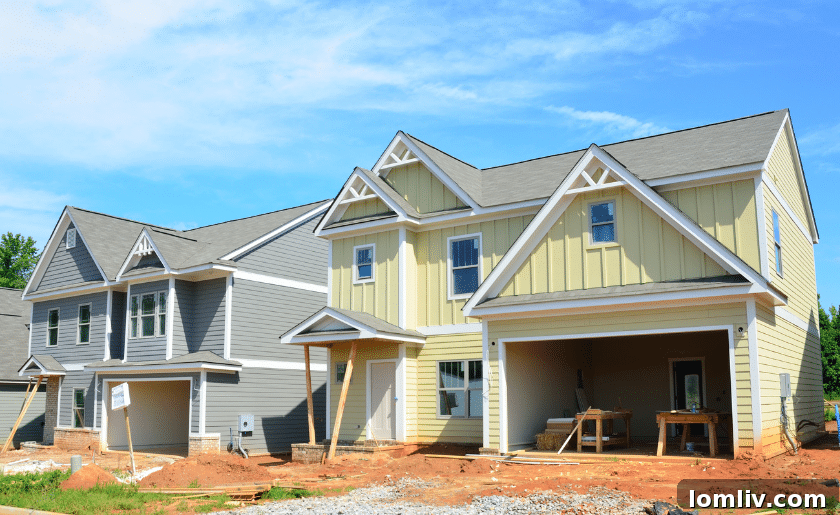
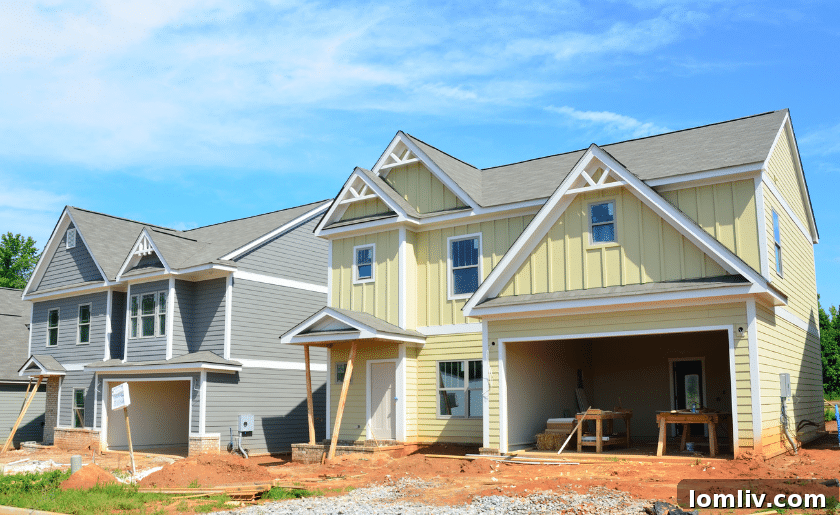
Venturing into the housing market, many prospective homeowners are drawn to the allure of new construction properties. The promise of untouched features, modern design, and the absence of previous wear and tear makes them incredibly appealing. However, the common misconception that a brand-new home is inherently flawless can lead buyers to overlook critical steps in the purchasing process. While new builds often represent the latest in building standards and aesthetics, they are not immune to defects, oversights, or even significant structural issues that can arise during the construction phase.
This is precisely where the expertise of a professional new construction home inspector becomes indispensable. Unlike inspecting an older home where systems have been tested over years of occupancy, our inspectors evaluate brand-new systems that have yet to experience daily use. Our primary goal is to ensure that the home has been meticulously set up, all systems are functioning precisely as intended, and that construction adheres to the highest standards of safety and quality. Sometimes, we find everything to be in spectacular order, showcasing exemplary craftsmanship. Yet, it’s not uncommon to uncover hidden mistakes, overlooked issues, or minor mishaps that occurred between the final stages of construction and the property’s purchase, necessitating immediate attention and repair. Ignoring these early signs can lead to costly and frustrating problems down the line.
Today, we’re taking you on an insightful journey through real-world examples from recent new home construction inspections. These findings vividly illustrate the spectrum of discoveries an inspector can make – from the impressive innovative features that enhance safety and convenience, to the minor but rectifiable imperfections, and unfortunately, the significant structural flaws that underscore the absolute necessity of a thorough professional inspection, even for the newest of homes. Join us as we explore the good, the bad, and the truly ugly aspects of new construction.
The Good: Advanced Security Hinges on Exterior Doors
In the realm of home security and innovative design, sometimes what appears initially to be a potential deficiency turns out to be a brilliant feature. Here’s a perfect example of an inspector encountering a setup that, by traditional standards, might raise an eyebrow, only to discover it’s a significant upgrade. Conventionally, exterior doors are designed to swing inward. This design choice primarily serves a security purpose: by having the hinges on the inside, they are inaccessible to potential intruders. An intruder attempting to gain entry by easily slipping the hinge pins and removing the door would be thwarted, as the pins are protected within the home’s perimeter. This standard practice is a fundamental aspect of residential security.
However, modern architectural and security innovations have introduced advanced solutions, such as the newer security hinges showcased here. These ingenious hinges revolutionize door security by making the traditional “pin-slipping” maneuver utterly impossible, regardless of whether the door swings inward or outward. The robust design and concealed mechanisms of these security hinges provide unparalleled protection, allowing for greater flexibility in door installation. One particularly neat benefit of these advanced hinges is the option to have exterior doors swing outward. This seemingly minor design change can offer a significant advantage, freeing up valuable interior space that would otherwise be occupied by an inward-swinging door. This is especially beneficial in smaller entryways, mudrooms, or utility areas where every square foot counts. It’s a testament to how intelligent design and superior engineering can enhance both the safety and functional aesthetics of a new home. An inspector spotting these modern hinges identifies not a flaw, but a superior, thoughtful installation that elevates the home’s security and liveability.
Good: Thorough Main Disconnect & Electrical Panel Inspection
The electrical system is the lifeblood of any modern home, and its proper installation and functionality are paramount for safety and efficiency. For those seeking a comprehensive understanding of their home’s electrical nerve center, this video is an invaluable resource. Inspector Brian provides an excellent primer on what a properly configured electrical panel and main disconnect should look like, detailing the various components and their critical functions. This isn’t just about ensuring the lights turn on; it’s about guaranteeing the safety of the occupants and the integrity of the property.
During a new construction inspection, a meticulous review of the main disconnect on the exterior of the home and the electrical panel box inside is a top priority. The main disconnect serves as the primary shut-off point for all power entering the house, a crucial safety feature for emergencies or maintenance. An inspector will verify its proper installation, accessibility, and robust connection to the main power lines, ensuring it complies with all local electrical codes. Inside, the electrical panel, often referred to as the breaker box, is carefully examined. Inspectors look for proper wiring techniques, ensuring all circuits are correctly routed, labeled, and securely fastened. They check for adequate grounding, which is vital for preventing electrical shocks and protecting appliances. Furthermore, the correct sizing and installation of circuit breakers are verified to prevent overloading and potential fire hazards. Each breaker protects a specific circuit, automatically tripping if an electrical fault occurs. Misconfigurations in the electrical system, even in a new build, can pose significant risks, from minor inconveniences like tripped breakers to serious dangers such as electrical fires or electrocution.
A thorough inspection of these electrical components provides not only peace of mind but also a clear understanding of the home’s power distribution. It confirms that the system is not only functional but also adheres to stringent safety standards, protecting your investment and, more importantly, your family. Saving this video offers a quick and easy reference guide for any homeowner looking to familiarize themselves with these vital elements of their new construction home.
The Bad: Unseen Water Leak in a Brand New Home
Water leaks, especially those hidden from plain sight, represent one of the most insidious threats to a home’s integrity, and their presence in a brand-new construction is particularly troubling. In this video, Inspector Adrian’s keen eye and experience prove invaluable as he identifies clear evidence of water collecting at the foundation line – an unmistakable red flag indicating an underlying issue. This accumulation of moisture where it absolutely shouldn’t be immediately signals a problem, prompting a focused investigation.
Following the trail, Inspector Adrian skillfully traces the source of the water to an interior bathroom situated on the other side of the affected wall. This discovery reveals a slow, persistent leak that has already begun to inflict damage, silently compromising the home’s structure and finishes. The insidious nature of such a leak means that even a minor drip can, over time, saturate flooring, baseboards, and the interior of walls, leading to significant deterioration. The consequences extend beyond mere cosmetic damage; prolonged moisture exposure creates an ideal breeding ground for mold and mildew, which can pose serious health risks to occupants and necessitate extensive remediation efforts. Furthermore, water seeping through walls can compromise the structural integrity of the framing and insulation, and as observed, can even leach into and affect the home’s foundation, potentially leading to long-term settlement issues.
The unfortunate reality is that to fully assess the extent of the damage caused by this leak and to properly address its source, opening up the wall is an unavoidable next step. This process, while necessary, is disruptive and costly, involving repairs to plumbing, structural elements, and finishes. This example powerfully illustrates why a new construction home inspection is not merely a formality but a critical safeguard. Catching such a “bad” issue early, before the homeowner takes occupancy, can save tens of thousands of dollars in repairs, prevent health hazards, and ensure the long-term stability and value of the property. It underscores the profound difference an experienced inspector can make in identifying hidden problems that builders might miss or that develop post-completion but prior to sale.
The Ugly: Critical Framing Mistakes
When it comes to home construction, framing is arguably the most critical stage. It is the skeletal structure that gives a home its shape, stability, and enduring strength. Any significant mistake during this phase can cascade into a multitude of severe and costly problems down the line, making this particular “ugly” find a stark reminder of why professional oversight is non-negotiable. This visual evidence of framing errors underscores the absolute necessity of hiring a dedicated phase inspector, especially if you are embarking on the journey of building a home from the ground up.
Framing mistakes can take various forms, from improperly spaced studs and incorrect bracing to the use of substandard materials or fundamental misalignments that compromise structural integrity. These errors, if not identified and corrected promptly during the construction process, become deeply embedded within the home’s fabric. The consequences are far-reaching and often devastating: homeowners might later experience sagging floors, inexplicable cracks in walls and ceilings, ill-fitting doors and windows, or even roof issues. More alarmingly, severe framing errors can compromise the structural safety of the entire dwelling, potentially leading to collapse in extreme circumstances or significantly diminishing the home’s resistance to environmental stresses like wind and seismic activity.
The true danger lies in these errors being concealed behind drywall, insulation, and exterior finishes, making them virtually impossible to detect once construction is complete. A phase inspector, unlike an inspector hired only at the final walkthrough, conducts inspections at various critical stages of construction – including foundation, pre-drywall (framing, electrical, plumbing rough-ins), and final completion. This multi-stage approach is crucial for catching such profound structural defects when they are still relatively easy and inexpensive to rectify. Discovering a major framing issue after the home is built and occupied would necessitate extensive and incredibly costly demolition and reconstruction, involving tearing down walls, relocating plumbing and electrical systems, and significant delays. It’s a logistical nightmare that can erode both your investment and your peace of mind. Investing in a phase inspector is not an expense; it is an essential safeguard, ensuring that the very foundation of your dream home is built correctly, securely, and to code, preventing future structural nightmares and protecting your investment for decades to come.
In today’s dynamic real estate market, where inventory levels for existing homes remain relatively constrained, shopping for new construction homes presents an attractive and often preferred option for many buyers. The appeal of a brand-new property, customized finishes, and modern amenities is undeniable. However, it is a critical error to conflate “new” with “perfect” or “flawless.” The examples we’ve explored – from innovative security features to hidden water damage and fundamental structural flaws – unequivocally demonstrate that even the freshest builds can harbor significant defects.
Therefore, regardless of how pristine and well-managed a new construction site appears, one crucial step should never be bypassed: a professional home inspection. Just because the home is brand new, does not mean it is exempt from the possibility of errors during its complex construction process. Builders, despite their best intentions and rigorous standards, are ultimately human, and mistakes can occur at any stage, from foundation pouring to final finishes. Subcontractors might cut corners, materials might be incorrectly installed, or vital systems could have manufacturing defects or simply be improperly connected. These issues, if left undetected, can evolve into serious, expensive, and sometimes hazardous problems for the homeowner down the line.
A comprehensive new construction home inspection acts as your ultimate protection. It’s an investment in peace of mind, ensuring that your significant financial commitment is well-placed. A qualified inspector brings an objective, expert eye to scrutinize every accessible component of the home, from the roof and foundation to plumbing, electrical systems, HVAC, and structural elements. They identify not only glaring deficiencies but also subtle issues that could escalate. By identifying potential problems before you close, you gain leverage to have the builder address and rectify these issues on their dime, saving you from unforeseen future expenses and the stress of managing repairs. Don’t skip the home inspection; it’s the most powerful tool you have to ensure your new dream home is truly built to last, providing safety, comfort, and value for years to come.