The allure of a brand-new home is undeniable. Pristine walls, untouched appliances, and the promise of a fresh start free from the headaches of an older property. This dream fuels the vibrant housing markets across the nation, especially in high-growth areas like Dallas-Fort Worth. According to the Urban Land Institute’s prestigious Emerging Trends in Real Estate 2023 forecast, the DFW metroplex stands as a formidable player, ranking 6th nationally for homebuilding prospects in 2023. This robust activity isn’t new; DFW consistently held a top-10 position in 2022, even with a slight deceleration in the latter half of the year. This consistent growth means a massive influx of new homes, from sprawling suburban developments to urban infill projects, are being constructed at an accelerated pace.
Despite challenges such as permit issues and widespread discussions about a market slowdown, the truth is that the Dallas-Fort Worth real estate scene remains exceptionally dynamic compared to much of the country. This relative slowdown still translates to a substantial volume of new homes entering the market. With so much construction underway, a critical question often arises for prospective buyers: does a brand-new home truly require an inspection? The common misconception is that “new” equates to “perfect,” rendering a professional inspection unnecessary. However, as experienced home inspectors, we can unequivocally confirm that a home inspection for a newly built property is not just recommended, it’s essential. Builders, like all humans, can make mistakes, and without an independent professional assessment, those imperfections often go unnoticed until it’s too late. This article will delve into why new construction inspections are crucial and highlight some common, yet surprising, issues we uncover in pristine new homes.
We consistently remind future homeowners that even the freshest builds can harbor significant construction problems. These aren’t minor cosmetic blemishes; they can be costly structural, mechanical, or safety-related issues that compromise your investment and peace of mind. A new home inspection acts as your personal safeguard, ensuring that the dream home you envision is built to the highest standards of quality and safety.
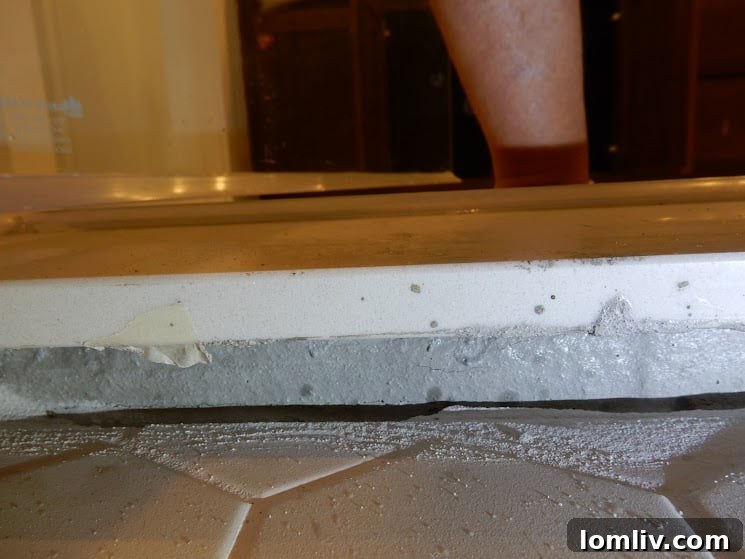
Water Woes: The Unfinished Shower Threshold
One of the most frequently overlooked yet critical issues in both new construction and newly renovated bathrooms involves the shower entry threshold. As our inspector Brian often points out, it’s alarmingly common for this crucial area to be left unfinished, lacking proper sealing or a complete barrier. This seemingly minor oversight creates a direct conduit for water to run under the shower pan and seep into the subfloor and surrounding structural elements. The consequences can be severe and far-reaching, transforming a pristine new bathroom into a breeding ground for problems.
Homeowners often don’t notice this issue during a final walk-through. It’s not something that immediately catches the eye, and stepping inside the shower to test its integrity isn’t typically part of a buyer’s casual inspection. However, a professional home inspector is trained to meticulously examine every detail, including those hidden or easily missed areas. The lack of a properly sealed threshold can lead to persistent moisture accumulation, which can cause wood rot, structural damage to the floor joists and subfloor, and an ideal environment for mold and mildew growth. Mold not only poses significant health risks but also necessitates costly remediation efforts.
Catching this defect before you move in ensures it falls under the builder’s warranty, allowing for an easy, cost-free fix. If discovered later, after the warranty period or after damage has occurred, you’re looking at a much more extensive and expensive repair, potentially involving tearing out flooring and walls. This particular example serves as a powerful reminder that “new” does not equate to “flawless,” and a thorough inspection provides essential protection against future headaches and financial strain. Beyond thresholds, inspectors also look for improperly sealed tubs, shower stalls, and even uncaulked countertops that can allow water to compromise cabinets and flooring, emphasizing the need for comprehensive moisture detection.
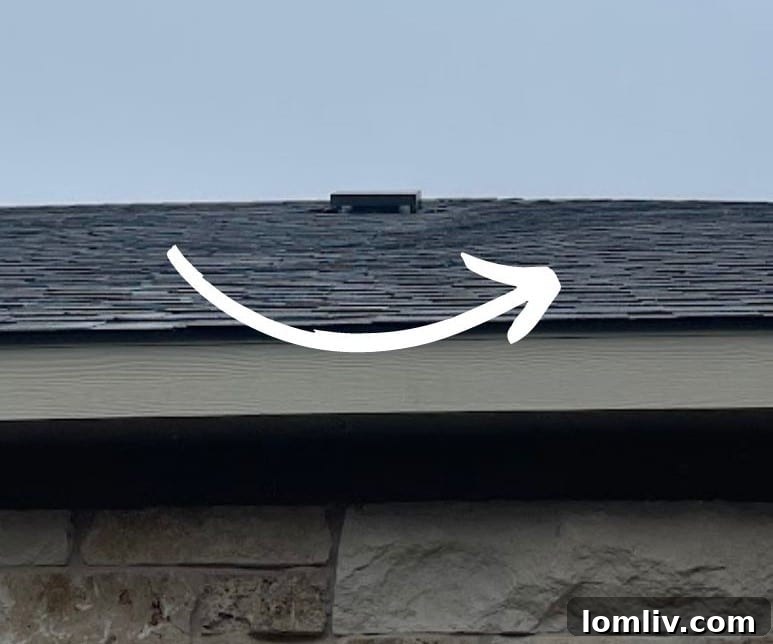
Roof Regrets: When New Roofs Sag
Nothing sours the excitement of a new home quite like discovering a significant defect in its most crucial protective element: the roof. Can you spot the noticeable dip in that brand-new roof? This is an alarming sight for any homeowner, especially on a property that has only been completed for a few months. Such a sag is never a cosmetic issue; it’s a clear indicator of underlying structural problems that demand immediate attention.
In the case depicted, the home had been sitting for several months before purchase. Recent heavy rains unfortunately exposed critical defects in the roof’s underlying structure. This allowed water to penetrate the roofing materials, causing damage to the roof decking and eventually leading to the visible sag. This isn’t just an aesthetic flaw; it represents a significant structural compromise that could lead to persistent leaks, extensive water damage to the attic and interior, and a severely shortened lifespan for the entire roof system. Potential causes for such a defect in new construction include improper truss installation, inadequate framing support, use of substandard materials, or even damage during the construction process itself.
The implications of a compromised roof extend far beyond the immediate repair cost. Water intrusion can foster mold growth, damage insulation, and compromise the structural integrity of the entire house. Early detection of such issues is paramount. A pre-purchase home inspection, especially one that includes a thorough roof examination (often utilizing drones for difficult-to-access areas), can identify these critical flaws. This allows the buyer to demand repairs under warranty before taking ownership, saving them from potentially exorbitant future expenses and ensuring the long-term safety and durability of their investment. Other common roof defects in new builds include improperly installed flashing, missing or damaged shingles, inadequate ventilation, and poorly sealed penetrations.
@greenscenehome #newhomeconstruction homeinspection, the builder didn’t align the bricks properly and filled in the gap. Would you mind if this were your newhouse?
♬ original sound – Green Scene Home Inspections – Green Scene Home Inspections
Mind the Gap: Masonry Mistakes and Their Impact
When it comes to the exterior of a new home, brick and stone masonry are often chosen for their aesthetic appeal, durability, and perceived quality. However, even these robust materials are susceptible to installation errors that can range from minor cosmetic flaws to significant structural concerns. There’s a fine line between acceptable construction tolerances and egregious errors, and every homeowner’s threshold for what they deem acceptable may differ. But some issues, like the one described in the TikTok video above, highlight a clear lack of craftsmanship.
This particular example illustrates a subpar brick-and-mortar job where a noticeable gap appeared at the transition point between brickwork and stone. Instead of properly addressing the alignment issue during construction, the solution involved crudely filling the void with small rocks and clear silicone. Such patchwork fixes are red flags. While some might dismiss this as purely aesthetic, it prompts a critical question for any prospective homeowner: if this visible flaw was handled so carelessly, what hidden imperfections might lie beneath the surface or within less visible areas?
Sloppy brickwork isn’t just an eyesore; it can have tangible negative impacts. Improperly filled gaps and poorly aligned bricks can compromise the building’s thermal envelope, leading to energy inefficiencies and higher utility bills. They can also create vulnerabilities for water penetration, inviting moisture issues, mold, and even structural damage over time. Furthermore, these gaps can serve as entry points for pests, leading to infestations. From a long-term perspective, such defects can diminish the home’s curb appeal and, consequently, its resale value. An inspector evaluates not just the presence of masonry, but its proper installation, the integrity of the mortar joints, and consistency of finish. Identifying these types of issues during a new construction inspection provides the buyer with concrete evidence to demand professional repairs, ensuring the home’s integrity and maintaining its value.
@greenscenehome #newconstructionhomes need a #homeinspection too! #sprinklersystems get installed before the fence, so you might wind up watering your neighbors lawn!
♬ original sound – Green Scene Home Inspections – Green Scene Home Inspections
Navigating the Lawn: Sprinkler System Snafus
The excitement of moving into a new home often overshadows the crucial details of exterior systems, and the sprinkler system is a prime example of an area frequently plagued by oversights. It’s often one of the last elements installed, sometimes without adequate coordination, leading to a host of “small but annoying” problems that can quickly become major hassles. We consistently find numerous issues with sprinkler systems in new construction homes, underscoring the importance of having them thoroughly checked before you settle in.
A common problem, humorously highlighted in the video above, is the improper placement of sprinkler heads. Sprinkler systems are typically laid out before fencing or landscaping is finalized, which can result in heads being installed too close to property lines. The consequence? You might end up inadvertently watering your neighbor’s lawn more effectively than your own, leading to wasted water, potential disputes, and inadequate irrigation for your actual property. This isn’t just an inconvenience; it can contribute to uneven lawn growth, brown spots, or even drainage issues if water pools in unintended areas.
Beyond misaligned heads, other common sprinkler system issues include faulty wiring, incorrect zone programming, inadequate water pressure, or even damaged lines from other construction activities. Another perplexing issue, as mentioned, is the placement of the controller on an outside wall. While accessible, this exposes the unit to harsh weather conditions, potential tampering, and reduced longevity. An outdoor controller might also be harder to operate or program, especially during inclement weather.
A new construction home inspection doesn’t just focus on the structure; it meticulously examines all installed systems, including irrigation. Identifying these problems early means they can be rectified by the builder as part of the warranty, saving you the headache and expense of hiring a contractor to fix them yourself amidst the chaos of moving. Ensuring your sprinkler system is correctly installed and fully functional is key to maintaining a healthy lawn and avoiding unnecessary water bills and neighborly disagreements.
Beyond the Obvious: Why New Builds Need Inspections
The idea that a brand-new home is inherently perfect is a comforting but dangerous myth. While builders strive for quality, the reality of modern construction—especially in booming markets like DFW—often involves tight deadlines, multiple subcontractors, and a rapid pace. This environment, combined with human error, makes defects an unfortunate possibility, if not a probability. A new construction home inspection isn’t about finding fault; it’s about verifying quality and protecting your significant investment.
Common reasons for new build flaws include:
- Accelerated Timelines: The pressure to complete homes quickly can lead to rushed work and overlooked details.
- Skilled Labor Shortages: A high demand for construction often means less experienced crews are on the job.
- Subcontractor Coordination: Different trades working independently can lead to conflicts and inconsistencies in installations.
- Cost-Cutting Measures: Sometimes, less expensive materials or methods are used that might compromise long-term durability.
- Lack of Oversight: Builders’ site managers have many homes to oversee, making it difficult to catch every error.
An independent home inspector acts as your advocate, providing an unbiased assessment of the home’s condition. We look beyond cosmetic finishes to assess the structural integrity, electrical systems, plumbing, HVAC, roof, foundation, and all major appliances and systems. This comprehensive review can uncover issues that are not only costly to repair but could also pose safety hazards to you and your family.
The Strategic Advantage of Phase Inspections
For those buying a new construction home, the best practice, if manageable, is to engage with an inspector throughout the building process itself. This multi-phase inspection approach offers unparalleled peace of mind and leverage. Rather than waiting until the final walk-through, phase inspections involve an inspector visiting the site at critical stages of construction:
- Pre-Pour Foundation Inspection: Before the concrete is poured, ensuring the foundation forms, rebar, and plumbing are correctly installed.
- Pre-Drywall/Framing Inspection: After the framing, electrical, plumbing, and HVAC rough-ins are complete but before insulation and drywall. This allows inspection of critical components that will soon be hidden.
- Final Walk-Through Inspection: A comprehensive inspection of the completed home, similar to a traditional resale inspection, but specifically tailored to new construction standards.
- 11-Month Warranty Inspection: A final inspection before the builder’s one-year warranty expires, catching any issues that may have developed after occupancy.
Not only is it incredibly exciting to watch your home take shape from the ground up, and depending on the builder, you might even get to make design choices along the way, but having an inspector by your side at each phase of the process is invaluable. This proactive approach ensures that your home is structurally sound and free of defects from the foundation to the roof, addressing problems when they are easiest and least expensive to fix. It transforms the daunting task of buying a new build into a confident, informed decision, safeguarding your investment and future comfort.
Your Investment Deserves Protection: Schedule a New Construction Inspection Today
The Dallas-Fort Worth real estate market continues to boom, bringing with it a fantastic opportunity for many to realize the dream of owning a brand-new home. However, it also underscores the critical need for diligence and expert oversight. Do not let the allure of “new” blind you to potential construction flaws. An independent, professional home inspection is your most powerful tool in ensuring that your new home is everything you expect it to be—safe, sound, and a wise long-term investment.
Whether you’re purchasing a speculative build or embarking on a custom home journey, incorporating professional inspections into your buying process is non-negotiable. It provides peace of mind, saves you from unforeseen expenses down the line, and ensures that your builder delivers on their promise of quality. Invest in a new construction home inspection; it’s an investment in your future. Contact us today to schedule your inspection and protect your new home.