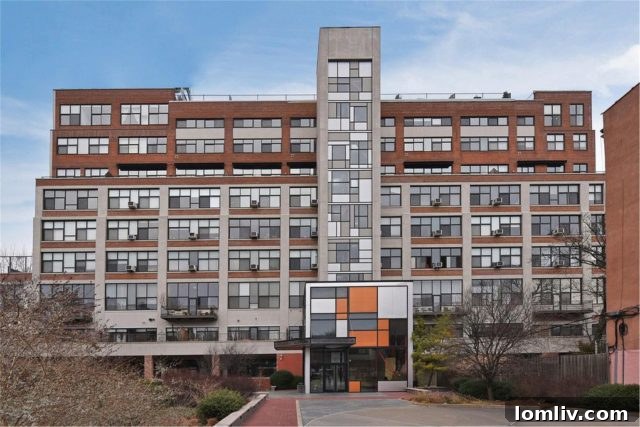
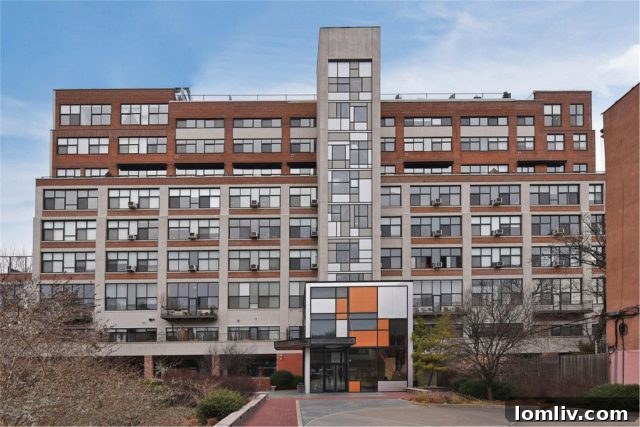
In an era characterized by rapid urban evolution and the profound digital transformation of the media landscape, the destiny of historic newspaper headquarters has emerged as a compelling subject for both forward-thinking developers and innovative city planners. These grand, often architecturally significant structures, once bustling epicenters of news production, now stand as prime canvases for adaptive reuse—embodying a rich past while offering immense potential for future innovation and community engagement. A particularly noteworthy instance of this ongoing narrative recently unfolded in Dallas, Texas, where the acquisition of the iconic Dallas Morning News headquarters has ignited widespread speculation and keen interest regarding its impending transformation.
The Dallas Morning News Headquarters: A Landmark Acquisition Ignites New Hope
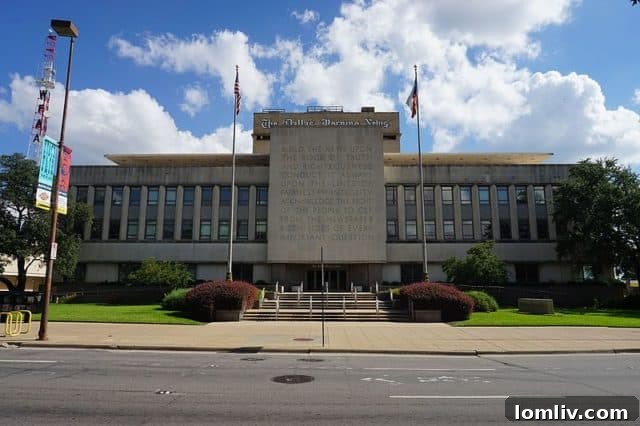
It has been a significant and eagerly watched period since the pivotal announcement that Ray Washburne’s Charter DMN Holdings successfully acquired the former Dallas Morning News headquarters located on Young Street. This landmark transaction marks a crucial turning point for a building deeply woven into the fabric of Dallas’s history, affectionately known by many as the “Rock of Truth.” This evocative moniker stems from the powerful words etched into its commanding facade, serving as a lasting symbol of journalistic integrity, public trust, and the enduring power of the press.
Washburne’s company finalized the purchase of the expansive campus for a reported $28 million. The intricate deal involved an immediate cash payment of $5.6 million at closing, strategically complemented by a two-year promissory note covering the remaining $22.4 million. This substantial investment not only underscores the property’s immense strategic value but also highlights the high expectations for its future redevelopment. The building itself, a distinctive and enduring creation of the renowned architect George Dahl, holds significant architectural merit, making its thoughtful preservation and innovative transformation a central consideration for any prospective plans. The blend of historical significance and prime location positions this acquisition as one of Dallas’s most anticipated real estate ventures.
Unveiling the Vision: What Awaits the Iconic Young Street Landmark?
In the immediate aftermath of the acquisition announcement, the precise intentions for the historic structure remained largely undisclosed, shrouded in an air of anticipation. Ray Washburne, a distinguished figure recognized for his astute and experienced approach to real estate development, had openly expressed his profound appreciation for the George Dahl-designed building. He affirmed his unwavering commitment to integrating its unique architectural character and historical significance into any future plans, promising a respectful yet innovative redevelopment. Despite direct inquiries, Washburne maintained a discreet stance, indicating that while his comprehensive vision for the structure was firmly established, he was not yet prepared to divulge the specifics. This intriguing silence has only intensified the widespread anticipation surrounding what promises to be a truly transformative project for downtown Dallas.
The strategic location of the former Dallas Morning News headquarters further amplifies its appeal and potential. Positioned advantageously, it resides within a vibrant district that is poised for substantial growth and revitalization, particularly with ongoing developments near the historic Reunion Arena site and other burgeoning areas in the vicinity. This prime placement strongly suggests that whatever Washburne’s meticulously crafted plans ultimately entail, they will undoubtedly capitalize on the building’s inherent capacity to evolve into a central hub within a rapidly revitalizing downtown landscape. The complex decision to respectfully retain the architectural integrity of the beloved “Rock of Truth” while simultaneously infusing it with a dynamic new purpose presents both a formidable challenge and an extraordinary opportunity to shape the urban fabric of Dallas for decades to come.
Beyond Dallas: A National Canvas for Newspaper Building Transformations
The fascinating narrative unfolding with the Dallas Morning News building is, in fact, an integral part of a much broader national trend. As newspapers across the country navigated the monumental shift from traditional print media to an increasingly digital landscape, many of their grand, purpose-built headquarters became functionally obsolete. These magnificent structures, often occupying prime urban real estate, were left behind, presenting vast and often architecturally significant canvases for new life. This phenomenon has spurred a remarkable wave of innovative adaptive reuse projects across the United States, skillfully turning ink-stained environs into vibrant, modern spaces. From luxurious residential conversions and much-needed community hubs to cutting-edge innovation districts and bustling retail centers, these transformations offer compelling blueprints for what could potentially become of Dallas’s own cherished journalistic landmark. Let us delve into some of these remarkable reimaginations, each telling a unique and inspiring story of urban renewal, architectural ingenuity, and the enduring power of adaptation.
1. The Post-Crescent, Appleton, Wisconsin: From Newsroom to Affordable Neighborhood Lofts
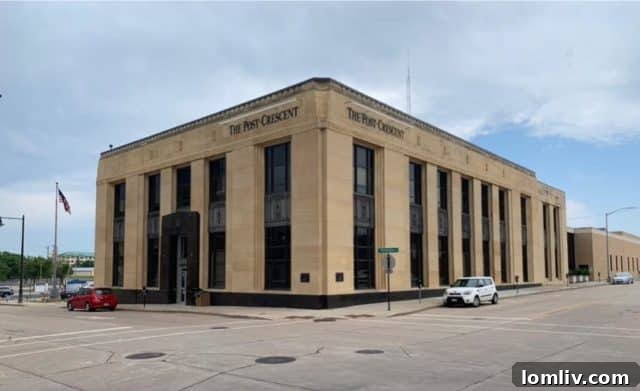
A particularly recent and impactful development comes from Appleton, Wisconsin, where the former cherished home of the Post-Crescent newspaper is currently undergoing a transformative repurposing into “Crescent Lofts.” The city of Appleton enthusiastically announced this impressive $12 million housing project, specifically targeting low-to-moderate income residents, with construction commencing in the fall. The thoughtfully designed project will feature a total of 69 apartments, offering a diverse mix of one, two, and three-bedroom units, thereby injecting much-needed affordable and accessible housing into the heart of the downtown area.
This initiative powerfully highlights a crucial facet of adaptive reuse: its significant potential to effectively address pressing contemporary urban challenges, such as chronic housing shortages, while simultaneously preserving and honoring invaluable historical structures. The developers have diligently pursued and applied for historic status for the building. If successfully approved, this prestigious designation would unlock access to vital Federal historic tax credits, which are instrumental in significantly bolstering the financial viability of such complex projects and ensuring that the building’s rich legacy is both recognized and meticulously maintained. The Crescent Lofts project stands as a shining testament to how former media hubs can be successfully and compassionately repurposed to directly serve critical community needs, fostering genuine urban revitalization and creating inclusive, vibrant living spaces for a diverse population.
2. The Palm Beach Post, West Palm Beach, Florida: A Dynamic Mixed-Use Commercial Transformation
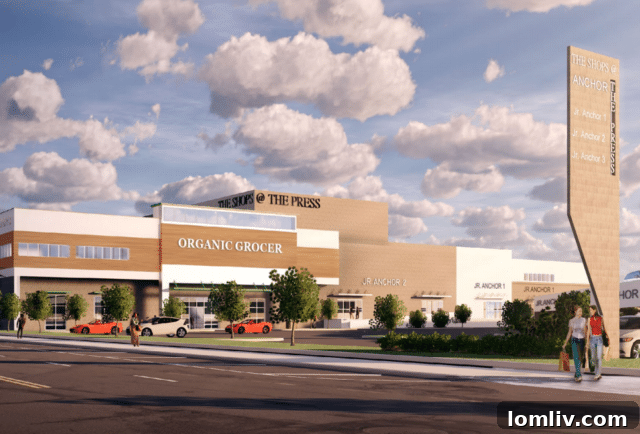
The trajectory of the building that once proudly housed the Palm Beach Post followed a distinct, yet equally impactful, developmental path. Following the strategic acquisition of both the Post and the Palm Beach Daily News by GateHouse Media in 2018 (a major media conglomerate that subsequently merged with Gannett), the newspaper also made the decision to divest its West Palm Beach property. This significant sale opened the doors for a large-scale commercial redevelopment project spearheaded by Tricera Capital, reshaping a prominent urban parcel.
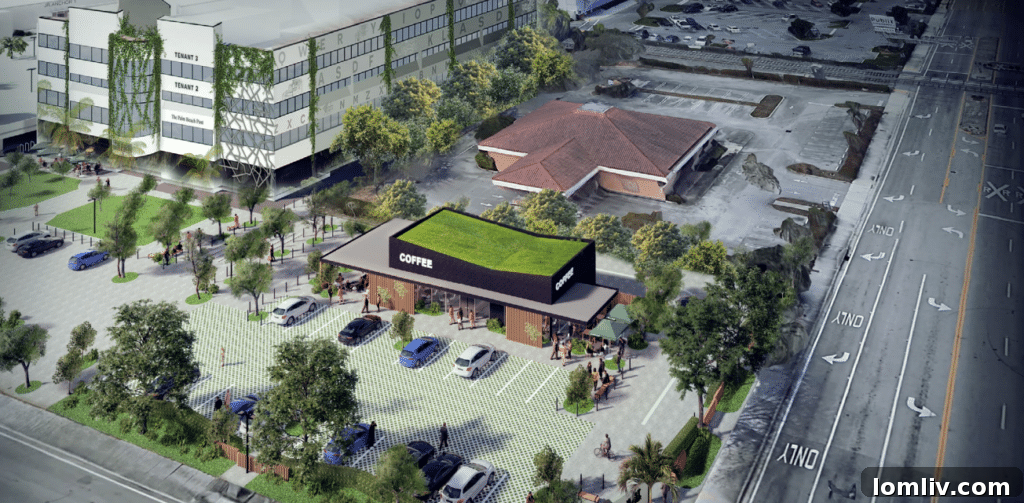
In a bold move that acutely reflects the rapidly evolving market demands and preferences, demolition commenced on specific portions of the property to meticulously clear the way for “The Shops at The Press,” an expansive 125,000 square foot shopping plaza designed to become a vibrant retail destination. Adjacent to this burgeoning new retail hub, an already existing 140,000 square foot office building has been thoughtfully rebranded as “Workplaces at The Press,” creating a cohesive commercial campus. Intriguingly, the Palm Beach Post itself made the decision to occupy one entire floor within this newly envisioned office space, a choice that powerfully underscores its enduring commitment to the community it serves while strategically adapting to a more compact, modern, and digitally-focused operational footprint. This sophisticated mixed-use approach – seamlessly blending cutting-edge retail, flexible office spaces, and a meaningful nod to the building’s original tenant – masterfully demonstrates a versatile and highly effective strategy for maximizing urban real estate value and cultivating dynamic, thriving commercial districts.
3. The Philadelphia Evening and Sunday Bulletin, Pennsylvania: Anchoring a Visionary Innovation District
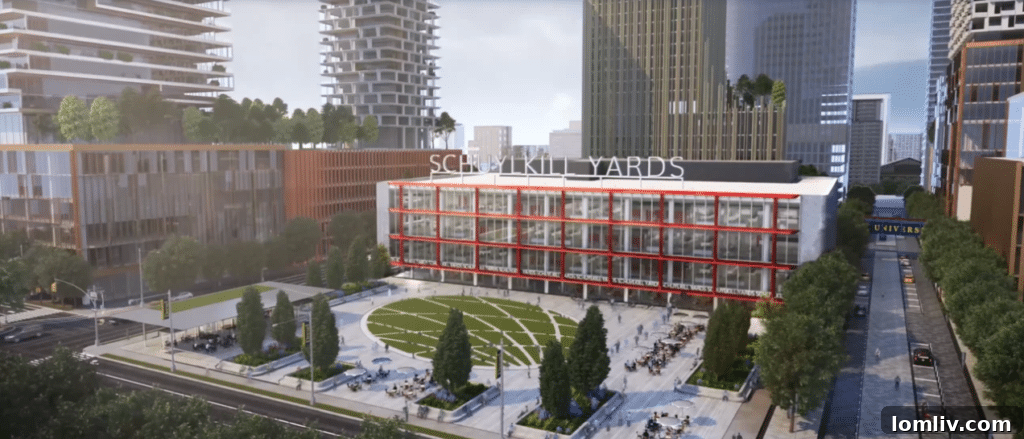
In the historic city of Philadelphia, just weeks prior to the significant Dallas announcement, ambitious plans were dramatically unveiled for a comprehensive facelift of the long-shuttered Philadelphia Evening Bulletin headquarters. Originally designed by the esteemed modernist architect George Howe, this historically significant building is now strategically poised to become a pivotal cornerstone of the ambitious Schuylkill Yards “innovation district” – a master-planned, mixed-use community meticulously designed to foster groundbreaking research, advanced technology, and burgeoning entrepreneurship in a vibrant urban setting.
Notably, the redevelopment bravely addresses a unique and fascinating architectural challenge. Inga Saffron, the highly respected architecture critic for the Philadelphia Inquirer, eloquently highlighted Howe’s original design concept, which famously featured two main facades characterized by “unbroken expanses of shiny gray brick.” The modernization plans boldly introduce numerous, strategically placed windows, fundamentally transforming the building’s aesthetic and optimizing its functionality to suit contemporary office needs, while significantly enhancing natural light penetration and offering expansive views. Brandywine Realty Trust, the visionary developer behind this monumental project, has garnered considerable praise for its steadfast commitment to respectfully preserving this four-story masonry relic. As Saffron astutely observed, “Although the Bulletin is not listed on the city’s Historic Register, it is an important building. It was Howe’s last commission, and the Bulletin’s decision to remain in the city, rather than move to a suburban interchange, was a touching demonstration of the paper’s commitment to Philadelphia.” This transformative project magnificently exemplifies how revered historic buildings can be thoughtfully adapted to become dynamic, vibrant components of future-oriented urban landscapes, seamlessly blending profound heritage with cutting-edge development and economic progress.
4. The San Francisco Chronicle, California: A Thriving Tech Hub and Dynamic Community Space
The former sprawling space of the San Francisco Chronicle has also undergone a truly remarkable transformation as an integral part of the extensive 5M development. This visionary project stands as a prime illustration of how former media giants can be ingeniously repurposed to cater to the booming tech industry, while simultaneously cultivating dynamic, inclusive public spaces that enhance urban living.
As Gabriella Nelson eloquently articulated in her insightful article for NextCity, “Where once were newspaper printing bays, tech companies do business. In concrete between-spaces, where reporters likely once procrastinated deadlines with cigarettes and sarcasm, there are food trucks and art projects aimed at connecting the building’s new techie tenants to their neighbors.” This compelling vision for a vibrant, mixed-use campus successfully integrates state-of-the-art office environments with an array of amenities and public installations that actively foster community, collaboration, and creativity. The sophisticated redevelopment of the San Francisco Chronicle building into a cutting-edge tech hub, complemented by vibrant public interaction areas, powerfully showcases a forward-thinking approach to urban planning – transforming an industrial relic into a modern, inclusive, and highly adaptable urban ecosystem that serves multiple purposes.
5. The New York Daily News, Brooklyn, New York: Navigating the Complexities of Luxury Conversion
In the vibrant borough of Brooklyn, the expansive Daily News printing press building experienced its own significant metamorphosis, undergoing a conversion into a luxury condo development aptly named Newswalk in 2002. This ambitious project aimed to shrewdly capitalize on the burgeoning demand for high-end residential living within dynamic urban centers, promising sophisticated design, unparalleled amenities, and an exclusive lifestyle.
However, the transition was far from straightforward, encountering significant challenges along the way. The initial wave of enthusiastic tenants famously initiated a lawsuit against the developer, alleging that the condos demonstrably fell short of the lavish, luxurious standards that were initially promised. This high-profile legal battle vividly highlighted the inherent complexities and potential pitfalls of converting vast industrial buildings into premium residential spaces, particularly in terms of meeting exacting quality expectations, managing unforeseen structural challenges, and addressing aesthetic discrepancies. While the protracted lawsuit was eventually settled, it necessitated the condo board securing a substantial loan to diligently ensure that both the building’s structure and its individual units were brought up to the meticulously advertised standard. The Newswalk saga serves as an invaluable cautionary tale, powerfully illustrating that while the potential for highly profitable luxury conversion is undeniably high, meticulous planning, flawless quality execution, and transparent, consistent communication are absolutely paramount to achieving lasting success in such ambitious adaptive reuse projects.
The Enduring Appeal and Future of Adaptive Reuse for Former Newspaper Buildings
These diverse and compelling examples collectively demonstrate that there is indeed a vast and imaginative array of possibilities when it comes to intelligently repurposing former newspaper buildings. Their robust construction, often grand scale, and frequently strategic urban locations make them exceptionally ideal candidates for innovative adaptive reuse. From fostering vibrant community engagement through the provision of affordable housing and dynamic public spaces to driving robust economic growth with cutting-edge tech campuses and thriving commercial centers, these transformations breathe new and purposeful life into old bones.
The burgeoning trend of reimagining these historic structures not only crucially prevents unnecessary demolition and significantly reduces environmental impact but also meticulously preserves a tangible and invaluable link to a city’s rich journalistic past. Ultimately, it’s about far more than just renovating buildings; it’s about intelligently continuing the enduring story of urban evolution, thoughtfully finding new and sustainable purposes for structures that once eloquently informed, passionately entertained, and profoundly united communities for generations.
What Awaits the Dallas Morning News Building? A Community’s Speculation
Considering the diverse, often groundbreaking, and economically impactful transformations witnessed across the nation, the precise future of the Dallas Morning News building remains a captivating and highly anticipated subject. Will Ray Washburne’s carefully crafted vision lean towards a sophisticated mixed-use development, perhaps seamlessly blending dynamic commercial spaces with luxurious residences, drawing inspiration from projects like Newswalk but incorporating invaluable lessons learned? Could it evolve into a vibrant innovation hub, mirroring Philadelphia’s Schuylkill Yards, thereby attracting new, high-tech businesses and top talent to the heart of downtown Dallas? Or might it surprise everyone with a truly unique and pioneering concept that caters specifically to Dallas’s distinct urban fabric and burgeoning needs?
The “Rock of Truth” is now poised on the brink of a thrilling new era, ready to be thoughtfully carved into a modern masterpiece that respectfully honors its profound heritage while boldly embracing the limitless possibilities of the future. What do you, as a resident, developer, or enthusiast, envision for this storied Dallas landmark? The possibilities are as vast and rich as the history meticulously etched within its venerable walls. We invite you to share your insightful predictions and imaginative ideas – for the discussion surrounding urban transformation is often as dynamic and inspiring as the actual developments themselves.
Interested in exploring other spaces that have been remarkably reimagined and revitalized? Discover more inspiring transformations here.