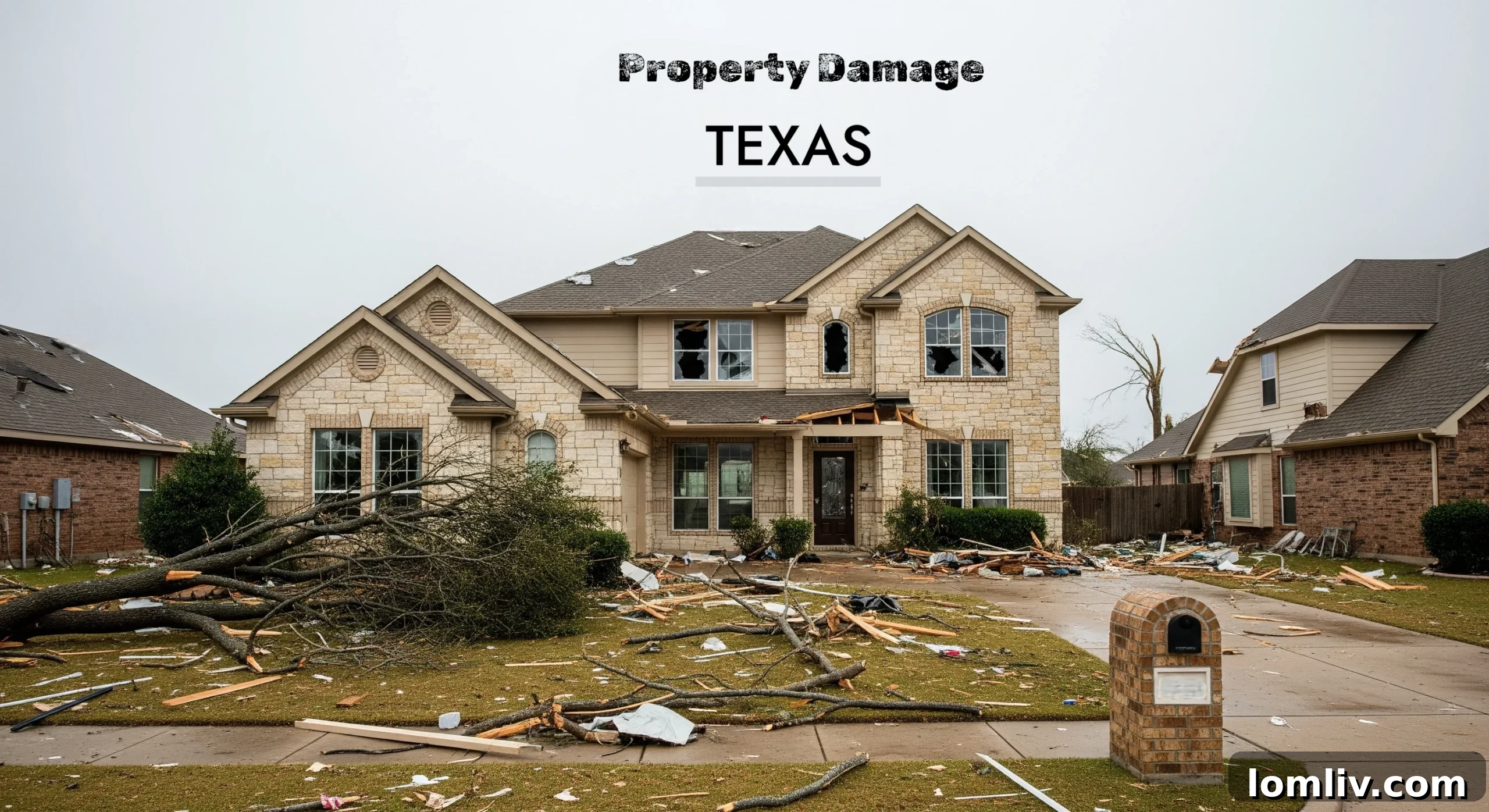
Experiencing property damage can be a deeply unsettling and stressful event. Whether caused by an unexpected accident, a severe storm, or other unforeseen circumstances, the aftermath often leaves property owners grappling with significant financial burdens and the urgent need for repairs or rebuilding. Beyond the immediate physical destruction, such incidents can disrupt daily life, impact personal well-being, and lead to complex disputes with insurance companies or at-fault parties. Navigating these challenges effectively requires a clear understanding of your legal rights. Without proper guidance, you risk encountering frustrating delays, unfair treatment, and potentially uncompensated losses, jeopardizing your financial stability and peace of mind.
This is precisely where the expertise of legal professionals becomes invaluable. A knowledgeable property damage lawyer acts as your advocate, ensuring your rights are protected throughout every stage of the dispute. With the right legal support, you can respond swiftly and strategically, effectively communicate and negotiate with insurance providers, meticulously document your losses, and safeguard your claim without compromising your future security. Empowering yourself with information about your entitlements is the first critical step toward achieving a fair and just resolution.
What Qualifies as Property Damage? Understanding the Scope
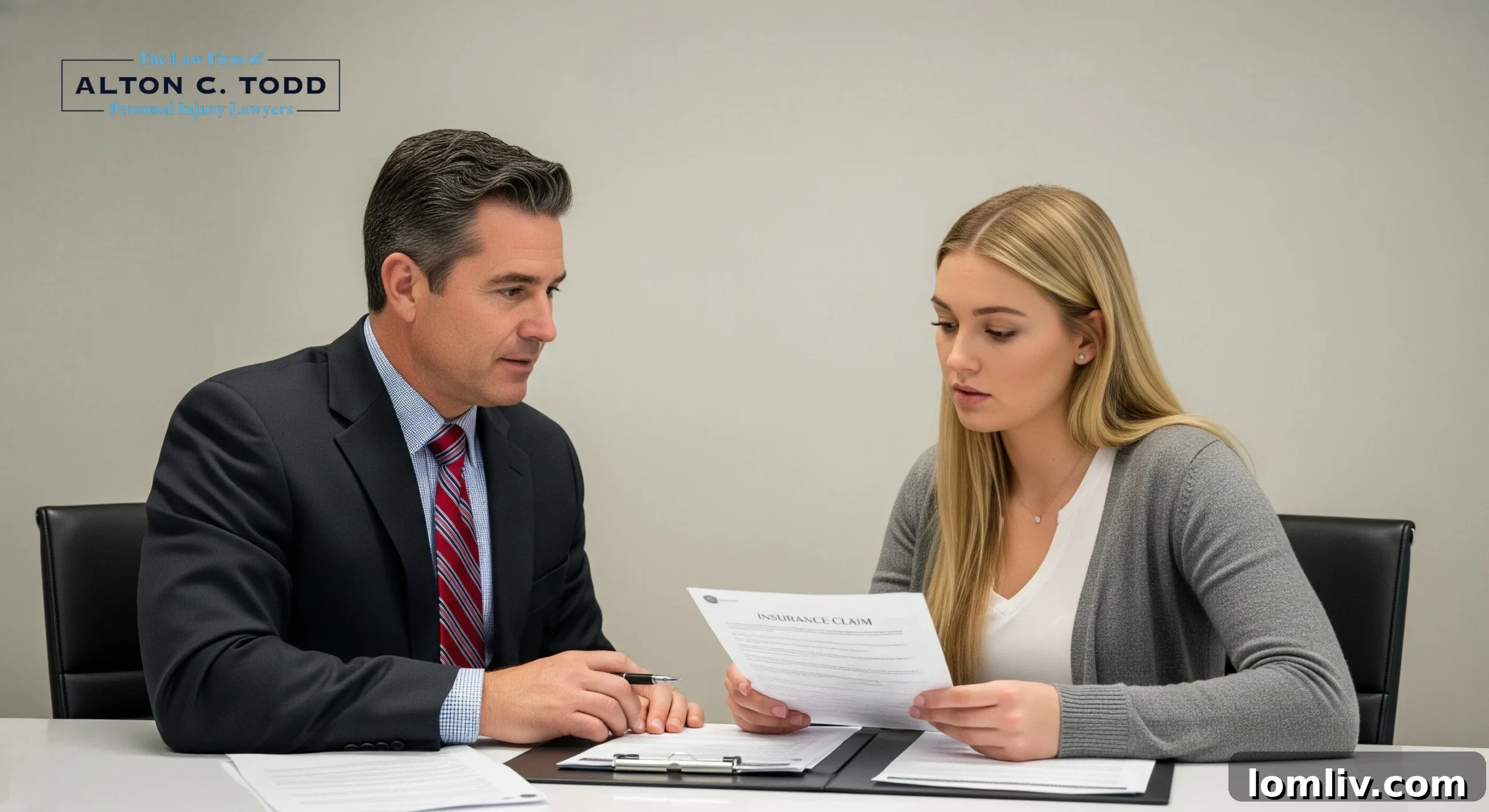
Property damage broadly refers to any harm, destruction, or impairment inflicted upon real property (such as land, buildings, and fixtures) or personal property (like vehicles, furniture, and valuables). This extensive category encompasses a wide array of incidents, ranging from minor cosmetic flaws to catastrophic structural failures. Understanding the nuances of what constitutes “property damage” is crucial, as it directly impacts what you can claim and how your insurance company will respond.
Common examples include the destruction of physical structures due to fires, the significant harm to vehicles resulting from car accidents, or extensive damage to homes and belongings caused by natural disasters like hurricanes, floods, or earthquakes. Beyond these obvious scenarios, property damage can also arise from burst pipes, vandalism, faulty construction, contractor negligence, or even damage to landscaping and fences. While insurance policies are designed to reimburse certain damages, it’s a common experience for property owners to face disputes, denials, or undervaluation of claims by insurers. Clarifying what qualifies as property damage under your specific policy and local laws is the foundational step toward building a strong claim and pursuing fair compensation for every aspect of your loss, including direct repair or replacement costs, as well as consequential damages like loss of use or temporary living expenses.
Your Fundamental Rights in a Property Damage Dispute
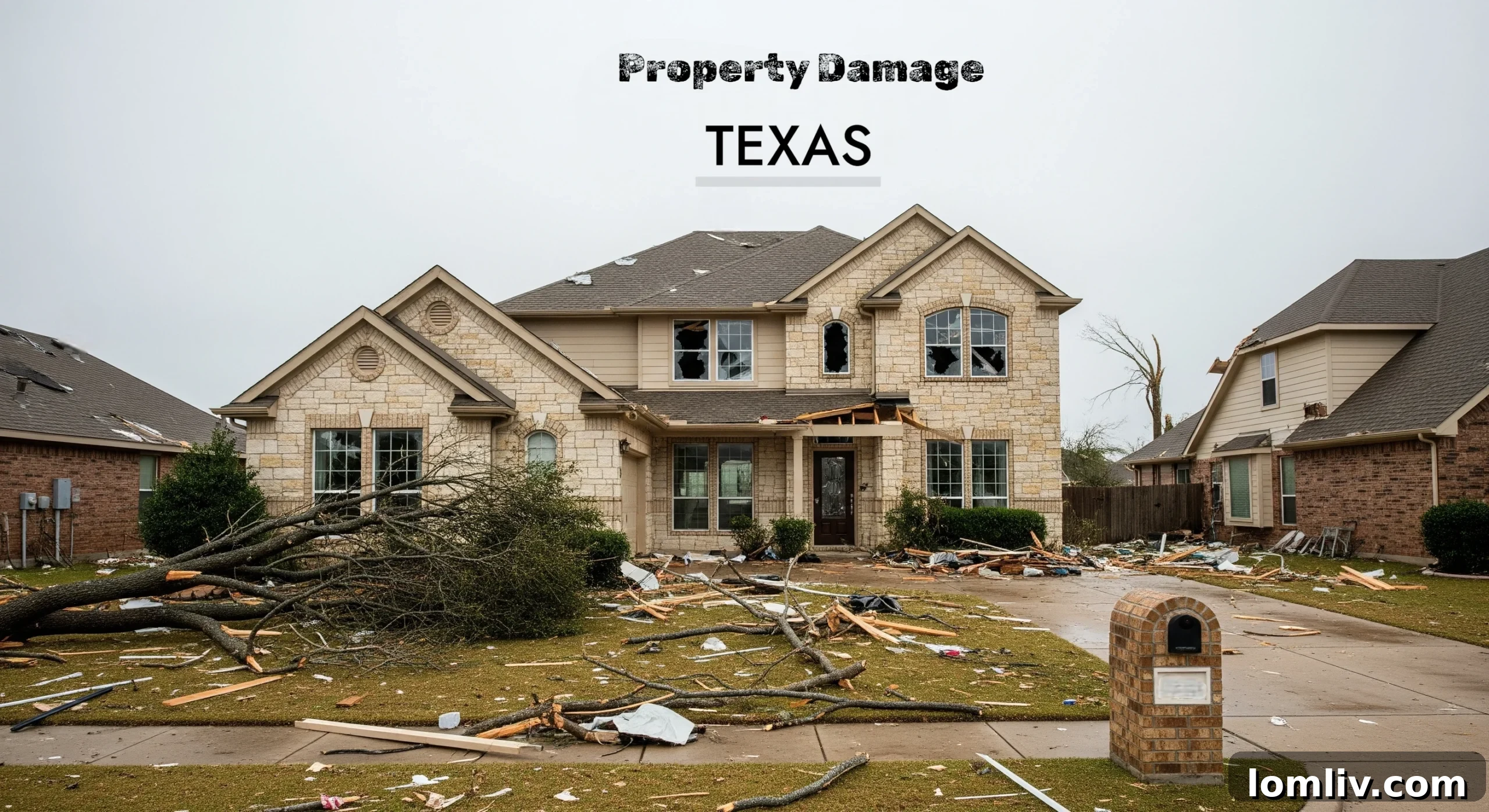
When your property suffers damage, navigating the aftermath can be overwhelming, especially when dealing with insurance companies or other responsible parties. Your rights in these disputes are multifaceted, typically depending on the specific cause of the damage, the details of your insurance policy, and the applicable state laws. However, several core entitlements generally apply, ensuring you have a fair opportunity to seek recovery.
1. The Right to Pursue Legal Action
If direct negotiations with your insurer or the party responsible for the damage fail to produce a satisfactory outcome, you are unequivocally entitled to take the matter to court. This fundamental right ensures that unresolved disputes, particularly those involving significant financial loss or allegations of bad faith by an insurer, can be addressed through the judicial system. Litigation provides a formal arena where evidence and testimony can be thoroughly presented, impartially weighed by a judge or jury, and a legally binding resolution achieved. It serves as a vital check and balance, preventing powerful entities from unfairly denying or undervaluing legitimate claims without consequence.
2. The Right to Legal Representation
You are never obligated to face a complex property damage dispute alone. The right to legal representation empowers you to enlist the support of an experienced attorney who can guide you through every intricate step of the process. A lawyer can meticulously prepare and file necessary paperwork, skillfully negotiate with insurance adjusters, gather and present compelling evidence, and, if required, represent your interests vigorously in court. Having professional representation is crucial for leveling the playing field between an individual property owner and a large insurance corporation or well-defended at-fault party, ensuring your voice is heard and your claims are taken seriously.
3. The Right to Fair and Comprehensive Compensation
As a property owner, you are entitled to pursue payment that accurately reflects the true and full cost of repairing or replacing your damaged property, not merely the initial, often low-ball, offer presented by an insurer. Fair compensation extends beyond the direct damage to the property itself. It can also encompass a range of related expenses and losses, such as temporary housing costs if your home is uninhabitable, loss of use (e.g., if a rental property cannot generate income), diminished value of your property or vehicle after repairs, and in some cases, even the cost of debris removal or other necessary mitigation efforts. Understanding the full scope of your damages is essential to securing what you are rightfully owed.
4. The Right to a Fair and Unbiased Investigation
Insurance companies and all parties involved in a property damage claim have a legal obligation to conduct a thorough, objective, and unbiased investigation of your claim. A fair investigation means diligently considering all available evidence, including any independent assessments or expert reports you provide, rather than selectively gathering information that supports a denial or undervaluation. Insurers must avoid rushing to judgment or making decisions based on incomplete data. You have the right to challenge an investigation you believe is prejudiced or inadequate, ensuring that your claim receives the diligent attention it deserves before a final decision is made.
5. The Right to File a Claim Without Intimidation or Undue Pressure
You possess the right to submit a property damage claim without experiencing any form of threat, harassment, discouragement, or undue pressure to accept a lower payout than your claim is worth. Insurance companies are prohibited from employing bad faith tactics, such as making misleading statements, delaying payments without valid reason, or using aggressive tactics to coerce claimants into unfavorable settlements. Insurers cannot retaliate against you for exercising your right to file a claim, even if that claim is ultimately denied. State laws often provide protections against such unfair claims practices.
6. The Right to Receive a Timely Response from Insurers
Insurance companies are not permitted to indefinitely delay the processing of your claim. Most states establish specific deadlines within which insurers must acknowledge receipt of a claim, initiate an investigation, communicate decisions, and, if the claim is approved, issue payment. You are entitled to clear, consistent, and timely updates regarding the status of your claim, including whether it has been accepted, denied, or remains under review. Unreasonable delays can sometimes constitute bad faith practices, potentially opening the door to additional legal action against the insurer.
7. The Right to Independent Assessments of the Loss Value
If you believe that an insurer’s estimate significantly undervalues the extent of your property damage, you are not bound by their assessment. You have the right to seek and present an independent evaluation of your losses, typically from a qualified public adjuster, contractor, or appraiser. This right is crucial for protecting you from being locked into one-sided numbers that primarily benefit the insurance company rather than accurately reflecting the actual repair, replacement, or market value costs of your damages. Such independent assessments serve as critical evidence in negotiations and, if necessary, in court.
8. The Right to Pursue Recovery from the At-Fault Party
Beyond seeking compensation from your own insurance provider, you may also have the right to pursue recovery directly from the party legally responsible for causing the damage. This could include a negligent driver who crashed into your home, a contractor whose substandard work led to structural issues, a manufacturer of a defective product that caused a fire, or even a public entity whose negligence contributed to the damage. This option allows you to seek a broader range of damages, often including those not covered by your own policy, and ensures that the party truly at fault bears the financial consequences of their actions. These rights are fundamental to a just legal system, but they are only effective if you know them and are prepared to enforce them. A skilled lawyer can be instrumental in ensuring these vital protections are respected throughout your property damage claim.
Navigating the Property Damage Claim Process
Once property damage occurs, the journey to recovery begins with several critical steps. Prompt and thorough documentation is paramount: take extensive photos and videos of all damage before any cleanup, make detailed lists of damaged items, and keep all receipts for temporary repairs or expenses incurred to prevent further damage. Notifying your insurance company immediately is crucial, as policies often have specific reporting timelines. Be prepared to provide accurate information, but avoid speculating or admitting fault. During the adjuster’s visit, walk through the property with them, pointing out all damages, and providing your documentation. It’s wise to get multiple repair estimates from reputable contractors, as your insurer’s initial estimate may be low. If negotiations with your insurer stall or you suspect bad faith, this is often the point where legal counsel becomes indispensable.
How Courts Address Property Damage Disputes
When settlement talks and negotiations fail to yield a satisfactory resolution, a property damage dispute may escalate to litigation, requiring judicial intervention. Courts meticulously examine various factors to determine liability and the extent of damages. A primary focus is often on whether the damage resulted from negligence, meaning a party failed to exercise reasonable care, or if it was an unavoidable accident. Judges and juries consider all submitted evidence, including expert testimony from engineers, appraisers, and contractors, to ascertain the true value of the loss and to determine if any insurance policy exclusions legitimately apply to the claim.
In many jurisdictions, the legal principle of comparative negligence may influence the final recovery amount. This means that if you are found to be partially responsible for the damage, your compensation may be reduced proportionally to your degree of fault. In states with contributory negligence laws, even minor fault on your part could completely bar your recovery. Therefore, robust documentation, including detailed records, photographs, independent reports, and persuasive expert testimony, is absolutely critical in demonstrating the cause, extent, and value of the damage. Successfully navigating court proceedings requires a deep understanding of legal procedures and an effective presentation of facts, underscoring the vital role of skilled legal representation in achieving a favorable outcome.
Key Takeaways for Property Owners
Property damage disputes are undeniably challenging and stressful, but it’s crucial to remember that you are not powerless in these situations. By proactively understanding your rights, diligently collecting strong evidence, and seeking timely legal assistance when necessary, you significantly enhance your chances of securing the fair and just compensation you deserve.
- Property damage encompasses a wide range of assets, including vehicles, residential homes, and personal belongings.
- Insurance companies frequently undervalue or outright deny legitimate claims, making vigilance essential.
- Engaging a property damage lawyer is a powerful step towards protecting your rights during negotiations and potential court proceedings.
- Comprehensive evidence, including detailed documentation and expert reports, is paramount for achieving a fair and equitable outcome.
- Your specific rights and potential avenues for recovery are shaped by both state laws and the intricacies of your insurance policies.