The real estate landscape is perpetually dynamic, and recent discussions following Part I of our series on the evolving housing market have highlighted the immense interest in understanding current trends. Your tremendous feedback and engagement are truly appreciated, underscoring the importance of staying informed about market shifts, particularly within vibrant areas like Tarrant County.
Last week, backed by compelling data, we established a clear picture: the housing market is indeed experiencing a slowdown, or more accurately, a significant shift. This is not a cause for alarm, but rather an indicator of a market adjusting. It’s crucial to differentiate this current trend from a “recession.” While some may be quick to use such terminology, the distinction between a slowdown and a full-blown recession is profound. A market slowdown signifies a recalibration, often leading to a healthier, more sustainable environment, whereas a recession implies a widespread economic downturn. Understanding this nuance is key to navigating the current real estate climate effectively.
Is This Real Estate Market Slowdown a Positive Development?
Many industry experts and observers have suggested that this transition from an aggressive seller’s market to one that offers more opportunities for buyers could be a genuinely positive development for the entire real estate ecosystem. I wholeheartedly concur with this perspective. A balanced market benefits everyone involved, fostering stability and encouraging long-term growth rather than short-term speculative surges.
The data has consistently shown that when home prices escalate too rapidly, coupled with rising interest rates and stagnant individual incomes, the affordability threshold for many prospective buyers is breached. This inevitably leads to a decline in sales activity, which, in the long run, is detrimental to the overall health of the real estate industry. When buyers are priced out, the market loses momentum, impacting sellers, agents, lenders, and ancillary services alike.
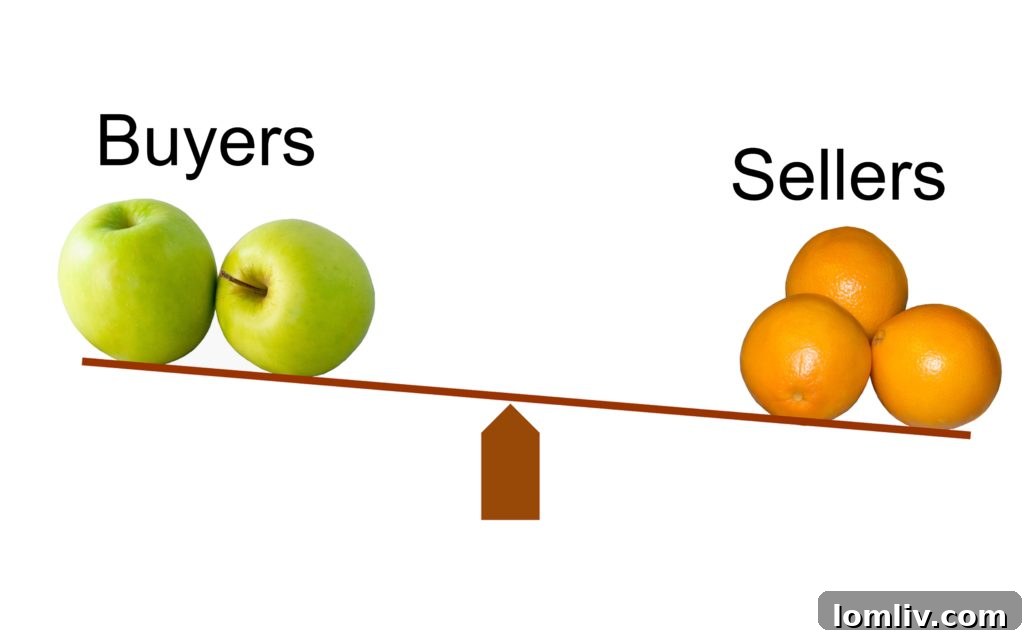
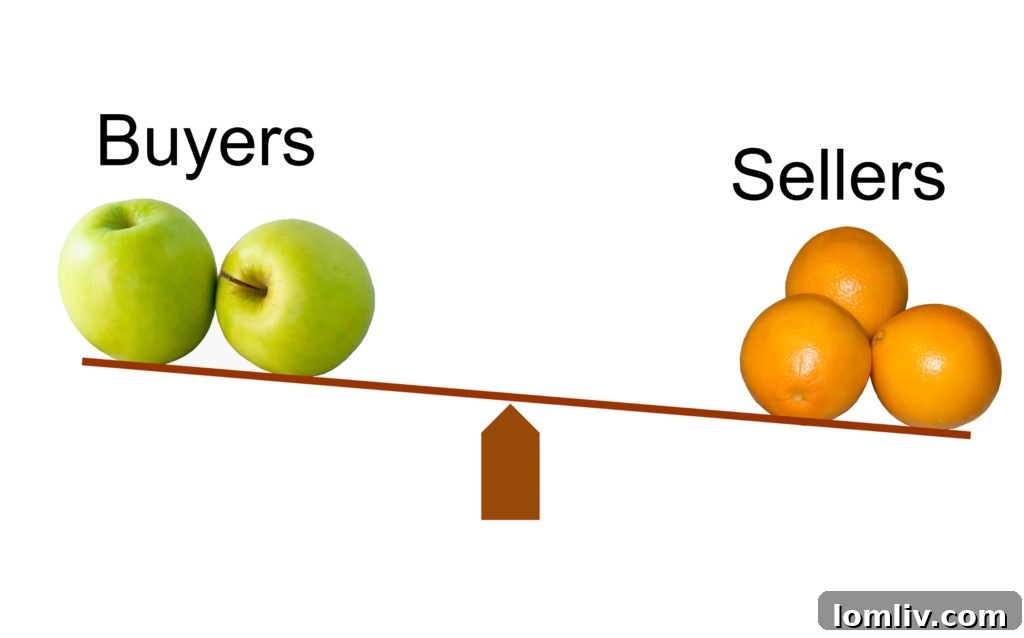
What we are currently observing is a natural rebalancing act. The pendulum, which for years swung heavily in favor of sellers, is now moving closer to the middle. This isn’t about shifting entirely to a buyer’s market, but rather cultivating a “happy medium”—a truly balanced market where real estate transactions are beneficial, accessible, and palpable for all parties. In this balanced state, price growth is more sustainable, buyer demand is more consistent, and both sellers and buyers can approach transactions with greater confidence and less pressure.

Essential Guidelines for Navigating the New Real Estate Market
Change, by its very nature, often incites fear, and fear can lead to inaction or paralysis. This is a fundamental aspect of human psychology that extends directly to the real estate market. In a shifting environment, both sellers and buyers must equip themselves with knowledge and adhere to key guidelines to mitigate apprehension and ensure a positive, rewarding home buying or selling experience. Partnering with a trusted expert, such as your dedicated Bow Tie Realtor and Real Estate Sherpa, becomes paramount during such transitional periods.
For Sellers: Meeting the Demand for the Perfect Home
In the frenzied market of the past six to twelve months, buyers often demonstrated a willingness to meet or even exceed asking prices, particularly for homes they perceived as “perfect.” But what exactly constitutes “perfection” in today’s context? It means a property that evokes the polished, aspirational aesthetic seen on popular home renovation shows like Fixer Upperor other HGTV series.
Buyers today are highly visual and incredibly discerning. They are searching for homes that are genuinely move-in ready, requiring minimal, if any, immediate renovations or cosmetic updates. This typically translates to properties featuring an open-concept layout, modern neutral color palettes like grey walls, pristine white kitchen cabinets, contemporary subway tile backsplashes, elegant hardwood floors, practical yet stylish open shelving, and on-trend light fixtures. If a home doesn’t meet these heightened expectations, it risks languishing on the market, attracting less interest and potentially requiring price adjustments.
It’s not necessarily that older homes are in poor condition; rather, the rapid appreciation in prices has set a new benchmark for buyer expectations. When paying top dollar, buyers anticipate perfection in a resale property. If a home falls short of this ideal, they are increasingly prepared to wait for a price reduction or seek out properties that better align with their vision of a “dream home.”
Consequently, we’re seeing an increase in properties with “Price Improvement,” “Price Reduction,” or “Priced to Sell” labels. While these terms may vary, their underlying message is consistent: homes that were initially priced too high for their current condition or aesthetic appeal are now undergoing adjustments to stimulate interest and encourage a sale. Sellers must understand that in a balanced market, strategic pricing, combined with a focus on presentation and modern appeal, is crucial for a successful and timely transaction.

For Buyers: Exercise Prudence – This is Not a Recession
For the past three to five years, buyers have contended with a challenging real estate environment characterized by limited inventory, rapidly rising prices, intense bidding wars, multiple contract scenarios, and offers significantly above asking price. It’s understandable that this period of pent-up frustration might lead some buyers to become overly aggressive in a shifting market, eager to finally secure the “good deal” that has eluded them.
While it is certainly more common now to see offers below the asking price, it’s imperative for buyers not to get carried away. The primary objective for any buyer remains to successfully purchase a home, not to antagonize a seller to the point where they refuse to engage in negotiations. Overly low-ball offers, particularly when not justified by property condition or market analysis, can be counterproductive, signaling to sellers that a buyer is not serious or is unrealistic in their expectations.
If you are genuinely interested in a property, the most effective strategy is to make a reasonable and well-researched offer. Be prepared to receive an appropriate counter-offer. This collaborative approach fosters a productive negotiation process that benefits both parties. It’s crucial to remember that while the market is balancing, it is not in a state of recession. Homes are not suddenly available for “pennies on the dollar.” A realistic understanding of market value and a strategic approach to offers will significantly increase a buyer’s chances of securing their desired home without alienating potential sellers.

Separating the Wheat From the Chaff: The Value of True Professionals
In periods of unprecedented market growth, the perception often arises that being a real estate agent is an effortlessly lucrative profession. The caricatured image of a Realtor starting their day late, casually creating flyers, driving a luxury car, constantly on the phone, simply sticking a sign in the yard, determining prices solely by price per square foot, and collecting a hefty commission seems to proliferate. This oversimplified view gravely underestimates the complexity, dedication, and expertise truly required to excel in real estate.
A significant market shift, however, acts as a powerful filter, effectively separating the wheat from the chaff across all facets of the real estate transaction. This includes not only real estate sales professionals but also mortgage lenders, appraisers, title companies, and every other entity involved. The agents who merely opened doors and collected commissions during the boom will find it challenging to navigate a more demanding and nuanced market.
Contrary to popular misconceptions, being a *good* real estate sales professional is an incredibly demanding and multifaceted career. Unfortunately, when the market is severely unbalanced and properties sell almost automatically, many individuals lacking genuine expertise or commitment enter the field, often performing little more than “carpooling” clients and “door opening.” They thrive on market momentum rather than skill.
A shift in market dynamics compels *true* real estate professionals to elevate their game. It demands a mastery of accurate home pricing through comprehensive market analysis, innovative and smart marketing strategies to attract qualified buyers, astute negotiation skills to secure favorable contracts, and unwavering dedication to guide both buyers and sellers through every intricate step of the transaction process, from initial offer to closing. This includes adeptly handling inspections, appraisals, financing hurdles, and title complexities.
This market adjustment serves a vital purpose: it exposes the limitations of discount brokers, unqualified lenders, and various start-ups that lack the foundational knowledge, ethical standards, or intrinsic value necessary to genuinely serve clients in real estate. As the market matures, these entities will likely fade away, leaving the field to proven professionals. Their absence is not a loss, but rather a necessary cleansing that strengthens the industry for the long term.
All Parties: The Non-Negotiable Importance of Setting Realistic Expectations
Perhaps the most critical takeaway from this entire discussion is the absolute necessity for all parties involved – buyers, sellers, and their respective agents – to establish and maintain realistic expectations. Deals frequently falter, and properties remain unsold, not due to a lack of interest, but primarily because expectations are misaligned, unrealistic, or poorly communicated from the outset.
Whether fueled by ego, underlying fears, sheer stubbornness, professional laziness, or outright incompetence, a failure to set proper expectations can derail any transaction. This encompasses every stage of the process: negotiating the sales price, formulating and responding to offer prices, navigating counter-offers, addressing findings from home inspections, dealing with appraisal valuations, resolving financing contingencies, and overcoming potential title issues.
Successfully navigating a shifting real estate market demands a cohesive team of talented, dedicated, and knowledgeable professionals. These experts understand the intricate dance of market forces and client needs. They possess the communication skills to transparently set expectations, the negotiation prowess to achieve favorable outcomes, and the problem-solving ability to smooth over inevitable bumps in the road. Their guidance ensures that buyers and sellers move through the process with clarity, confidence, and ultimately, success.

If you find yourself needing a seasoned Real Estate Sherpa to guide you through the intricacies of the Tarrant County market, don’t hesitate to reach out. You can call me directly at (817) 980-6636.
I value diverse perspectives. Whether you agree with the sentiments expressed in this article or hold a differing viewpoint, I encourage you to connect with me. Your insights are invaluable, and I’d genuinely love to hear your thoughts and experiences.
That concludes our market update from Tarrant County this week, dear readers. Thank you sincerely for taking the time to read, follow, and share these discussions. As always, if you have any questions, comments, or brilliant ideas for future blog topics, please feel free to contact me!
Seth Fowler is a licensed Real Estate Sales Professional affiliated with Williams Trew Real Estate in Fort Worth, TX. The statements and opinions presented in this article are solely his own. Seth has been actively involved in the home sales and broader real estate industry within the Fort Worth area since 2004. He and his family have been residents of the area for over 15 years. Seth is also well-known for his distinctive love for bowties! You can reach Seth directly at: 817.980.6636 or via email at [email protected].