Garage Door Cable Replacement: A Complete 2024 Guide
You press the button on your garage door opener, but instead of a smooth ascent, you hear a jarring noise, and the door only lifts unevenly, or not at all. A crooked, jammed, or unresponsive garage door is more than an inconvenience; it’s a sign of a critical failure within the system. Often, the culprits are the hardworking yet overlooked garage door cables. These vital components bear the immense weight of your door, and when they fail, the entire operation grinds to a halt.
Understanding the role of these cables, recognizing the signs of wear, and knowing the steps for a safe replacement are crucial for every homeowner. A broken cable can render your garage inaccessible and pose a significant safety risk. This comprehensive guide will walk you through everything you need to know about garage door cable replacement, from identifying the problem to understanding costs and the critical importance of professional repair.
How Garage Door Cables Work in Tandem with Springs
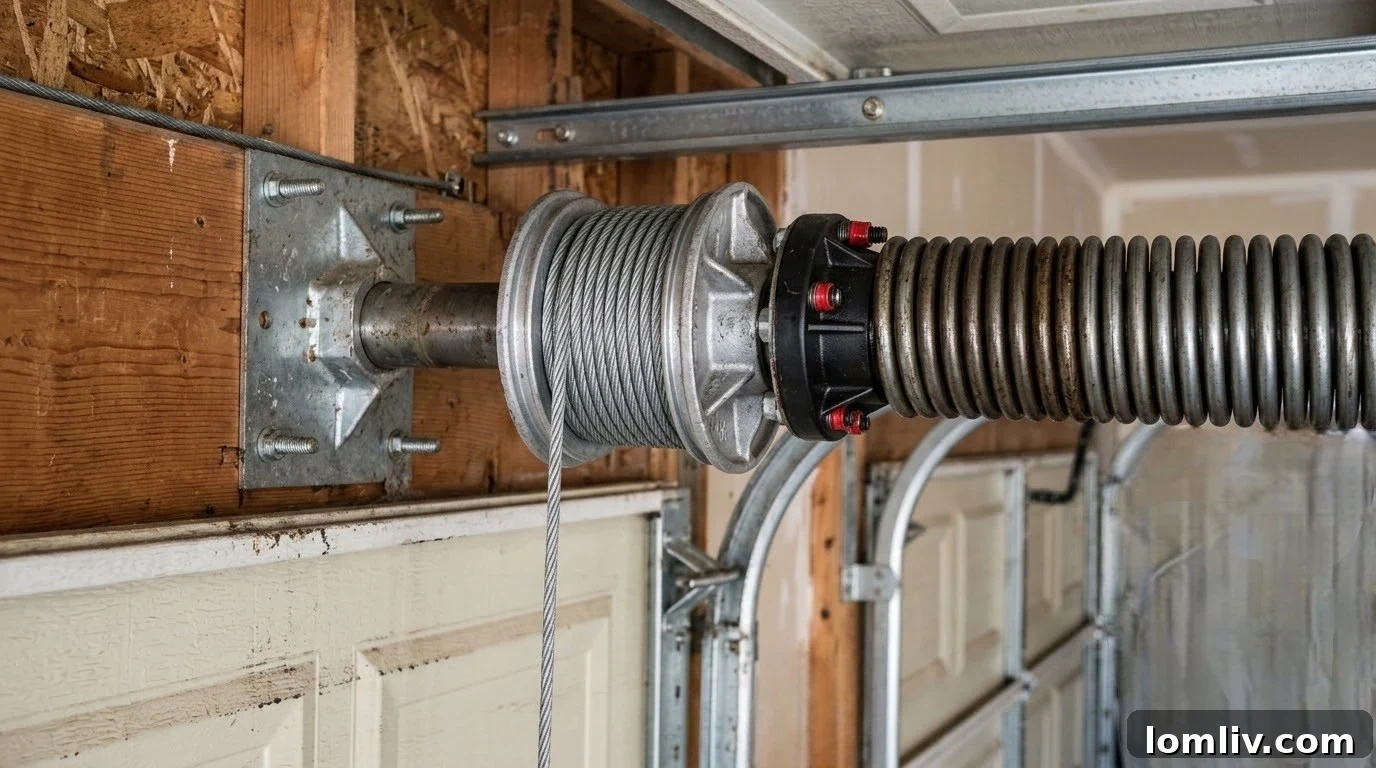
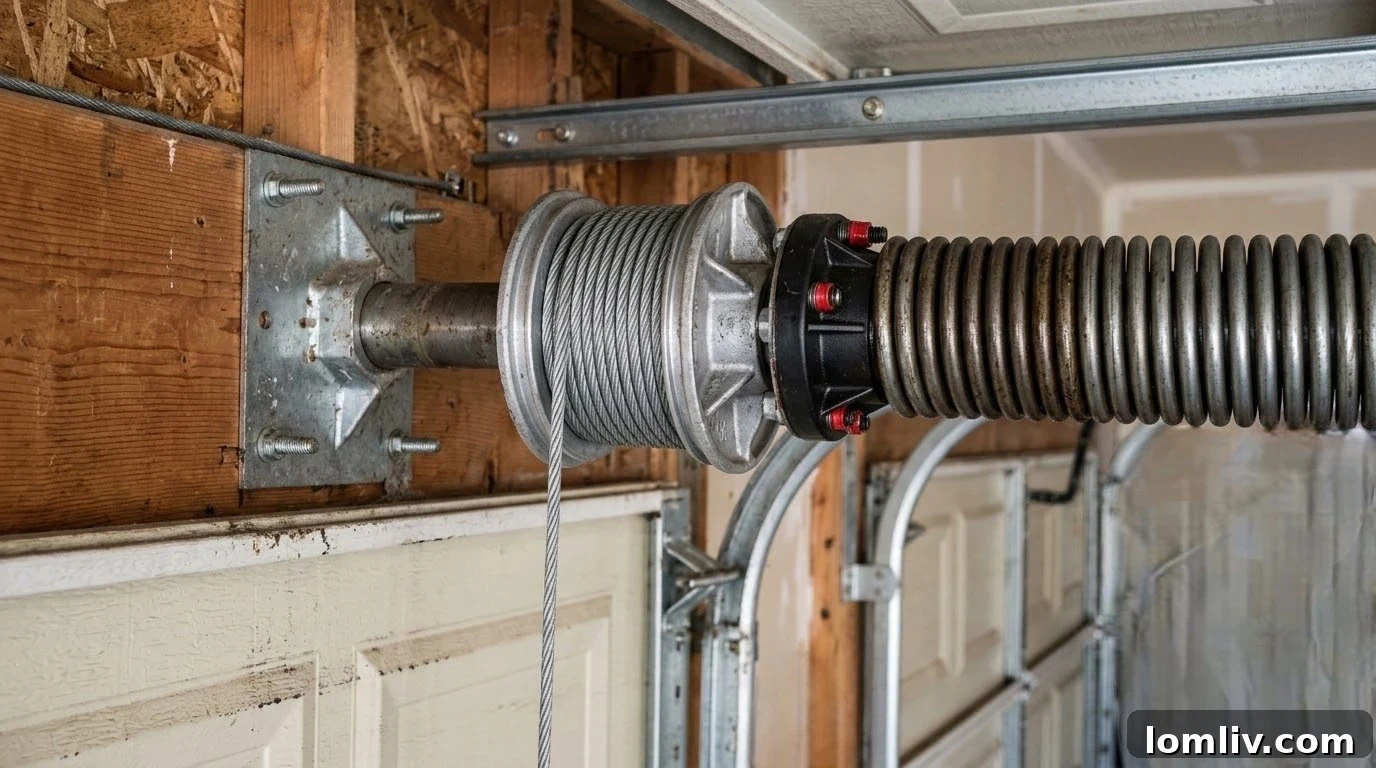
Garage door cables are the unsung heroes of your garage door system. While the springs provide the raw lifting power, the cables are what transfer that energy to the door itself, ensuring a controlled and balanced movement. Think of the springs as the muscles and the cables as the tendons. They work together in a finely tuned partnership to manage the door’s weight, which can range from 100 to over 400 pounds.
Here’s a breakdown of their essential functions:
- Lifting and Lowering: The cables are attached to the bottom corners of the garage door and wind around a drum. As the springs unwind, the drums turn, and the cables effectively pull the door upwards along its tracks. The process reverses when the door closes.
- Maintaining Balance: There is a cable on each side of the door. This two-cable system is critical for keeping the door level as it moves. If one cable becomes stretched, frayed, or snaps, the door will become uneven, often getting stuck in the tracks.
- Acting as a Safety Failsafe: In conjunction with the springs, cables prevent the door from slamming shut. If a spring were to break, the cables provide a secondary level of support, though they are not designed to hold the full weight of the door alone for long.
Given the immense tension and constant use they endure, these cables are subject to wear and tear over time. When they begin to fail, the safety and functionality of your garage door are compromised.
Warning Signs: How to Tell if Your Garage Door Cables Need Replacing
A failing garage door cable rarely happens without warning. Being able to spot the early signs can save you from a more costly emergency repair. Pay close attention to these red flags:
- A Crooked or Uneven Door: This is the most common symptom. If one side of your garage door is higher than the other when opening or closing, it almost always points to a problem with the cable on the lower side. It may be stretched, loose, or completely snapped.
- Visible Fraying or Broken Strands: Take a moment to visually inspect the cables. They are made of wound steel wires. If you see any strands that are unraveling, fraying, or rusting, the cable’s integrity is compromised, and it’s only a matter of time before it breaks completely.
- The Door Gets Stuck or Jammed: A door that stops moving midway up or down, or seems to struggle, could be suffering from a cable that has slipped off its drum. This causes the door to bind in the tracks.
- Loud Noises During Operation: A sudden, loud bang is often the sound of a torsion spring breaking, but it can also be a cable snapping under tension. Any unusual grinding, scraping, or popping sounds should be investigated immediately.
- The Door Falls Too Quickly: If your garage door seems heavier than usual or slams down instead of closing smoothly, it could indicate that the cables are no longer providing adequate support.
If you notice any of these issues, stop using the garage door immediately, both manually and with the opener, to prevent further damage and ensure safety. It’s time to consider a replacement.
How Much Does It Cost to Replace Garage Door Cables?

The cost of garage door cable replacement varies based on several factors, but it is a relatively affordable repair that can prevent much larger expenses down the line. For 2024, homeowners can typically expect the following price ranges:
- Basic Cable Replacement: For a standard job involving just the replacement of both cables, the cost typically falls between $150 and $350. This price includes both the parts and the labor from a professional technician.
- Cables with Additional Adjustments: If the technician also needs to adjust the tracks, rebalance the door, or perform other minor tune-ups, the cost may rise to the $250 to $450 range.
- Cables and Springs Replacement: It’s often recommended to replace the springs at the same time as the cables, especially if they are of a similar age. This combined service usually costs between $350 and $700+, depending on the type of spring system.
Several factors influence the final price, including the type of cable system (torsion or extension), the size and weight of your garage door, and local labor rates. A job in a major metropolitan area may cost slightly more than in a rural one.
Why You Should Hire a Professional for Cable Replacement
While some home repairs are suitable for a weekend DIY project, garage door cable replacement is not one of them. The system is under extreme tension, and mishandling it can lead to severe injury or significant property damage. This is a job best left to trained and insured professionals.
Here’s what a professional technician does to ensure a safe and correct replacement:
- Safety First – Disconnect and Secure: The first step is always to unplug the garage door opener and disengage it from the door. The door is then secured in place with locking pliers or C-clamps on the tracks to prevent it from unexpectedly moving.
- Carefully Release Spring Tension: This is the most dangerous step. A professional uses specialized winding bars to safely and slowly unwind the torsion springs, releasing the enormous energy they hold. For extension springs, the process is different but equally hazardous.
- Remove the Old, Damaged Cables: Once the tension is released, the old cables can be safely detached from the bottom brackets and unwound from the drums.
- Install and Wind the New Cables: The new, correct-sized cables are attached to the bottom brackets and carefully wound onto the drums, ensuring they are seated properly in the grooves.
- Reapply Tension and Balance the Door: The technician will retighten the springs to the correct tension based on the door’s weight. They then perform a balance test to ensure the door stays in place when lifted halfway.
- Test and Reconnect: Finally, the clamps are removed, the opener is re-engaged, and the door is tested multiple times to confirm smooth, level, and safe operation.
Attempting this process without the right tools and knowledge can lead to cables whipping loose, springs snapping, or the entire door crashing down. Hiring a professional from a reputable company like Cedar Park Garage Doors ensures the job is done right, protecting you, your family, and your property.
Understanding the Types of Garage Door Cables
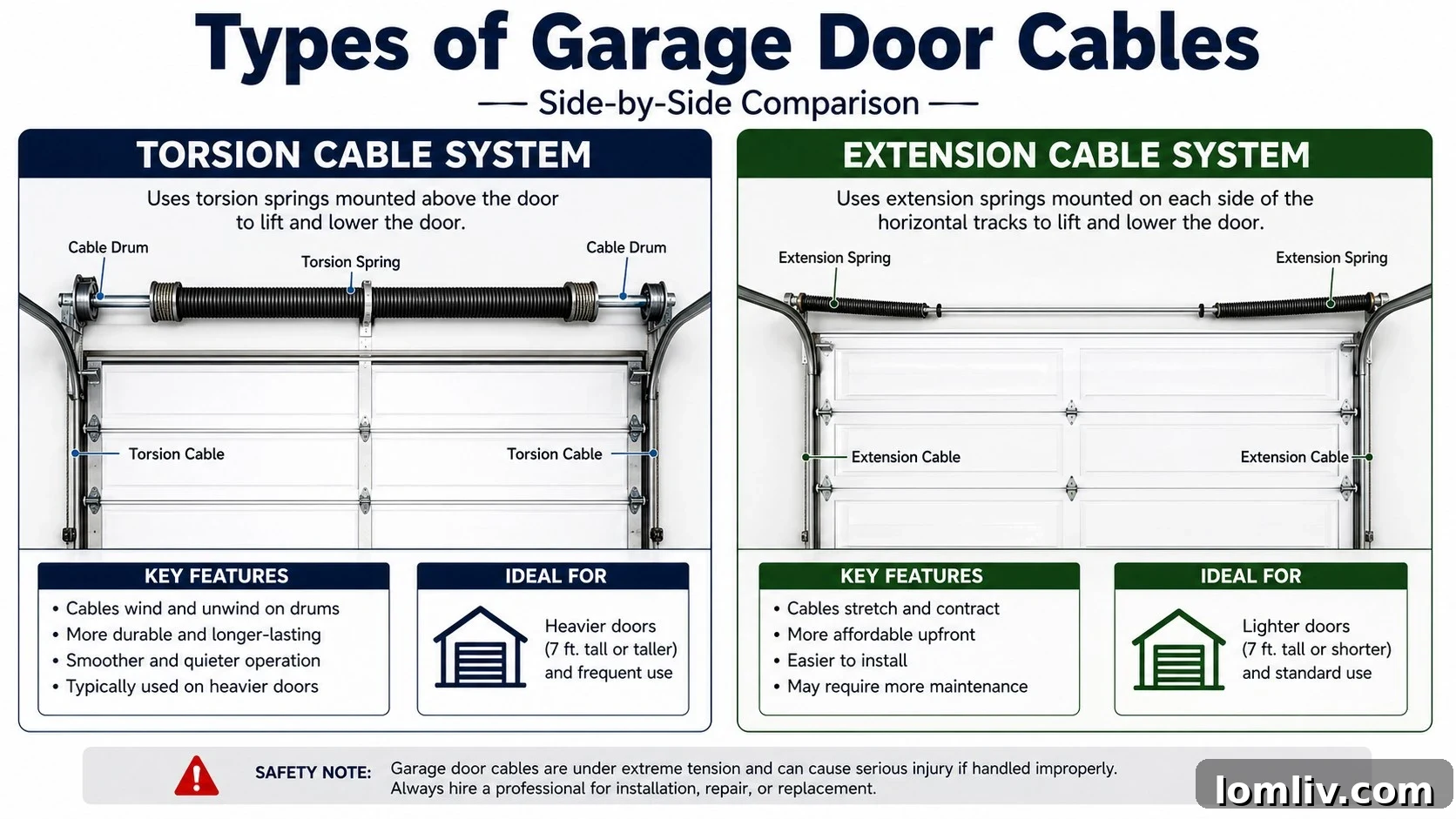
Garage door cables are not one-size-fits-all. They are designed to work with one of two types of spring systems:
1. Torsion Spring Cables
Found in the majority of modern homes, torsion spring systems feature one or two tightly wound springs mounted on a metal bar directly above the garage door opening. Torsion cables are typically thicker and more durable. They connect to the bottom bracket of the door and wind onto grooved drums at either end of the torsion bar. This system is considered safer and more reliable than its extension spring counterpart.
2. Extension Spring Cables
More common in older homes, extension spring systems have springs that run parallel to the horizontal tracks on each side of the door. These springs stretch and contract to provide lifting power. The cables in this system run from the bottom bracket up to a pulley and then back to the spring. A critical safety feature for this system is an additional safety cable that is threaded through the middle of each extension spring. This prevents the spring from flying across the garage if it breaks.
A professional will be able to immediately identify your system and use the correct type and gauge of cable for the replacement.
How to Prevent Cable Wear and Tear with Regular Maintenance
You can significantly extend the life of your garage door cables and prevent premature failure with a simple maintenance routine. Proactive care is far cheaper than an emergency repair.
- Inspect Regularly: Once a month, perform a quick visual inspection of your cables, springs, rollers, and pulleys. Look for signs of fraying, rust, or damage.
- Keep Components Lubricated: Twice a year, lubricate all moving parts of your garage door, including hinges, rollers, and bearings, with a high-quality garage door lubricant. Do not lubricate the cables themselves, as this can cause them to slip off the drums.
- Check Door Balance: To test the balance, disconnect the opener and lift the door manually to about waist height. If it stays in place, the balance is good. If it falls or rises, the springs need professional adjustment. An unbalanced door puts immense strain on the cables and opener.
- Schedule Annual Professional Inspections: Having a technician perform a professional tune-up once a year is the best way to catch problems early. They can adjust tension, lubricate hard-to-reach parts, and identify worn components before they fail.
The Bottom Line on Garage Door Cable Replacement
Garage door cable replacement is a necessary repair when cables show signs of wear, fraying, or have already snapped. Ignoring these warning signs can lead to a completely inoperable door and create a dangerous situation. Due to the high-tension components involved, this is a repair that should always be handled by an experienced professional.
By understanding the function of your cables, recognizing the signs of failure, and investing in regular maintenance, you can ensure the safe and reliable operation of your home’s largest moving object. A well-functioning garage door not only provides convenience but also enhances your home’s security, value, and curb appeal.