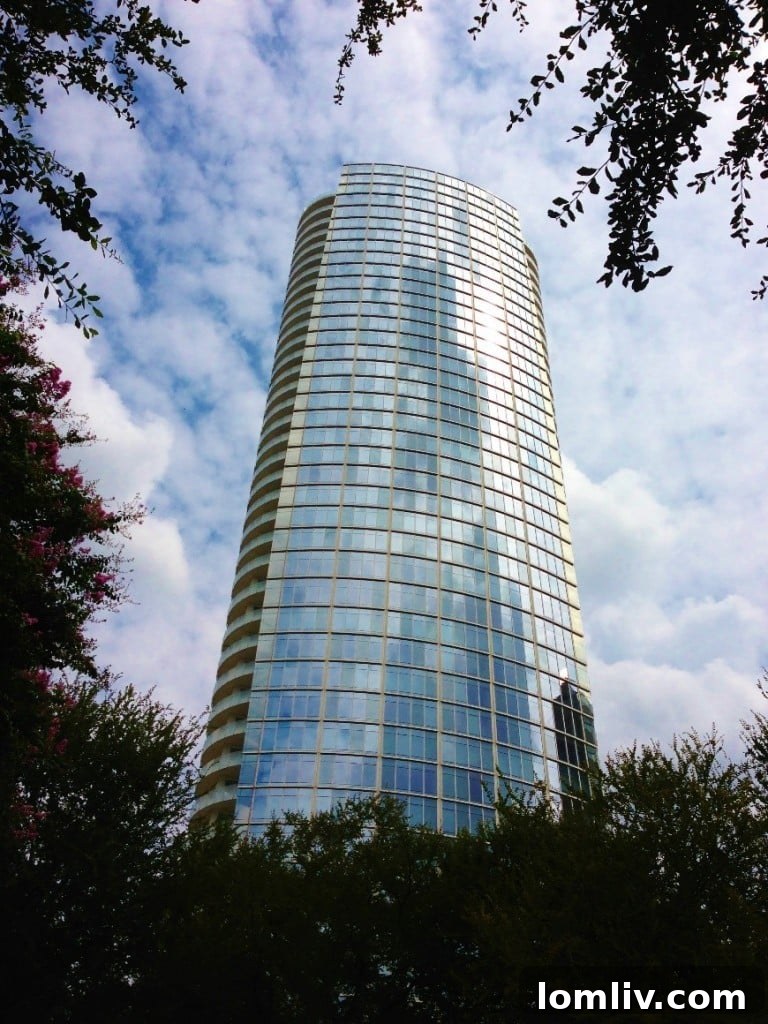
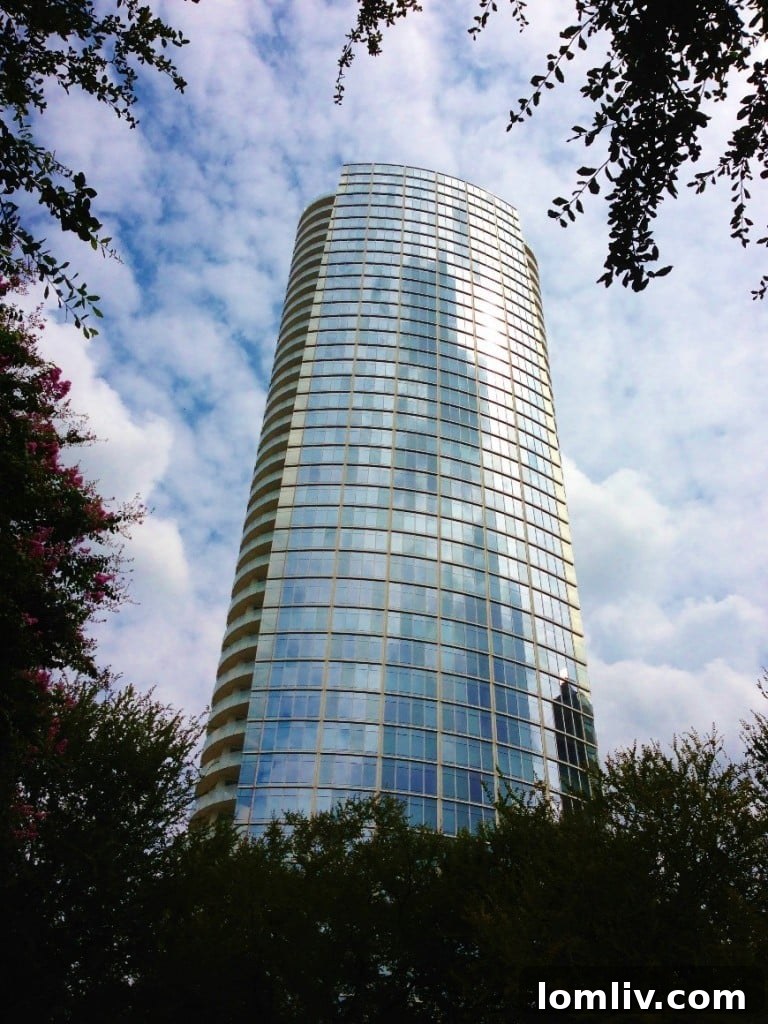
Unpacking the Dynamics of Dallas Luxury Condo Sales: A Deep Dive into Museum Tower’s Performance
The Dallas real estate market, particularly its luxury condominium segment, presents a unique and often complex landscape for developers, agents, and prospective buyers alike. While the city has historically been synonymous with sprawling single-family residences, a burgeoning appetite for sophisticated urban living has steadily reshaped its skyline and residential preferences. This article aims to provide an in-depth analysis of Museum Tower’s sales performance, contextualizing it within the broader high-end condo market in Dallas and drawing comparisons with other iconic luxury developments.
Setting the Scene: Museum Tower Shows a Strong Uptick in Sales
Recent reports have ignited considerable discussion surrounding Museum Tower, one of Dallas’s most distinguished luxury high-rises. A notable headline from D Magazine, “Museum Tower Shows Strong Uptick in Sales,” by my esteemed colleague Tim Rogers, effectively brought the tower’s performance into sharper focus. Rogers’ meticulous investigation into Dallas Central Appraisal District (DCAD) records unveiled encouraging statistics, indicating a tangible acceleration in sales activity:
“…that 27 units have sold, for a total of 108,208 square feet and $57,343,250 of assessed value. Not too shabby. In about five months, Museum Tower has roughly doubled its numbers.”
While these figures undoubtedly reflect positive momentum, signifying a growing interest in Museum Tower’s exclusive residences, the initial reception within the seasoned real estate community was nuanced. Despite the apparent surge, a healthy skepticism often emerges regarding the actual pace of sales. This caution stems from the well-known reality that official records, such as those maintained by DCAD, frequently lag significantly behind real-time market transactions. It’s a common observation in the Dallas real estate scene that ownership changes can take anywhere from several weeks to many months to be fully processed and reflected in public databases. This delay means that while DCAD provides a foundational snapshot, it rarely captures the immediate, dynamic pulse of a fast-moving, high-value market segment. For instance, high-profile property transfers, including those for celebrity residences, have been known to take five months or more to update on DCAD records, illustrating the inherent lag that professionals must factor into their assessments.
The Strategic Edge: Marketing and Positioning Museum Tower in Dallas’s Luxury Arena
Museum Tower officially commenced the marketing of its opulent units in 2013, forging a pivotal partnership with Briggs-Freeman Sotheby’s International Realty. This strategic alliance was conceived to harness Sotheby’s unparalleled global network and deep expertise in marketing high-net-worth properties to an exclusive, international clientele. The collaboration has unequivocally proven its worth, playing a crucial role in establishing Museum Tower as a premier destination for luxury urban living in the heart of the Dallas Arts District.
Currently, Museum Tower boasts some of the highest price per square foot figures for condominiums in the entire city, a clear indicator of its architectural excellence, prime location, and the exceptional quality of life it offers. Given this premium market positioning, it was not unexpected that early sales strategies included targeted “deals” or incentives to attract initial buyers and build essential sales momentum. Among these, an unprecedented money-back guarantee for buyers stood out. This audacious program was designed to instill confidence and mitigate perceived risks in what was, at the time, a relatively nascent luxury condo market for Dallas. This bold initiative was eventually discontinued once sales activity demonstrated sustained strength and market confidence firmly solidified, indicating a successful shift in market perception and demand. Such a comprehensive incentive program highlighted the developer’s commitment to ensuring buyer satisfaction and underscored the unique value proposition of the tower during its initial launch phase.
However, the commanding price point of Museum Tower’s residences has consistently been cited by real estate professionals as a significant factor influencing the pace of sales. This observation is not exclusive to Museum Tower; it’s a fundamental characteristic of the ultra-luxury real estate market across major metropolitan areas. Properties, whether homes or condominiums, priced at $3 million and above inherently appeal to a considerably smaller demographic of buyers. Consequently, their sales cycles are naturally longer and exhibit less transactional velocity compared to properties in more accessible price brackets. This stark contrast can be seen when comparing the deliberate pace of luxury sales with the swift transactions observed in the broader market, such as a charming $369,999 Ju-Nel home in Lake Highlands, which reportedly sold in less than 24 hours. The disparity in market speed vividly illustrates the distinct dynamics and buyer behaviors that define each segment of the real estate market.
Gauging Success: Insider Perspectives and Market Realities in Luxury Condo Sales
To gain direct insight into Museum Tower’s ongoing performance, I engaged with Steve Sandborg, the Vice President of Sales & Marketing. His response, while predictably positive, provided valuable affirmations regarding the developer’s satisfaction with current progress:
“Museum Tower sales are continuing to do very well,” he affirmed. “We are very happy with sales to date and we are confident in the future with good prospects in the pipeline. And, we are glad others are recognizing it, too!”
Sandborg’s emphasis on “good prospects in the pipeline” is particularly noteworthy in the context of the luxury market. High-end real estate transactions are rarely impulsive; they typically involve an extended period of client cultivation, multiple property viewings, intricate financial planning, and often bespoke customization requests. A robust sales pipeline signals a consistent flow of genuinely interested and highly qualified buyers actively progressing through the sales cycle, a much stronger indicator of sustained success than an initial burst of rapid sales. The 42-story Museum Tower has been actively marketing its exceptional units since January 2013. Over approximately a year and a half, the building has achieved a significant milestone, being almost or nearing one-third sold, which translates to roughly 30% of its units finding discerning buyers.
This achievement naturally prompts a critical question for anyone observing the Dallas real estate landscape: What constitutes a realistic and fair timeline for selling out a luxury condominium development in a city like Dallas? Dallas has, for generations, been characterized by its expansive single-family homes, a preference deeply woven into its cultural and architectural fabric. While this tradition is undoubtedly evolving with increasing urbanization and a growing demand for convenient, lock-and-leave lifestyles, the luxury condo market still operates under its own distinct set of parameters. Historically, during periods of economic uncertainty or market slowdowns, condominium values in Dallas have often been among the first real estate segments to experience downturns, highlighting their inherent sensitivity to broader economic conditions and shifts in consumer confidence.
A retrospective glance at historical narratives reveals compelling parallels. A now-humorous article by Steve Brown from 2004, for instance, boldly proclaimed that “The W and Ritz-Carlton Residential Towers in Dallas Claim 75-80% Sold.” Yet, by 2010, Steve Brown revisited the topic with a more grounded investigation, similar to Tim Rogers’ analysis of Museum Tower. Relying on updated DCAD data, he discovered that only about 30% of the Ritz-Carlton Tower Residences had actually closed sales. This historical disparity between optimistic developer projections and verified sales underscores the inherent challenges in accurately assessing the true absorption rate of luxury condominiums and the critical importance of independent verification over initial claims.
Case Studies in Luxury: Lessons from Dallas’s Premier High-Rise Towers
Examining the trajectories of other comparable luxury high-rises in Dallas offers invaluable context for understanding Museum Tower’s performance and helps to establish benchmarks for success within this highly specialized market segment.
The Azure: A Six-Year Journey to a Successful Sell-Out
The Azure, another prominent and architecturally distinctive luxury condominium tower in Dallas, was completed and delivered in 2007. By 2013, according to an insightful feature byD Magazinewriter Joseph Guinto, the building was on the cusp of a complete sell-out, with only a very limited number of units remaining. Guinto, whose exceptional journalistic work I greatly admire, keenly observed:
“At the nearby 31-story Azure condo building, which was finished in 2007, the developers are just a few units from being sold out.”
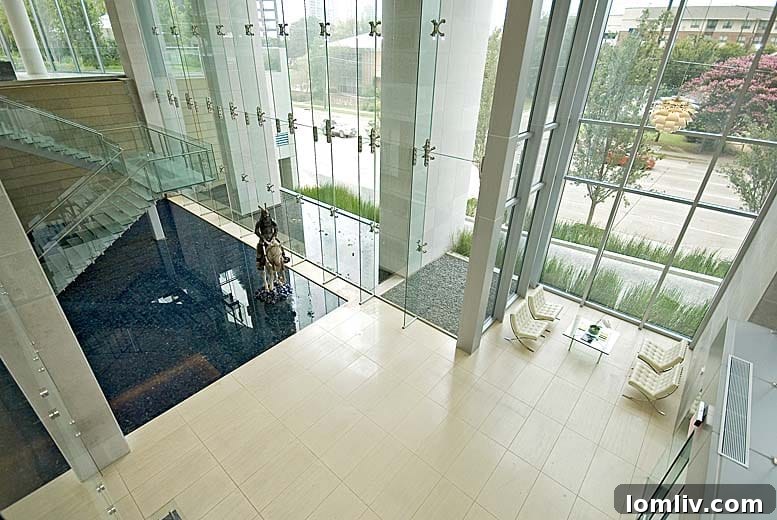
This sales timeline, extending from 2007 to 2013, encompassed a full six-year period. Critically, three of those years were profoundly affected by the severe global recession, a period that significantly eroded buyer confidence and constricted luxury real estate markets worldwide. The Azure’s eventual near sell-out, despite navigating such formidable economic headwinds, stands as a testament to the underlying resilience of the Dallas luxury market and the enduring appeal of exceptionally well-located, high-quality developments. This case study strongly suggests that a multi-year sales cycle is not merely acceptable but often an inherent characteristic for high-value condominium projects, particularly when adverse economic conditions or market corrections are at play.
The Ritz-Carlton Residences: A Masterclass in Strategic Luxury Sales
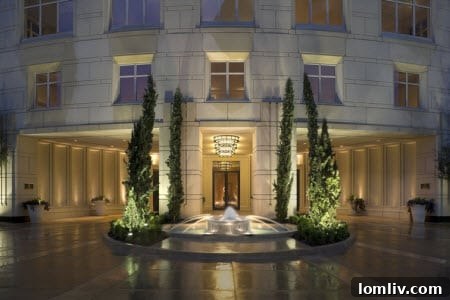
Another compelling narrative in Dallas’s luxury high-rise landscape is presented by The Tower Residences at the Ritz-Carlton, Dallas. Today, only a handful of units remain available, a remarkable feat achieved through a transformative sales strategy spearheaded by Kyle Crews and his Allie Beth Urban team. Their dynamic approach has often been metaphorically described as sweeping through the market “like a white tornado” – a vivid illustration of their comprehensive and highly effective sales prowess. They have successfully marketed and facilitated the sale of numerous high-profile, designer-finished units, demonstrating an exceptional ability to convert interest into closed deals across the entire inventory.
Notably, the Allie Beth Urban team was the second real estate marketing team brought in to revitalize sales for these prestigious units. Prior to the launch and rise of Museum Tower, the Ritz-Carlton Residences consistently set the benchmark for luxury living in Dallas, commanding the highest price per square foot in the city. Kyle Crews and his team assumed control of sales in 2010, a particularly challenging period given the lingering economic uncertainties post-recession and the complex task of addressing previous sales claims. When they took over, there was an prevailing perception that 80% of the units were already sold. However, upon a thorough reassessment, it was revealed that only approximately a dozen of the 95 units had actually closed, exposing a significant discrepancy between reported sales and genuine, completed transactions. This situation highlights the critical distinction between units merely “under contract” or “claimed sold” and those that have genuinely finalized and been recorded, underscoring the importance of due diligence in luxury market analysis.
The Future Landscape: New Entrants and Enduring Demand in Dallas Luxury Real Estate
As the Dallas luxury condominium market continues its trajectory of maturation and expansion, new and ambitious contenders are steadily emerging. On the immediate horizon is a highly anticipated Great Gulf project slated for Turtle Creek Boulevard, which promises to introduce residences that will potentially exceed even Museum Tower in their price point and exclusivity. This upcoming development inevitably sparks important questions about the market’s overall capacity, the enduring appetite of ultra-luxury buyers, and the projected timeline for the absorption of such high-value inventory. Will the Dallas market continue to sustain new high-end projects that push the boundaries of luxury and pricing even further? The answer will hinge on the sustained strength of Dallas’s robust economy, its continued appeal to high-net-worth individuals, and the specific, compelling value propositions that these new towers bring to the table in terms of design, amenities, and lifestyle offerings.
Beyond the Numbers: Understanding the Luxury Buyer and Broader Investment Trends
Any comprehensive discussion about luxury condominiums naturally extends to their role as an investment. While I am not a certified investment advisor and respectfully defer to qualified experts for financial counsel, it is pertinent to acknowledge the broader real estate investment trends shaping the Dallas landscape. Currently, we are observing a significant influx of hedge funds actively acquiring real estate, with a particular focus on single-family homes. This institutional interest, primarily driven by favorable market conditions, population growth, and robust appreciation prospects, stands in distinct contrast to the individualized, lifestyle-driven purchases that characterize the high-end condominium market.
Luxury condo buyers are typically motivated by the desire for a primary residence or a prestigious secondary home, valuing exclusive amenities, bespoke services, an unparalleled location, and the social prestige associated with a prominent address over purely speculative investment returns. Their purchase decisions are often deeply personal, rooted in lifestyle enhancements and long-term residency, rather than short-term market fluctuations or rental income potential.
Conclusion: Navigating the Nuances of Dallas’s High-End Condo Market
In summation, Museum Tower’s sales progress, while perhaps not characterized by a breakneck sprint, represents a steady, encouraging, and strategically managed stride forward within the intricate ecosystem of Dallas’s luxury condominium market. A comparative analysis of its performance against historical benchmarks established by developments like The Azure and The Ritz-Carlton Residences reveals that a multi-year sales cycle is not merely acceptable but often the norm for properties of this exceptional caliber and price point. Key factors such as well-executed strategic marketing partnerships, thoughtful and dynamic pricing strategies, a deliberate focus on attracting owner-occupants, and an unwavering commitment to maintaining price integrity are demonstrably paramount for achieving long-term success in this specialized sector.
As Dallas continues its impressive evolution into a vibrant, diverse, and increasingly urbanized center, its luxury high-rise market will undoubtedly continue to present both unique challenges and remarkable opportunities for those who possess a deep understanding of its intricate dynamics and the discerning tastes of its clientele.
And what, one might ask, has truly been instrumental in helping those Museum Tower units find their discerning buyers? Perhaps the invaluable networking and energetic buzz generated by Partyline Real Estate!