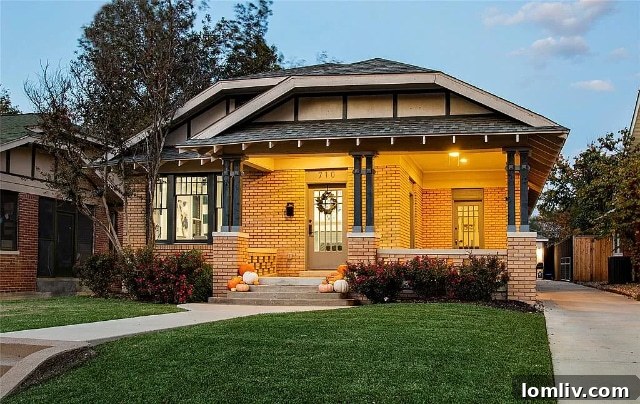
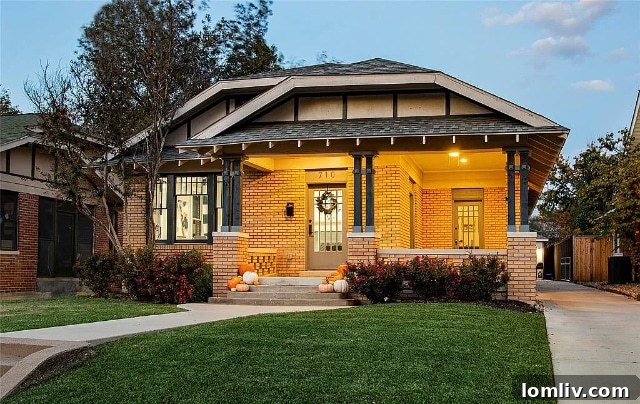
Discovering the Resplendent Restoration of a 1921 Craftsman Gem at 710 Dumas Street, Munger Place
In the vibrant heart of East Dallas, nestled within the esteemed Munger Place historic district, stands a testament to enduring craftsmanship and dedicated preservation: the magnificent 1921 Craftsman home at 710 Dumas Street. This exceptional property is more than just a house; it’s a living story, meticulously brought back to its original glory through a transformative restoration project that exemplifies the very best in historic home revitalization. We delve into the journey of this architectural marvel, celebrating its rich history, unparalleled restoration, and its continued legacy in one of Dallas’s most cherished neighborhoods.
The Enduring Allure of Craftsman Architecture in Munger Place
The Craftsman style, a distinctive architectural movement that gained prominence in the early 20th century, celebrates artistry, natural materials, and the beauty of handcrafted details. Characterized by low-pitched roofs, wide eaves with exposed rafters, decorative knee braces, double-hung windows, and inviting front porches, these homes were designed to integrate harmoniously with their natural surroundings. Inside, the focus was on functional elegance, often featuring built-in cabinetry, fireplaces, and open, flowing floor plans that created a sense of warmth and intimacy.
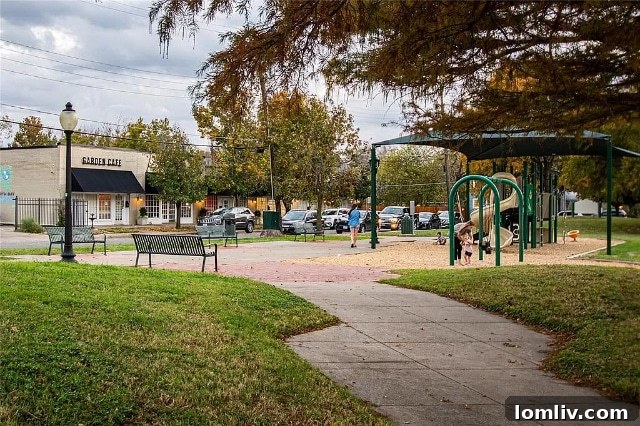
The 1921 Craftsman at 710 Dumas Street is a quintessential example of this beloved style. Its original builders poured care and precision into every beam and pane, creating a residence that stood the test of time. Munger Place, itself a historic residential gem, provides the perfect backdrop for such a property. Known for its tree-lined streets, a cohesive collection of historic homes, and a strong sense of community, Munger Place offers a rare blend of urban convenience and tranquil suburban charm. Just across the street lies the serene Munger Park, providing green space and a natural extension of the home’s welcoming environment. A short stroll further reveals the beloved Garden Cafe, a local institution that underscores the neighborhood’s walkable and relaxing appeal, making it one of the most desirable areas in East Dallas.
A Visionary Restoration: Tam Pham and Steel Toe Stiletto
The story of 710 Dumas Street’s recent transformation is a remarkable chapter in its long history, largely thanks to the unwavering vision and dedication of Tam Pham and her acclaimed firm, Steel Toe Stiletto. In 2019, as chronicled by Joshua Baethge, Pham embarked on an ambitious journey to restore this aging Munger Place home. Her approach was uncompromising: taking the home “to the studs” to ensure a comprehensive, structural, and aesthetic revival. This meant stripping back decades of superficial changes to reveal the original framework, allowing for a meticulous rebuild that honored its past while integrating modern amenities and infrastructure.
Pham’s commitment to excellence and historical authenticity quickly garnered widespread recognition. Her extraordinary work on the 710 Dumas Street project was celebrated with the prestigious Preservation Dallas Achievement Award in 2020. This accolade, her fourth from Preservation Dallas, is a testament to her firm’s unparalleled expertise in breathing new life into historic structures. Such an award is not merely a recognition of a renovation but an acknowledgment of a profound dedication to preserving architectural heritage, maintaining the integrity of original design, and contributing significantly to the cultural fabric of Dallas.
Unearthing History: The Legacy of 710 Dumas Street
To fully appreciate the scope of this restoration, it’s essential to understand the home’s deep roots within the community. David Preziosi, Executive Director of Preservation Dallas, shared invaluable insights from the awards application materials, painting a vivid picture of the home’s continuous narrative. Newlyweds Cleo and Jack NuDelman first purchased this enchanting bungalow in 1921, shortly after their marriage, choosing Dumas Street to be near her parents on the famed Swiss Avenue. They lived there through the mid-1930s, imbuing the home with the joys and growth of a young family.
The legacy continued when Widow Eula Mae Hester acquired the house around 1957. Her daughter, Virginia, then resided in the home until only a few years ago, representing decades of continuous care and familial memories within these walls. This multi-generational ownership underscores the home’s significance not just as a structure, but as a repository of personal histories, a place where life unfolded for nearly a century. When Pham purchased the home, she wasn’t just acquiring property; she was inheriting a story, one she was determined to honor and extend.
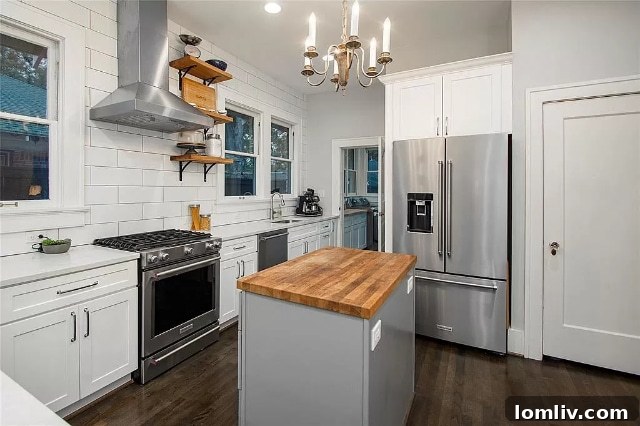
Meticulous Craftsmanship: Preserving Original Features
Pham’s restoration was characterized by an extraordinary attention to detail, a commitment to salvaging and rejuvenating as many original elements as possible. This was not a superficial refresh but a deep, structural, and aesthetic rebirth. One prime example of this dedication was the painstaking work on the windows. Recognizing the irreplaceable character of historic wavy glass, Pham brought in a specialized colleague from North Carolina to ensure that the original panes and sashes were not only repaired but meticulously reused. This process preserved the authentic visual texture that modern glass simply cannot replicate, allowing natural light to filter in with a gentle, historic ripple.
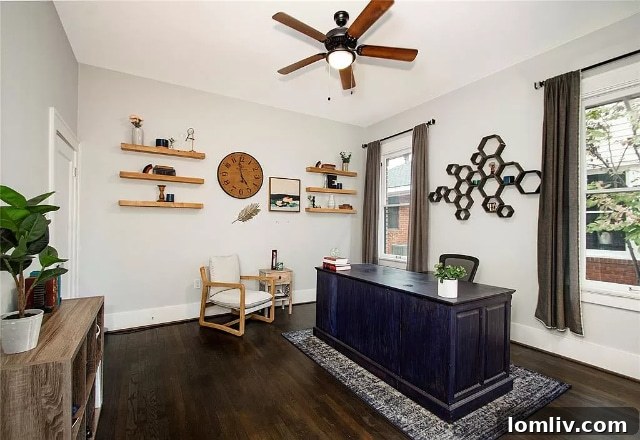
The original doors also received exemplary treatment. As Preservation Dallas detailed:
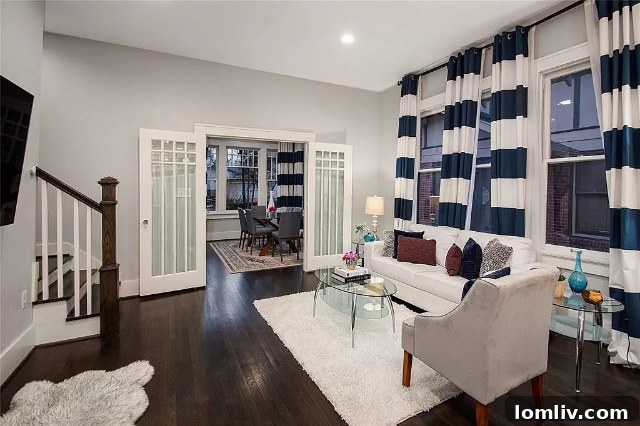
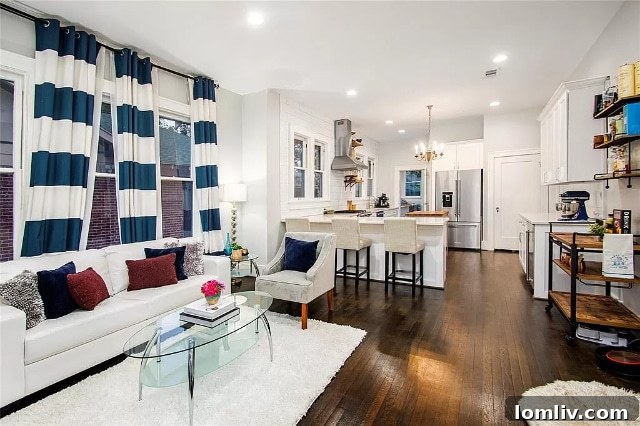
All of the interior and exterior bevel glass doors were cleaned and repaired to operate properly following foundation repairs. A set of matching beveled glass French doors that led to the spacious wrap-around porch was uncovered and repaired, allowing natural light to flood the parlor. Threadbare carpet glued directly to the floor throughout the house was carefully scraped away, revealing the original hardwood floors. The floor was repaired, sanded, and refinished.
Preservation Dallas
This extract highlights the immense effort involved. The restoration of the bevel glass doors, with their intricate patterns and sparkling clarity, now bathes the interior in a soft, welcoming glow. The re-discovery and repair of the French doors leading to the expansive wrap-around porch not only restore an architectural feature but also enhance the home’s connection to its outdoor spaces, inviting the quintessential Craftsman experience of indoor-outdoor living. Furthermore, the arduous task of removing glued-down carpet to reveal and lovingly restore the original hardwood floors speaks volumes about the commitment to authenticity. These floors, now refinished to a lustrous sheen, serve as a foundational element of the home’s historic charm, grounding its elegance in genuine material and craftsmanship.
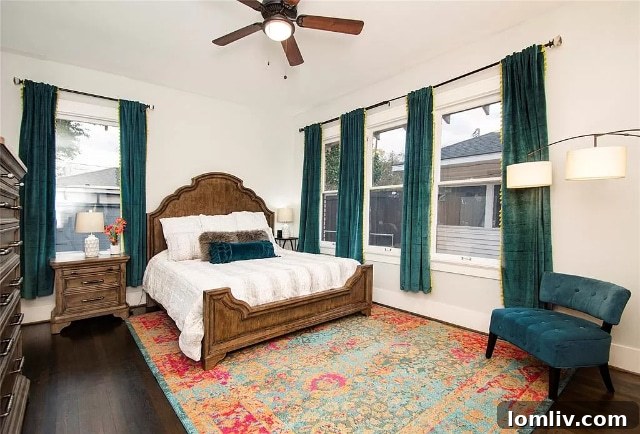
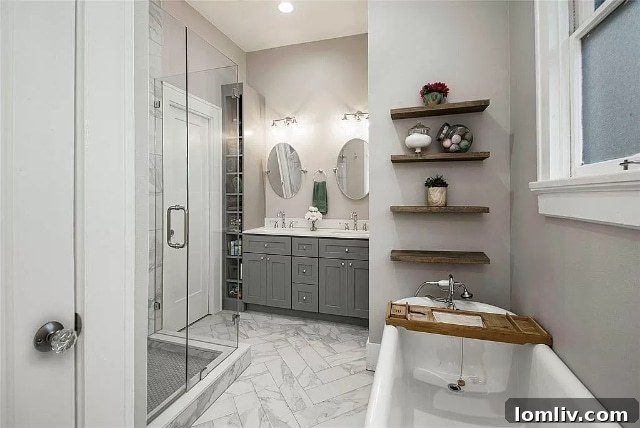
A Highly Sought-After Property: The Modern Chapter
The success of this restoration has been undeniably reflected in the real estate market. When Allie Beth Allman listing agent Jan Rook announced that 710 Dumas Street was recently available for sale, it was clear that such a meticulously restored and award-winning property would not last long. Indeed, the expectation was that it would sell almost immediately – a prediction that proved true. This 2,845-square-foot, four-bedroom, four-bathroom classic Craftsman, having been brought back to a state of flawless perfection, quickly went under contract, reaffirming the high demand for homes that blend historical integrity with modern comfort and style.
For those who missed the opportunity to acquire this particular beauty, the swift sale serves as a powerful reminder of the competitive nature of the East Dallas real estate market, especially for unique, historically significant properties. Connecting with experienced agents like Jan Rook, who specialize in and understand the nuances of these exceptional homes, is crucial for prospective buyers looking to invest in a piece of Dallas history. Her expertise can be invaluable in navigating this vibrant segment of the market.
The Enduring Value of Historic Preservation: A Legacy Beyond Bricks and Mortar
The restoration of 710 Dumas Street stands as a powerful rebuttal to the notion that historic homes should ever be considered for demolition. This classic Craftsman is not merely an old house; it represents a tangible link to Dallas’s past, a physical embodiment of the architectural styles and craftsmanship that defined an era. Each owner, from the NuDelman newlyweds to Eula Mae Hester and her daughter, and now the new custodians, has contributed to its soul, leaving their indelible mark of care and love. Preserving such a home means preserving these stories, the unique character of a neighborhood, and the invaluable heritage for future generations.
Beyond its aesthetic and historical appeal, the comprehensive restoration of 710 Dumas Street also highlights the sustainable aspects of preservation. By reusing existing structures and materials, the project minimized waste and reduced the environmental impact often associated with new construction. It showcases how dedicated restoration efforts can blend the best of the past with the necessities of the present, creating homes that are both historically rich and perfectly suited for modern living.