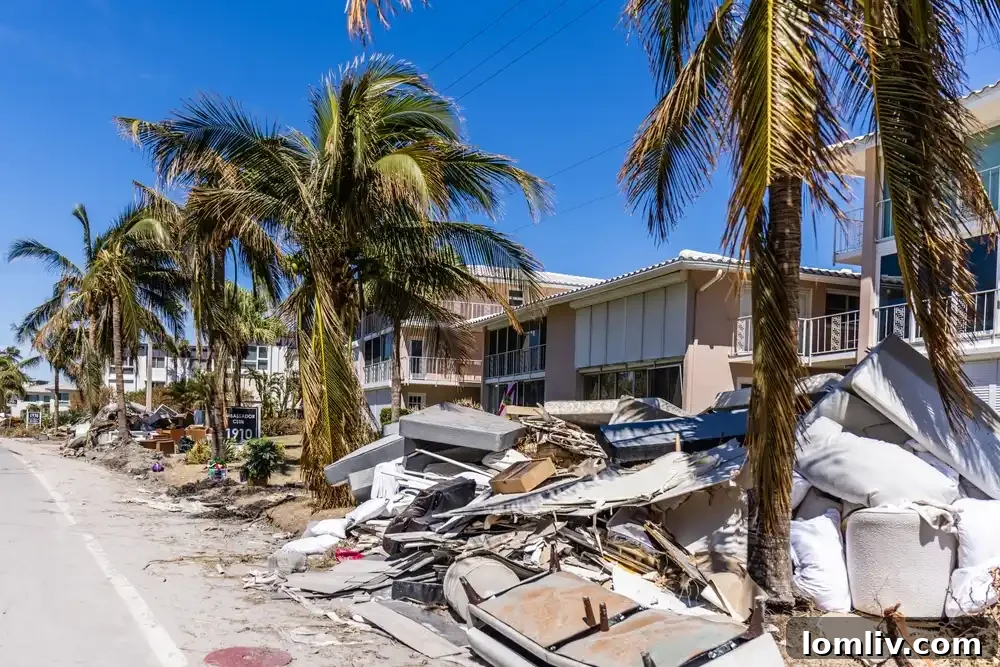
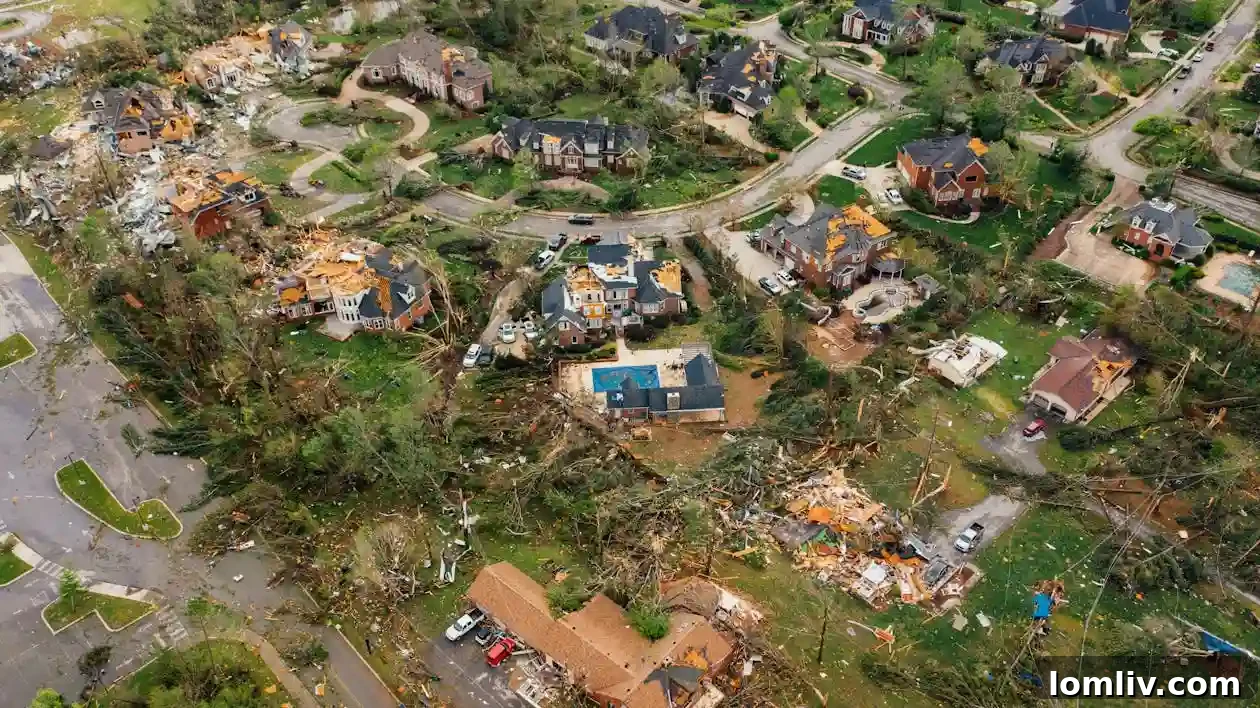
Experiencing property damage can be one of life’s most disruptive and emotionally taxing events. Whether your home suffers extensive harm during a devastating natural disaster, or your vehicle is involved in a serious collision that impacts multiple properties, the aftermath often involves complex legal and insurance challenges. From disputes over the actual cause or extent of damage to disagreements on the fair compensation deserved, navigating these turbulent waters alone can be overwhelming. This is precisely when the specialized expertise of a property damage lawyer becomes invaluable. These legal professionals focus specifically on advocating for individuals and businesses affected by property loss, offering expert guidance and representation to ensure your rights are protected and you receive the full compensation you are entitled to.
A property damage claim can arise from a myriad of incidents, each presenting its own unique set of circumstances and legal hurdles. It could be the destruction of a beloved family home due to a hurricane, the irreparable damage to a business storefront caused by vandalism, or even structural issues stemming from negligent construction work. In all these scenarios, the common thread is the need for meticulous documentation, understanding complex insurance policies, and potentially confronting resistant parties who wish to minimize their liability. A dedicated property damage attorney serves as your trusted ally, simplifying the intricate legal landscape and fighting tirelessly on your behalf.
Understanding Property Damage Law: Your Rights and Recourse
The Core Principles of Property Damage Law
Property damage law is a specialized branch of civil law designed to help victims recover compensation for harm inflicted upon their real or personal property. Its fundamental principles guide how claims are evaluated, responsibilities are assigned, and restitution is sought. Understanding these basics is crucial for anyone facing property loss.
- Liability Determination: At the heart of any property damage claim is identifying who is legally responsible for the harm. This involves investigating the incident, gathering evidence, and applying legal standards to determine fault. Was the damage caused by a negligent act, an intentional action, or does strict liability apply? Accurately establishing liability is the cornerstone of a successful claim.
- Types of Damage: Property damage encompasses various forms, broadly categorized into tangible and intangible losses.
- Tangible Damage: Refers to the physical destruction or impairment of property, such as structural damage to a building, broken windows, water damage, or damaged vehicles. It often involves repair or replacement costs.
- Intangible Damage: Can include less obvious but equally significant losses, such as a decrease in property value even after repairs, loss of use, business interruption losses, or emotional distress in some jurisdictions. A skilled attorney can help quantify these complex losses.
- Statutes of Limitations: Every legal claim, including property damage claims, is subject to strict legal deadlines known as statutes of limitations. These laws dictate the specific timeframe within which a lawsuit must be filed after the damage occurs. Missing this deadline almost invariably results in the permanent loss of your right to pursue compensation, making prompt legal action essential.
This intricate area of law primarily covers several key legal theories under which property damage claims are pursued:
- Negligence: This is the most common basis for property damage claims. It arises when an individual or entity fails to exercise reasonable care, and this failure directly causes damage to another’s property. Examples include a driver negligently causing an accident, a contractor performing substandard work, or a property owner failing to maintain safe premises.
- Intentional Damage: This involves situations where an individual deliberately acts to cause harm to another’s property. Acts of vandalism, arson, or deliberate destruction fall under this category. Proving intent can sometimes be challenging, but it can lead to higher damages, including punitive damages.
- Strict Liability: In certain circumstances, liability for property damage can be imposed without the need to prove negligence or intent to harm. This often applies to inherently dangerous activities, such as the keeping of dangerous animals, or the use of hazardous materials, where the risk of damage is so high that the responsible party is held liable regardless of their precautions.
The Indispensable Role of a Property Damage Lawyer
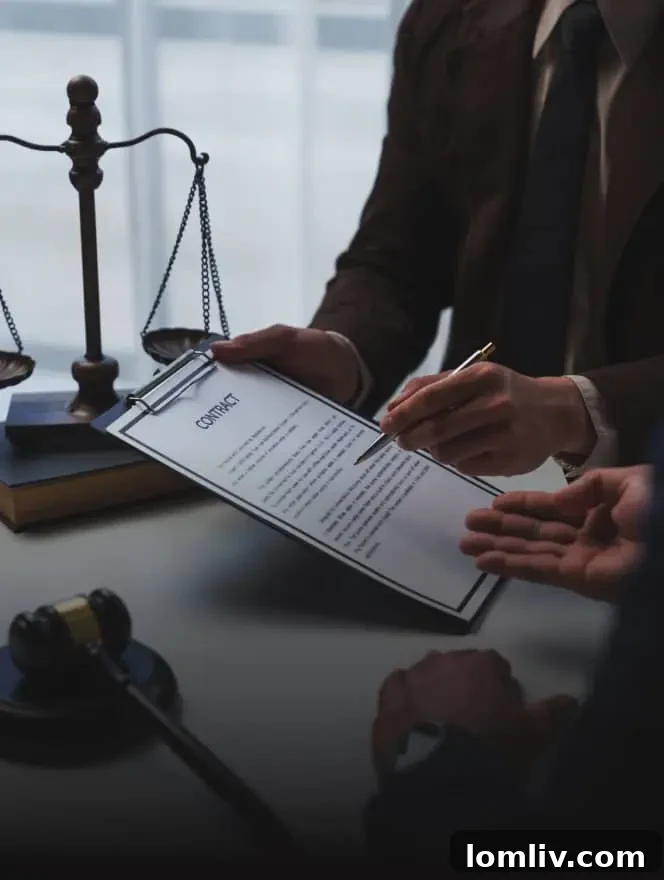
A property damage attorney is a specialized legal professional who exclusively handles disputes and litigation arising from property destruction or loss. Their expertise is critical in leveling the playing field against large insurance companies or well-resourced opposing parties.
- Thorough Evaluation: Attorneys assess the full extent of the damage, scrutinizing insurance policies, accident reports, and expert assessments to determine the true value of your claim. They identify all potential avenues for recovery and anticipate possible legal challenges.
- Strategic Representation: Whether in court, arbitration, or mediation, a lawyer acts as your fierce advocate. They present your case, argue legal points, cross-examine witnesses, and challenge opposing arguments, ensuring your voice is heard and your interests are prioritized.
- Skilled Negotiation: Many property damage cases are resolved through negotiation. An attorney possesses the experience and strategy to engage with insurance adjusters and opposing counsel, pushing for a fair settlement that accurately reflects your losses, rather than accepting a lowball offer.
- Profound Legal Knowledge: Property damage lawyers are intimately familiar with local, state, and federal statutes, relevant case law, and specific ordinances that impact property damage claims. This deep understanding allows them to build a robust case tailored to your unique circumstances.
These dedicated attorneys empower clients by:
- Maximizing Compensation: They meticulously calculate all recoverable damages, including repair costs, replacement value, diminished property value, loss of use, and potentially even temporary living expenses. Their goal is to secure the highest possible compensation to make you whole again.
- Navigating Legal Complexities: The legal system is fraught with intricate procedures, deadlines, and jargon. A lawyer simplifies this process, guiding you through each stage, explaining your options, and handling all necessary paperwork and communications.
- Protecting Your Rights: Throughout the entire claims process, from initial filing to potential litigation, your attorney ensures that your legal rights are safeguarded against unfair practices, bad faith tactics by insurance companies, or attempts to shift blame.
When to Enlist the Expertise of a Property Damage Lawyer
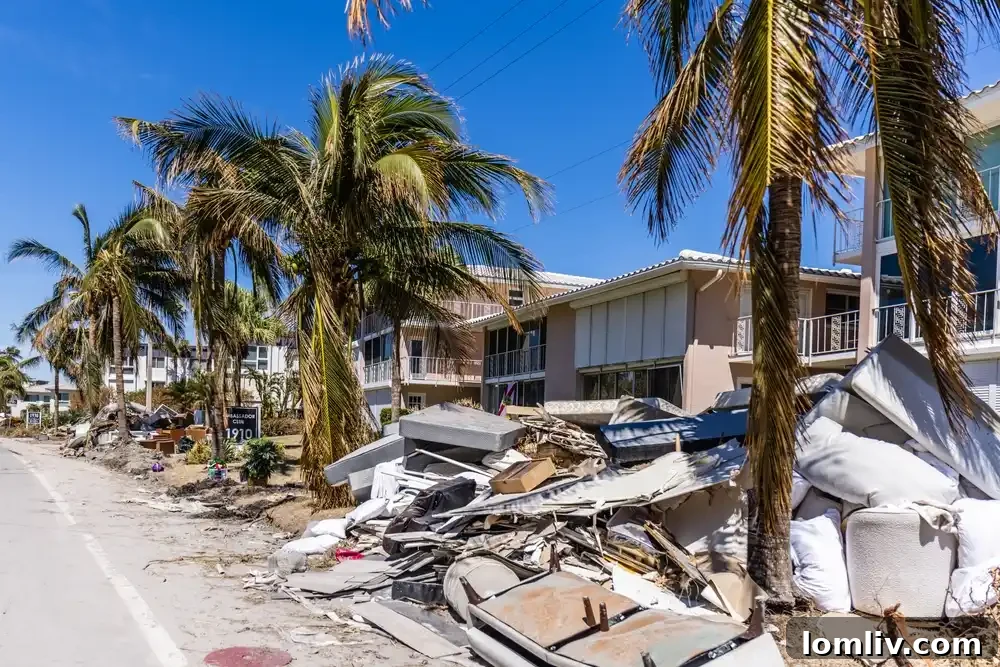
While some minor property damage incidents might be resolvable without legal intervention, many situations warrant the immediate attention of a Fort Myers property damage lawyer. Knowing when to seek professional help can significantly impact the outcome of your claim.
After a Natural Disaster: Rebuilding with Legal Support
Natural disasters such as hurricanes, floods, tornadoes, or wildfires can unleash catastrophic damage, leaving homeowners and businesses grappling with immense losses. The aftermath is often characterized by overwhelming stress and complex disputes with insurance providers who may try to minimize payouts or deny claims altogether. A property damage attorney is indispensable in these situations.
- Insurance Claim Disputes: Insurance companies frequently employ tactics to reduce their liability, such as misinterpreting policy language, attributing damage to pre-existing conditions, or offering settlements far below the actual cost of repairs or replacement. An attorney will meticulously review your policy, challenge unjust denials, and vigorously negotiate on your behalf to ensure you receive the full benefits you are entitled to. They can navigate complex clauses like “act of God” provisions or specific exclusions.
- Government Aid and Compensation: Beyond insurance claims, victims of natural disasters may be eligible for various governmental assistance programs (e.g., FEMA). A property damage lawyer can guide you through the application processes, ensure all necessary documentation is submitted, and help maximize your access to all available aid for recovery.
- Complex Damage Assessment: Natural disasters often cause hidden or cumulative damage that requires expert assessment. Lawyers work with structural engineers, contractors, and other specialists to fully document all losses, strengthening your claim.
In Cases of Vandalism or Theft: Seeking Justice and Restitution
Acts of vandalism or theft can result in both direct tangible losses and significant emotional distress. Beyond the immediate shock, quantifying the total losses and pursuing recovery can be challenging, especially if the culprits are unknown or uncooperative. A property damage attorney can be crucial in these scenarios.
- Comprehensive Assessment of Damages: Lawyers possess the expertise to assess the full scope of property damage from vandalism or theft. This includes not only the repair and replacement costs of damaged or stolen items but also the depreciation in value of the property, clean-up costs, and security upgrades necessitated by the incident. They can help establish proof of ownership and value for stolen or unique items.
- Litigation and Recovery from Culprits: If the responsible parties are identified, an attorney can pursue civil litigation to recover damages directly from them. This may involve filing a lawsuit, negotiating settlements, or enforcing judgments. Even if culprits are not identified, an attorney can help ensure your insurance claim is handled fairly and completely.
For Construction or Contractor Issues: Protecting Your Investment
Conflicts arising from construction defects or contractor negligence can lead to significant and long-lasting damage to property value and usability. Whether it’s a newly constructed home with faulty foundations or renovation work that resulted in water leaks, these issues require swift and decisive legal action. A property damage lawyer ensures that property owners’ rights are protected and damages are properly redressed.
- Contract Disputes: Attorneys meticulously analyze construction contracts, blueprints, and project specifications to identify breaches of contract, shoddy workmanship, or failures to meet industry standards. They build a compelling case based on contractual obligations and industry norms.
- Construction Defects: When defects like structural instabilities, water intrusion, faulty electrical systems, or unsafe materials cause property damage, a lawyer provides crucial legal advice. They help establish liability against builders, subcontractors, or even material suppliers, ensuring the correct parties are held accountable for repairs and compensation for diminished property value.
- Mediation and Arbitration: Many construction contracts include clauses requiring mediation or arbitration for disputes. An attorney can represent your interests effectively in these alternative dispute resolution processes, aiming for a favorable outcome without the need for a lengthy court battle.
Other Common Scenarios for Legal Intervention
- Vehicle Accidents Causing Property Damage: If a car accident damages your fence, garage, or even your house, a property damage lawyer can help you recover costs from the at-fault driver’s insurance, ensuring all elements of your loss are covered.
- Neighbor Disputes: Damage caused by a neighbor’s negligence (e.g., uncontrolled tree roots, water runoff) or intentional actions can often escalate into complex legal battles, which an attorney can skillfully manage.
- Utility Company Damage: Sometimes, utility work or infrastructure failures can lead to property damage. A lawyer can help hold utility companies accountable for their actions or inactions.
Selecting the Right Property Damage Lawyer: A Critical Decision
Choosing the right legal representation is paramount to the success of your property damage claim. Your attorney will be your advocate, guide, and negotiator throughout a potentially lengthy and challenging process. Take the time to make an informed decision.
Essential Qualifications to Look For
When searching for a property damage advocate, particularly in a specific locality like Fort Myers, certain qualifications are non-negotiable. These indicators reflect their competence, ethical standing, and capacity to handle your case effectively.
- Juris Doctor (JD) from an Accredited Law School: This foundational degree signifies a comprehensive legal education. Verify that their institution is recognized and reputable.
- Membership in the State Bar Association: For a property damage attorney in Fort Myers, membership in the Florida State Bar Association is crucial. It confirms they are licensed, in good standing, and legally authorized to practice law in the state, adhering to its ethical standards.
- Specialization in Property Damage Law: While any lawyer can take a property damage case, one who specializes in this field possesses in-depth knowledge of its nuances, specific statutes, and common defense tactics. Look for attorneys with certifications, publications, or significant experience demonstrably focused on property damage claims.
- Proven Track Record of Success: The candidate should have a history of favorable case outcomes in situations similar to yours. Success isn’t always about winning at trial; it also includes achieving significant settlements through negotiation. Ask for examples or case summaries (while respecting client confidentiality).
- Local Experience: An attorney with experience in Fort Myers or the surrounding Florida counties will be familiar with local court procedures, judges, and even common insurance adjusters, which can be a distinct advantage.
Key Questions to Ask Potential Lawyers
Before committing to any attorney, a thorough initial consultation is essential. Prepare a list of questions to gauge their experience, approach, and client service philosophy.
- “How many property damage cases have you handled in Fort Myers and how recently?” This question assesses their direct experience in your geographical area and specific legal field.
- “What is your winning percentage or success rate in similar cases?” While not a guarantee, a high success rate can indicate competence and effective strategies. Ask them to define “winning” – is it trial verdict, favorable settlement, etc.?
- “Can you provide references from previous property damage clients?” Reputable attorneys should be able to offer testimonials or connect you with past clients (with their consent) who can speak to their experience.
- “How do you communicate with clients during the case, and how often can I expect updates?” Clear and consistent communication is vital. Understand their communication protocols (phone calls, emails, portal) and their commitment to keeping you informed.
- “What is your fee structure for property damage cases?” Most property damage lawyers work on a contingency fee basis (they only get paid if you win). Understand all potential costs, including litigation expenses, and how they are handled.
- “What is your estimated timeline for a case like mine?” While exact timelines are impossible, a lawyer should provide a realistic range for the various stages of the claim process.
The answers to these questions will offer crucial insights into the lawyer’s competency, their client-service standards, and whether their approach aligns with your expectations.
Researching and Comparing Lawyers Effectively
Beyond initial impressions, diligent research and comparison are crucial steps in finding the best legal fit for your property damage claim.
Client Testimonials and Online Reviews: Explore platforms like Google Reviews, Avvo, Lawyers.com, and Yelp. Past client experiences can provide invaluable insights into a lawyer’s professionalism, responsiveness, empathy, and effectiveness. Look for consistent themes in positive and negative feedback.
Detailed Case Results: Review the attorney’s firm website or ask during consultations for specific examples of their past case results in property damage law. This demonstrates their practical experience and ability to secure favorable outcomes, whether through settlement or trial verdict.
Firm Resources and Support: Evaluate the resources available to the lawyer and their firm. This includes support staff (paralegals, investigators), technological infrastructure (case management software, e-discovery tools), and their network of expert witnesses (engineers, appraisers, medical professionals). A well-resourced firm can significantly bolster your case’s strength and efficiency.
Professional Affiliations: Membership in organizations like the American Association for Justice, the Florida Justice Association, or local bar associations indicates a commitment to professional development and staying current with legal trends.
Working Effectively with Your Property Damage Lawyer
Once you’ve selected your legal representative, a collaborative relationship is key to a successful outcome. Your active participation and understanding of the process will greatly assist your attorney.
Preparing Your Case: Your Role in the Process
The strength of your property damage case heavily relies on the evidence you provide. Begin collecting all relevant documents and proofs related to the damage as soon as possible. The more comprehensive your records, the better your lawyer can build a compelling case.
- Visual Evidence: Take numerous pictures and videos of the damage from various angles and distances, before and after any temporary repairs. Document not only the damage itself but also the surrounding area and any apparent causes. Timestamped media is highly valuable.
- Official Reports: Gather police reports (for accidents, theft, or vandalism), fire department reports, and any other official incident reports. These provide unbiased accounts of the event.
- Insurance Correspondence: Keep meticulous records of all communications with your insurance company, including dates, names of adjusters, summaries of conversations, and copies of all letters, emails, or claim forms.
- Repair and Replacement Receipts: Document all expenses incurred due to the damage, including receipts for emergency repairs, temporary housing, new purchases to replace damaged items, and professional cleaning services.
- Witness Information: If there were witnesses to the incident, gather their contact information and brief statements.
- Property Valuations: Provide any appraisals, purchase agreements, or previous inspections of your property that establish its value prior to the damage.
- Detailed Timeline of Events: Create a chronological narrative of everything that occurred, from the moment the damage happened to your attempts to address it. This helps your lawyer understand the full scope and sequence of events.
Being honest and transparent with your lawyer about all aspects of the incident, even minor details, is crucial. Withholding information can harm your case.
Understanding the Legal Processes Involved
Your Fort Myers property damage attorney will guide you through each stage of the legal process, but having a basic understanding of these steps will empower you and alleviate some anxiety.
- Initial Consultation & Investigation: After your initial meeting, your lawyer will conduct a thorough investigation, gathering additional evidence, interviewing witnesses, and consulting with experts if necessary.
- Filing the Claim: This involves formally notifying the responsible parties (e.g., insurance company, negligent party) of your intent to seek compensation. Your lawyer will prepare and submit all required documentation.
- Discovery Phase: This is a crucial stage where both sides exchange information. It can involve interrogatories (written questions), depositions (sworn oral testimony), and requests for documents. Your cooperation in providing requested information is vital.
- Negotiation and Settlement: Most property damage cases are resolved out of court through negotiation. Your attorney will engage with the opposing side (often insurance adjusters or their lawyers) to reach a fair settlement that covers your losses. This might involve mediation, where a neutral third party facilitates discussions.
- Litigation (Going to Trial): If a fair settlement cannot be reached, your case may proceed to trial. This involves presenting your case before a judge or jury, who will then make a final decision on liability and damages. While trials are less common, your lawyer must be prepared for this eventuality.
Throughout these processes, your lawyer will explain each step, advise you on potential strategies, and make recommendations. Trusting their expertise and maintaining open communication will be key to navigating your property damage claim successfully.