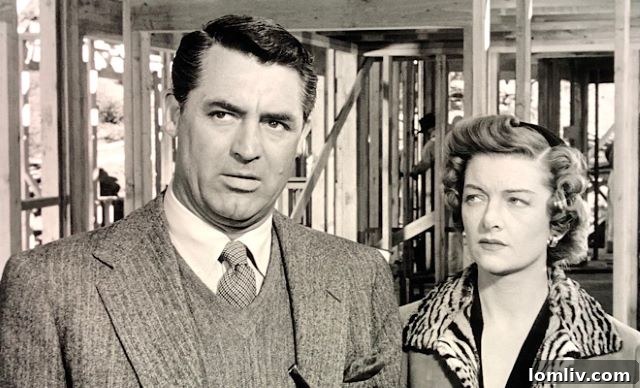
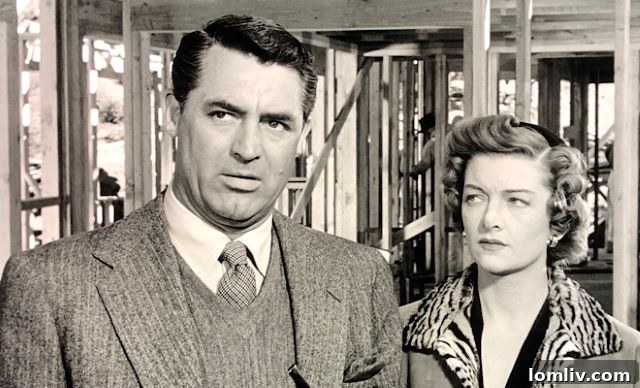
In an age where streaming services abound and content refresh rates are quicker than ever, it’s easy for classic cinema to get lost in the shuffle. Yet, some films possess a timeless charm and uncanny relevance that transcends generations, offering lessons and laughter that resonate as strongly today as they did upon their release. One such cinematic gem is the 1948 masterpiece, Mr. Blandings Builds His Dream House, starring the inimitable Cary Grant, Myrna Loy, and Melvyn Douglas. This film is more than just an old movie; it’s a quintessential guide, albeit a humorous one, to the exhilarating and often exasperating journey of building a dream home.
For many, the idea of owning and custom-designing a home is the ultimate aspiration. It symbolizes stability, success, and the freedom to create a personal sanctuary. However, as Mr. Blandings Builds His Dream House brilliantly illustrates, the path from vision to reality is frequently paved with unexpected challenges, escalating costs, and a healthy dose of marital stress. The film’s enduring popularity among modern audiences, from first-time homebuyers to seasoned real estate investors, lies in its candid and often comical portrayal of these universal struggles. It’s a narrative that captures the eternal yearning of urban dwellers to escape the confines of city life for the spacious tranquility of the suburbs or countryside.
In the narrative, the Blandings family, composed of Jim (Cary Grant), Muriel (Myrna Loy), and their two daughters, finds their Manhattan apartment increasingly claustrophobic. The lack of privacy, shared bathrooms, and precarious storage solutions push them to the brink. It’s a scenario that countless city residents still face, dreaming of more elbow room and a patch of their own land. For the Blandings, this dream takes shape in the picturesque landscapes of Connecticut, a popular destination for those seeking a suburban refuge from New York’s hustle and bustle.
The film’s plot, a familiar one to many, has inspired numerous attempts at cinematic reincarnation. While some remakes have tried to capture its essence, they invariably fall short. Tom Hanks and Shelley Long’s 1986 film The Money Pit offered a decent comedic take on home renovation disasters, but it leaned heavily into slapstick. Even further off the mark was Ice Cube’s 2007 sequel, Are We Done Yet?, which struggled to replicate the nuanced humor and relatable predicaments of the original. These modern iterations, often relying on exaggerated pratfalls and chaotic scenarios, fail to capture the sophisticated, subtle, and often droll humor that defines the dynamic between Cary Grant, Myrna Loy, and Melvyn Douglas.
The chemistry between Loy, who perfectly embodies Muriel, Grant’s witty and pragmatic wife, and Douglas, a two-time Oscar winner who plays Bill Cole, Grant’s long-time friend and lawyer, is simply irreplaceable. Their interactions elevate the narrative beyond mere domestic comedy, infusing it with layers of friendship, mild suspicion, and enduring affection that anchor the film’s enduring appeal. This classic trio delivers a masterclass in comedic timing and character portrayal that contemporary remakes have struggled to emulate.
A Dream House Becomes a Hilarious Nightmare: The Blandings’ Journey
The story opens with Jim Blandings, a high-earning advertising account executive making $15,000 a year in 1948 – a substantial sum at the time. Despite his professional success, his home life is far from ideal in their cramped New York apartment. The family craves space, privacy, and a more comfortable existence. Faced with a daunting $7,000 bill for an apartment remodel that wouldn’t even solve their fundamental space issues, Jim impulsively falls for the idea of a fixer-upper in Connecticut.
The chosen property is a seemingly charming 200-year-old farmhouse situated on a generous 35 acres (give or take). The allure is further enhanced by local lore claiming General Gates himself watered his horses there during the Revolutionary War – a testament to its historical gravitas. Ignoring the practical advice and warnings from his lawyer, Bill Cole, Jim, driven by emotion and the romantic vision of rural life, purchases the property for several times its actual worth. This decision immediately sets the stage for the cascade of financial woes and construction nightmares that will define their journey, a familiar trope for anyone who has ever plunged into the unpredictable world of real estate development.
From Blueprint to Breakdown: The Unforeseen Challenges of Home Building
Jim’s impetuous purchase quickly devolves into a series of comedic yet stressful predicaments. The “fixer-upper” proves to be structurally unsound, necessitating its complete demolition. This decision, while logical, triggers an avalanche of unforeseen expenses. Not only do they have to pay for the demolition, but the mortgage holder for the original, now nonexistent house, sues them for the balance of the loan. This scene perfectly encapsulates the unexpected costs and legal quagmires that can ambush even the most optimistic homeowner.
The construction of their custom home, designed by an architect for a hefty $18,000 fee, becomes a saga of escalating costs and frustrating delays. Builders uncover a natural spring beneath the proposed foundation, leading to further unplanned expenses for drainage and structural reinforcement. The film cleverly highlights the common pitfalls of construction: hidden geological issues, unreliable contractors, and the ever-present temptation to upgrade, resulting in budget overruns. Moreover, the realities of commuting from Connecticut to Manhattan take a toll, mirroring the frustrations of modern-day commuters grappling with schedules and delays, whether by train, bus, or car.
Amidst the financial chaos and construction woes, Jim’s personal life also takes a hit. A misunderstanding leads him to suspect his wife, Muriel, of having an affair with their lawyer, Bill Cole. This subplot, handled with wit and grace, eventually strengthens the bonds of friendship and marriage, showcasing the resilience of relationships under pressure. Simultaneously, Jim’s advertising career faces its own challenges as he struggles to devise a catchy slogan for a rather uninspiring ham product called “WHAM.” His professional anxieties intertwine with his domestic ones, illustrating how deeply intertwined our personal and professional lives can become during times of stress.
Despite the mounting debts, the endless complications, and the comedic near-breakdowns, the Blandings persevere. In the end, their dream house is completed, and Jim even manages to deliver a brilliant advertising slogan for WHAM, inspired by his home-building saga: “WHAM: What a Ham! What a Cured Ham! WHAM!” It’s a testament to finding inspiration in adversity. Along the way, audiences, much like Jim, gain a crash course in home-building terminology, learning about architectural elements like “lintels” and structural supports like “lally columns,” adding an educational layer to the entertainment.
Ultimately, Mr. Blandings Builds His Dream House is more than just a comedy about real estate. It’s a delightful exploration of ambition, resilience, and the enduring human desire to create a perfect home. It reminds us that while the journey may be fraught with peril, the outcome—a place to call your own, filled with memories and character—is truly priceless. The Blandings’ house, with all its trials and tribulations, becomes everyone’s dream house, symbolizing the universal pursuit of domestic bliss and the satisfaction of overcoming obstacles to achieve it. Its ability to find humor in very real-world challenges makes it a cinematic comfort food for anyone navigating the complexities of modern homeownership or building projects.
For those seeking a refreshing escape from contemporary programming and a dose of timeless humor, Mr. Blandings Builds His Dream House is an absolute must-watch. Catch this classic film on TCM this month or conveniently rent it on platforms like YouTube. It’s a perfect film for anyone who has ever dreamed of building their own home, or perhaps, those who are just grateful they haven’t had to!