Dallas’s Mount Auburn: Witnessing the Wave of Gentrification and Urban Transformation
Gentrification is sweeping through Dallas, reshaping its urban landscape at an unprecedented pace. Once-affordable, working-class neighborhoods are rapidly disappearing, giving way to new developments and a changing demographic. For many, this transformation is an abstract concept, but for me, living on Valencia Street in Hollywood Heights since 1990, the impact has been profoundly personal. My backyard fence borders the Mount Auburn neighborhood, a community now undergoing a dramatic metamorphosis right before my eyes.
The pace of change in Mount Auburn has escalated significantly in recent years. Just two years ago, at a Daltxrealestate.com event, a local Realtor casually remarked on the burgeoning appeal of Mount Auburn, highlighting its emergence as a “hot” real estate market. Even then, the modest 1,200-square-foot frame homes, once the hallmark of the area, were fetching upwards of $200,000 – a price point that seemed astonishing for their size and style. However, these figures were merely a prelude to the current explosion of interest.
Our Hollywood Heights community, initially somewhat detached from the internal dynamics of Mount Auburn, truly began to engage when the Nextdoor community app became a prevalent platform. This digital forum connected neighbors in a way that even Facebook couldn’t achieve, fostering intimate discussions and a shared awareness of local happenings. It wasn’t long before Mount Auburn’s transformation became a central topic.
A few weeks ago, a neighbor posted a query on Nextdoor, asking about the changes unfolding in Mount Auburn. The conversation quickly ignited, with residents passionately voicing their observations and concerns. Driven by curiosity and a sense of proximity, I decided to take a stroll through Mount Auburn to witness firsthand the cause of such fervent discussion. What I discovered was nothing short of breathtaking.
The Evolving Landscape of Mount Auburn, East Dallas
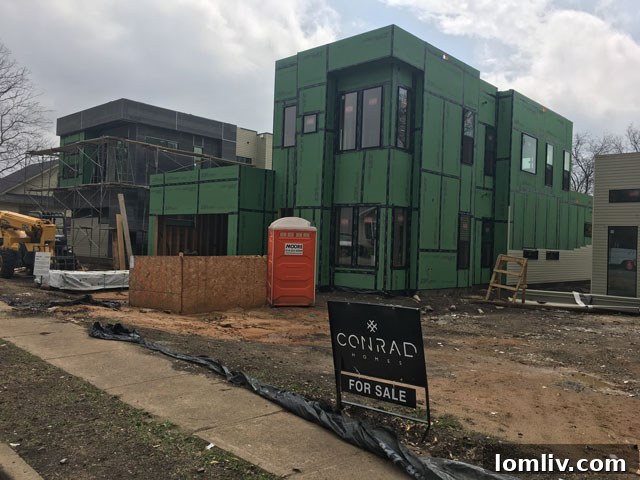
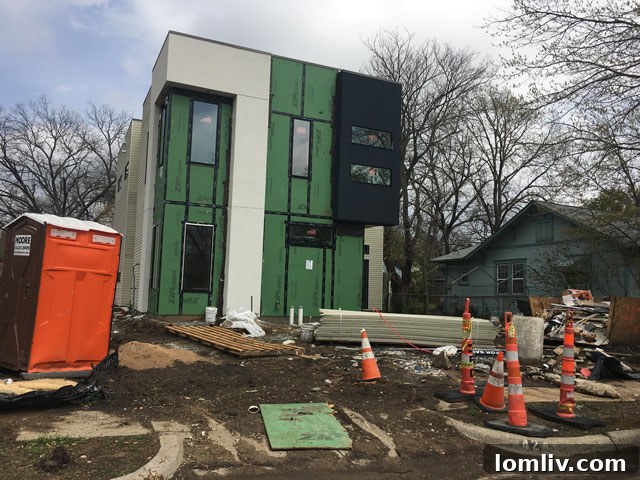
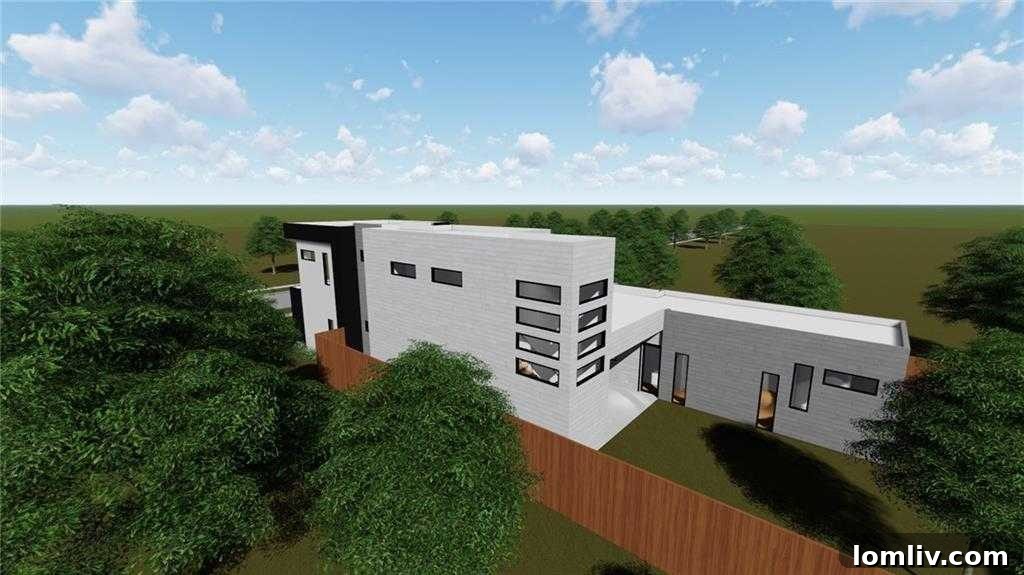
The visual evidence of Mount Auburn’s transformation was immediate and striking. A substantial number of those quaint, small frame homes that once defined the neighborhood were gone. In their place stood large, imposing, two-story modern houses, many still in various stages of construction. The collective sentiment on Nextdoor echoed my personal observations: the Mount Auburn we all knew and recognized was vanishing with startling speed. While some neighbors welcomed the inevitable progress and potential increase in property values, others expressed profound sadness and apprehension about the loss of the neighborhood’s historic charm and community fabric.
A Glimpse into Mount Auburn’s Storied Past
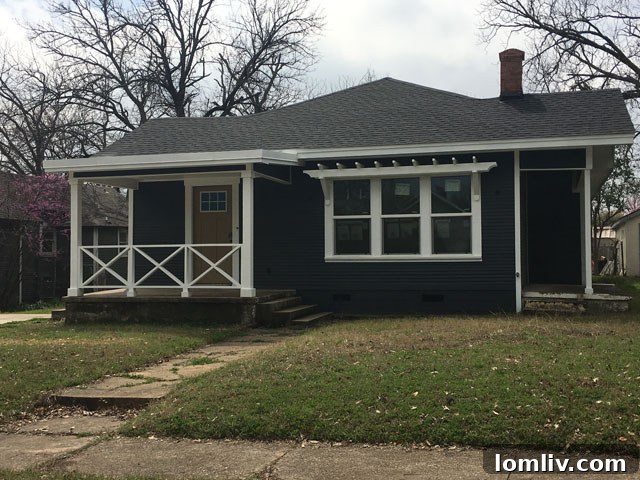
Mount Auburn’s history dates back to its development in 1907, establishing its boundaries by East Grand Avenue, Santa Fe Avenue, Munger Boulevard, and Cameron Avenue. For decades leading up to World War II, it flourished as a quintessential white, working-class neighborhood. Its streets were lined with charming frame bungalows, each adorned with wide front porches that served as informal gathering spaces. Neighbors shared strong bonds, children walked to Mount Auburn Elementary School, and trips to Woolworths or J.C. Penney on East Grand, or catching a movie at the Major Theater on Samuell Avenue, were common occurrences. It epitomized the idealized American neighborhood, characterized by tight-knit communities and a shared sense of belonging.
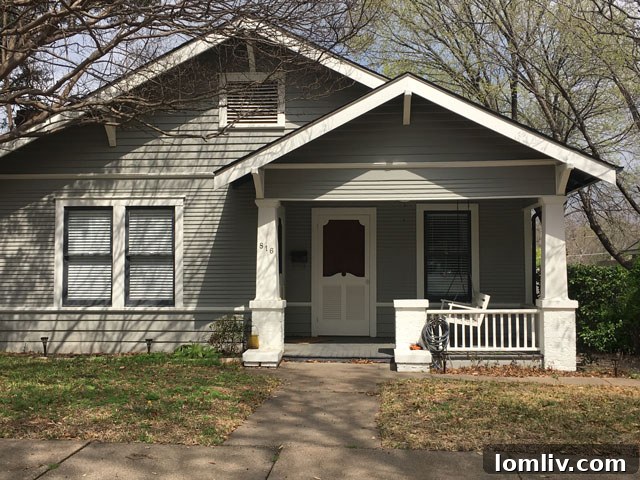
However, the allure of suburbia in the post-war era led to a significant “white flight,” ushering in challenging times for Mount Auburn during the 1970s and 1980s. A long-time resident on Cameron, who has lived there since the early ’70s, vividly recalls a period when the neighborhood faced severe hardships. She remembers a house purely acquired by a gang for drug deals, devoid of actual residents. A chilling blue light would illuminate its window each afternoon when Woodrow Wilson High School dismissed, signaling the start of a steady stream of cars making quick transactions. Even more disturbing, a pit bull breeder operated just a block from her friend’s home, near mine, leading to horrifying dogfights that the community felt powerless to stop. These were undoubtedly tough times, and it became clear that some degree of change was not just desired but long overdue.
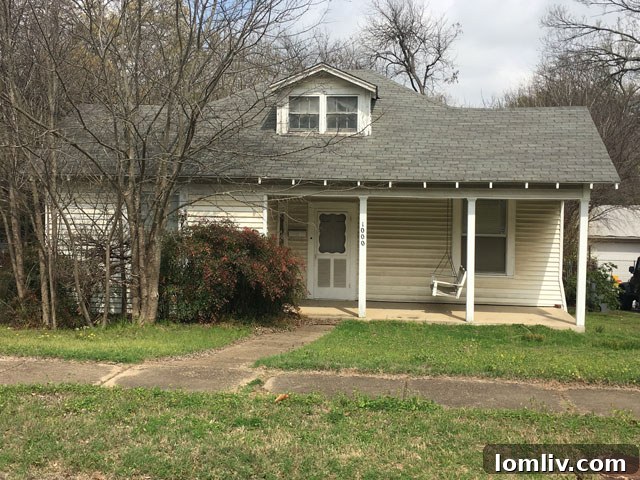
The 1990s brought a renewed sense of hope. As interest rates plummeted, those humble frame houses began to find new life. A new wave of residents, primarily Hispanic working-class families and early urban pioneers, revitalized Mount Auburn. They cultivated an unpretentious, vibrant, and culturally diverse community, fostering a strong sense of connection among its residents. Life in this revitalized Mount Auburn remained relatively tranquil and stable until approximately 2017.
The Dawn of a New Era: Gentrification Takes Hold
It was around 2017 that the current wave of gentrification truly began to reshape Mount Auburn. Developers and builders discovered this “little slice of East Dallas,” recognizing its untapped potential, leading to an undeniable construction boom that shows no signs of slowing down.
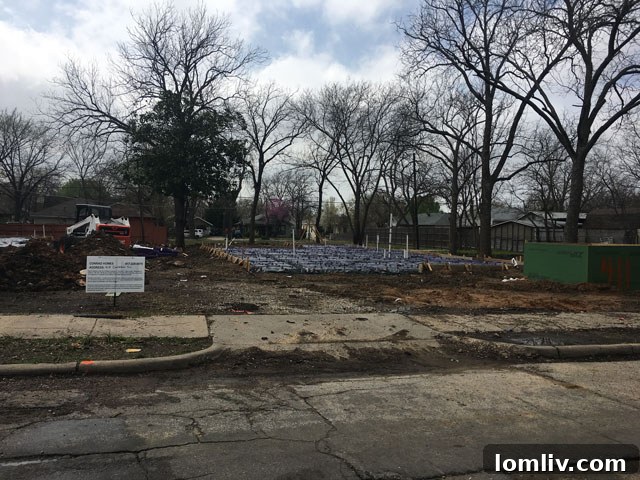
The emergence of these new, larger homes has created a complex dynamic within the community. On one hand, some long-time residents welcome the increased property values and the fresh energy that new construction brings. The influx of young professionals eager to embrace urban living means new inventory is being snapped up almost as quickly as it can be built, demonstrating a strong demand for modern homes in Mount Auburn. This new generation of urban pioneers is drawn to the neighborhood’s proximity to downtown Dallas, its burgeoning amenities, and its evolving character.
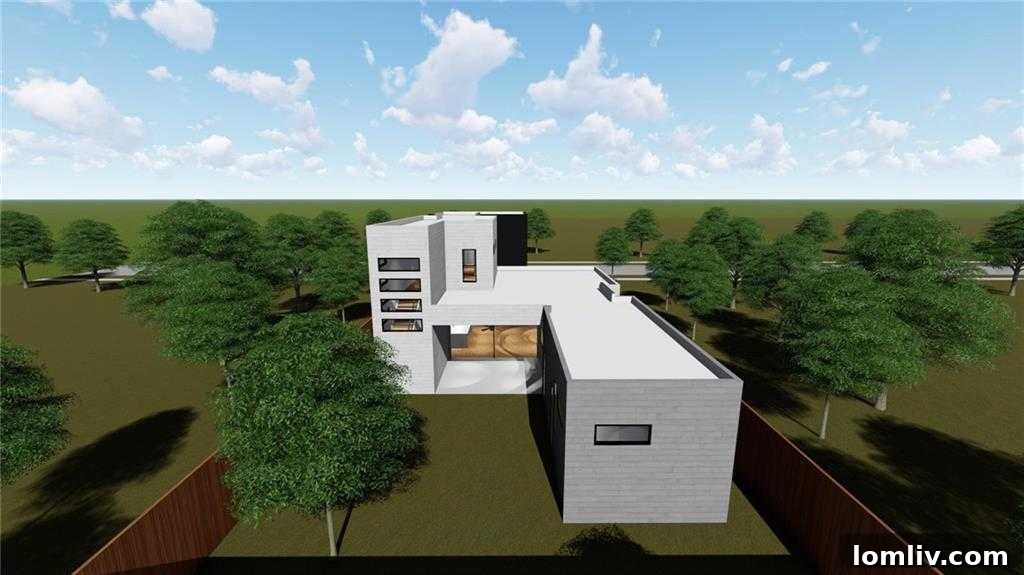
On the other hand, a significant concern revolves around the architectural style and urban planning implications of these new homes. Many are large, bold, and designed with practically zero-lot-line footprints, maximizing space on often smaller lots. Crucially, they frequently lack one feature that has historically defined the neighborhood’s communal spirit: the front porch. The absence of this simple architectural element, which once fostered generations of casual interactions and neighborly connections, signals a shift in how community might be built and sustained in the new Mount Auburn.
Karen Brown, a Mount Auburn resident for nearly 40 years, articulated this sentiment perfectly. “I wish these houses fit into the neighborhood better,” she lamented. “I’m sad to see this style of home go up. People will drive into their garage door, and we won’t connect. This style of home doesn’t welcome interaction between neighbors.” Despite her reservations, Brown expresses a pragmatic acceptance of the inevitable. “I’m withholding judgment. I’ve been here almost 40 years, and I know there is going to be change. I accept it. There is no point in fighting it.” Her words capture the nuanced perspective of many long-term residents grappling with the rapid evolution of their cherished community.
Brown’s wisdom resonates: change is an inherent part of urban development, and resisting it can often be futile. The new urban pioneers arriving in Mount Auburn, while possessing different needs, expectations, and often deeper pockets, are not fundamentally different from the previous generations who called this neighborhood home. They are simply responding to current market demands and contemporary lifestyle preferences, shaping Mount Auburn in their own image.
Conrad Homes: Spearheading Modern Development in Mount Auburn
At the forefront of this new wave of development is Conrad Homes, a dynamic and innovative firm founded by Jordan Gray, Cody Barrington, and featuring the architectural talents of Ryan Jacobson. These smart, dedicated, and experienced builders have known each other since seventh grade. Gray and Barrington, both coming from families deeply rooted in the building industry, found construction to be second nature, making it a logical path to follow. They established Conrad Homes in 2014 with a strategic focus on identifying vacant lots in promising urban areas.
Cody Barrington elaborated on their vision: “We are seeing a lot of urban revitalization. People want to work downtown again and walk or Uber to restaurants.” Their search for suitable vacant lots led them directly to Mount Auburn. “There is so much going on around Mount Auburn, and we liked the area. It’s close to downtown, and the Santa Fe Trail is across the street,” Barrington explained. He highlighted the compelling location for potential buyers, noting its short ride to vibrant areas like Lower Greenville, Lakewood restaurants, and Deep Ellum nightlife. Identifying a pocket of four contiguous vacant lots, Conrad Homes strategically acquired them, using this specific block as an initial test phase for their modern designs.
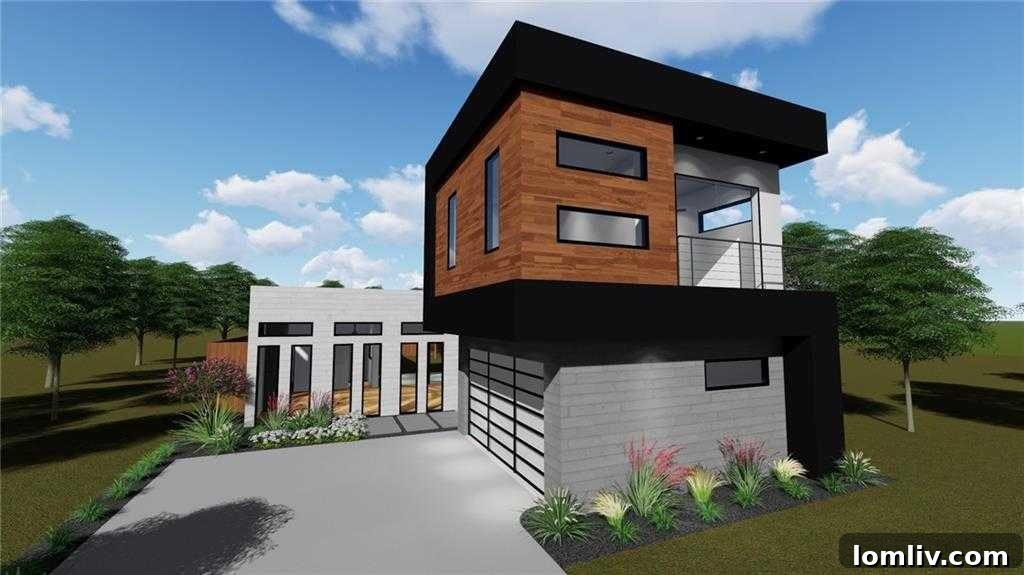
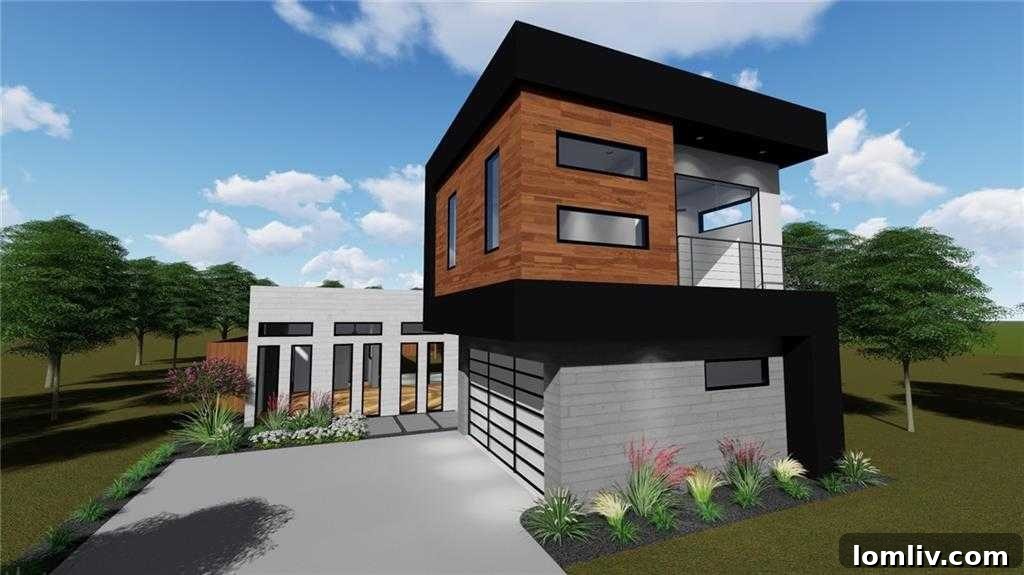
Conrad Homes’ architectural aesthetic is a stark departure from Mount Auburn’s traditional residences. Their offerings are primarily two-story, streamlined, and distinctly contemporary, representing a significant shift from the single-story, 1920s-era frame homes that previously dominated the landscape. Ryan Jacobson, the architect, noted, “Design is cyclical, and our target clients gravitate towards the modern style. That style seems to be the most in demand right now.” This approach has clearly struck a chord with the modern buyer.
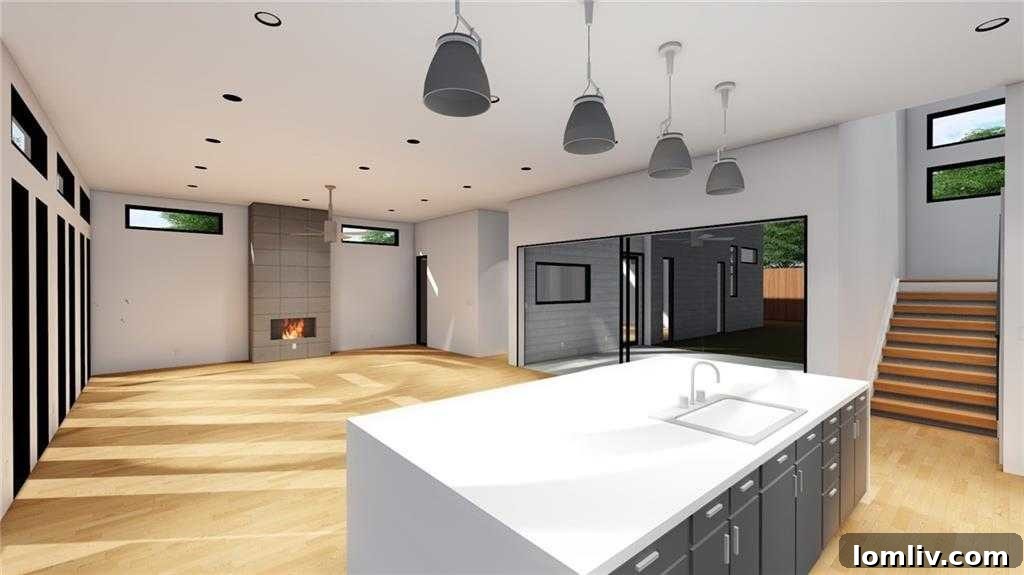
The success of Conrad Homes is undeniable. Their very first home sold even before its completion, perfectly aligning with their target customer profile and fetching a price in the impressive $600,000 range. This figure underscores the staggering transformation in property values: homes that were available for as little as $20,000 in the 1990s now boast a land value exceeding $100,000, with new constructions selling for six times that amount. This dramatic appreciation highlights the intense demand and investment flowing into Mount Auburn.
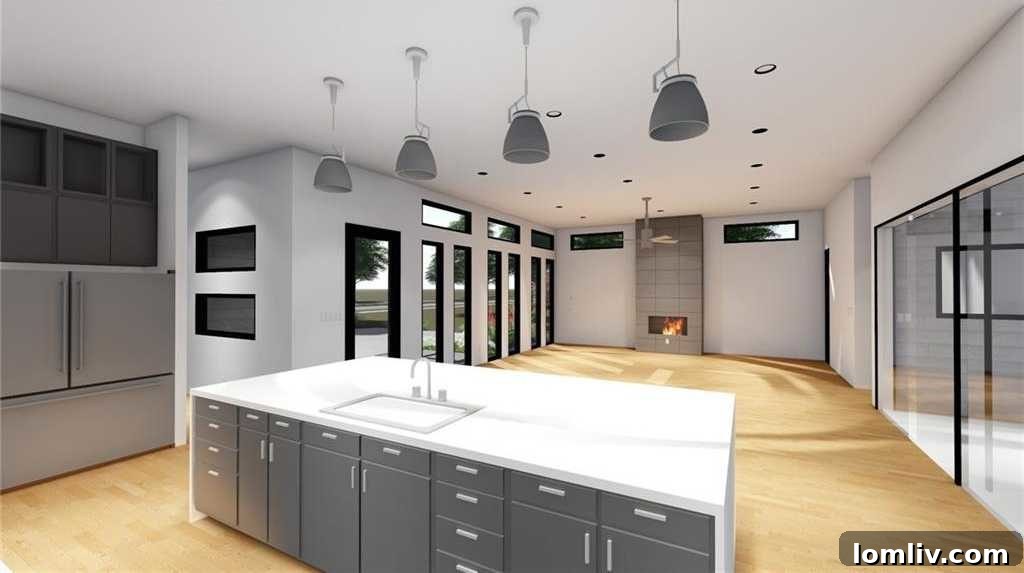
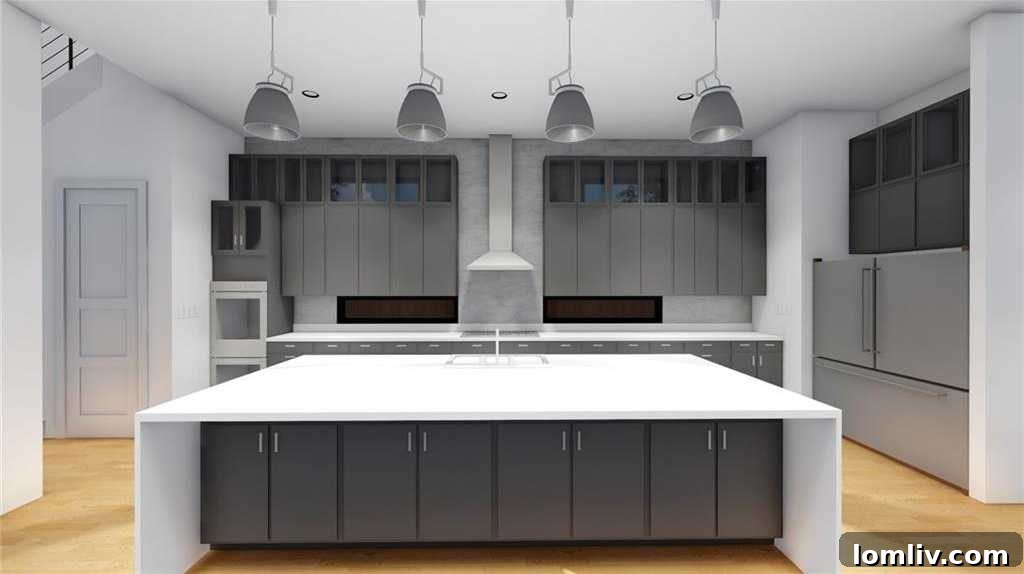
Conrad Homes is not the only developer contributing to this rapid evolution. Other innovative projects, such as a unique container home being built by a local couple, and at least six more new residences emerging in the immediate vicinity, further emphasize the scale of development. Mount Auburn residents are now collectively bracing themselves for the comprehensive change that has, quite suddenly, taken their neighborhood by storm.
Mount Auburn’s Future: A Balancing Act Between Progress and Preservation
The question of whether this rapid transformation is “good” or “bad” is multifaceted and complex. Robert Don, a Hollywood Heights resident, commercial appraiser, broker, and urban planner by profession, offers valuable insights. “Living on Valencia, what happens on that part of Cameron will bleed over,” he observed, acknowledging the ripple effect of change. “It will affect those that back up to those streets, visually and aesthetically.” Don’s professional background lends significant credibility to his assessment of the evolving landscape.
“I expect a year or two from now, that whole area of Mount Auburn will be completely different,” Don predicted. He initially harbored doubts when construction first began, concerned about the potential market reception for such dramatically different homes. However, his perspective shifted quickly. “When I saw that first house under contract immediately, well, it looks like they know what they are doing. It’s all good in my opinion.” Don’s professional endorsement underscores the market’s enthusiastic reception of these new developments.
Change, ultimately, is an undeniable force in any urban environment. We witness this phenomenon across Dallas, even in established conservation districts like Hollywood Heights, where new, larger homes are being constructed while still adhering to the distinctive Tudor style. Builders are inherently driven by the dictates of the marketplace, responding to demand and demographic shifts. It was perhaps inevitable that Mount Auburn, with its prime East Dallas location and historical charm, would eventually experience the same construction trends seen throughout the city.
In the long run, these changes will likely present a mixed bag of challenges and benefits for everyone involved. Mount Auburn is a resilient community, and it will adapt to its new identity. Perhaps future developers, observing the community’s desire for connection, might even reintegrate elements like front porches into their modern designs, helping to preserve that cherished sense of community for generations to come. The neighborhood’s evolution is an ongoing story, reflecting the dynamic nature of Dallas itself.
Meanwhile, for those who are ready to embrace the role of a new urban pioneer and become part of Mount Auburn’s exciting future, opportunities abound. Consider reaching out to Brandon Travelstead with Travelstead Luxury Properties. He successfully brokered the sale of the first bold new house from Conrad Homes, and the buzz suggests his phone is ringing off the hook with inquiries about this rapidly transforming Dallas gem!