
Navigating the New Era of Mortgage Lending: Understanding Qualified Mortgages and Ability to Repay Rules

The landscape of mortgage lending underwent a significant transformation with the introduction of new federal monetary policies on January 10th. These policies centered around the concepts of Qualified Mortgage (QM) and Ability to Repay (ATR), fundamentally reshaping how lenders assess and approve home loans. While designed with consumer protection in mind, many within the mortgage and real estate industries expressed considerable apprehension, predicting a potential chilling effect on real estate sales and an increase in complexities for all parties involved.
The Qualified Mortgage (QM) rule, a cornerstone of these new regulations, aims to ensure that lenders verify a borrower’s ability to repay their mortgage before extending credit. It establishes clear guidelines and criteria that a loan must meet to be considered a “qualified mortgage,” offering lenders certain legal protections or a “safe harbor” from future lawsuits if the borrower defaults. However, the application and interpretation of these rules have sparked widespread debate about their suitability for the contemporary housing market.
The Genesis and Critiques of the New Lending Framework
According to industry veterans like Scott Drescher with Supreme Lending, the roots of these new rules are surprisingly archaic. “The rules were cut and pasted from the HUD handbook that was written in the 1940s, haven’t been updated since the 1990s and were designed for low-income borrowers in mind,” Drescher notes. This historical context is critical, as it highlights a fundamental disconnect between the regulations’ origin and the diverse, dynamic nature of today’s housing market.
What makes this situation particularly challenging is that these “iron-clad rules,” despite their dated origins and specific initial intent, are now universally applied. “They were not updated in any way,” Drescher emphasizes. “Worse, they do not reflect mortgage reality outside of FHA underwriting guidelines. Therefore, they’re not good for anybody as iron-clad rules.” This broad application, without comprehensive modernization, means that criteria once intended for a very specific demographic and economic environment are now dictating the terms for all borrowers, regardless of their income level, credit history, or financial stability.
The housing market of the 1940s and 1990s bears little resemblance to that of today. Property values, income structures, employment types, and consumer financial behaviors have all evolved dramatically. Applying outdated guidelines risks mischaracterizing the financial health of many borrowers and potentially stifling a healthy segment of the housing market. The rigidity of these rules, critics argue, fails to account for the nuances of individual financial situations and the diverse range of mortgage products available in a modern economy.
Broad Repercussions for the Real Estate Ecosystem
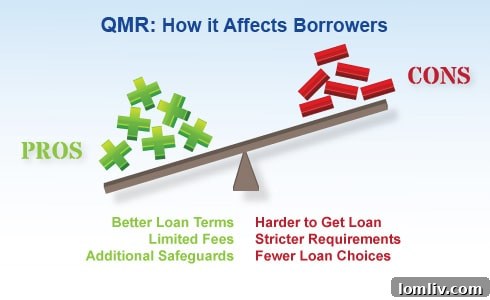
The immediate and ripple effects of these updated mortgage regulations are far-reaching, touching almost every facet of the real estate and housing industries. The changes implemented on January 10th were predicted to negatively impact a vast array of business segments, creating a cascade of challenges throughout the economy. As Scott Drescher outlined, the list of affected parties is extensive and interconnected:
Impact on Buyers and Sellers
- Buyers: Many prospective homebuyers find it more challenging to qualify for loans, even those with strong financial profiles. The stricter criteria can lead to longer application processes, increased documentation demands, and ultimately, a higher rate of loan denials. For those who do qualify, the increased costs associated with lender compliance might translate into higher interest rates or fees.
- Sellers: With fewer qualified buyers in the market, sellers may experience longer listing times, fewer competitive offers, and potentially lower sale prices. The overall demand for housing can decrease, impacting market liquidity and home value appreciation.
Challenges for Real Estate Professionals and Developers
- Realtors: A reduction in successfully closed transactions directly impacts real estate agents’ livelihoods. The increased complexity and potential for loans to fall through late in the process add significant stress and uncertainty to their work.
- Builders and Contractors: New home construction can slow down considerably if fewer buyers can secure financing. This affects not only large-scale developers but also the extensive network of contractors, subcontractors, and tradespeople who rely on new construction projects for their income.
Strain on Ancillary Services
- Appraisers, Surveyors, and Title Companies: These essential services are directly tied to the volume of real estate transactions. A slowdown in sales and refinances means reduced business, potentially leading to financial strain and job losses within these sectors.
- Home Remodelers: Many homeowners fund renovation projects through new home purchases or refinances. If these transactions decrease, so too does the demand for home remodeling services, affecting local businesses and contractors.
Economic Consequences for Related Industries and Local Governments
- Construction Materials Companies and Retailers: A slump in construction and remodeling activities translates to decreased demand for building materials, home furnishings, and related retail goods, impacting manufacturers and retailers across the supply chain.
- Cities and Local Governments: New construction often generates significant income for municipalities through permit fees, property taxes, and other levies. A reduction in building activity can lead to decreased public revenue, potentially impacting local services and infrastructure projects.
- Mortgage Companies: Perhaps most directly affected, mortgage lenders face increased compliance burdens, higher operational costs, and reduced loan volumes. This can lead to consolidation, reduced profitability, and even business closures in a highly competitive market.
Beyond these direct impacts, the “trickle-down industries” – everything from furniture stores to moving companies – also feel the pinch as the broader housing market cools. This interconnectedness highlights how changes in one sector can reverberate throughout the entire economy.
The Unintended Beneficiaries of Regulatory Complexity
While the new rules present challenges for the majority, a select few segments stand to benefit. Drescher points out that attorneys and compliance companies are likely to experience a surge in demand. The intricate nature of the regulations, coupled with the high stakes of non-compliance, necessitates expert legal interpretation and robust compliance frameworks. This creates a fertile ground for law firms specializing in financial regulations and companies offering compliance software, training, and consulting services. This silver lining, however, underscores the increased cost and complexity introduced into the lending process, diverting resources that might otherwise flow directly into housing market activities.
The Perilous Path of Non-QM Lending
A significant point of contention lies in the treatment of non-Qualified Mortgage (non-QM) loans. The Consumer Financial Protection Bureau (CFPB), while championing the new rules, often suggests that lenders are still free, and even encouraged, to offer non-QM loans to borrowers who don’t fit the QM criteria. This stance, however, largely ignores the stark economic realities faced by lenders.
For a QM loan, lenders benefit from a “safe harbor” provision, which offers protection against claims that they failed to assess a borrower’s ability to repay. This dramatically reduces the legal and financial risks associated with these loans. Non-QM loans, on the other hand, do not carry this protection. This absence of safe harbor means that should a borrower default on a non-QM loan, the lender faces substantial legal exposure, even if they diligently assessed the borrower’s repayment ability at the time of origination.
The cost-benefit analysis for lenders is strikingly imbalanced. Consider this scenario: the net profit from a successfully closed QM loan of $200,000, perhaps for a starter home, might be a modest $500. Now, contrast this with the potential cost of a single failed non-QM loan of the same amount. Even without any intentional misdeed on the part of the lender, the expenses associated with foreclosure, legal fees, regulatory investigations, and potential penalties could easily top $300,000. This disparity – a potential gain of $500 against a potential loss of $300,000 – creates an overwhelming disincentive for lenders to engage in non-QM lending. The math is simple and devastating for their bottom line.
Consequently, despite the CFPB’s rhetoric, most lenders cannot, in good conscience or financial prudence, afford to take on the immense risk associated with non-QM loans. This effectively shrinks the pool of available credit for otherwise creditworthy borrowers who might fall outside the narrow QM definitions, further exacerbating market access issues.
Borrower Frustration and Market Uncertainty
The new rules introduce a significant layer of uncertainty for borrowers, even those with impeccable credit histories and stable incomes. The belief that excellent credit and decent income automatically qualify one for a loan is no longer a given. The government, through its updated regulations, demands a much more stringent and often inflexible assessment of repayment ability, frequently overlooking the broader context of a borrower’s financial health.
One of the most frustrating aspects for consumers and professionals alike is the potential for loans to fall through at very late stages. A borrower might be pre-approved, appraisals completed, and even an initial underwriting approval granted, only for the final analysis to push the loan into a category that the lender cannot, or will not, approve under the new QM/ATR guidelines. This scenario creates immense stress, financial loss (from appraisal fees, inspections, etc.), and often leads to the collapse of home sales on the eve of closing, impacting not just the buyer and seller but also the real estate agents, title companies, and other parties involved.
This late-stage disqualification not only causes immediate transactional failures but also erodes public trust in the lending process and the stability of real estate agreements. It introduces an element of unpredictability that can deter potential homebuyers and investors, contributing to a more cautious and less liquid housing market.
The Path Forward: Adapting to the New Reality
The implementation of the Qualified Mortgage and Ability to Repay rules marks a pivotal moment in the evolution of mortgage lending. While the intent was to prevent a recurrence of past financial crises by ensuring responsible lending, the execution has introduced significant hurdles and unintended consequences. The industry now faces the dual challenge of adapting to these rigid regulations while striving to meet the diverse needs of homebuyers.
Moving forward, stakeholders across the real estate spectrum will need to remain vigilant, advocating for potential refinements to these rules that better align with current market realities. Education for borrowers and robust training for lending professionals will be paramount to navigate the complexities. The housing market, a critical engine of economic growth, will undoubtedly evolve in response to these changes, potentially reshaping how homeownership is accessed and achieved for many.
The profound impact of these regulations underscores the delicate balance between consumer protection and market fluidity. As the industry continues to grapple with these “iron-clad rules,” the ongoing dialogue between regulators, lenders, and consumers will be essential to foster a healthy, accessible, and responsible housing finance system.
What do you think is going to happen to our market after today’s implementation? Have you had any challenging experiences with loans falling through on the eve of closing due to these new guidelines?