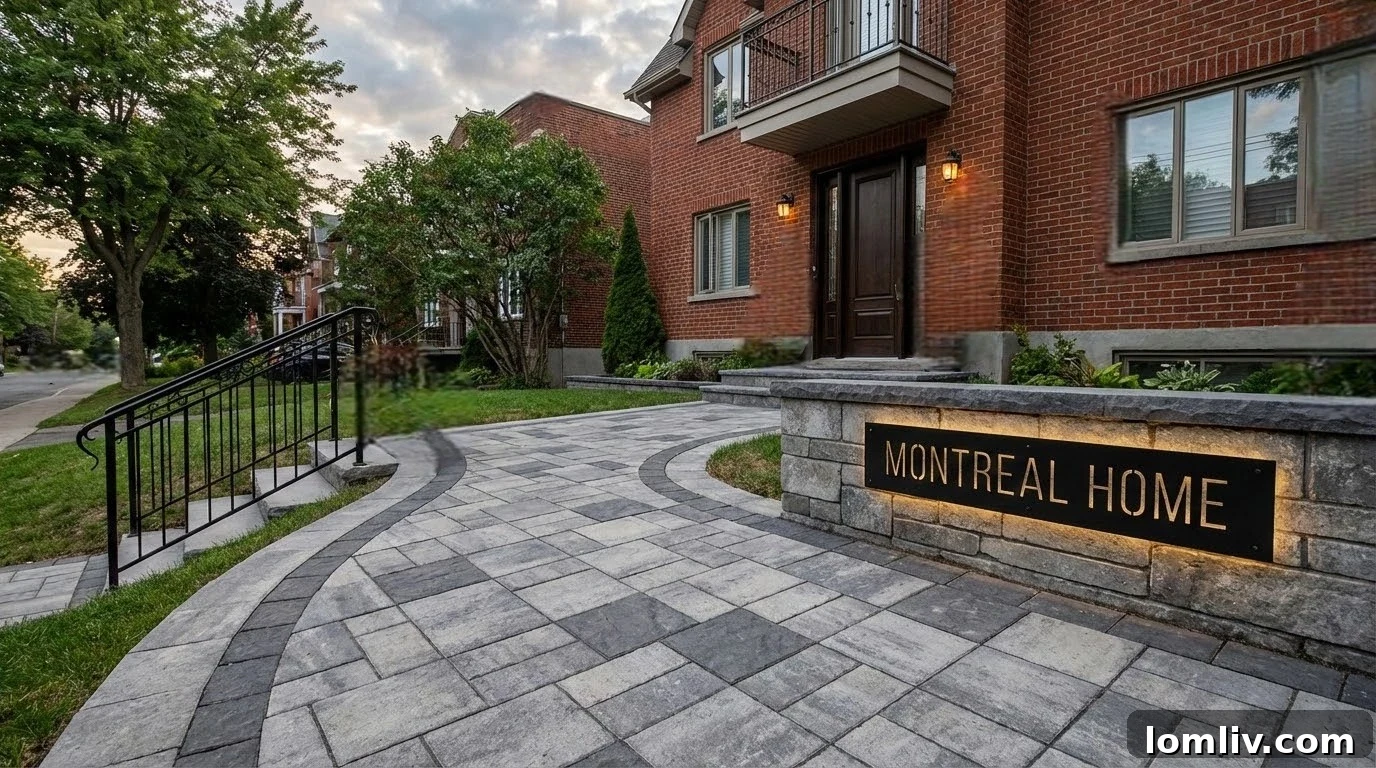
The exterior of your home is more than just a facade; it’s the first chapter of your property’s story, an open invitation or a subtle deterrent to prospective buyers. As a landscaping professional in Montreal, I’ve spent years transforming neglected yards into vibrant, welcoming spaces, often with the specific goal of preparing a home for sale. The most common question I hear from homeowners? “What landscaping investments actually pay off at closing?” It’s a crucial inquiry, as not every dollar spent on the yard translates into a higher sale price. Some upgrades are purely aesthetic indulgences, while others are strategic improvements that significantly boost perceived home value and curb appeal. Having observed countless buyer reactions and agent feedback across Montreal’s residential neighborhoods, I’ve developed a clear understanding of what truly captures a buyer’s attention and what gets overlooked.
If you’re planning to list your home in the next six weeks and called me for advice, here’s the actionable, high-impact guidance I’d give you, focusing on maximum return with minimal fuss.
Craft an Inviting First Impression with Your Walkway
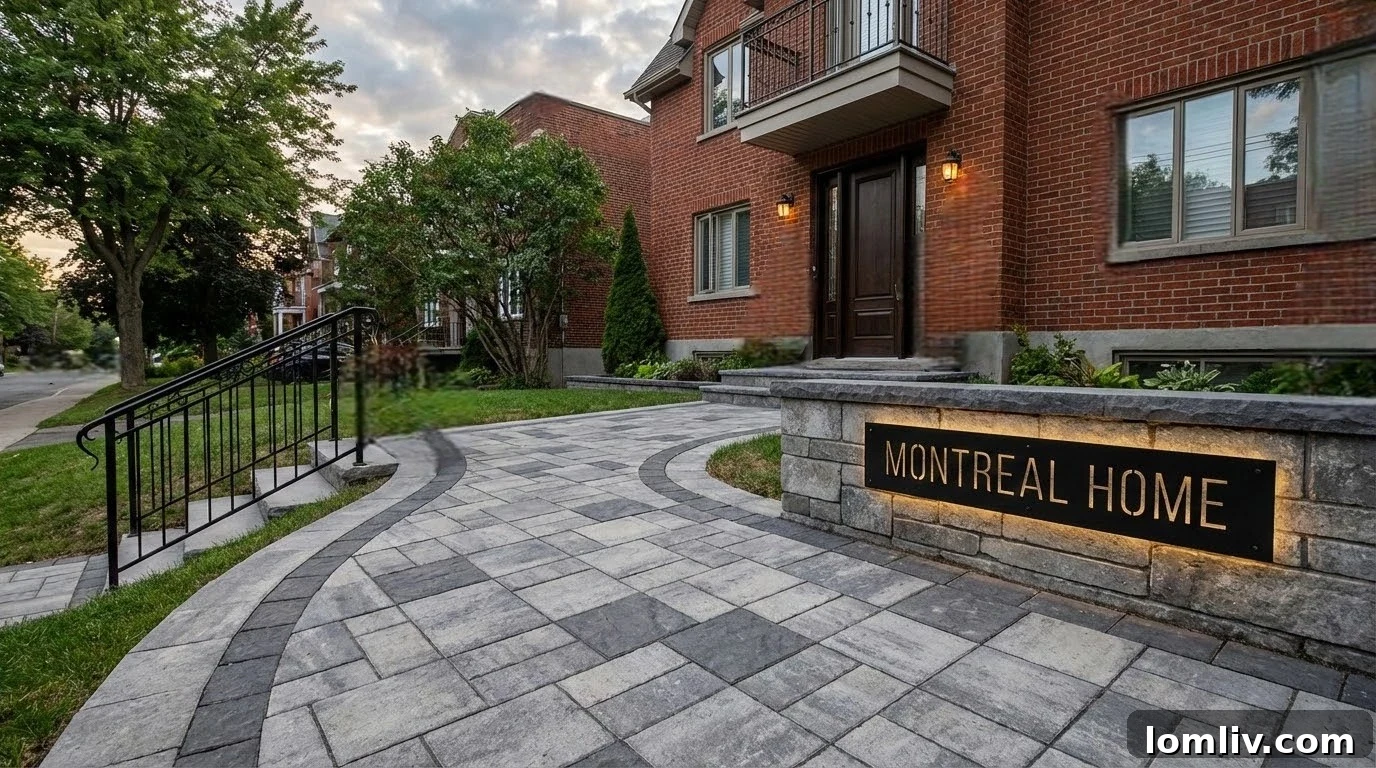
The front walkway serves as the very first physical interaction a buyer has with your property. From the moment they step out of their car, their journey to your front door is defined by this path. A cracked, uneven, or dated concrete slab, perhaps reminiscent of its 1980s origins, immediately establishes a negative tone before they even cross the threshold. This initial impression can subconsciously influence their entire perception of the home, suggesting neglect or the need for immediate, costly repairs.
Upgrading your walkway to interlocking pavers is, without a doubt, one of the most impactful exterior renovations you can undertake for pre-sale curb appeal. The cost is often less prohibitive than many homeowners anticipate, especially when considering the significant return on investment. For a typical 40-foot walkway, you can expect costs to range between $2,500 and $5,000, influenced by the chosen materials, paver style, and regional labor rates. For instance, in Montreal, the need for a deep, freeze-thaw rated base due to harsh winters might slightly increase costs compared to regions like Dallas, where such extreme weather considerations are less critical. However, this foundational work ensures long-term durability, a factor highly valued by discerning buyers and noted by home inspectors.
Aesthetically, a well-executed paver walkway in a neutral gray or charcoal hue, laid in a classic herringbone or running bond pattern, instantly communicates “well-maintained” and “quality” to prospective buyers. This single enhancement often prompts positive comments during open houses, with agents consistently reporting favorable feedback regarding the paver installation work we complete for pre-sale clients. It’s an upgrade that speaks volumes without saying a word.
It’s important to note: while visually appealing in the short term, stamped concrete is best avoided for selling purposes. It is prone to cracking and fading over time, issues that can become future liabilities for a buyer. Interlocking pavers, conversely, offer superior durability and reparability; individual pavers can be replaced if they shift or crack, a testament to their longevity that home inspectors often highlight as a positive feature.
Elevate Curb Appeal with Thoughtful Foundation Planting
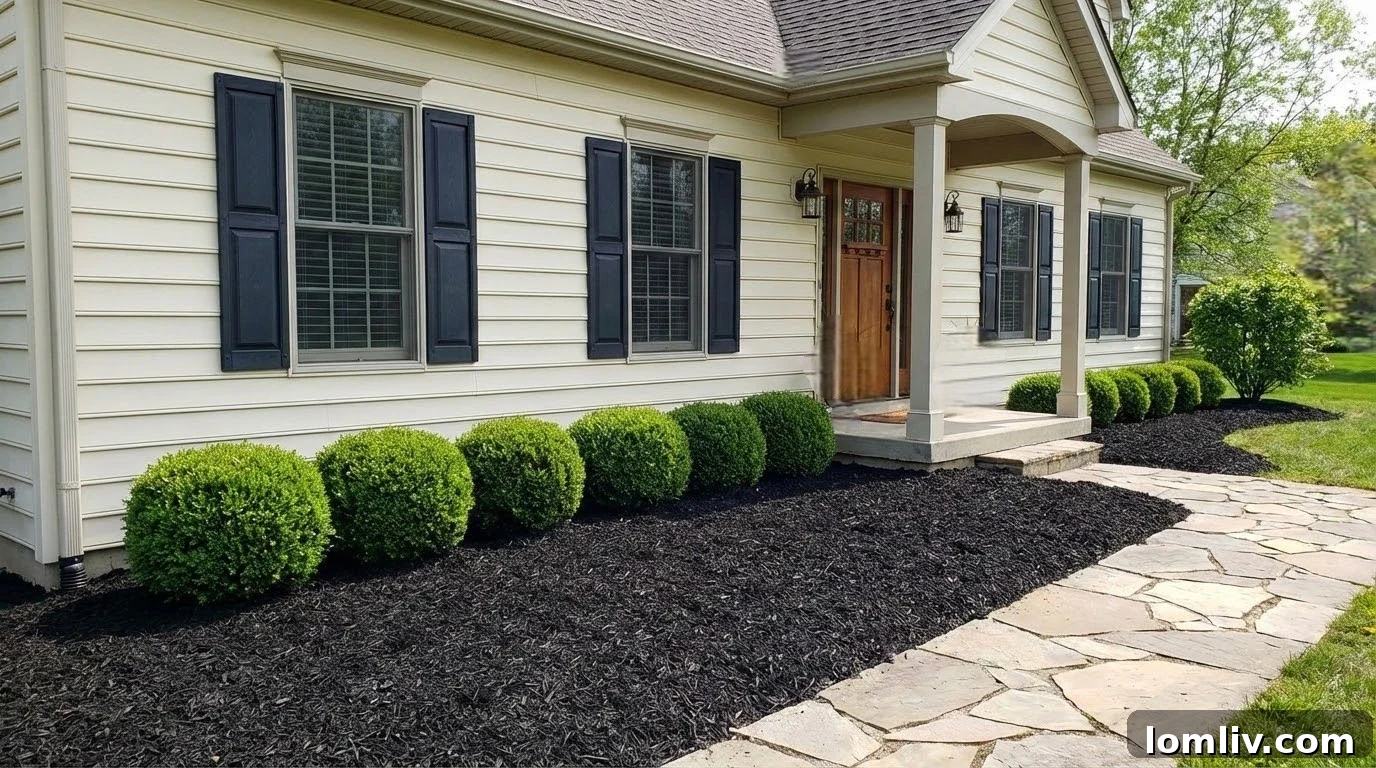
That unassuming strip of soil nestled between your house and the walkway—your foundation planting bed—wields far greater influence over your home’s curb appeal than you might imagine. This area acts as the frame for your home’s architectural features, and its condition significantly impacts a buyer’s initial perception.
Most homes suffer from one of two common issues in this critical zone: either the bed is barren and empty, presenting a stark and unwelcoming appearance, or it’s overrun with colossal, untamed shrubs that obscure windows and engulf the house. Both scenarios are detrimental to curb appeal. Buyers desire to see the charming details of the home itself, not a dense, intimidating wall of overgrown greenery.
The key is to create a sense of order, depth, and intentionality. Begin by removing any planting that obstructs windows, exceeds window height, or appears unruly. Replace these with low, structured planting that complements the home rather than overwhelming it. Classic choices like boxwood hedges, meticulously trimmed to about 18 inches in height, are universally appealing and thrive in a wide range of climates, including Montreal’s varied seasons. In warmer regions like Texas, dwarf yaupon holly offers a similar compact, evergreen solution with minimal maintenance requirements.
To add texture and subtle color without introducing high maintenance, layer in a few robust perennial groundcovers along the front edge of the bed. For example, purple trailing lantana flourishes in the intense heat of the DFW area, providing vibrant, long-lasting color effortlessly. Finish the beds with a generous 2 to 3-inch layer of dark hardwood mulch. Fresh mulch is arguably the most cost-effective “wow” factor in landscaping, instantly making a garden bed look tidy, purposeful, and professionally maintained. A complete re-mulch of a typical suburban front bed usually costs a modest $200 to $400 in materials.
A principle I consistently emphasize to my clients is the power of symmetry. Balanced planting creates a visual harmony that signals a well-cared-for home. If you incorporate a structured plant like a boxwood on one side of your front door, replicate it precisely on the other. Lopsided or haphazard planting can make a yard appear neglected or unplanned, diminishing the overall impression.
Your Lawn: Green is Good, Perfection is Not Required
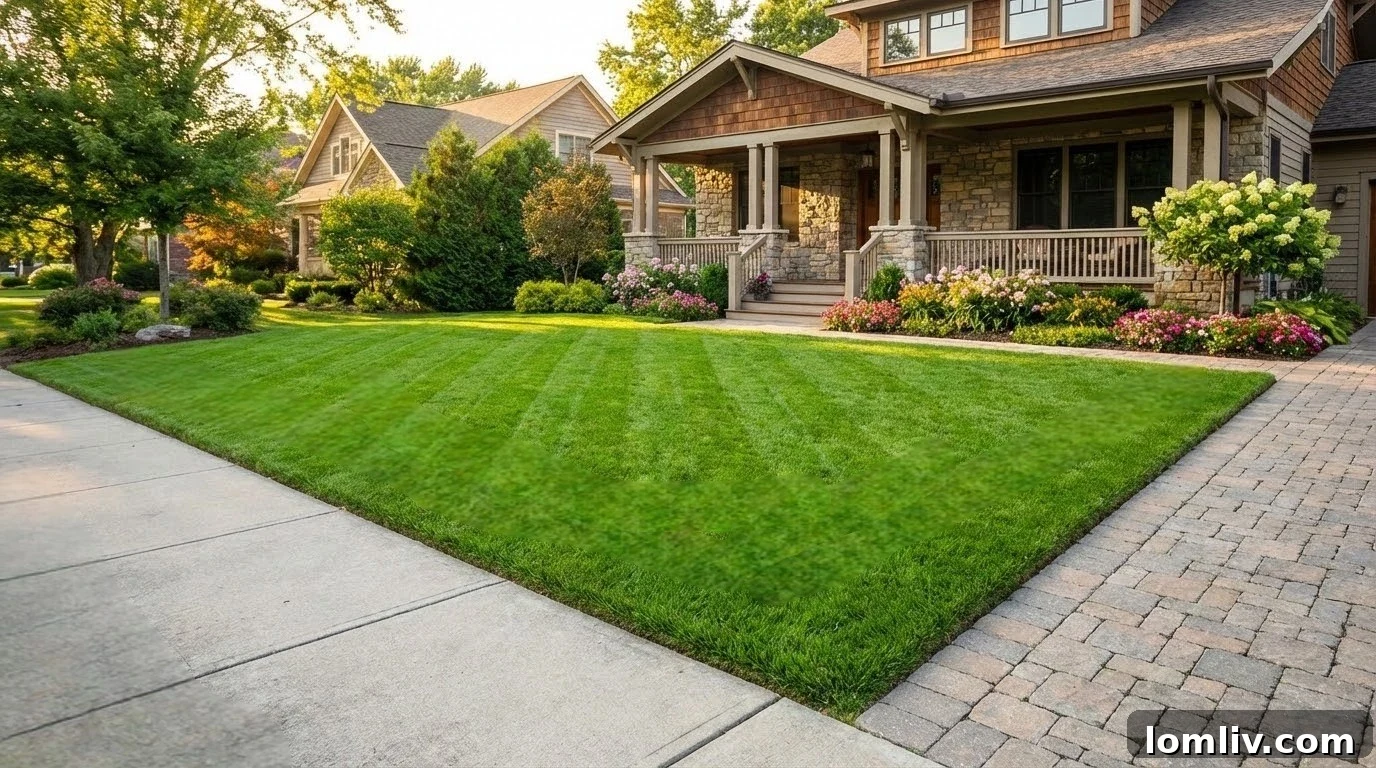
When buyers evaluate your lawn, they’re not typically scrutinizing the specific grass variety or inspecting for microscopic imperfections. Their assessment is far simpler: is it green, or is it brown? Is it neat, or is it unruly? The goal for selling is to present a consistently green, well-maintained expanse of grass that signals general care and requires minimal effort from a new homeowner.
If you’re preparing to list your property during the spring or summer months, particularly in regions like Texas, you likely benefit from resilient grass types such as Bermuda or St. Augustine. These varieties respond quickly and vigorously to proper care, greening up beautifully with adequate watering. Approximately six weeks before your listing date, initiate a straightforward, consistent lawn care regimen. Mow weekly, adhering to the optimal height for your grass type (e.g., maintain Bermuda at about 1.5 inches and St. Augustine between 3 to 3.5 inches). Deep water your lawn twice a week, encouraging robust root growth. Apply a balanced fertilizer at the beginning of this six-week period and a follow-up application around week four to promote lush, even growth.
For any bare or thin patches, immediate action is crucial. Overseed these areas or, for more immediate impact, lay fresh sod. A single pallet of St. Augustine sod, covering approximately 450 square feet and costing around $200 to $300, can effectively remedy unsightly spots without necessitating a complete overhaul of the entire yard. This targeted approach offers a quick and visible improvement.
Beyond the health of the grass itself, the visual crispness of your lawn significantly impacts its perceived quality. Invest 30 minutes with an edger to create sharp, clean lines along your driveway, walkways, and planting beds. This simple act of defining borders transforms even an average lawn into one that appears meticulously cared for and professionally manicured. The impact on how your yard photographs for online listings is far greater than most homeowners realize, contributing substantially to overall curb appeal.
Strategic Lighting Transforms Evening Appeal
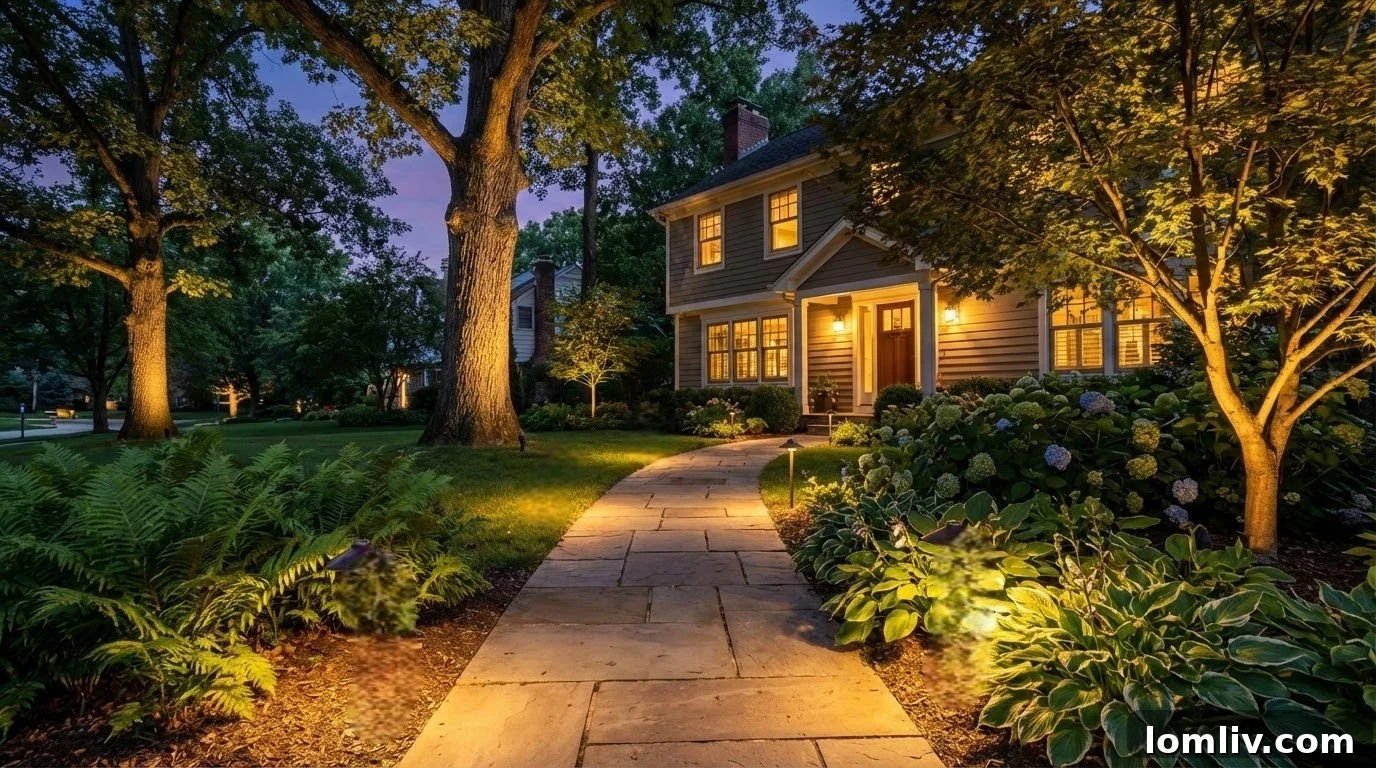
While daytime showings are important, evening viewings or even drive-bys at dusk offer a unique opportunity to showcase your home in a different light – quite literally. Thoughtfully placed path lighting along the walkway, complemented by a few strategically positioned uplights on mature trees or architectural features, can dramatically alter your home’s aesthetic after sunset. Instead of appearing dark, flat, or uninviting, your property will exude a lived-in, warm, and welcoming glow, drawing potential buyers in and creating a memorable first impression even before they step inside.
The good news is that creating this inviting ambiance doesn’t require a professional electrician or a significant budget. Low-voltage LED path lights are remarkably simple to install, often making it a feasible weekend DIY project. A quality set can be purchased for $100 to $200 from most home improvement stores. For optimal coverage and appeal, place these lights approximately 6 to 8 feet apart along both sides of your walkway, guiding visitors safely and stylishly to your front door.
When selecting lighting, pay attention to the color temperature. Opt for warm white (around 2700K) bulbs, which emit a soft, inviting glow that feels inherently residential and cozy. Avoid the bluish, stark daylight tones (typically 5000K or higher), as these tend to create a more commercial or sterile atmosphere that detracts from a home’s warmth. Warm lighting enhances textures and colors, making your home feel more inviting.
For tree uplights, the same warm white principle applies. These lights highlight the grandeur of your mature landscaping and add depth and drama to your exterior. The entire low-voltage landscape lighting system, from transformer to direct-burial wire, is designed for homeowner installation. A quick YouTube tutorial over lunch can easily equip you with the knowledge to complete the project by dinner, offering a high-impact upgrade for minimal investment of time and money.
Strategic Skips: What Not to Invest in When Selling
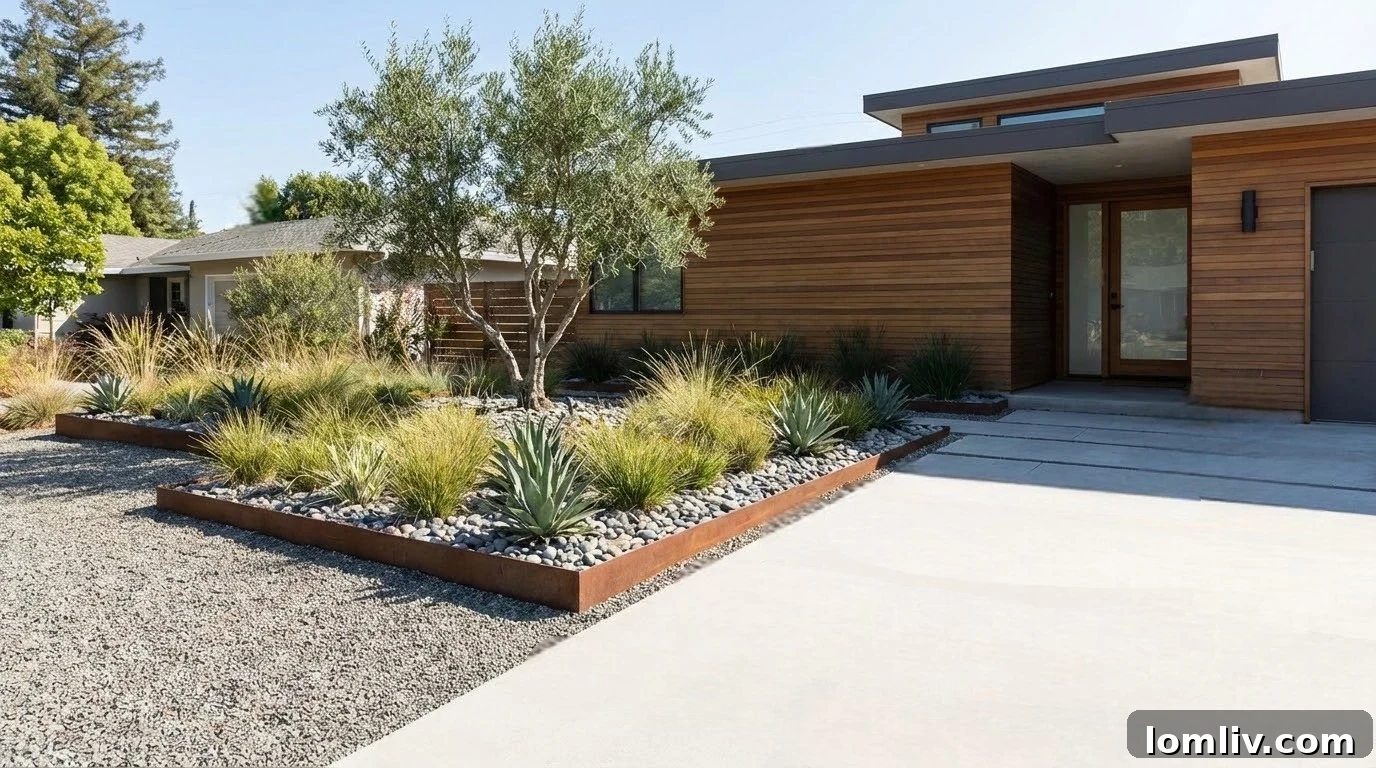
Just as important as knowing what to do is understanding what to avoid. Over the years, I’ve frequently advised clients against specific landscaping projects that would have amounted to unnecessary expenses, offering little to no return on investment and potentially even detracting from the sale price. When preparing your home for market, every upgrade should be evaluated through the lens of a potential buyer and the impact on perceived value.
Water features? Skip them entirely. While a serene fountain or a picturesque pond might seem like an appealing addition, for many buyers, these are immediately perceived as a significant maintenance liability. Their minds jump to potential issues like mosquito breeding grounds, costly pump repairs, winterizing procedures, and the ongoing chore of cleaning. Unless you already have a meticulously maintained, high-end water feature that genuinely enhances a luxury property, it’s best to remove or minimize any such existing elements, or simply save your money.
Elaborate flower gardens fall into a similar category. While a few well-placed, low-care perennial groupings can add charming splashes of color, extensive annual beds are a red flag for most buyers. They inherently understand that annuals require constant attention—planting, watering, fertilizing, and replacing each season. A full-blown English cottage garden, while beautiful, is typically seen as a high-maintenance hobby rather than a selling feature. Most prospective homeowners are looking for ease, not a new gardening commitment. Focus on structured greenery and minimal, robust flowering perennials that require little intervention.
Fruit trees present a nuanced challenge. For buyers who actively desire them, they can be a delightful amenity. However, for those who don’t, they can be a significant nuisance. Fallen fruit can attract pests like wasps and rodents, create sticky messes on walkways and driveways, and pose a tripping hazard. If you currently have fruit trees, ensure they are diligently trimmed, well-maintained, and any fallen fruit is promptly cleaned up. However, avoid planting new fruit trees or expanding existing orchards just before listing your home, as the potential downsides often outweigh any perceived benefits for a broad buyer demographic.
Adopt a Buyer’s Perspective for Optimal Results
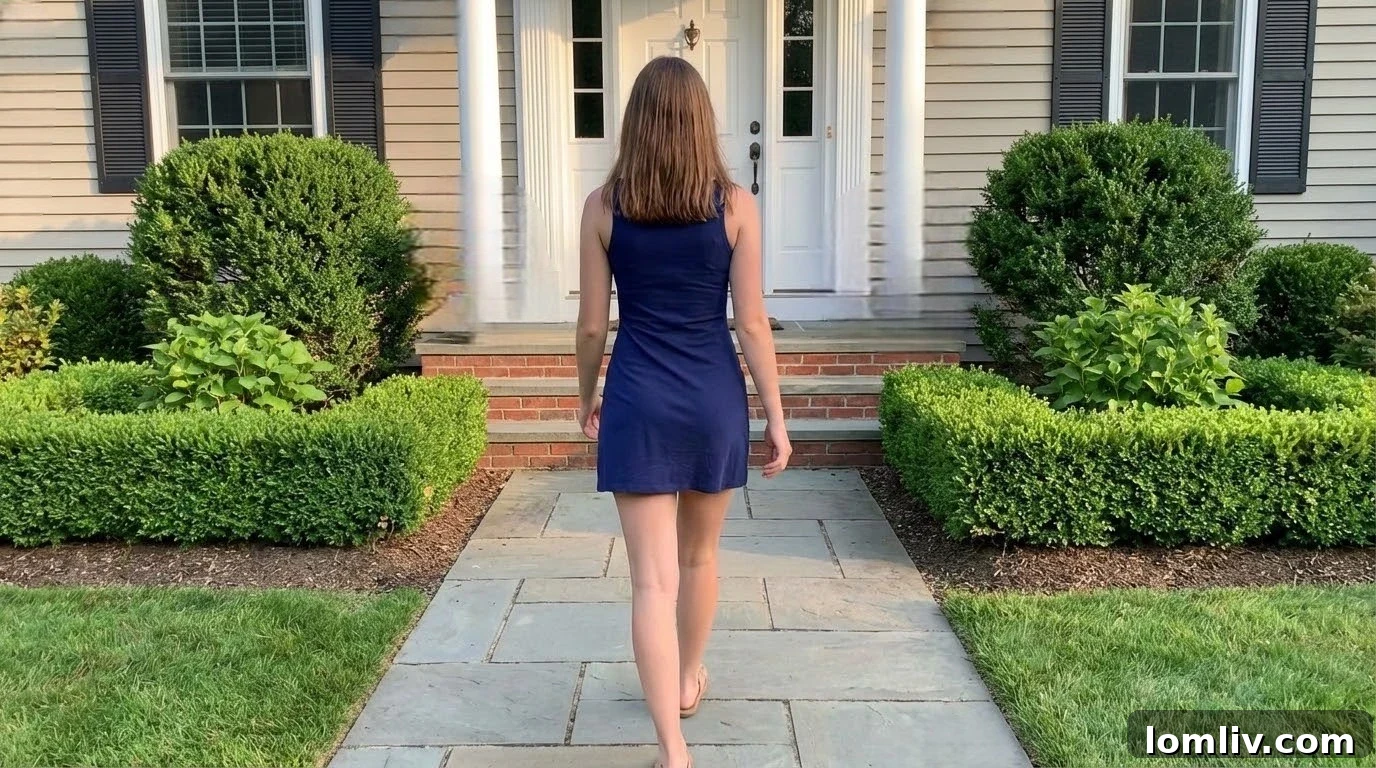
The overarching objective of pre-sale residential landscaping isn’t to win a garden magazine award; it’s to systematically eliminate any reasons for potential buyers to hesitate or form negative impressions. The goal is to cultivate an atmosphere that makes people feel inherently good and welcomed as they approach your front door, setting a positive emotional tone before they even step inside.
This means focusing on the fundamentals: a consistently green and neatly edged lawn, a safe and attractive walkway, some thoughtfully placed and balanced foundation planting, and a touch of warm, inviting outdoor lighting. That’s truly the essence of what buyers notice and appreciate. None of these recommendations are overly complex or require exorbitant budgets. Most can be accomplished efficiently over a few weekends if you’re a hands-on homeowner, or within a matter of days if you engage a professional landscaping crew.
When my team undertakes landscape design projects for clients preparing to list their homes, our guiding principle is always the same: make the front yard exude the feeling that a homeowner lives here who genuinely cares about their property. This feeling, this subtle message of attentiveness and pride, is powerfully picked up by buyers. It creates a critical positive first impression that not only carries them confidently through the front door but also significantly influences their entire experience of the showing. Get the front yard right, and the rest of the home tour begins on an unequivocally high note, paving the way for a quicker, more successful sale.
Montreal Front Yard ROI Estimator
Select the upgrades you need to see what it takes to get your Montreal property show-ready.
Based on average material & local Montreal labor costs
Author Bio:

Denis is the founder and operator of Montreal Paysagement Pro, a leading residential landscaping company based in Montreal, Quebec. With extensive experience, he collaborates closely with homeowners on a diverse range of projects, from comprehensive yard redesigns to meticulously targeted curb appeal enhancements designed specifically to maximize property value before a home is listed for sale.