Shaping the Future of Dallas: Urban Transformation, Affordable Housing, and Inclusive Communities
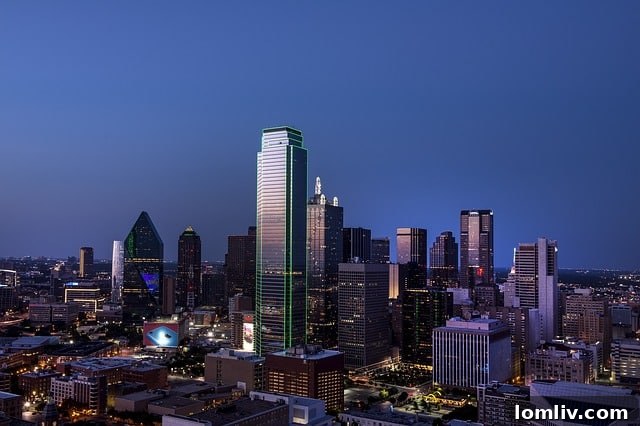
Dallas, a city known for its dynamic spirit and rapid growth, stands at the precipice of a new era. As it matures and solidifies its position as a major civic and economic hub, the city is undergoing profound transformations. These changes are not merely cosmetic; they encompass progressive shifts in urban planning, cultural enrichment, and architectural innovation, all contributing to a more sophisticated and inclusive metropolitan identity.
The journey of progress, however, is rarely without its complexities and challenges. Significant legal and social developments often emerge, acting as catalysts for re-evaluation and adaptation. A recent landmark Supreme Court decision serves as a prime example of such a pivotal moment, profoundly influencing how Dallas defines and develops its communities, particularly concerning affordable housing. This ruling has sent ripples through the development and architectural sectors, forcing a critical re-examination of established strategies and the very fabric of neighborhood context.

The Supreme Court Decision: A Turning Point for Texas Housing Policy
The case of Texas Department of Housing and Community Affairs v. The Inclusive Communities Project, Inc. has fundamentally reshaped the landscape of affordable housing in Texas. The Supreme Court’s decision, which found the state’s existing low-income housing tax credit allocation system unconstitutional due to its perpetuation of segregated housing patterns, marked a significant legal precedent. This ruling underscored the critical importance of actively fostering diverse and integrated communities, rather than inadvertently maintaining existing disparities.
The immediate aftermath of this decision has compelled developers across Texas, including those in Dallas, to re-evaluate their development strategies. The previous system, which often concentrated affordable housing in already disadvantaged areas, is no longer viable. This requires a fundamental shift in how projects are conceptualized, funded, and sited. Architects, too, find themselves at a crucial juncture, tasked with re-examining what “neighborhood context” truly means in an equitable and inclusive urban environment. They must now design not just for aesthetics or functionality, but also for social integration and the creation of vibrant, mixed-income communities that truly reflect the diversity of Dallas.
This Supreme Court decision is more than a legal mandate; it is a powerful opportunity for Dallas. It challenges the city to expand its definition of neighborhoods, pushing beyond traditional boundaries and perceptions. If embraced strategically and thoughtfully, this moment can birth a new, vibrant, and incredibly exciting phase of our city’s growth – one characterized by greater equity, innovation, and community cohesion. It presents a unique chance to actively design a future where opportunity is accessible to all, irrespective of zip code.
The Dallas Architecture Forum Panel: Navigating the New Urban Landscape
To delve into these complex issues and explore the myriad possibilities arising from this landmark decision, the Dallas Architecture Forum (DAF) is hosting a pivotal panel discussion. Scheduled for May 10 at 6:30 p.m., this event promises to be a crucial platform for dialogue, debate, and the envisioning of Dallas’s future. Far from being viewed as merely a setback, this legal development is being framed as an impetus for invigorating and redefining the neighborhoods of our city, unlocking their full potential for inclusive growth and development.
The DAF panel will bring together a distinguished group of experts from various fields—academia, city government, and community advocacy—to offer diverse perspectives on how Dallas can strategically adapt and thrive in this evolving environment. The discussion aims to uncover innovative solutions, highlight best practices, and inspire proactive measures that will ensure Dallas’s urban fabric grows stronger and more equitable. Attendees will gain invaluable insights into the policy shifts, design considerations, and community engagement strategies required to build truly inclusive cities.
Meet the Esteemed Moderator and Panelists
Guiding this essential conversation will be Jeff Whittington, a respected voice in Dallas media and an executive producer for special projects and KERA’s acclaimed Think series. Whittington, also the host of Anything You Ever Wanted to Know on KERA 90.1 FM and the creative force behind the KXT Live Sessions series for KXT 91.7 FM, brings a wealth of experience in facilitating informed and engaging public discourse. His ability to distill complex topics and encourage meaningful interaction will be instrumental in exploring the nuances of housing policy and urban development.
Nate Eudaly, Executive Director of the Dallas Architecture Forum, expressed his enthusiasm for the upcoming event: “Moderator Jeff Whittington will be joined by expert panelists including a Dallas City Council member, a representative from City Square, and academic thought leaders. They will discuss the profound impact of the recent Supreme Court decision regarding Texas Department of Housing and Community Affairs v. The Inclusive Communities Project, Inc. and, crucially, how it will shape and define our neighborhoods for generations to come.”
The panel features a lineup of distinguished individuals whose expertise spans urban planning, social justice, and public policy, ensuring a comprehensive and insightful discussion:
- Rev. Gerald Britt, Vice President of External Affairs – City Square: As a leader from City Square, an organization dedicated to fighting poverty and fostering community, Rev. Britt offers a vital perspective on the human impact of housing policy. His work on the ground provides invaluable insights into the social equity dimensions of urban development and the practical challenges and successes of creating inclusive communities. He will articulate how the Supreme Court decision necessitates a renewed focus on holistic community support systems beyond just housing units.
- Scott Griggs, Dallas City Council member – District 1: Representing one of Dallas’s diverse districts, Councilman Griggs brings the perspective of a policymaker directly responsible for the city’s growth and well-being. His insights will cover the political and logistical challenges of implementing new housing policies, balancing developer interests with community needs, and navigating the path towards more equitable urban planning within the city’s legislative framework. His experience will be critical in discussing actionable steps for Dallas.
- Maria Martinez-Cosio, PhD., Associate Professor at Office of the Vice Provost for Faculty Affairs – The University of Texas at Arlington: Dr. Martinez-Cosio’s academic background offers a rigorous analytical lens through which to examine the long-term sociological and economic effects of housing policies. Her research provides data-driven perspectives on urban demographics, community development models, and the intricate connections between housing, education, and economic opportunity. She will shed light on how academic insights can inform practical urban solutions.
- Shima Hamidi, Assistant Professor of Planning – The University of Texas at Arlington: As an expert in urban planning, Dr. Hamidi will address the practical implications of the Supreme Court decision on physical planning and design. Her insights will be crucial for understanding how urban layouts, transportation, and infrastructure can be leveraged to create truly integrated and sustainable neighborhoods. She will explore innovative planning strategies that foster diversity and overcome historical patterns of segregation, providing a blueprint for future Dallas development.
Envisioning an Equitable and Innovative Dallas
This panel discussion transcends the immediate legal ramifications of the Supreme Court decision; it is about the very soul of Dallas. How do we ensure that as Dallas expands economically and culturally, its growth is equitable and accessible to all its residents? How can architecture and urban planning become tools not just for development, but for social justice and community empowerment?
The insights shared by these panelists will be instrumental in shaping a proactive and forward-thinking agenda for Dallas. They will explore themes such as the role of mixed-income developments in breaking down socio-economic barriers, the importance of transit-oriented development in connecting diverse communities, and the need for robust community engagement processes that genuinely reflect the voices of all residents. This is an opportunity to discuss not just compliance with a legal ruling, but to seize the initiative and lead the nation in building truly inclusive, resilient, and aesthetically inspiring urban environments.
Dallas has the potential to become a national model for how a major metropolitan area can respond to such challenges with innovation, empathy, and strategic foresight. By bringing together diverse perspectives, the DAF panel aims to foster a shared vision for a Dallas where every neighborhood thrives, and every resident has access to quality housing, amenities, and opportunities.
Event Details: Join the Conversation
The Dallas Architecture Forum panel will be held at The Dallas Center for Architecture, located at 1909 Woodall Rogers Freeway, Suite 100. This central location ensures easy access for all interested community members, urban planners, architects, developers, students, and advocates. The event is free and open to the public, underscoring DAF’s commitment to fostering broad community engagement on critical urban issues. The discussion will commence promptly at 6:30 p.m., preceded by an informal reception starting at 6:15 p.m., offering a valuable opportunity for networking and preliminary discussions before the main event. No reservations are needed, simply come and be part of this vital conversation.
For more comprehensive information on the Dallas Architecture Forum, its mission, or details pertaining to this essential panel discussion series, please visit their official website at www.dallasarchitectureforum.org. Alternatively, you may reach out directly by calling 214-764-2406. Your participation is crucial as Dallas charts its course towards an inclusive, dynamic, and architecturally thoughtful future.