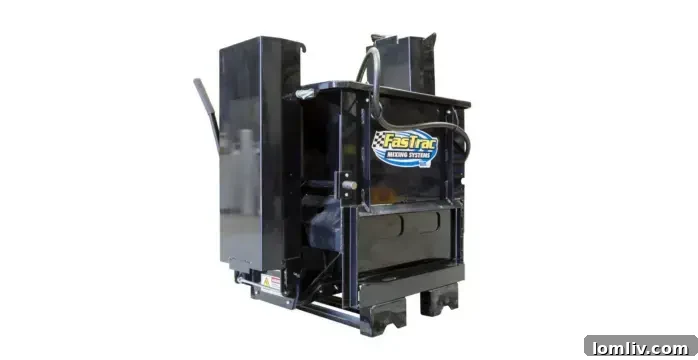
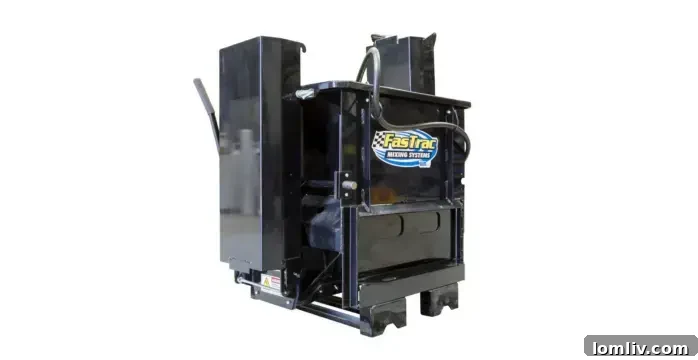
In today’s fast-paced and demanding industries, the need for efficient, flexible, and precise material mixing solutions is more critical than ever. From bustling construction zones and vast agricultural fields to challenging remote oil fields and vital infrastructure projects, mobile mixers have emerged as an indispensable asset. These advanced machines, as highlighted by experts at CGS Equipment, provide an incredibly efficient and adaptable solution for on-demand mixing and agitation of various materials directly at the point of use, revolutionizing productivity and material quality.
But what exactly defines a mobile concrete, slurry, or liquid mixer? How do these innovative systems stand apart from traditional, stationary mixing plants? And what are the myriad applications and profound advantages that position mobile mixers as such a vital tool across numerous major industries today? This comprehensive guide aims to address these questions, offering a deep dive into the world of mobile mixing technology. By the end of this overview, you will possess a thorough understanding of what makes mobile mixers a critical material production asset and why they have rapidly become a must-have equipment type for operations spanning from large-scale construction ventures to intricate fracking operations and beyond.
Understanding Mobile Concrete and Liquid Mixers: The Core Concept
Mobile mixers, often interchangeably referred to as volumetric mixers or transit mixers, represent a specialized category of material mixing machinery. Their defining characteristic is their integrated mobility, meaning the entire mixing unit is mounted on a towable trailer, a heavy-duty truck chassis, or a self-propelled motorized base. This ingenious design allows for active mixing and precise agitation of materials not only while stationary but crucially, also while in transit. This capability ensures that freshly mixed product can be efficiently delivered and dispensed directly to the exact point of application, exactly when it’s needed, thereby eliminating waste and maximizing material freshness.
Unlike conventional batch plants that produce a fixed volume of material to be transported, mobile mixers offer true volumetric mixing. This means they store unmixed raw ingredients (like cement, aggregates, water, and admixtures) separately and then mix them continuously or in precise batches on-site. This “mix-as-you-go” approach ensures the freshest possible material, superior quality control, and the ability to adjust mix designs on the fly to meet changing project specifications. This flexibility is a game-changer for projects requiring various mix types or quantities throughout the day.
Popular Mobile Mixer Mounting Configurations and Their Advantages
The versatility of mobile mixers is further amplified by their diverse mounting configurations, each designed to cater to specific operational needs and logistical challenges. These configurations dictate how the mixer is transported and integrated into a workflow, offering tailored solutions for different project scales and environments. Understanding these types is key to appreciating the adaptability of mobile mixing technology.
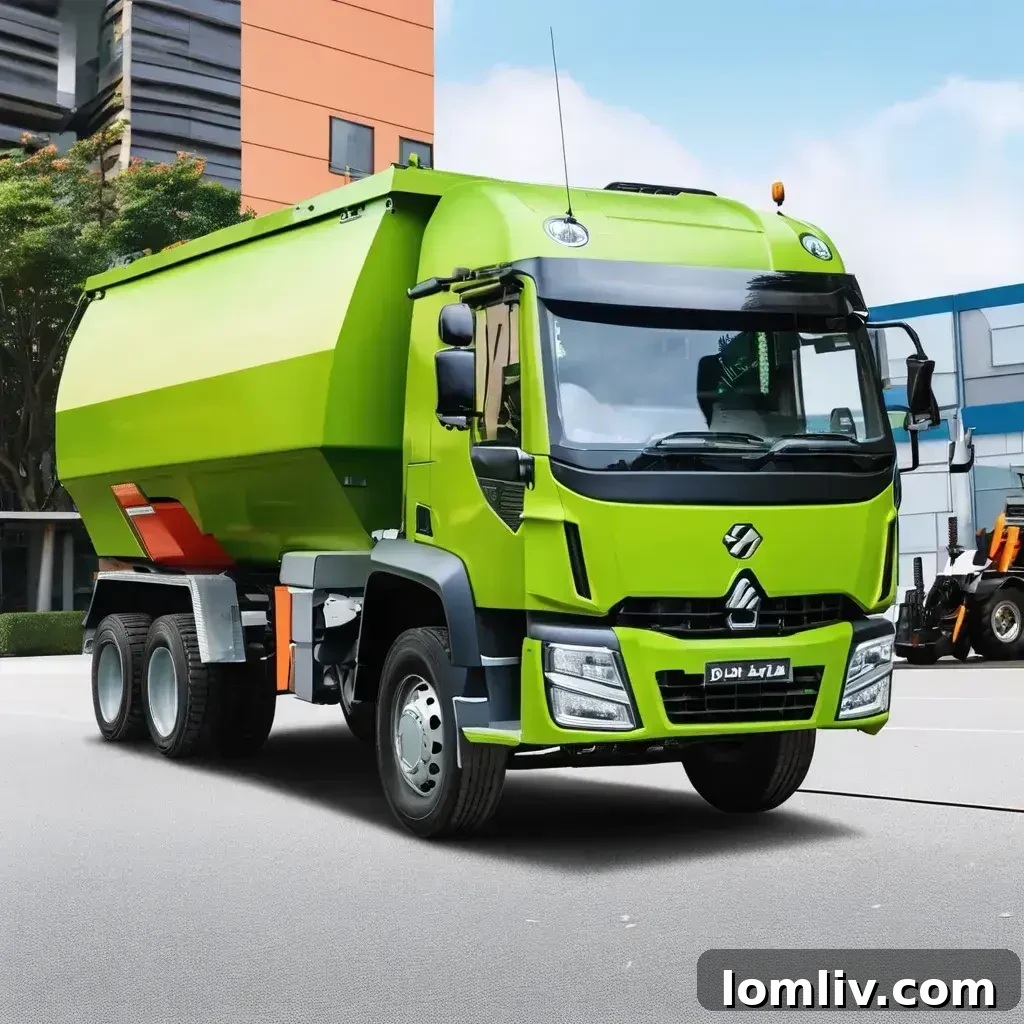
- Trailer-Mounted Mobile Mixers: In this setup, the mixing unit is securely installed on a towable trailer, designed to be hitched and pulled by light to medium-duty trucks or other suitable vehicles. This configuration offers exceptional flexibility and cost-effectiveness for smaller to medium-sized projects that require frequent relocation between sites. Trailer-mounted mixers are ideal for contractors who need to move their mixing capabilities across multiple job sites within a region, providing excellent mix mobility without the overhead of a dedicated truck. They are particularly favored for their ease of transport and ability to access tighter spaces.
- Truck-Mounted Mobile Mixers: For larger projects and those requiring substantial material delivery, the mixer is directly integrated into the body of a dump truck or a robust flatbed chassis. These powerful units are essentially self-contained mobile batch plants, offering superior capacity and stability. Truck-mounted mixers are excellent for delivering large volumes of freshly mixed concrete or other materials directly to extensive job sites, making them a staple in major infrastructure developments, road construction, and large commercial builds. Their robust nature allows for efficient operation in demanding environments.
- Self-Propelled Mobile Mixers: Representing the pinnacle of independent mobility, self-propelled units boast their own onboard engine that powers both the mixing mechanism and the mobility base. These machines are fully independent, capable of navigating challenging terrains and moving around large job sites without the need for a separate towing vehicle. Self-propelled mixers are highly valued for remote projects, expansive farms, or areas with difficult access where traditional transport methods are impractical. They offer unmatched autonomy and operational freedom, making them perfect for large-scale agricultural operations, extensive mining sites, or complex infrastructure projects spread across vast areas.
Regardless of the mounting configuration, all mobile mixers incorporate essential components such as aggregate bins, liquid tanks (for water systems and admixtures), precise weigh batching systems, efficient material chutes, and robust mixing drums or hoppers. The integration of all these critical elements onto a single mobile platform significantly streamlines the material production and delivery process, enhancing efficiency, reducing logistical complexities, and ensuring consistent material quality wherever work needs to be done.
Major Applications of Mobile Mixers Across Diverse Industries
The inherent value of mobile mixers lies in their unparalleled ability to deliver on-site, on-demand mixing capabilities. This crucial advantage makes them indispensable across a wide spectrum of heavy industries, each benefiting from the flexibility and precision these machines offer. Their adaptability ensures that specialized materials can be produced exactly to specification, precisely when and where they are required, minimizing waste and optimizing project timelines.
Construction and Paving: Building Foundations with Precision
In the construction and paving sectors, mobile mixers are revolutionizing how materials are prepared and applied, leading to higher quality outputs and reduced project durations.
- Portland Cement Concrete Mixing & Delivery: Mobile volumetric mixers deliver fresh, high-quality concrete batch by batch, eliminating issues like slump loss and premature setting common with traditional ready-mix trucks. This is critical for foundations, slabs, and structural elements where consistency is paramount.
- Mobile Asphalt Mixing & Production: Beyond concrete, specialized mobile units can produce asphalt mixtures on-site for patching, paving small areas, or emergency repairs, ensuring the material is hot and workable for optimal compaction and durability.
- Stabilized Soil, Aggregate, and Gravel Mixing: For road bases, sub-bases, and site preparation, mobile mixers are used to precisely blend aggregates with stabilizing agents like cement or lime, creating stronger, more durable foundations that resist erosion and settlement.
- Slurry Seal and Chip Seal Mixing: Essential for road maintenance and preservation, these mixers prepare slurry seal and chip seal mixtures directly on the roadway, allowing for immediate application and extending the lifespan of existing pavements with minimal traffic disruption.
Farming and Agriculture: Cultivating Efficiency in the Field
The agricultural industry leverages mobile mixers to enhance productivity, improve livestock health, and optimize crop yields through precise material preparation and application.
- Livestock and Poultry Feed Mixing & Delivery: Farmers use mobile mixers to create customized feed blends directly on the farm, ensuring fresh, nutrient-rich rations for different animal groups, which improves health and growth rates while reducing spoilage.
- Silage Additives and Inoculant Mixing: For preserving silage, mobile mixers accurately blend inoculants and additives, ensuring even distribution throughout the forage. This enhances fermentation quality, preserves nutrients, and prevents spoilage, crucial for animal nutrition.
- Liquid Fertilizer Suspension and Dilution: Mobile units enable the precise dilution and suspension of concentrated liquid fertilizers, ensuring uniform application across fields. This optimized nutrient delivery improves crop absorption, leading to healthier plants and higher yields while minimizing environmental impact.
- Pesticide Mixing & Field Application: To protect crops, mobile mixers accurately prepare pesticide solutions on-site, allowing for immediate application. This ensures correct concentrations, reduces exposure during transport, and allows for targeted treatments based on real-time field conditions.
Drilling and Fracking Operations: Precision in Remote Environments
In the demanding and often remote world of drilling and fracking, mobile mixers are vital for preparing highly specialized fluids and slurries, ensuring operational safety and efficiency.
- On-Site Drilling Mud/Fluid Mixing: Drilling operations require specific mud formulations to stabilize boreholes and lubricate drill bits. Mobile mixers prepare these complex drilling fluids on demand, adapting to geological changes and ensuring optimal drilling performance.
- Fracking Slurry Additive Blending: Hydraulic fracturing demands precise blending of proppants and chemical additives into the fracking fluid. Mobile mixers facilitate this critical process on-site, allowing for immediate adjustments to slurry compositions based on reservoir conditions.
- Production Chemical Dilution and Suspension: Various chemicals are used in oil and gas production to enhance recovery or treat produced fluids. Mobile mixers dilute and suspend these chemicals accurately, ensuring their effectiveness and safe handling in the field.
- Acidization Fluid Mixing: In certain well stimulation techniques, acid solutions are used. Mobile mixers safely and precisely prepare these corrosive fluids on location, ensuring correct concentration and minimizing exposure risks during preparation and injection.
Municipal and Government Agencies: Maintaining Public Infrastructure
Municipalities and government bodies rely on mobile mixers to maintain critical public infrastructure and respond effectively to community needs, from road repairs to public health initiatives.
- Road Resurfacing and Pothole Material Mixing: Mobile asphalt and concrete mixers provide on-demand materials for quick and durable road repairs, allowing crews to fix potholes and resurface small sections efficiently, reducing traffic disruptions and improving road safety.
- Sewer Grout and Manhole Rehab Mixing: For infrastructure repair, mobile mixers prepare specialized grout mixtures for sealing sewer lines and rehabilitating manholes. This ensures structural integrity, prevents infiltration, and extends the life of underground systems.
- Water Tank & Pond Algaecide/Herbicide Dilution and Application: In public water management, mobile mixers precisely dilute and apply algaecides or herbicides to water tanks and ponds, controlling aquatic vegetation and maintaining water quality for public use.
- De-icing Liquid Mixing & Road Surface Pre-treatment: During winter months, mobile mixers are used to prepare de-icing solutions for road pre-treatment, ensuring accurate blends of salts and chemicals for effective ice prevention and removal, enhancing safety on public roadways.
Disaster Response and Humanitarian Aid: Rapid Solutions in Crisis
In times of crisis, rapid deployment and versatility are paramount. Mobile mixers prove invaluable for humanitarian efforts and disaster relief, providing essential materials for recovery and sanitation.
- Cement and Concrete Mixing for Shelters and Infrastructure: Following disasters, mobile mixers quickly produce concrete for temporary shelters, emergency repairs to critical infrastructure, and rapid reconstruction efforts, speeding up recovery and providing essential stability.
- Sanitation and Hygiene Chemical Dilution and Application: In affected areas, mobile units are used to dilute and apply disinfectants and sanitizing agents for public health, helping to prevent the spread of disease and maintain hygiene in challenging conditions.
- Water Purification Mixing and Dosing: Access to clean water is vital after a disaster. Mobile mixers play a crucial role in mixing and accurately dosing water purification chemicals, ensuring safe drinking water for affected populations.
Evidently, mobile mixers have cemented their status as indispensable tools for material production and field mixing across an array of heavy industries. Their ability to offer on-site flexibility, precision, and responsiveness makes them a cornerstone of modern operational efficiency, ensuring projects can proceed with the highest quality materials, regardless of location or complexity.
Key Benefits of Mobile Mixers Over Stationary Plants
While stationary mixing plants have their place, mobile mixers offer a compelling suite of advantages that address many of the logistical and operational challenges faced by modern projects. These benefits translate directly into significant cost savings, improved material quality, and enhanced project flexibility, making them a superior choice for numerous applications.
- On-Demand Mixed Production Anywhere: The paramount benefit of mobile mixers is their capacity to produce customized batches of material only as needed, at the precise point of use or application. This eliminates the delays associated with external material deliveries and ensures that the material is always fresh, perfectly mixed, and ready for immediate use. This dynamic capability prevents premature setting or material degradation that can occur during transport from a centralized plant.
- No Wait Time for Material Delivery: By producing mixed product directly on-site, mobile mixers drastically reduce or eliminate waiting times that are typical with material delivery from stationary plants. This direct production model keeps projects on schedule, minimizes idle labor and equipment time, and significantly boosts overall site productivity.
- Continued Agitation During Transport: For certain materials like concrete or slurry, maintaining optimal consistency during transport is crucial. Mobile mixers ensure that materials remain optimally mixed and suspended while in transit to the job site. This continuous agitation prevents separation, settling, or premature curing, guaranteeing that the product arriving at the point of application is in perfect condition.
- Smaller, Precise Batch Sizes If Needed: Mobile mixers empower operators to mix exactly the amount of material required for a specific task, no more, no less. This precise batching capability prevents costly overproduction and significantly reduces material waste, leading to substantial cost savings and a more sustainable approach to resource management.
- Rapid Relocation Between Sites: The inherent mobility of these mixers allows for quick and easy mobilization across different job sites or regions as project needs shift. This agility is a massive advantage for contractors working on multiple smaller projects or for emergency response scenarios where rapid deployment is critical.
- Job Site and Route Flexibility: Mobile mixers provide mixing capabilities even for the most remote work zones, sites with difficult access, or projects that are far removed from traditional stationary plants. This flexibility opens up opportunities for projects that would otherwise be logistically challenging or cost-prohibitive.
- Superior Quality Control and Consistency: With volumetric mixing, operators have direct control over the proportioning of raw materials. This real-time adjustment capability ensures higher quality control, allowing for immediate modifications to mix designs to account for environmental factors or changing material requirements, leading to more consistent and reliable end products.
- Lower Operating Costs and Environmental Impact: By producing just what is needed on-site, less reliance on large, centralized stationary plants is required, which can reduce overheads associated with plant maintenance and staffing. Furthermore, reduced transportation of finished mixes means lower fuel consumption and emissions, contributing to a smaller environmental footprint.
By synergistically combining robust mixing capabilities with turnkey mobility in a single, integrated platform, mobile mixers genuinely offer contractors, municipalities, and remote operators the ultimate solution. They provide precision material production paired with incredible service flexibility, addressing the complex demands of modern industrial operations with efficiency and effectiveness.
Conclusion: The Unstoppable Rise of Mobile Mixing Technology
Mobile mixers have undeniably transformed the landscape of material preparation and delivery across a multitude of heavy industries. Their ability to provide specialty mixed materials precisely when and where they are needed, regardless of how remote or intricate the job site, marks a significant leap forward in operational efficiency. The impressive array of benefits – including substantial time savings, enhanced flexibility, unparalleled efficiency, superior quality control, and remarkable versatility – compellingly explains the tremendous and steadily growing demand for mobile mixers across nearly every sector imaginable.
As industries continue to evolve, facing new challenges related to resource management, environmental sustainability, and logistical complexities, the role of mobile mixing technology will only become more pronounced. These innovative machines are not merely pieces of equipment; they are strategic assets that empower businesses and organizations to achieve higher levels of productivity, reduce costs, and deliver superior results, cementing their status as a cornerstone of modern industrial operations.