The national conversation around urban planning and housing affordability is more intense than ever, particularly concerning the contentious issue of single-family zoning. While some cities, like Dallas, navigate these waters cautiously, grappling with potential changes to their long-standing land-use policies, one major U.S. municipality took a bold leap years ago. Minneapolis, Minnesota, made headlines for being the first city to effectively abolish single-family zoning, allowing for denser housing options like duplexes and triplexes on most residential blocks. As Dallas city leaders and housing advocates consider similar, albeit more incremental, reforms, examining Minneapolis’s pioneering efforts offers invaluable lessons and insights into the complexities and real-world outcomes of such significant policy shifts.
It’s crucial to clarify upfront: neither Dallas’s interim planning and urban design director nor District 1 Councilman Chad West is proposing a citywide abolition of single-family zoning. However, the ongoing discourse within Dallas, particularly in light of initiatives like the minimum lot size reduction debate, draws parallels to the broader movement towards greater housing flexibility seen in cities like Minneapolis. Understanding how Minneapolis implemented its transformative “Minneapolis 2040 Plan” and what effects it has had provides a critical framework for Dallas’s own urban development strategies.
The Minneapolis Experiment: A Groundbreaking Approach to Housing Reform
In 2018, Minneapolis unveiled its ambitious Minneapolis 2040 Plan, a comprehensive land-use document that positioned the city at the forefront of housing reform in the United States. Fully implemented in 2020, the plan made Minneapolis the first in the nation to effectively end single-family zoning. This monumental change allowed for the construction of duplexes and triplexes on lots previously reserved exclusively for single-family homes, aiming to address critical issues of housing affordability, equity, and environmental sustainability.
Beyond the headline-grabbing elimination of single-family zoning, the Minneapolis 2040 Plan encompassed a suite of progressive provisions designed to foster denser, more accessible housing. These included significant reforms such as abolishing parking requirements for new developments and strategically upzoning transit corridors to encourage mixed-use and transit-oriented development. These measures collectively sought to reduce reliance on private vehicles, promote walkability, and create more vibrant, equitable neighborhoods across the city.

The reverberations of Minneapolis’s decision were felt globally, sparking intense debates among urban planners, policymakers, and community groups. As detailed in “A Detailed Look at the Outcomes of Minneapolis’ Housing Reforms — One Final Effort,” the reforms generated a spectrum of reactions. On one side, “Not In My Backyard” (NIMBY) groups and certain environmental organizations voiced concerns over the potential “death of suburbia” and changes to neighborhood character. On the other, “Yes In My Backyard” (YIMBY) advocates quickly pointed to the reforms as a direct path to increased housing supply and affordability, urging other cities to follow suit. This polarization mirrors the discussions currently unfolding in Dallas and other rapidly growing urban centers.
Outcomes and Interpretations: Was Minneapolis’s Reform a Revolution?
The bold policy change in Minneapolis garnered national attention, with many hailing it as a progressive blueprint for other cities. Organizations like Neighbors for More Neighbors were instrumental in advocating for the reforms, aiming to legalize “gentle density” across residential areas. However, as Governing.com reported in May 2022, the immediate impact on the production of new multifamily units was, in some respects, less dramatic than the headlines suggested.
Governing.com journalist Jake Blumgart noted that while there was an increase in permitted duplexes, triplexes, and fourplexes (from 13 in 2015 to 53 in 2021, with 2022 projected higher), these numbers were “not the stuff of revolutions.” He argued that while positive, the increase alone was insufficient to fully address the larger housing supply crunch. This perspective highlights a crucial point: policy changes, even groundbreaking ones, operate within a complex ecosystem of economic factors, construction costs, and market demand, which can temper immediate quantitative outcomes.
Reason Magazine offered a more nuanced view in its 2022 article, “Eliminating Single-Family Zoning Isn’t the Reason Minneapolis Is a YIMBY Success Story.” The article posited that while Minneapolis has indeed seen an increase in housing production and a stabilization, or even slight fall, in rents, the direct impact of allowing citywide triplexes and duplexes has been “exceedingly modest.” Instead, other, less celebrated reforms seem to be doing the heavy lifting in boosting housing supply and improving affordability. This suggests that a multifaceted approach, rather than a single “silver bullet,” is essential for comprehensive housing solutions.

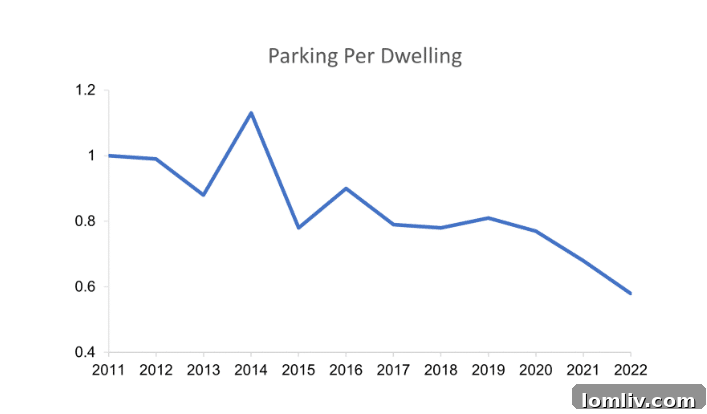
According to Reason’s Christian Britschgi, these critical “other reforms” included a comprehensive rewriting of the city’s zoning code and a reevaluation of city policies ranging from stormwater management to employment regulations. Crucially, parking reform emerged as another significant catalyst. The elimination of minimum parking requirements in Minneapolis led to a noticeable surge in development, with the Minneapolis Planning Commission approving 19 new projects in a relatively short timeframe following the policy change. This underscores how seemingly minor regulatory adjustments can have substantial impacts on development feasibility and housing supply.
It’s also important to consider the demographic and urban scale differences. Minneapolis, with approximately 425,336 residents in the 2021 Census, is a significantly different urban environment compared to Dallas, the ninth-largest city in the U.S., which is home to approaching 1.3 million people. What works effectively in one city might not be directly transferable to another without careful adaptation, particularly when comparing cities with vastly different population densities, growth rates, and existing infrastructure. The examples of Austin and Houston further illustrate this; Houston, famously without traditional zoning, relies on ordinance codes to govern development, demonstrating that a one-size-fits-all approach to urban planning is rarely effective.
Dallas’s Path Forward: Navigating Housing Policy with Caution and Ambition
Dallas, a booming metropolis, faces its own unique set of housing challenges, including escalating costs, a shortage of diverse housing options, and a growing affordability crisis. City leaders and housing advocates have frequently looked to other innovative cities, such as Austin, for inspiration in taking bold steps towards providing more housing solutions. However, the path to reform in Dallas is proving to be a complex and often contentious one, met with strong community feedback and varying opinions among city council members.
The concept of introducing “gentle density”—allowing duplexes, triplexes, and fourplexes—into long-established Dallas neighborhoods, for example, has been met with considerable resistance. A December 11 meeting of the council’s Housing and Homelessness Solutions Committee highlighted these tensions, where the discussion on minimum lot size reduction sparked a loud and clear message from concerned residents and council members alike.
The debate was ignited by a memorandum authored by District 1 Councilman Chad West, proposing an open discussion on reviewing Dallas’s outdated 1950s- and 1960s-era single-family lot sizes. In a December 13 email to his colleagues, West emphasized that his memo, co-signed by four other council members, merely sought to “OPEN the DISCUSSION” on how allowing gentle density might impact neighborhoods, both positively and negatively. Despite this clarification, some council members at the meeting vehemently accused staff of proposing the complete demise of single-family neighborhoods, showcasing the deeply ingrained sensitivities around these issues.
The prevailing sentiment among a majority of the Dallas City Council and its residents appears to be an opposition to citywide, sweeping changes to single-family zoning. However, there may be an openness to addressing higher density and minimum lot size reduction in specific contexts, such as undeveloped areas or parts of the city where multifamily housing options are currently lacking. This more targeted approach reflects a desire to enhance housing diversity and affordability without disrupting the character of existing communities.
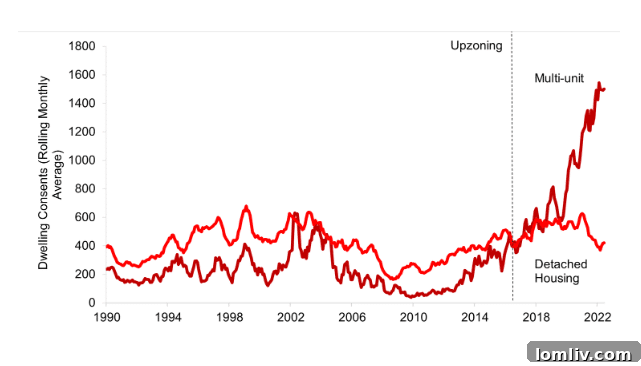
Indeed, global evidence supports the idea that intelligent zoning reform can significantly increase housing supply and, consequently, lower rents. As the Minneapolis “One Final Effort” article points out, cities like Auckland have garnered international attention for their successful upzoning initiatives. Similarly, California’s Builder’s Remedy, though its impacts are still unfolding, is poised to generate a substantial intake of new dwellings. These examples provide a compelling argument for Dallas to explore nuanced zoning reforms as a critical tool in its housing strategy, moving beyond the binary debate of preserving versus abolishing single-family zoning.
Dallas Takes One Bite at a Time: Addressing the Affordable Housing Crisis
As Dallasites look ahead, a full calendar of meetings and discussions is anticipated, all aimed at comprehensively tackling the city’s affordable housing crisis. The sheer scale of this challenge often evokes the analogy used by former Housing and Neighborhood Revitalization Director David Noguera: addressing a massive issue is like eating an elephant, “one bite at a time.” This incremental approach underscores the complexity and multi-faceted nature of urban housing policy, requiring patience, persistence, and a willingness to explore diverse solutions.
Some initial “low-hanging fruit” for Dallas could involve streamlining and reforming federal housing programs, which developers frequently describe as overly costly and restrictive. Assistant City Manager Majed Al-Ghafry introduced a memorandum outlining potential solutions, which the council is expected to deliberate on in the coming weeks. Furthermore, a plan is already in motion to streamline existing home repair and financial assistance programs, offering immediate relief to residents struggling with housing stability.
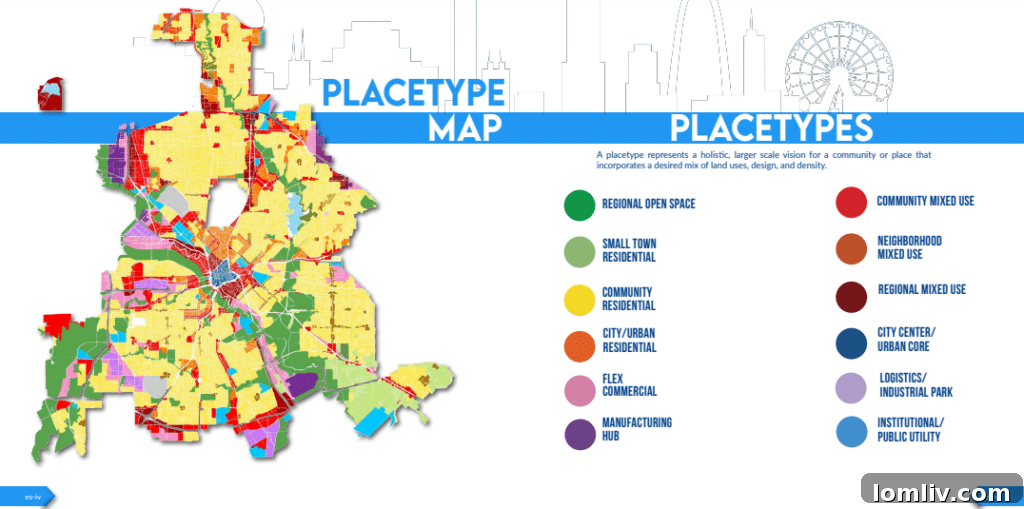
The more profound, structural issues, such as parking reform and minimum lot size reduction, are poised to be central topics as the ForwardDallas comprehensive land use plan update moves into its final review stages this year. These discussions are critical for shaping the city’s future growth and ensuring that Dallas can accommodate its expanding population with diverse, affordable, and sustainable housing options. The ForwardDallas plan is scheduled for a pivotal presentation before the City Council in June, marking a crucial moment for the city’s long-term urban development strategy.
In conclusion, while Minneapolis’s bold experiment offers a singular case study in urban housing reform, its lessons resonate deeply with cities like Dallas. The experience underscores that while sweeping policy changes can capture headlines, sustainable and effective housing solutions often stem from a combination of significant zoning reforms, targeted regulatory adjustments, and a nuanced understanding of local market dynamics. Dallas’s commitment to a phased, deliberative approach—taking “one bite at a time”—may ultimately be its most effective strategy for building a more inclusive, affordable, and vibrant urban future.