
Unlocking Financial Freedom: A Veteran’s Guide to Multi-Unit Property Ownership and Investment
The transition from military service to civilian life often presents a unique set of challenges, a new landscape to navigate for our nation’s veterans. While the call to duty may have ended, a new mission begins: building a stable and prosperous future. For many, this journey involves securing a place to call home, but for those with an entrepreneurial spirit and a vision for long-term financial independence, the path leads beyond a single-family residence. Purchasing a multi-unit property stands out as a powerful strategy, offering not just a home but a springboard to wealth creation and passive income. What often comes as a surprise to many veterans is that this significant step towards financial empowerment can often be taken with little to no money down, thanks to unique benefits tailored for their service.

Owning a multi-unit property transcends the traditional concept of homeownership. It’s an astute financial move that allows veterans to establish a consistent passive income stream, effectively taking charge of their financial destiny. By converting a residential necessity into a revenue-generating asset, veterans can accelerate their journey towards wealth building and enjoy a level of financial security that might otherwise take decades to achieve. The advantages for veterans are often superior to those available to the general public, primarily due to the exceptional support offered through the U.S. Department of Veterans Affairs.
Consider the compelling success stories, such as an individual who strategically purchased a duplex, resided in one unit, and over several years witnessed the property’s value quadruple. This isn’t just a lucky break; it’s a testament to the power of smart real estate investment and the strategic use of available financing tools. For veterans, this kind of opportunity is not just possible, but often more accessible.
The VA Loan Advantage: Beyond the Single-Family Dream
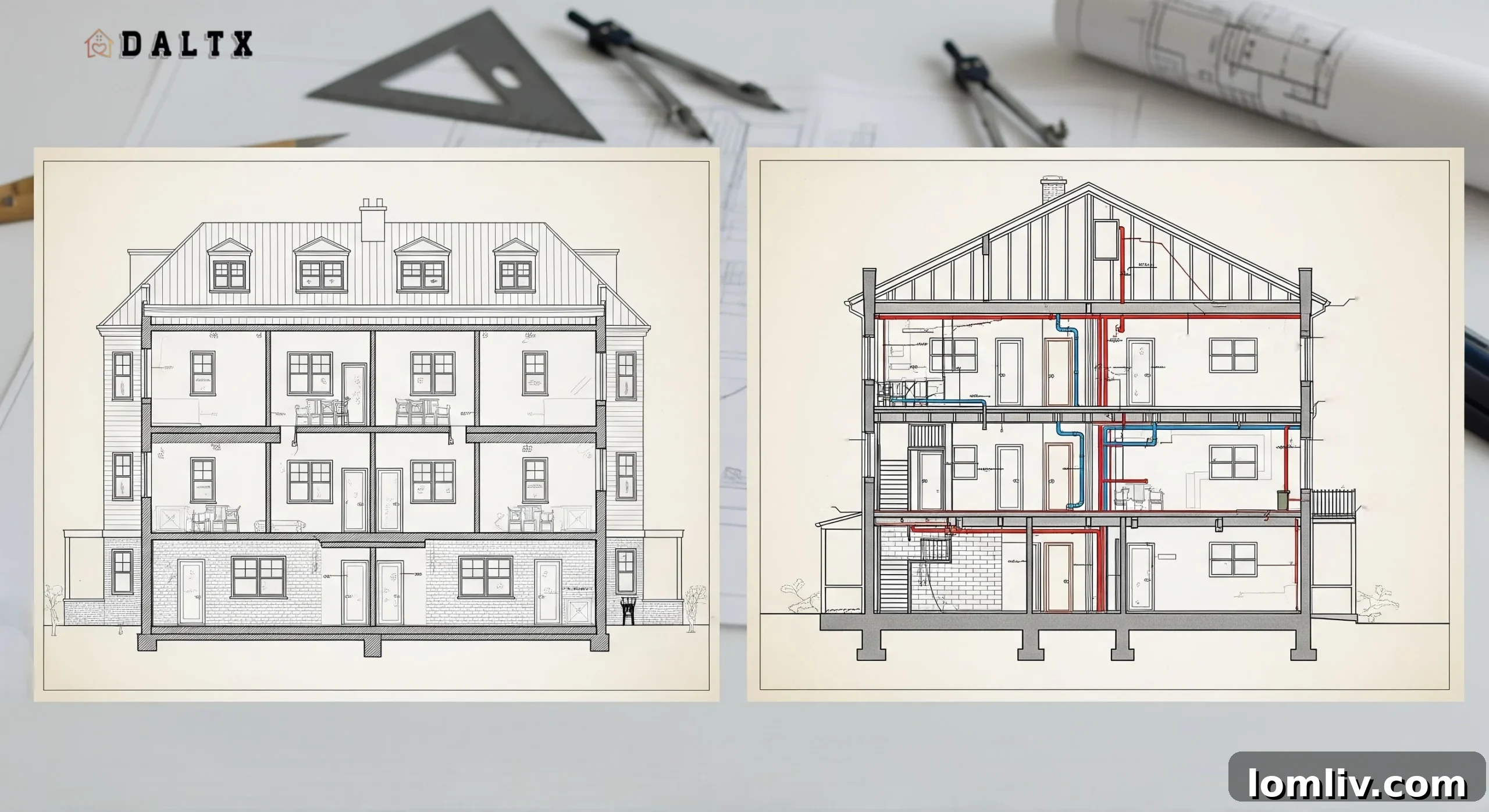
The VA loan, a cornerstone benefit provided by the U.S. Department of Veterans Affairs, is arguably one of the most powerful financial instruments available to eligible service members, veterans, and certain surviving spouses. Its most celebrated feature is the ability to purchase a home with a zero-down payment, eliminating one of the biggest hurdles for first-time homebuyers. Furthermore, VA loans famously do not require private mortgage insurance (PMI), a costly monthly fee typically imposed on conventional loans when a borrower puts down less than 20%. This alone can save veterans hundreds of dollars each month, freeing up cash flow for other important financial goals or property improvements.
However, a crucial aspect of the VA loan that is frequently overlooked is its versatility. Many believe VA loans are exclusively for single-family homes, limiting their perceived utility. This common misconception prevents many veterans from realizing the full potential of this incredible benefit.
In reality, VA loans can be utilized to purchase properties containing up to four residential units, provided the veteran intends to occupy one of the units as their primary residence. This game-changing allowance opens the door to acquiring a duplex, triplex, or even a fourplex without the burden of a substantial down payment. Imagine the implications: a veteran could purchase a fourplex, live comfortably in one unit, and rent out the remaining three. The income generated from these rental units has the potential to cover a significant portion, if not all, of the monthly mortgage payment, property taxes, and insurance. In many cases, it can even provide additional cash flow, directly contributing to the veteran’s personal income.
This strategy is widely known in real estate circles as “house hacking.” It’s an ingenious way to enter the investment property market, build equity, and gain valuable landlord experience while living affordably. For veterans, the VA loan makes this sophisticated real estate investing strategy uniquely accessible, bypassing the need to accumulate tens of thousands of dollars in savings for a down payment – a barrier that often delays or entirely prevents individuals from entering the real estate market.
Eligibility and Key Requirements for VA Multi-Unit Loans
While the VA loan offers incredible flexibility, certain criteria must be met to leverage it for multi-unit properties:
- Primary Residence: The veteran must occupy one of the units as their primary residence. This typically means residing there for at least one year.
- Creditworthiness: While VA loans don’t have a minimum credit score requirement set by the VA itself, most lenders will have their own minimums, usually in the mid-600s.
- Income and Employment: Lenders will verify stable income and employment to ensure the veteran can afford the mortgage payments, even if rental income contributes to qualification.
- Certificate of Eligibility (COE): Veterans must obtain a COE from the VA to prove their eligibility based on service history.
Requirements and Realities: Navigating the Purchase Process
Despite the generous terms of the VA loan, there are still crucial rules and requirements that govern its use for multi-unit properties. Foremost among these is the primary residence stipulation: the property must serve as your primary home, meaning you commit to living in one of the units for a minimum period, typically one year. This ensures the loan is used for its intended purpose of providing homeownership to veterans, even when that home comes with an investment component.
Additionally, the property must pass a thorough VA appraisal. This isn’t just about determining market value; the VA appraiser evaluates the property for safety, structural soundness, livability, and resale value. This comprehensive assessment protects veterans from purchasing properties that might pose significant immediate costs or long-term challenges, ensuring they acquire a sound investment.
Another critical consideration for any mortgage application is the debt-to-income ratio (DTI). This metric compares your total monthly debt payments to your gross monthly income. While the VA is generally more flexible than conventional lenders in its DTI guidelines, a veteran’s DTI still needs to be within acceptable limits to ensure they can comfortably manage the mortgage alongside other financial obligations. Understanding and managing your DTI is a key step in preparing for any home purchase.

Here’s where the multi-unit aspect truly shines: if you’re purchasing a multi-unit property and can demonstrate its potential to generate rental income, that projected income can be a significant advantage in qualifying for the loan. VA guidelines typically allow a portion of the projected rental income from the other units to be counted towards your total qualifying income. This means the property itself helps you qualify for a larger loan amount than you might otherwise be eligible for based solely on your personal income, making more substantial investment properties attainable. This unique allowance provides veterans with a strong foundation for entering the world of real estate investing, enabling them to live affordably or even generate positive cash flow, all while building substantial equity in a valuable asset.
Already Own a Home? Discovering Another Path to Investment
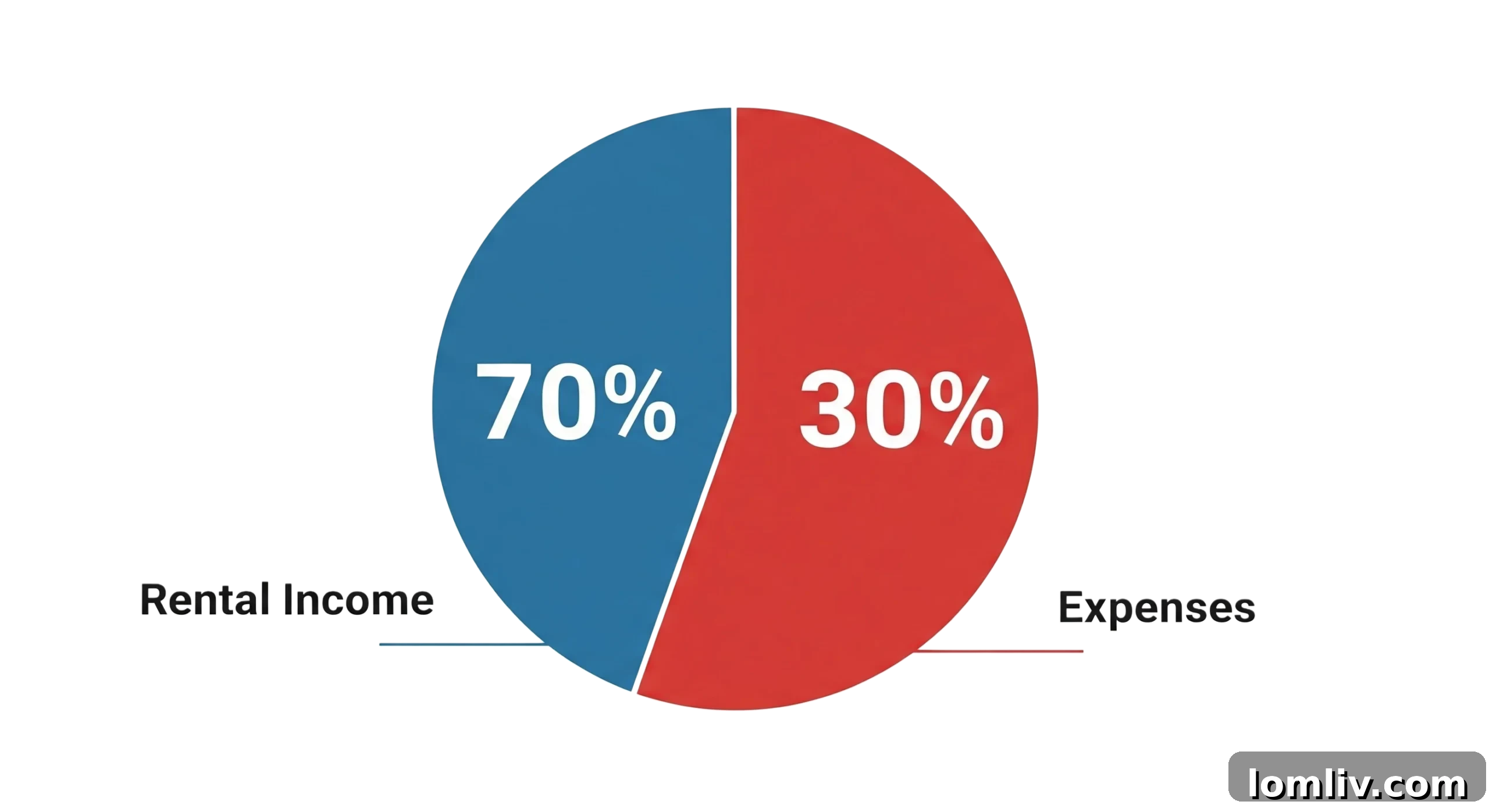
What about veterans who have already utilized their VA loan benefit for a primary residence or simply wish to expand their real estate holdings beyond their current home? For these individuals, or indeed anyone looking to strategically grow their real estate portfolio, alternative financing options come into play. One of the most relevant and increasingly popular tools for investors is the Debt Service Coverage Ratio (DSCR) loan.
Unlike conventional mortgages that heavily scrutinize personal income documentation such as tax returns, pay stubs, and extensive employment history, a DSCR loan shifts its focus primarily to the income-generating potential of the investment property itself. The core principle is simple: if the projected rental income from the property adequately covers the monthly mortgage payment, taxes, and insurance (typically requiring a DSCR of 1.0 or higher, meaning the income meets or exceeds the debt service), then you’re often “in business.” This revolutionary approach can simplify the loan qualification process, especially for borrowers without traditional W-2 income streams.
For veterans who have retired, are self-employed, or primarily rely on pension income, the DSCR loan can be an absolute game-changer. It bypasses many of the stringent income verification requirements of conventional lending, making it significantly easier to acquire additional single-family rentals or multi-family properties. This flexibility allows veterans to continue building their wealth and expand their rental portfolio without the cumbersome paperwork and qualification hurdles often associated with traditional investment property loans. It empowers them to leverage their financial acumen and the income potential of real estate directly.
How DSCR Loans Work for Veterans
A DSCR loan essentially treats the property as its own business unit. Lenders assess the property’s cash flow to determine its ability to “service” the debt. A DSCR of 1.25, for example, means the property generates 25% more income than its monthly debt obligations, indicating a healthy investment. This metric-driven approach offers distinct advantages:
- Streamlined Qualification: Less focus on personal income, more on property performance.
- Portfolio Expansion: Easier to acquire multiple properties, as personal DTI isn’t as restrictive.
- Flexible for Non-Traditional Income: Ideal for self-employed veterans, those with retirement income, or diverse revenue streams.
- Faster Closings: Often fewer documents mean a quicker approval and closing process.
Building Wealth with a Mission: Financial Freedom After Service
For many veterans, the desire extends beyond mere security; there’s an inherent drive to thrive and continue serving a purpose, even in civilian life. This often translates into a pursuit of financial freedom – the ability to make life choices without being constrained by financial pressures. Real estate has long been recognized as one of the most reliable and proven vehicles for building long-term wealth, and veterans are uniquely positioned to take advantage of this, thanks to the invaluable head start provided by the VA loan and the strategic use of other investor-friendly financing like DSCR loans.

Envision a powerful scenario: A veteran acquires a four-unit property using their VA loan with no down payment. They settle into one apartment, rent out the other three, and immediately begin generating passive income. Over just a few years, they build significant equity in the property, potentially using the rental income to fund property improvements or even save for another investment. The initial “house hacking” strategy, made possible by the VA loan, becomes the foundation for a burgeoning real estate portfolio. As their financial journey progresses, that same veteran can leverage their equity and the cash flow from their first property to transition into DSCR loans or other investor-friendly financing options, moving beyond simply living in the property to owning a diverse portfolio of income-generating real estate over time. This systematic approach allows for compounding wealth and sustained financial growth.
Key Pillars of Real Estate Wealth for Veterans:
- Equity Growth: As tenants pay down the mortgage and property values appreciate, the veteran’s equity in the property grows.
- Passive Income: Rental income provides a consistent cash flow, supplementing retirement, offsetting living costs, or funding further investments.
- Tax Advantages: Real estate offers various tax benefits, including deductions for mortgage interest, property taxes, depreciation, and operating expenses.
- Inflation Hedge: Real estate tends to be a strong hedge against inflation, as property values and rents generally increase over time.
- Diversification: Adding real estate to an investment portfolio diversifies assets and reduces reliance on volatile stock markets.
Essential Considerations for Aspiring Veteran Real Estate Investors
While the path to real estate success for veterans is broad and accessible, it’s crucial to approach it with careful planning and due diligence. Here are several key points to keep in mind:
- Thorough Market Research is Paramount: Before committing to any property, conduct extensive research on the local rental market. Understand average rental rates, vacancy rates, tenant demand, and future development plans in the area. Not all multi-unit properties are created equal, and a smart investment starts with a deep understanding of its market potential.
- Partner with Experienced Professionals: Your success hinges significantly on the team you build. Seek out lenders and real estate agents who possess deep expertise in VA loans, DSCR loans, and investment properties. An experienced professional can guide you through the complexities, identify suitable opportunities, and ensure a smooth transaction. Their knowledge of specific veteran benefits and investor strategies can be invaluable.
- Factor in Maintenance and Vacancies: Real estate investment comes with responsibilities. Even with multiple units generating income, it’s imperative to budget for unexpected repairs, routine maintenance, and potential periods of vacancy between tenants. A contingency fund is essential to absorb these costs without disrupting your financial stability. Overestimate expenses rather than underestimate them.
- Get Pre-Approved Early: Taking the proactive step to get pre-approved for a loan provides a clear understanding of your borrowing power. It clarifies what types of properties and price ranges are realistic for your current financial situation, allowing you to focus your search effectively and act quickly when the right opportunity arises. Pre-approval also signals to sellers that you are a serious and qualified buyer.
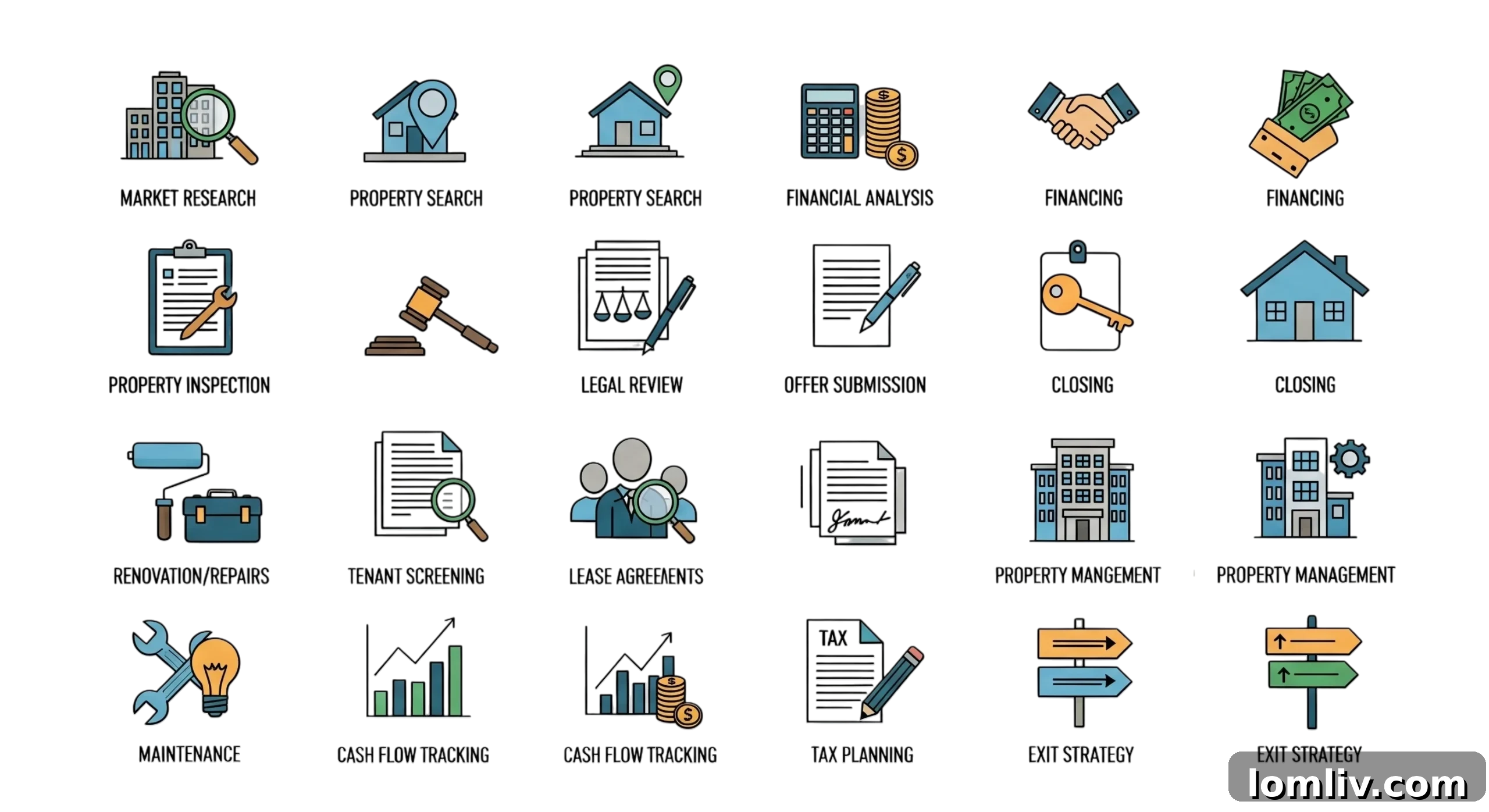
The Path to Prosperity: A Well-Deserved Future
Our veterans have dedicated so much through their service, often making immense sacrifices. It is only fitting that they have robust access to tools and opportunities that empower them to build stable, prosperous futures upon their return to civilian life. Whether it’s leveraging the zero-down payment power of a VA loan to purchase a fourplex and embark on a “house hacking” journey, or utilizing the income-driven advantages of a DSCR loan to expand an existing rental portfolio, the pathway to real estate success is wide open and incredibly promising for those who served.
The crucial first step is recognizing that these powerful opportunities exist and then taking decisive action to explore them. With the right strategy, coupled with the support of knowledgeable professionals, real estate can transform from a distant dream for many veterans into a tangible reality – one that consistently pays dividends and provides a foundation for financial security and wealth for decades to come. Embrace the mission of financial freedom; your service has earned you this advantage.