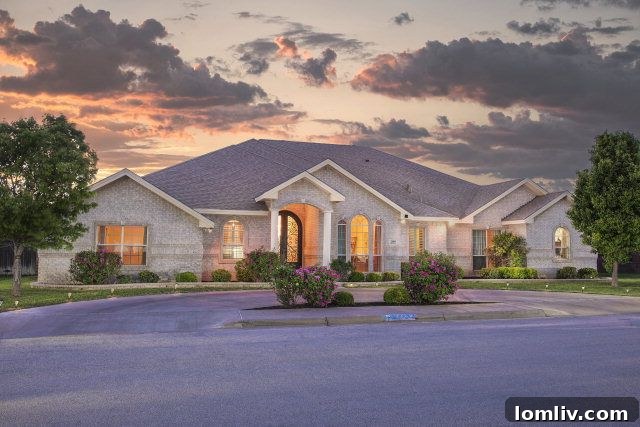
Midland-Odessa Real Estate: A Deep Dive into West Texas’s Booming Market
Unpacking the factors that drive one of the nation’s most dynamic housing landscapes.
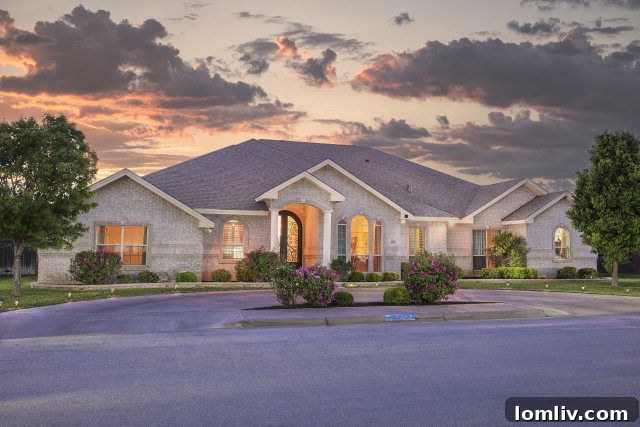
In the heart of West Texas, the cities of Midland and Odessa have long been recognized for their significant role in the nation’s energy sector. Beyond the oil fields, however, lies a real estate market that has consistently defied expectations, often ranking among the top performers nationwide. While temperatures in this region can certainly be described as “hot, hot, hot,” the same enthusiasm has frequently been applied to its thriving property market. This article explores the unique characteristics and powerful economic drivers that have shaped Midland-Odessa into a real estate powerhouse, examining both its historical peaks and the enduring lessons for investors and residents alike.
A Snapshot of Success: Midland’s National Recognition
The vibrancy of the Midland-Odessa real estate market isn’t merely anecdotal; it’s backed by authoritative reports and trends. For instance, reputable sources like Realtor.com have historically spotlighted Midland as a standout performer. In a notable report from August 2015, Midland was listed as the No. 8 hottest housing market in the entire country. This recognition was not an isolated incident but rather a testament to a sustained period of robust growth and high demand that characterized the West Texas housing landscape. Such accolades underscore the powerful economic forces at play, which consistently propel property values and rental rates upward in this unique dual-city region.
The allure of Midland-Odessa extends beyond simple rankings. It represents a fascinating case study in how specific economic drivers can create a dynamic and often challenging real estate environment. Understanding the underlying mechanisms behind this growth is crucial for anyone looking to invest, relocate, or simply grasp the intricacies of a truly exceptional housing market.
The Engine of Growth: Oil and Gas Industry’s Dominance
At the core of Midland-Odessa’s prosperity, and subsequently its real estate boom, is the undeniable influence of the Permian Basin’s oil and gas industry. This vast geological formation is one of the most prolific petroleum-producing regions in the world, and Midland-Odessa serves as its operational, logistical, and financial hub. When oil prices are high and production is robust, the ripple effects throughout the local economy are profound:
- Job Creation: The energy sector directly creates thousands of high-paying jobs, from engineers and geologists to rig workers and field technicians. This influx of employment opportunities attracts a significant workforce from across the state and nation.
- Population Growth: As job seekers migrate to the region, the population steadily increases, putting immense pressure on existing housing stock. This rapid demographic expansion is a primary driver of demand.
- Increased Economic Activity: Beyond direct energy jobs, the boom fuels supporting industries such as logistics, manufacturing, finance, and professional services. This diversified economic activity creates a robust local economy with strong consumer spending power.
- Higher Wages and Disposable Income: The high-paying nature of many energy-related jobs means residents often have more disposable income, which translates into a willingness to pay higher prices for housing, whether buying or renting.
This symbiotic relationship between the energy industry and the local economy means that the real estate market often mirrors the cycles of oil and gas. Periods of strong energy prices lead to rapid growth, while downturns can present challenges, albeit often with a degree of resilience built into the local market.
Residential Market Dynamics: Supply, Demand, and Affordability
The intense demand generated by population and job growth in Midland-Odessa significantly impacts the residential real estate market. This dynamic often results in:
- Soaring Home Prices: With more buyers competing for a limited number of homes, property values tend to appreciate rapidly. This can be a boon for existing homeowners but a hurdle for first-time buyers or those new to the area.
- Competitive Rental Market: The rental sector is equally, if not more, competitive. A large transient workforce, coupled with a tight housing supply, drives up rental rates for apartments, single-family homes, and even temporary housing options. Finding affordable housing can be a significant challenge for new arrivals.
- Rapid Development: To meet the escalating demand, developers often rush to build new residential communities, apartments, and townhomes. However, infrastructure development (roads, utilities, schools) often struggles to keep pace with the speed of housing construction, leading to growing pains.
- Low Inventory: A consistent characteristic of a hot market is low housing inventory. Homes often sell quickly, sometimes above asking price, reflecting the urgency and competition among buyers. This creates a strong seller’s market.
Understanding these residential market dynamics is critical for anyone considering a move to or investment in Midland-Odessa. While opportunities for appreciation are significant, navigating the competitive landscape requires swift decision-making and often a robust budget.
Commercial Real Estate and Investment Opportunities
The ripple effect of the energy boom isn’t confined to residential properties; it profoundly impacts the commercial real estate sector as well. Businesses flock to Midland-Odessa to support the burgeoning population and industrial activities, leading to:
- High Demand for Office Space: Energy companies, service providers, and administrative firms all require modern office facilities, driving up lease rates and occupancy levels in commercial buildings.
- Retail and Hospitality Expansion: A growing population with increased disposable income necessitates more retail outlets, restaurants, and entertainment venues. This spurs development in shopping centers and strips. Similarly, business travelers and tourists boost the demand for hotels and other hospitality services.
- Industrial and Logistics Properties: Given its role as a logistical hub for the Permian Basin, there’s a constant need for warehouses, distribution centers, and industrial yards to support oilfield operations and other businesses.
- Land Development: Undeveloped land becomes prime real estate for future commercial and residential projects, attracting significant investment interest.
For savvy investors, Midland-Odessa offers a diverse portfolio of opportunities beyond traditional residential purchases. The robust commercial market provides avenues for strong rental yields and capital appreciation, albeit with an inherent link to the volatility of the energy market. Diligent research and understanding local market nuances are paramount for success in this segment.
Navigating the Challenges of a Boomtown Market
While rapid growth brings undeniable benefits, it also presents a unique set of challenges for Midland-Odessa and its residents:
- Infrastructure Strain: Rapid population and economic growth can quickly outpace the development of essential infrastructure, including roads, water systems, wastewater treatment, and public transportation. This can lead to traffic congestion, utility issues, and a strain on public services.
- Cost of Living: The booming economy and high demand for housing often translate into a higher cost of living compared to other Texas cities. This can impact affordability for service workers, educators, and other professions not directly tied to the high-paying energy sector.
- Workforce Shortages: Despite job creation, critical shortages can emerge in non-oil-related sectors (e.g., healthcare, education, retail) due to the high cost of living making it difficult to attract and retain talent.
- Boom-Bust Cycles: The heavy reliance on the oil and gas industry means the local economy and real estate market are susceptible to the inherent volatility of global energy prices. While the region has shown remarkable resilience, periods of downturn can impact property values and job security.
Local authorities, urban planners, and community leaders constantly grapple with these challenges, working to diversify the economy and build a more sustainable future for Midland-Odessa, ensuring its appeal extends beyond the next oil price surge.
The Future Outlook: Sustained Growth or Strategic Diversification?
Looking ahead, the future of the Midland-Odessa real estate market remains a subject of considerable interest and speculation. While the region’s connection to the Permian Basin ensures its continued significance in the energy landscape, there’s a growing recognition of the need for economic diversification to mitigate the effects of boom-bust cycles. Initiatives to attract new industries, expand healthcare and education sectors, and enhance quality of life are crucial for long-term sustainable growth.
The real estate market will likely continue to reflect these broader economic trends. Demand for housing and commercial properties is expected to remain strong as long as the Permian Basin maintains its output. However, a strategic focus on building robust infrastructure, fostering a diverse job market, and creating a vibrant community will be key to transforming a “hot” market into a truly resilient and consistently desirable place to live and invest.