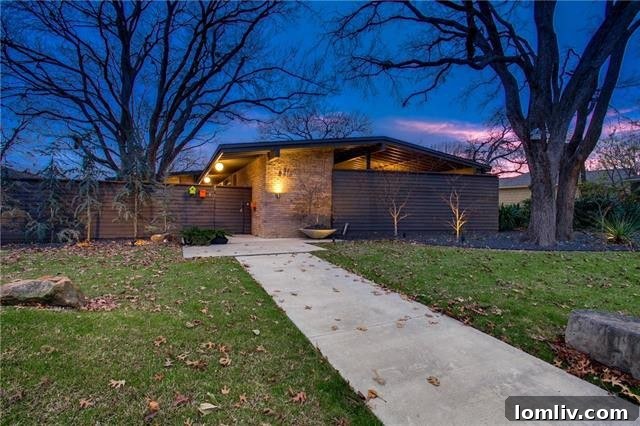
Discovering a Dallas Mid-Century Modern Masterpiece: The Arch Swank Legacy at 6216 Town Hill Lane
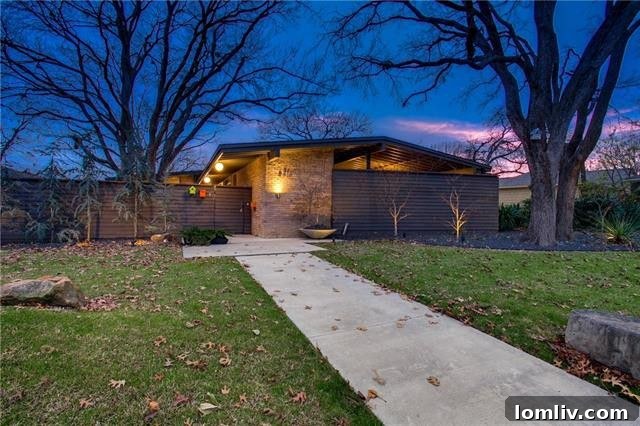
In the competitive world of Dallas real estate, discovering a truly original mid-century modern home designed by a legendary architect like Arch Swank is akin to unearthing a hidden treasure. These exceptional properties are rarely available, often remaining within the same families for decades, a testament to their enduring appeal and unique character. Arch Swank, renowned for his innovative vision, designed a limited number of personal residences, making each one an incredibly sought-after gem. To find such a home requires more than just luck; it often demands creativity, persistence, and sometimes, the keen eye of an innovative friend. This is precisely the extraordinary chain of events that unfolded for prominent Dallas Realtor John Weber, leading him to the remarkable property at 6216 Town Hill Lane.
An Unconventional Discovery: Serendipity and Persistence
“It’s truly the craziest story imaginable,” Weber recounted, reflecting on the serendipitous path to homeownership. The journey began when a friend, on his own house hunt, stumbled upon 6216 Town Hill Lane. Despite the home not being on the market, its unique architectural presence compelled Weber’s friend to take an unconventional approach: he wrote a personal letter to the owners. Their response, while polite, indicated they weren’t ready to move at the time, though they anticipated downsizing in a few years. Undeterred, even after purchasing a different home for himself, Weber’s friend maintained contact. Years later, when the original owners were finally prepared to sell, he remembered the property’s distinct charm and immediately thought of John Weber. “I was in between houses myself,” Weber explained, “and he said he thought it was perfect for me.” This remarkable story highlights not just luck, but also the powerful connection people form with extraordinary architecture.
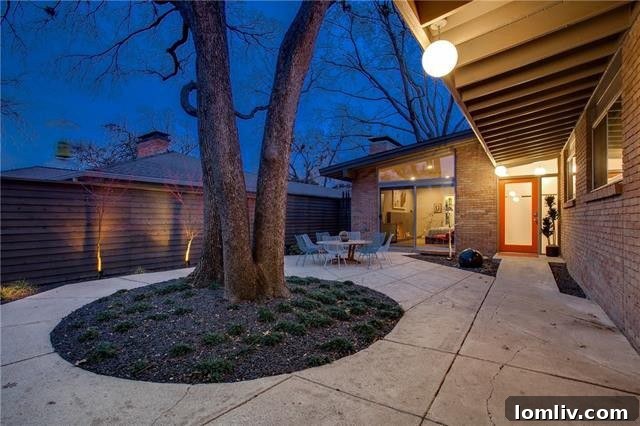
Weber’s acquisition of this custom-built, 1957 mid-century modern Arch Swank home was indeed an immense stroke of good fortune. Even more incredibly, he purchased it directly from the original owners, who, by a delightful twist of fate, were related to Swank himself. One can only imagine the exacting standards Swank applied when designing for family members. Knowing how discerning relatives can be, it’s safe to assume every detail was meticulously considered and flawlessly executed, resulting in a home that perfectly embodied his pioneering architectural philosophy.
Arch Swank: A Visionary Architect Ahead of His Time
For those unfamiliar with Arch Swank, understanding his legacy is key to appreciating the profound significance of this residence. Swank was a brilliant protégé and partner of the legendary Texas architect O’Neil Ford, with whom he collaborated from 1937 to 1941. Their partnership laid the groundwork for a distinctive regional modernism that emphasized natural materials, local craftsmanship, and a deep respect for the surrounding environment. However, Swank was much more than just an architect of beautiful buildings; he was a man profoundly ahead of his time, deeply concerned with environmental sustainability and social responsibility.
Throughout the 1940s and 1950s, Swank was a vocal and often solitary champion for progressive causes in Dallas. He fearlessly challenged the city’s establishment on critical issues, from advocating for the elimination of racially segregated entrances at Parkland Hospital – a groundbreaking stance in that era – to passionately campaigning to save Turtle Creek from being converted into a highway. His civic engagement showcased a profound belief that architecture and urban planning should serve the greater good, enhancing communities and preserving natural beauty for future generations. His unwavering commitment to these ideals shaped not only his designs but also his broader impact on the urban fabric of Dallas.
Swank’s impressive portfolio with Ford includes iconic structures like the serene Little Chapel in the Woods in Denton, the expansive San Jose Ranch on St. Joseph’s Island for Sid Richardson Jr., and the sensitive restoration of historic La Villita in San Antonio. After establishing his individual practice in 1952, Swank continued to push boundaries. He designed the state-of-the-art semiconductor complex for Texas Instruments in Richardson, a project that cemented his reputation for innovative industrial architecture, and the sophisticated Preston Center branch of Neiman Marcus, showcasing his versatility in commercial design. These projects, though celebrated, are truly just the tip of the iceberg, representing a career marked by relentless innovation and a timeless architectural vision.
Owning a Swank-designed residence, therefore, is to possess a piece of architectural history. These homes are not merely structures; they are living testaments to creativity, built with an unparalleled sensitivity to both their natural surroundings and the materials employed. Swank was, in every sense of the word, a true mid-century modernist – a master of form and function who believed in creating spaces that were not only aesthetically pleasing but also harmoniously integrated with their environment and deeply responsive to human needs.
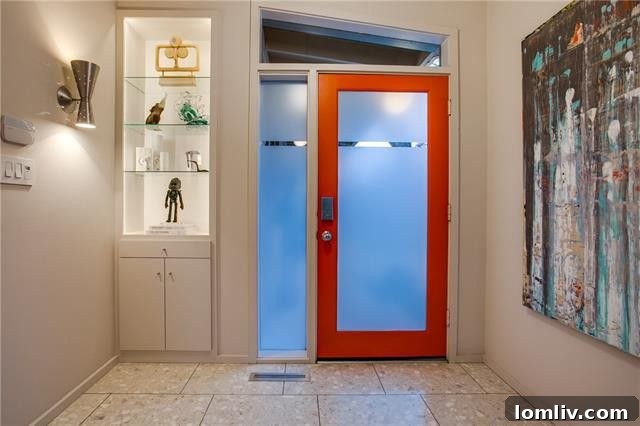
A Visionary Renovation: Honoring the Past, Embracing the Future
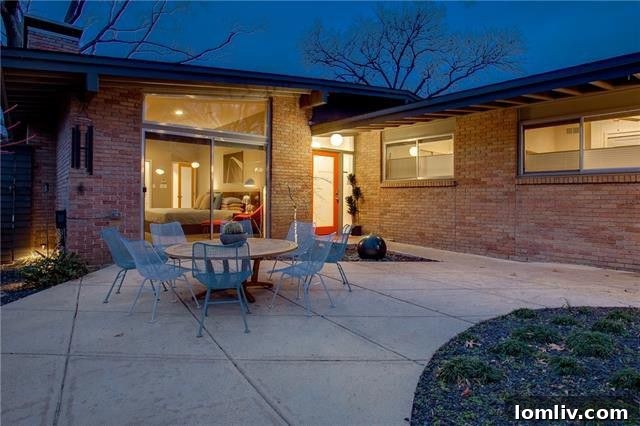
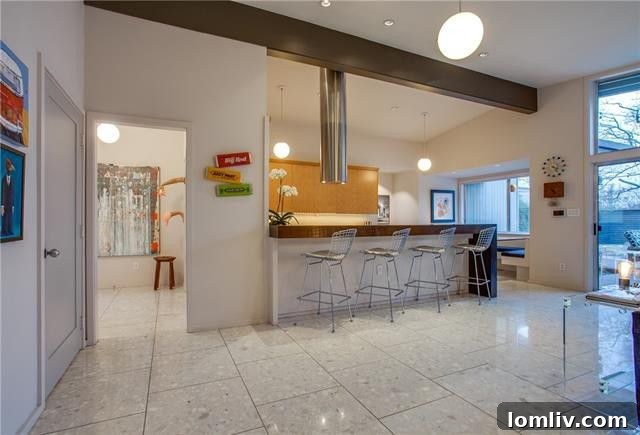
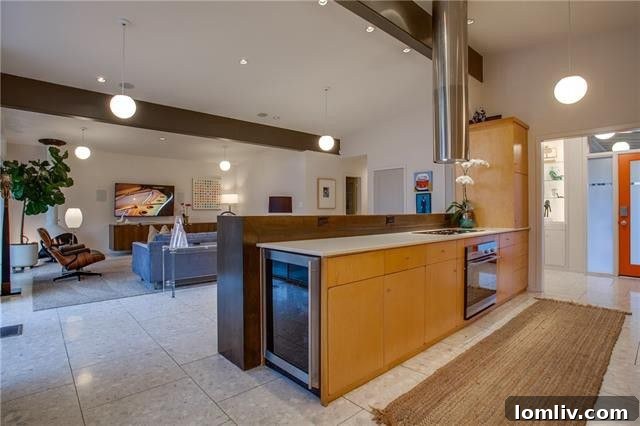
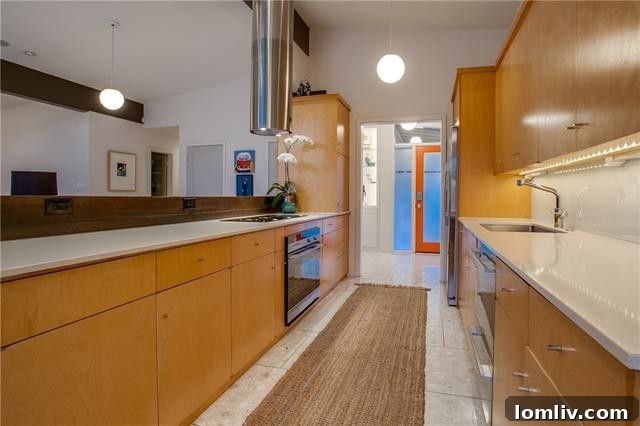
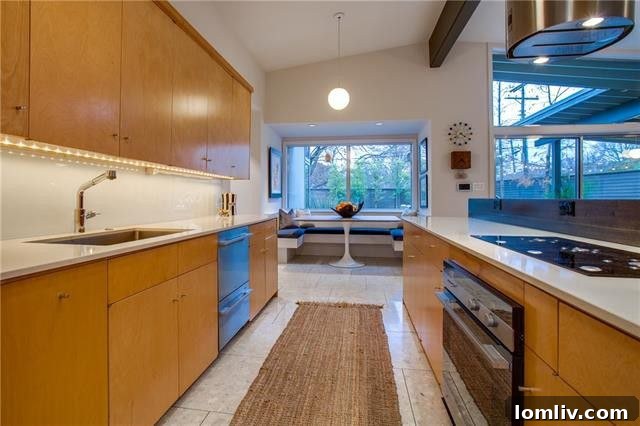
When John Weber acquired the 6216 Town Hill Lane property in 2011, he effectively stepped into a meticulously preserved time capsule. The home was almost entirely original, with only a few appliances updated over the decades. Recognizing the immense potential and the historical significance of the structure, Weber, as a seasoned professional and part of the esteemed Hickman + Weber Group at Ebby Halliday Realtors, knew exactly what was required. His extensive experience in real estate meant he had seen it all and understood how to approach a project of this magnitude with both reverence and expertise. He promptly engaged More Design + Build, a firm celebrated for its sensitive approach to modern renovations, and embarked on a comprehensive transformation, gutting the house to its studs.
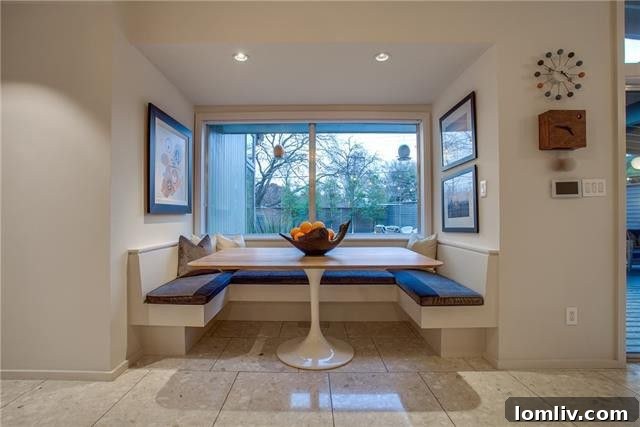
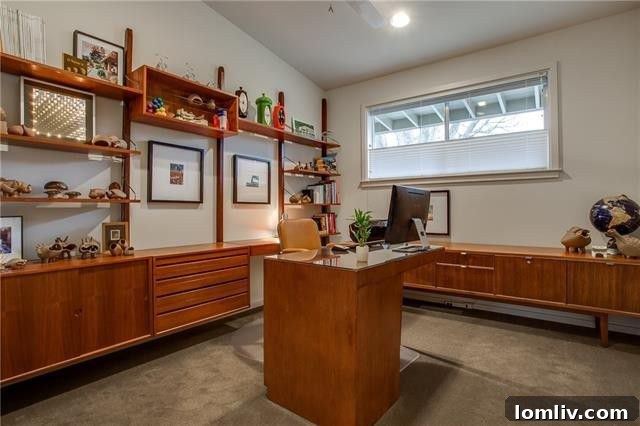
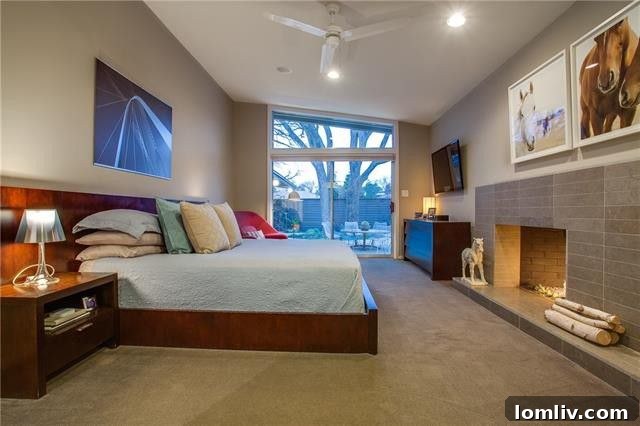
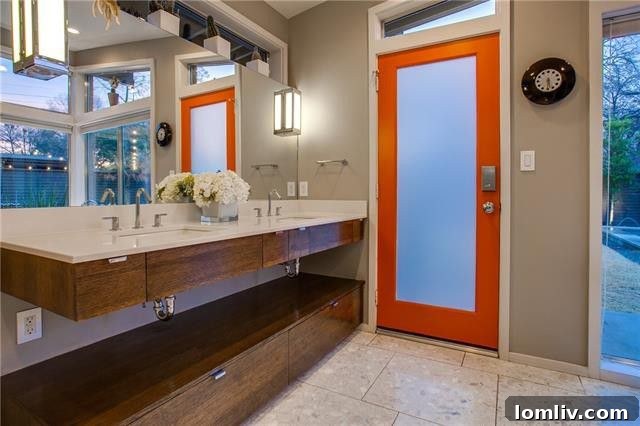
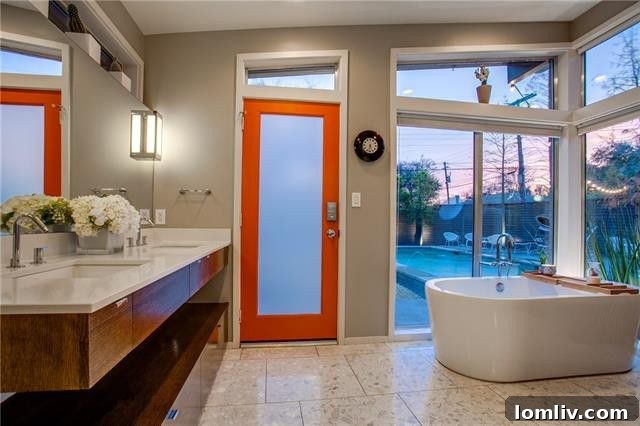
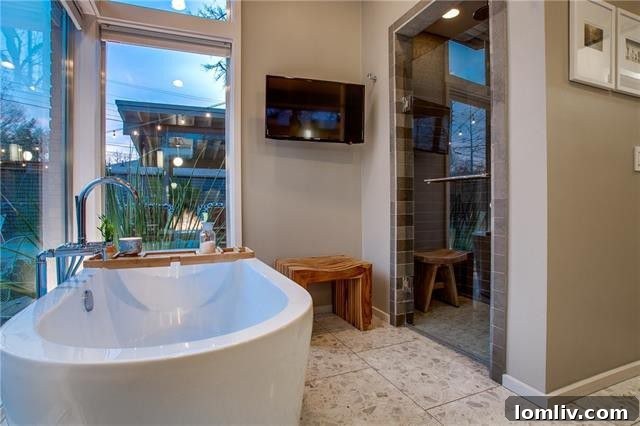
To the relief of mid-century modern enthusiasts everywhere, this extensive renovation was not an act of erasure but one of meticulous preservation and thoughtful enhancement. Every decision was guided by an unwavering respect for Arch Swank’s original vision. The new specifications were meticulously derived from the authentic 1957 construction documents, ensuring that every upgrade and alteration remained true to the home’s architectural DNA. These original plans are proudly displayed within the home itself, serving as both a historical record and a testament to the integrity of the renovation. While some reconfiguring was necessary to adapt the home for modern living – including the addition of a luxurious master bath and closet – the stunning results seamlessly align with Swank’s inherent sensibilities, offering contemporary comfort without sacrificing historical character.
The transformation involved strategic re-imagining of the interior spaces. “The original family room was quite small,” Weber explained, detailing one of the key changes. “We incorporated the former master bedroom into that area, significantly expanding it to create the spacious and inviting dining room you see today.” This change not only improved the home’s flow but also provided a more functional and grand space for entertaining. The original formal living room, another testament to 1950s living, was thoughtfully converted into the new master bedroom, offering a private sanctuary. Originally a four-bedroom home, one bedroom was creatively repurposed into a well-appointed gym, a practical amenity for contemporary lifestyles, though it retains the flexibility to be easily converted back into a fourth bedroom. The home now boasts a comfortable 2,161 square feet, featuring three spacious bedrooms and three exquisitely updated bathrooms, blending classic design with modern functionality.
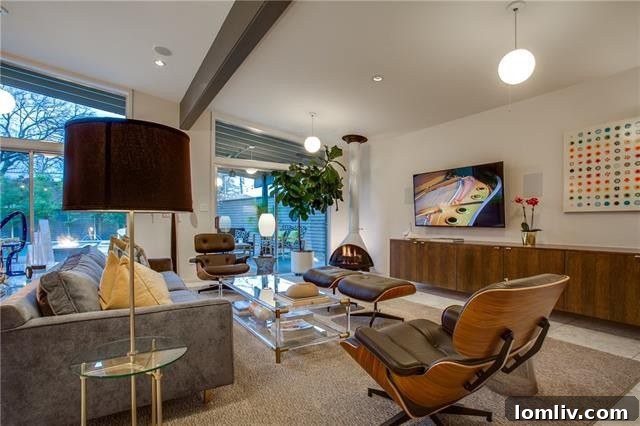
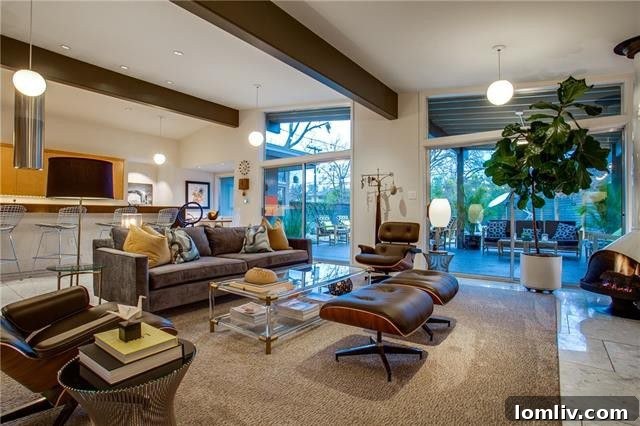
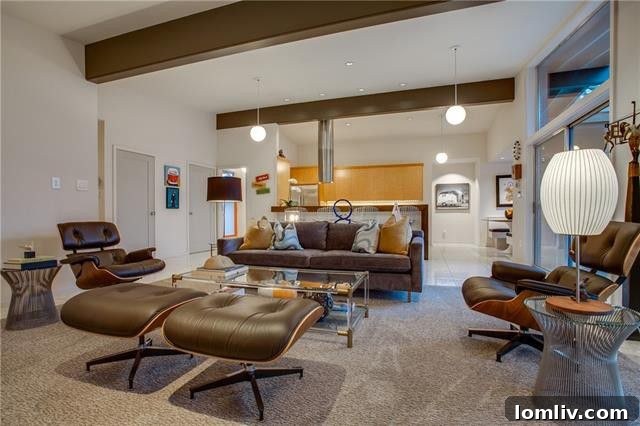
An Outdoor Oasis: Seamless Indoor-Outdoor Living
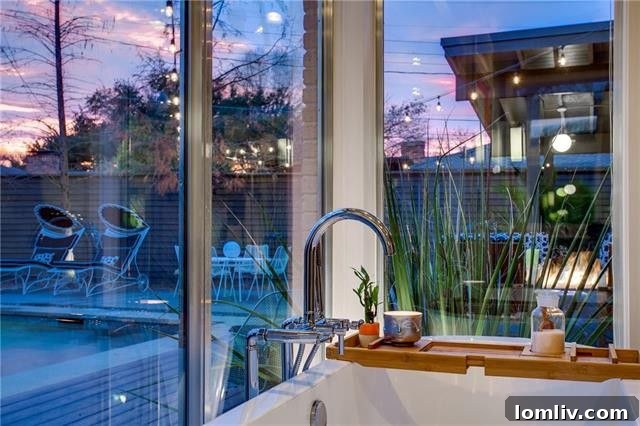
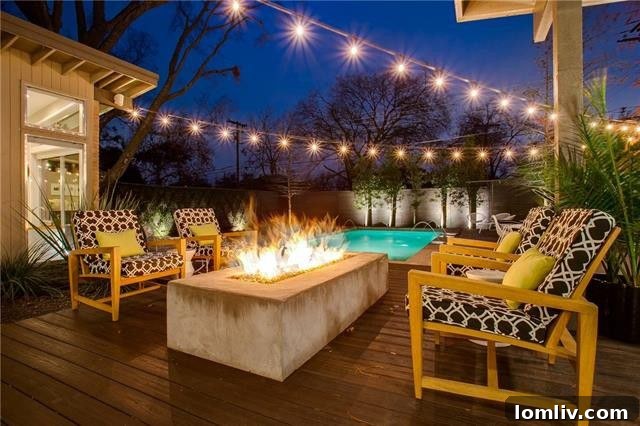
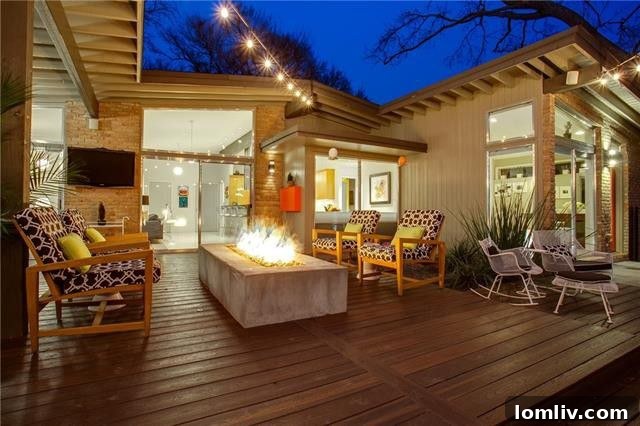
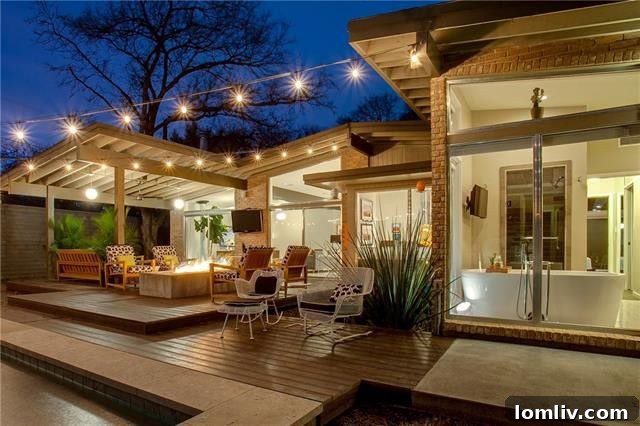
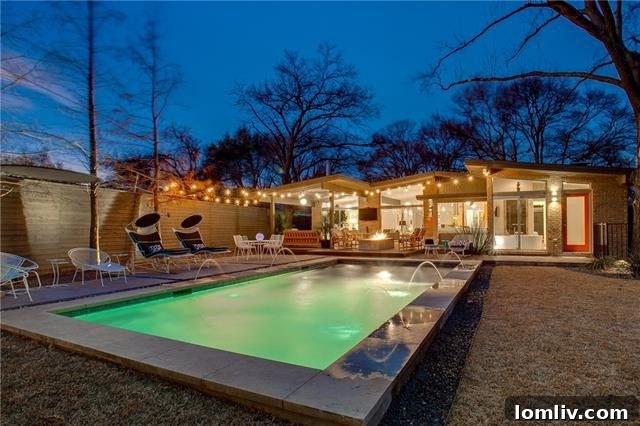
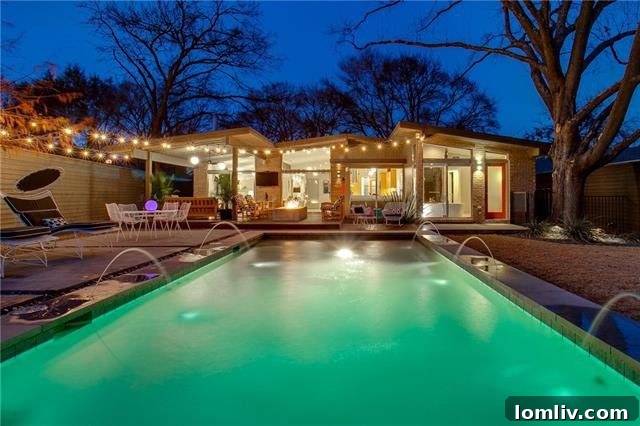
Once the interior renovation reached its magnificent conclusion, Weber turned his expert attention to the exterior, transforming the backyard into a spectacular outdoor oasis. Collaborating with the esteemed Riverbend Sandler Pools and visionary landscape architect David R. Andrew, a truly remarkable sanctuary was meticulously crafted. This outdoor space is now an integral extension of the home’s living area, designed for both serene relaxation and vibrant entertainment. During Dallas’s beautiful weather, it’s where Weber admits to spending most of his time, and tales of legendary parties held within this lush setting are already circulating. Indeed, with its sparkling pool, expansive deck, and artfully designed landscaping, it’s hard to imagine a more perfect space for entertaining friends and family, seamlessly blending the beauty of nature with refined modern living.

A Vibrant Neighborhood and Unmissable Opportunity
“I initially moved to this neighborhood specifically because of this house,” Weber shared, highlighting the magnetic pull of the Arch Swank design. “I hadn’t fully considered the neighborhood itself at first, but it has proven to be absolutely amazing, and I’m genuinely going to miss it. We’ve been fortunate to have incredible neighbors. There’s a new generation moving in, raising their families, and contributing to an enormous, vibrant energy that makes this community truly special.” This blend of architectural heritage and dynamic neighborhood life offers a rare and compelling lifestyle.
For discerning buyers who appreciate the timeless elegance and historical significance of an Arch Swank mid-century modern home, swift action is paramount. Given Swank’s limited number of residential projects, properties of this caliber are exceedingly rare and highly coveted. The intense interest in 6216 Town Hill Lane is already evident: the very first open house drew an astounding 67 prospective buyers, a phenomenal turnout for any property, let alone one in this distinctive niche. Weber has meticulously prepared this exceptional home for its next chapter, listing it at an attractive $795,000.
While another open house is scheduled for the end of the month, those seriously interested in owning a piece of Dallas architectural history, a home that perfectly marries a visionary past with luxurious modern living, are strongly advised not to delay. This is more than just a house; it’s an opportunity to experience a truly unique design legacy and become part of a thriving, welcoming community. Contact John Weber today to ensure you don’t miss out on this extraordinary offering.
Next Open House: Sunday, January 28, 2-4 p.m.
Karen Eubank is the owner of Eubank Staging and Design. She has been an award-winning professional home stager for more than 25 years and a professional writer for 20 years. Karen is the mother of a son who’s studying music at The University of Miami. An ardent animal lover, she doesn’t mind one bit if your fur baby jumps right into her lap. Find Karen at www.eubankstaging.com