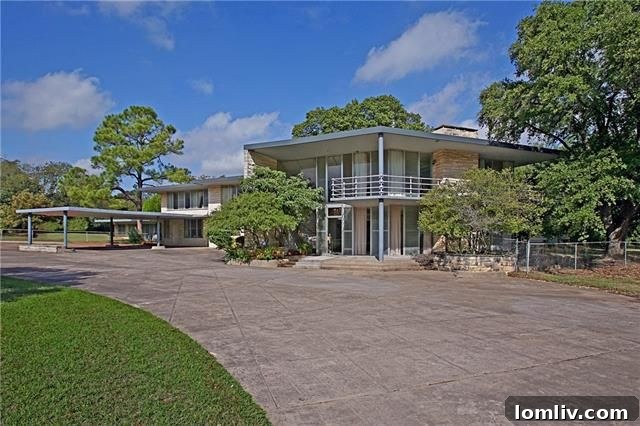
Dallas Mourns: The Impending Demolition of the Iconic Mid-Century Modern Mayrath House at 10707 Lennox Lane
A profound sense of loss is sweeping through Dallas’s architectural and preservationist communities as preparations begin for the demolition of the iconic Mayrath House at 10707 Lennox Lane. Once celebrated as one of the nation’s most innovative homes, this Truett A. Bishop-designed masterpiece is slated to be razed, making way for new construction on its expansive 2.29-acre lot. This decision marks a truly sorrowful chapter for lovers of mid-century modern architecture, a style that continues to gain immense popularity and appreciation, with countless similar structures meticulously updated and preserved by skilled craftsmen. The impending loss of such a historically significant and structurally unique residence resonates deeply, highlighting the ongoing tension between rapid urban development and the crucial need for architectural preservation.
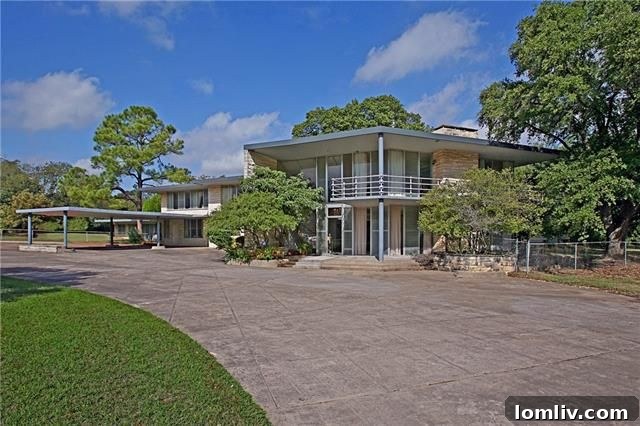
A Dallas Architectural Gem Faces the Wrecking Ball
The Mayrath House, completed in 1958, stands as a testament to pioneering design and an unwavering commitment to durability. Its imminent destruction feels particularly jarring given the burgeoning resurgence of interest in mid-century modern homes, which are increasingly sought after for their clean lines, thoughtful integration with nature, and innovative use of materials. For many in Dallas, this house was not merely a structure but a living piece of history, an exemplar of visionary residential architecture. The news of its impending demise has left many architects, historians, and local enthusiasts “gobsmacked,” grappling with the reality that such a distinct and cherished landmark will soon be gone forever.
The home’s original owner, Martin Mayrath, was a successful inventor, known for his revolutionary grain auger, and he brought a similar spirit of innovation and foresight to the construction of his personal residence. His daughter, Anne Christian, shared insights into her father’s uncompromising approach to building with daltxrealestate.com writer Leah Shafer. “This is such a unique and historical house — they are going to have a heck of a time tearing that down … because my dad made things to last forever,” Christian remarked. She emphasized the extraordinary construction, noting, “He spared no expense to add all the wonderful touches to the house. The steel piers going down into the bedrock would be the most interesting part—I would think it would make the ground unstable [for a future home built there] to have them torn out.” Her words underscore not only the house’s remarkable resilience but also raise critical questions about the long-term impact of dismantling such a robust foundation for a subsequent build.
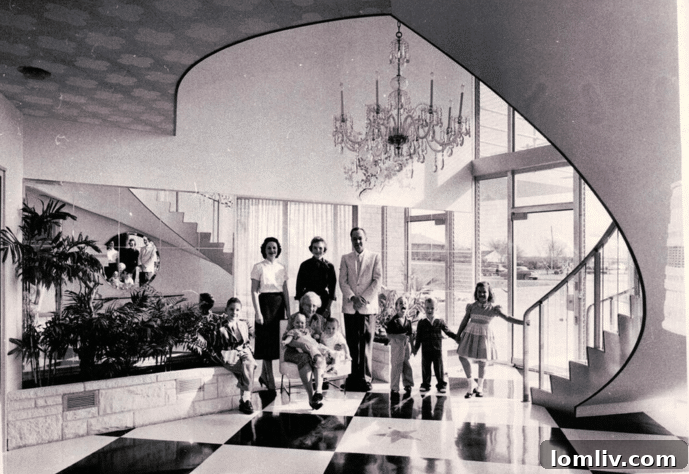
“Not a Splinter of Wood Used”: A Revolutionary Design Philosophy
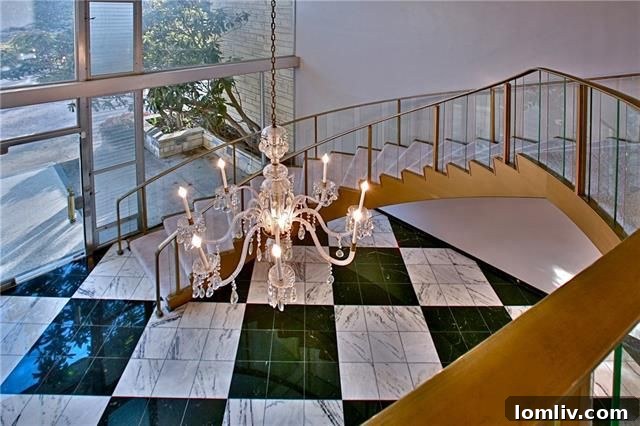
The architectural principles behind the Mayrath House were revolutionary for its era. Designed by Truett A. Bishop, the home was celebrated in a September 23, 1957, story in The Dallas Morning News with a striking headline: “Not a Splinter of Wood Used In Outstanding Home in Dallas.” This feature further extolled the residence’s groundbreaking construction:
Wood, the most frequently used material in homes, is completely shunned in the home of one Dallas family. There isn’t so much as a splinter of wood in the home of Mr. and Mrs. Martin Mayrath, 10707 Lennox Lane…Built on columns of steel, the two story house is constructed with aluminum, glass, concrete and Austin stone. It may look like a country club at first glance, but it is a luxury home—one that probably is not equaled in the vast Southwest.
This commitment to fire-resistant and highly durable materials—steel, Austin stone, aluminum, glass, and concrete—made the Mayrath House an anomaly and a marvel. Its grand interiors, remarkably preserved through the decades, showcased an aesthetic that was both sophisticated and distinctly modern. The seamless integration of these robust elements created an exterior that was even and clean, perfectly complementing the colorful and classic interiors. For those who appreciate the quirky and the ingenious, the Mayrath House offered an unparalleled journey into mid-century design, embodying a foresight in construction that remains impressive even by today’s standards.
A Pristine Time Capsule Unveiled: The Pre-Demolition Estate Sale
As the clock ticks down to demolition, an unusual opportunity arises for enthusiasts and collectors: a pre-demolition estate sale. Highland Park Market, the company tasked with marketing the home’s estate and fixtures, has unequivocally confirmed the house’s impending razing. Their announcement of an “April 16-17 bring-your-own-tools gutting” event on EstateSales.net has sent a bittersweet ripple through the community. While signaling the end of an era, it also offers a final chance to salvage pieces of this architectural treasure.
The estate sale description vividly captures the home’s unique appeal:
It must be seen to be believed. At first glance you might think the photos shown are 60 years old…they are not. Those are recent photos. This home is a PRISTINE VINTAGE 1958 TIME CAPSULE. Although the new owners are building new, let’s pull together and salvage some of these mid-century architectural treasures!
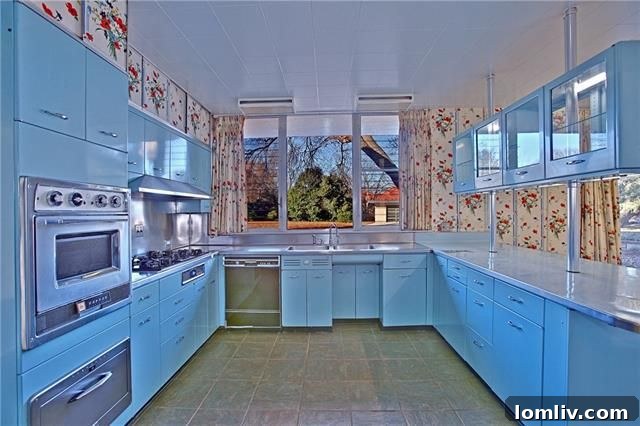
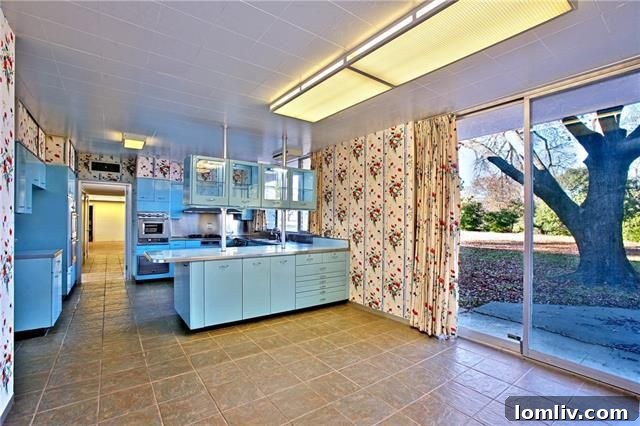
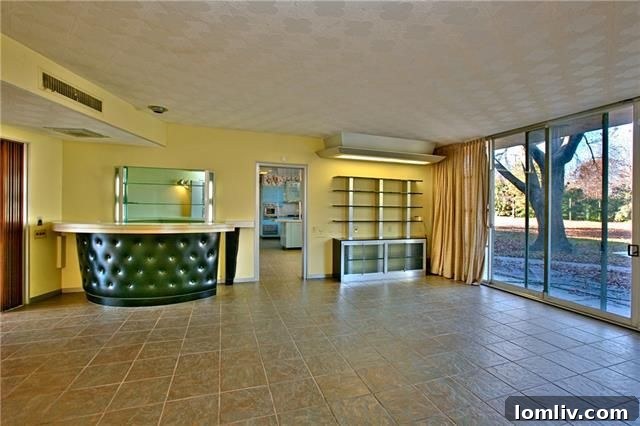
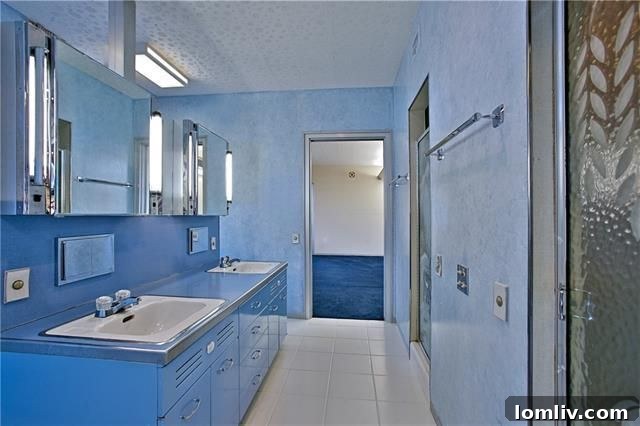
This description perfectly encapsulates the essence of the Mayrath House—a perfectly preserved relic offering a genuine glimpse into the design sensibilities of the late 1950s. Collectors and enthusiasts will flock to this sale, hoping to acquire a piece of history. Among the most coveted items is undoubtedly the original blue Geneva kitchen, a highly sought-after fixture for mid-century modern aficionados, which is anticipated to be a fiercely popular item. Beyond the kitchen, the house boasts an array of other distinctive features, including additional steel cabinetry found in each bathroom, further emphasizing the home’s innovative, no-wood construction. The den, a central gathering space, also features a striking leather-clad bar, adding another layer of classic mid-century sophistication.
A Heartbreaking Trend: Preservation vs. Development
The demolition of the Mayrath House is not an isolated incident but rather a poignant example of a larger, heartbreaking trend in Dallas and many other rapidly developing cities: the loss of significant historic properties to make way for new construction. Susan Bishop, the daughter of the esteemed architect Truett A. Bishop, eloquently expressed her profound dismay to Shafer. “Mr. Mayrath wanted it to have a lot of futuristic things and no lumber went into it — he did not want a fire. It was an ultra-modern house at the time, with lighting all through the hallways and even the bathrooms have Geneva metal cabinets,” she explained, highlighting her father’s progressive design ethos. Truett A. Bishop was remarkably only 36 years old when he conceptualized and brought the Mayrath House to life, a testament to his prodigious talent and visionary outlook.
Susan Bishop, a fifth-generation Dallasite, has witnessed this architectural erosion for years and conveyed her deep sorrow: “I’ve lived in Dallas all my life, I’m a fifth generation Dallasite, and I have watched [the tearing down of historic properties] for years and I hate it. Being a builder’s daughter, I love to tour homes, some I know are going to be town down, and it’s heartbreaking.” Her words resonate with countless others who recognize the irreplaceable cultural and historical value embedded within these structures. The Mayrath House, with its innovative fire-resistant design, futuristic lighting systems, and durable steel cabinetry, was more than just a home; it was a beacon of what was possible in mid-century American architecture, pushing boundaries and setting new standards for luxury and practicality.
Remembering a Modernist Marvel
The loss of the Mayrath House represents a significant blow to Dallas’s architectural heritage. It embodies a period of bold innovation and a commitment to enduring quality that is increasingly rare in contemporary construction. We, along with countless preservationists and architecture enthusiasts, are heartbroken over the imminent destruction of this amazing structure. While the building itself may disappear, we fervently hope that those who have fought for its preservation, and those who attend the estate sale, will manage to salvage a piece of its extraordinary legacy. These salvaged elements will serve as tangible reminders of Truett A. Bishop’s genius, Martin Mayrath’s vision, and the timeless appeal of a truly unique mid-century modern marvel at 10707 Lennox Lane. May its spirit, through its salvaged parts and the stories it leaves behind, continue to inspire a greater appreciation for architectural preservation in the face of relentless change.