

Navigating the Nuances of North Texas Real Estate: A Deep Dive into Challenging Listings
In the dynamic world of real estate, certain properties spark more conversation than others. They challenge conventional aesthetics, provoke strong opinions, and often leave real estate professionals pondering the best marketing strategies. One such intriguing phenomenon gaining widespread attention is the “McMansion” – a term often used to describe large, mass-produced homes that, while offering abundant space, sometimes lack architectural coherence or timeless design. The popular blog, “McMansion Hell,” has become a prominent voice in this discussion, offering insightful, albeit sometimes sharp, commentary on these architectural trends.
Understanding the “McMansion Hell” Philosophy
Authored by an architect, “McMansion Hell” isn’t merely about criticizing large homes; it’s a platform dedicated to fostering a deeper understanding of architectural principles, urban planning, environmental sustainability, and design history. As the author eloquently states:
McMansion Hell aims to educate the masses about architectural concepts, urban planning, environmentalism and history by making examples out of the places we love to hate the most: the suburbs.
By alternating comedy-oriented takedowns of individual houses with weekly informative essays about urbanism, architecture, sociology, and interior design, McMansionHell hopes to open readers’ eyes to the world around them, and inspire them to make it a better one.
While the blog’s approach can be decidedly snarky at times, its underlying mission to educate and inspire better design is commendable. However, for those of us deeply entrenched in the North Texas real estate market, there’s always a slight apprehension that the blog might turn its discerning eye too closely to our local inventory. North Texas, with its expansive suburbs and diverse housing landscape, offers a fertile ground for architectural analysis, making it a frequent subject of interest for both admirers and critics of the McMansion style.
A Local Case Study: 4504 Tour 18 Drive in Flower Mound
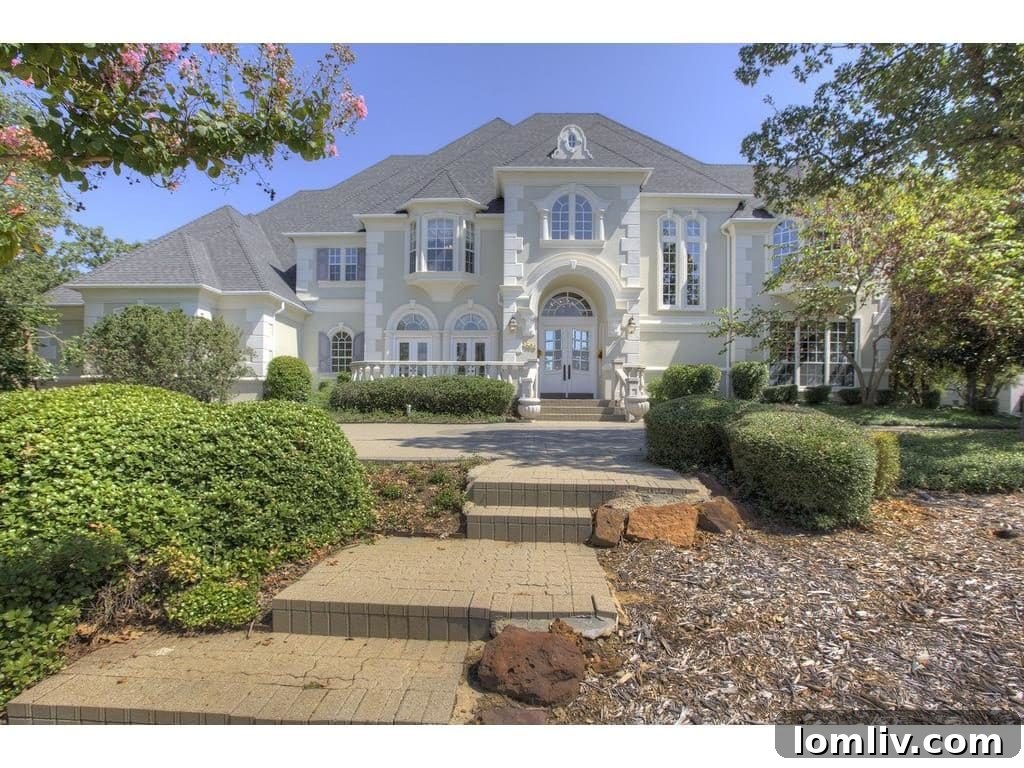
Recently, a particular property in Flower Mound, Texas, became a focal point of discussion within this very framework: 4504 Tour 18 Drive. This home, listed with Jim Streigel of Coldwell Banker, was originally priced at $939,900 and has since been reduced to $829,000, reflecting the challenges of selling a property that may not align with current buyer preferences. Built in 1994, this residence sits on a generous 2-acre lot within a prestigious golf course community – features that typically command a premium. Yet, its journey on the market highlights a critical question for real estate professionals: how do you effectively market a property that, despite its inherent advantages, might be perceived as architecturally dated or aesthetically challenging?
The “McMansion Hell” Perspective on Flower Mound
The “McMansion Hell” blog offered its own pointed remarks on the home and its location, suggesting that “Flower Mound” is “a surprisingly euphemistic name for a small town in a heavily conservative state,” and that “the builders took the name of the town to heart when designing this house – and not the “Flower” part either.” While such comments are intended to be humorous, they underscore the often-harsh reality of how architectural styles are perceived and judged in the public eye. For real estate agents, these perceptions translate directly into marketing hurdles and necessitate creative, strategic solutions.
The Real Estate Agent’s Dilemma: Marketing a Challenging Property
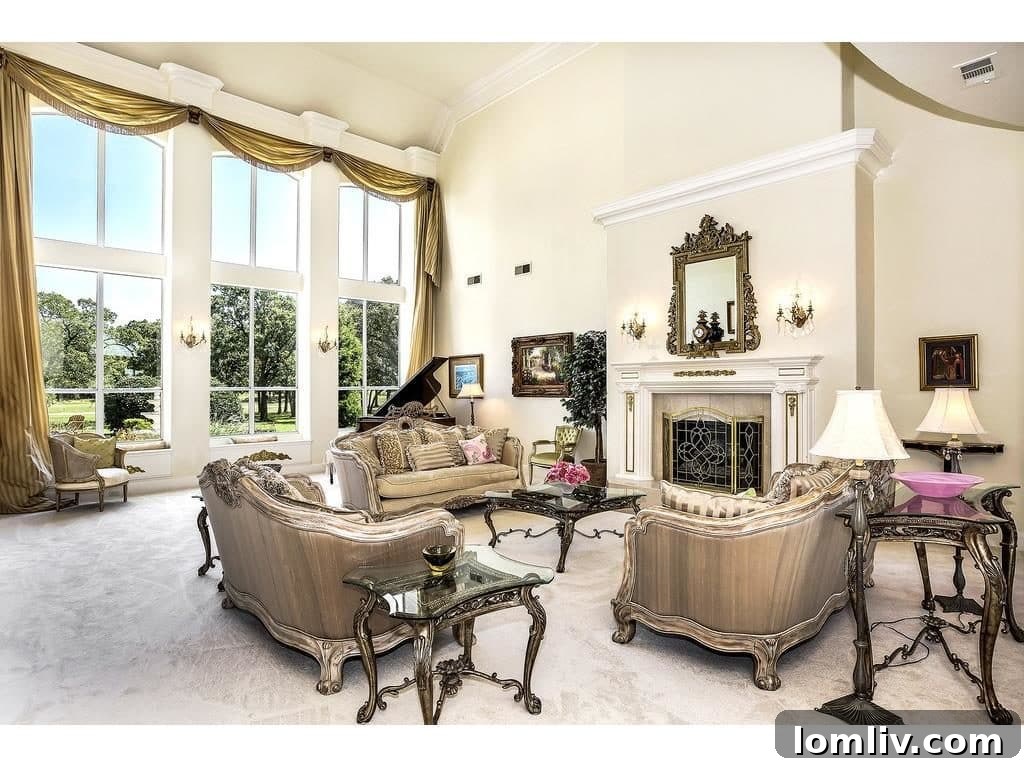
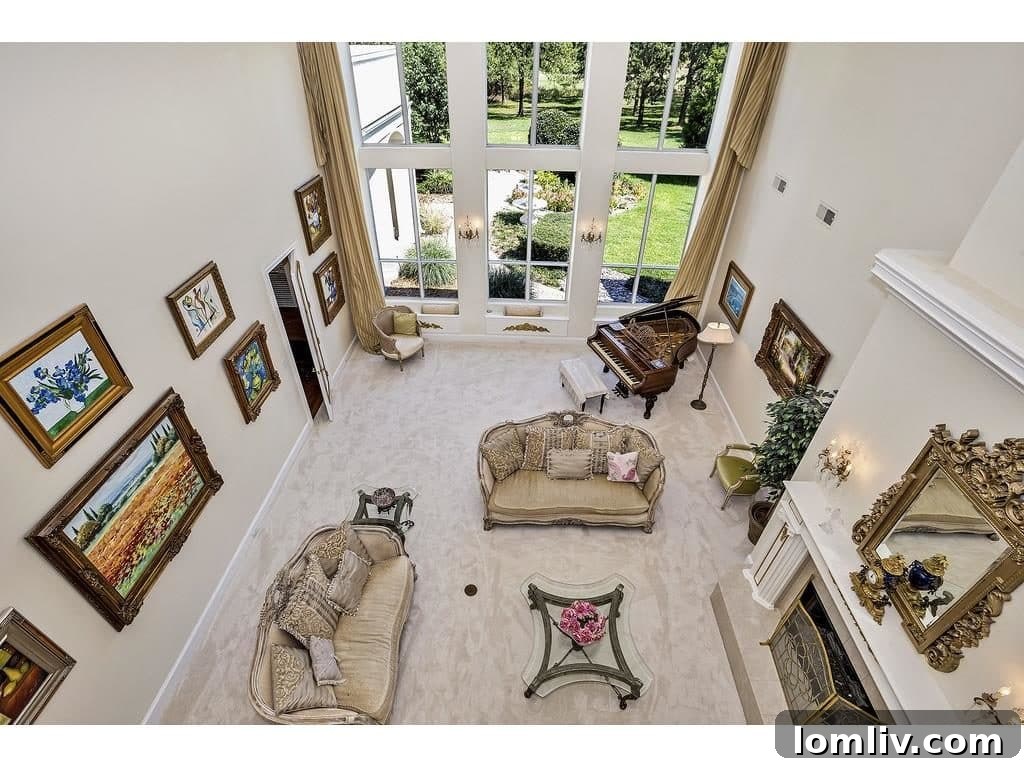
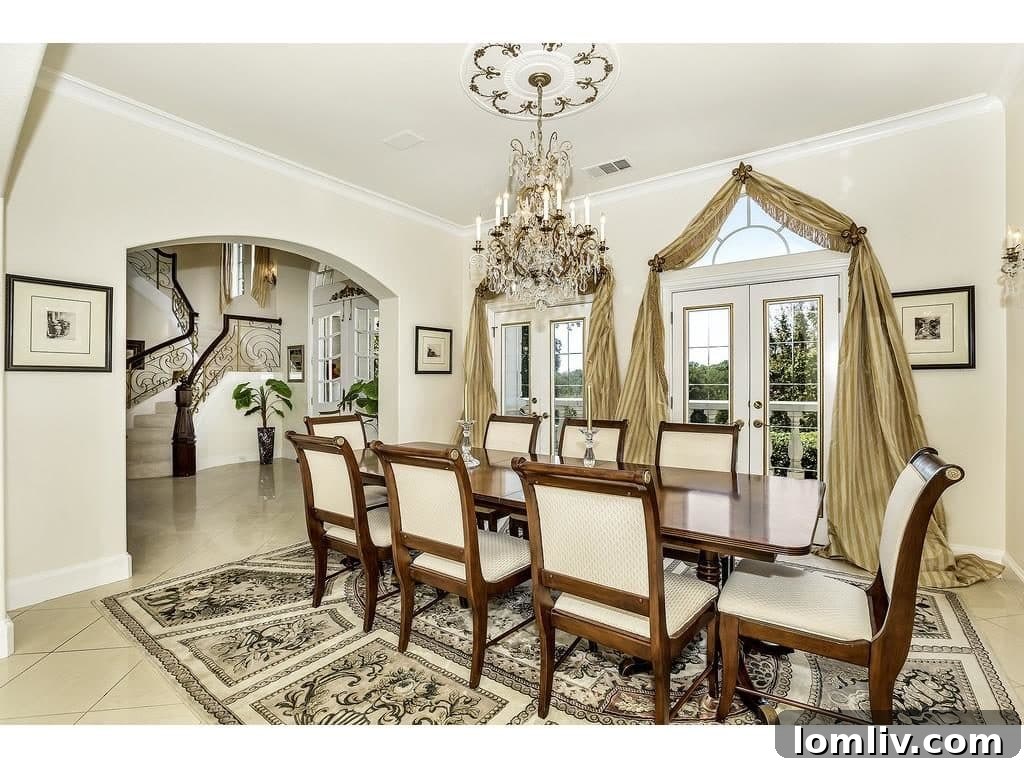
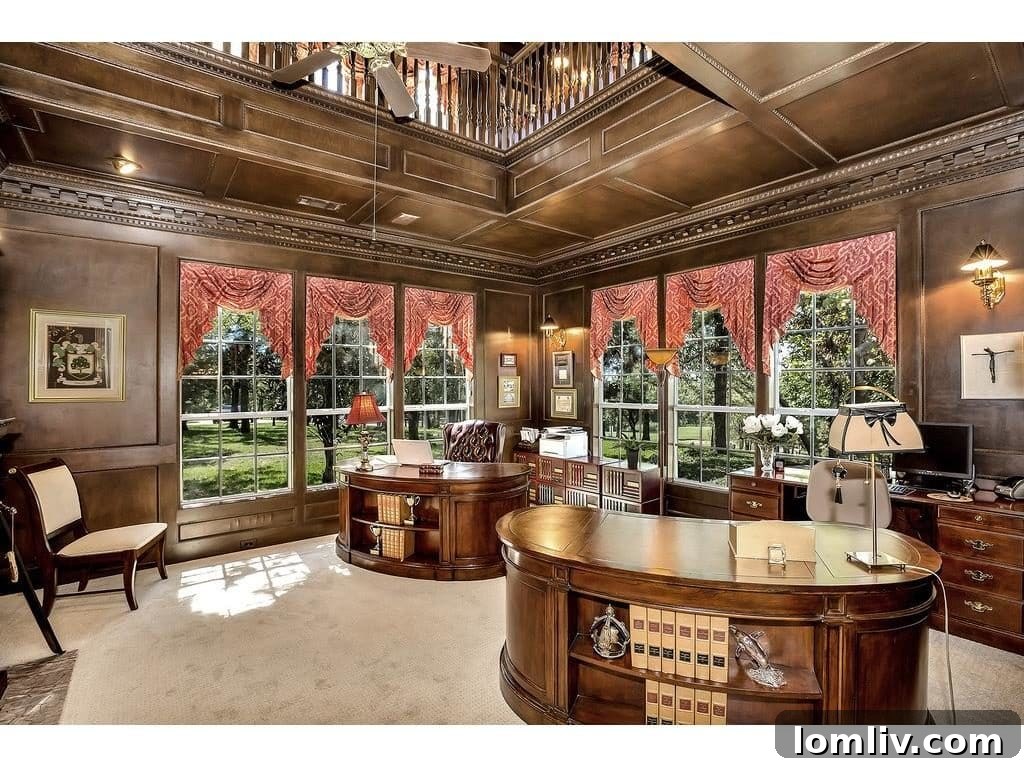
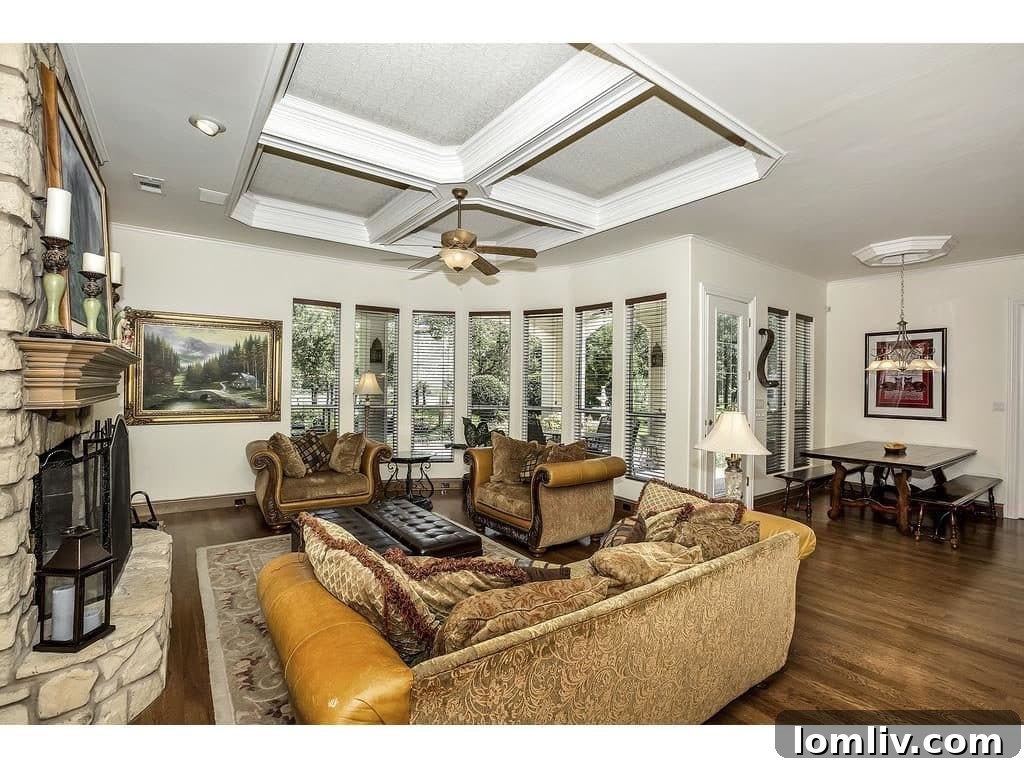
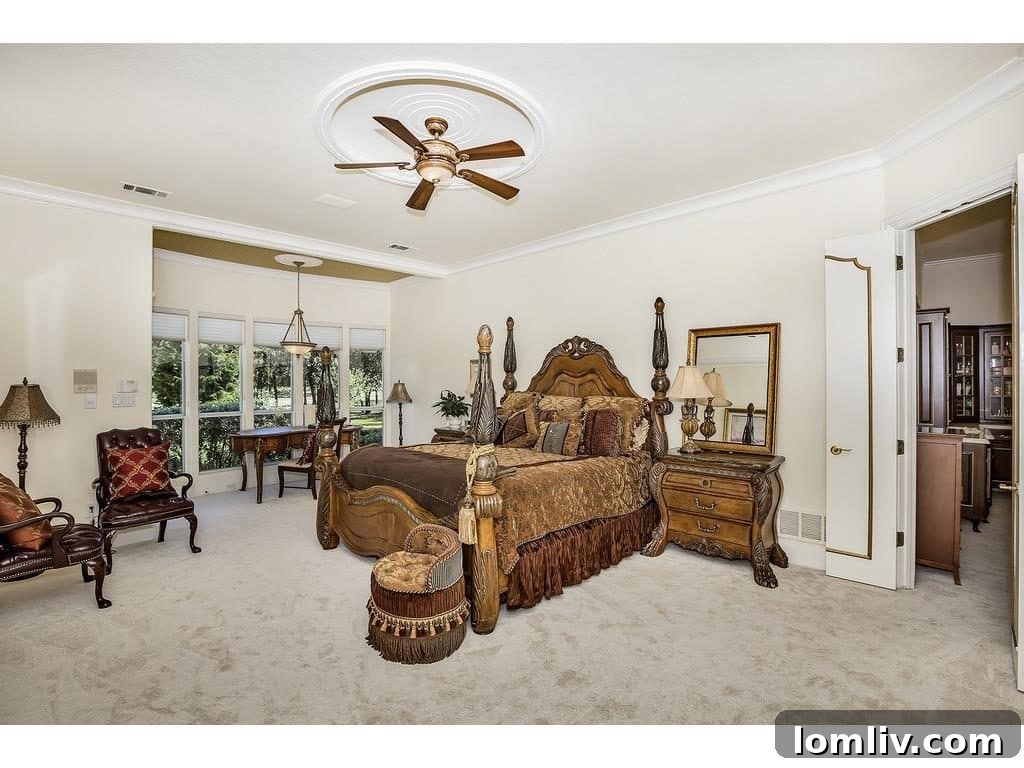
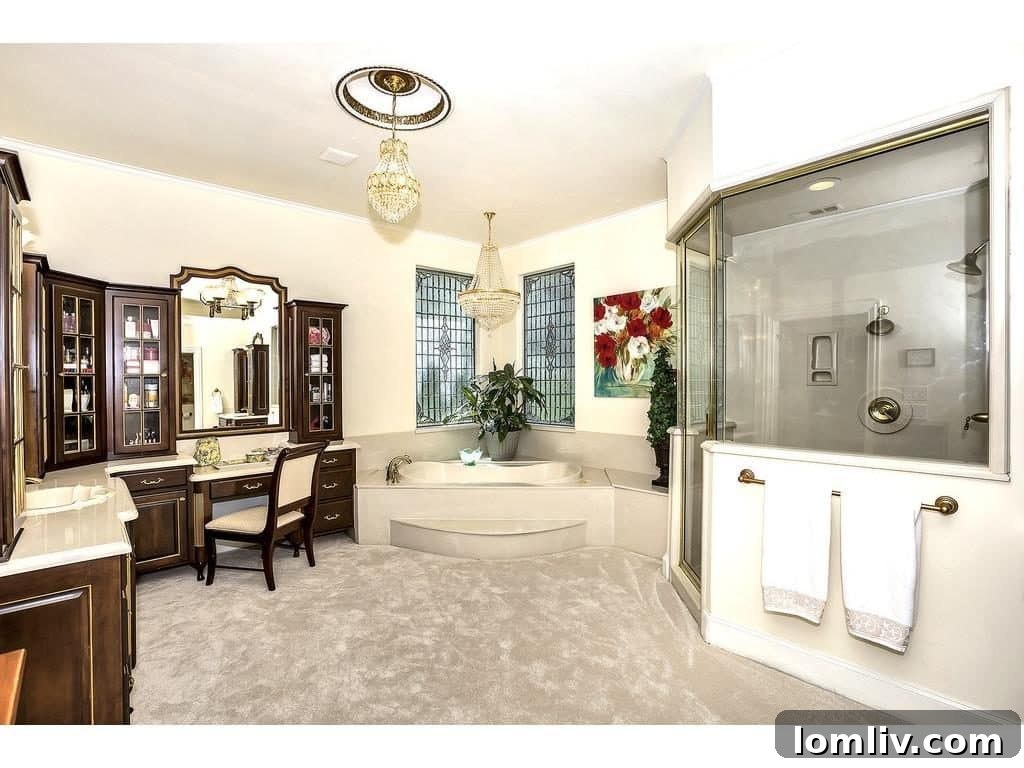
This brings us to the core of the discussion: what actionable steps can a real estate agent take when faced with a listing like 4504 Tour 18 Drive? It’s a question that goes beyond mere price adjustments and delves into the art and science of home presentation, renovation ROI, and strategic marketing. The house, in its current state, features opulent crown moldings and heavy, traditional furniture that, for some, might feel overwhelming and dated, creating a visual density that begs for a breath of “fresh air.”
Unlocking Potential: Strategies for Enhanced Appeal
The goal isn’t to dismiss a home, as every property holds value and represents someone’s cherished space. Instead, it’s about identifying its untapped potential and presenting it in a way that resonates with a broader buyer pool. We invite your expert opinions: what would be your strategic approach to make a listing like this more appealing and competitive in today’s market?
Targeted Updates: Where to Invest for Impact
Let’s consider specific areas of this Flower Mound residence that could benefit from thoughtful updates:
The Kitchen: The Heart of the Home
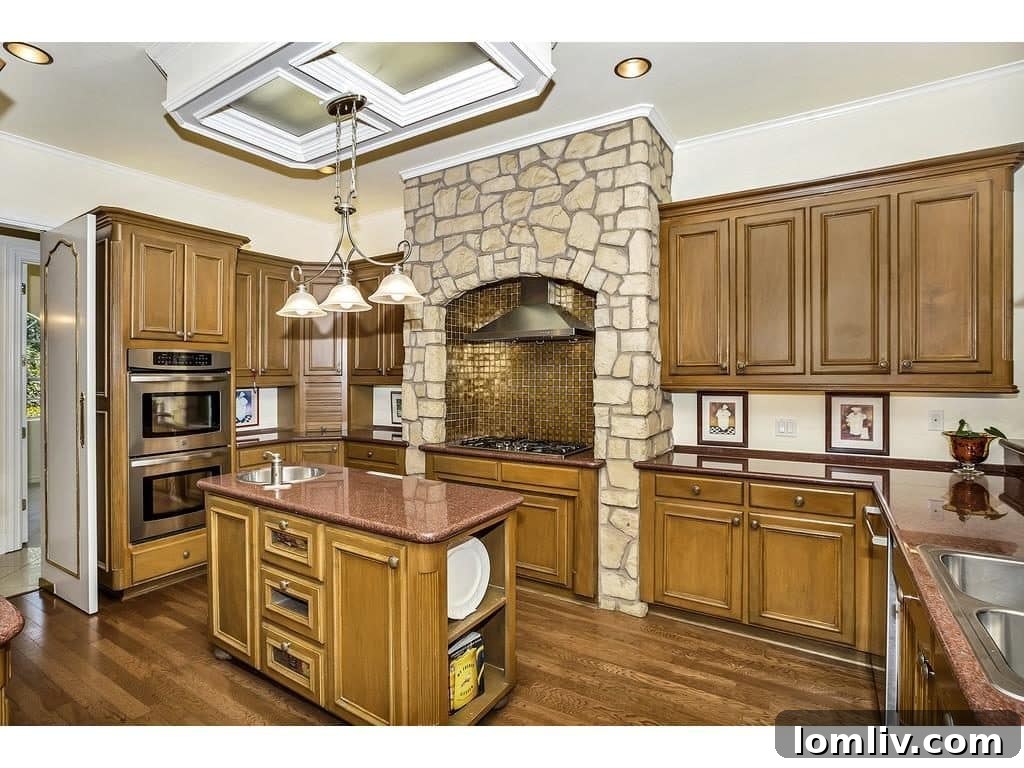
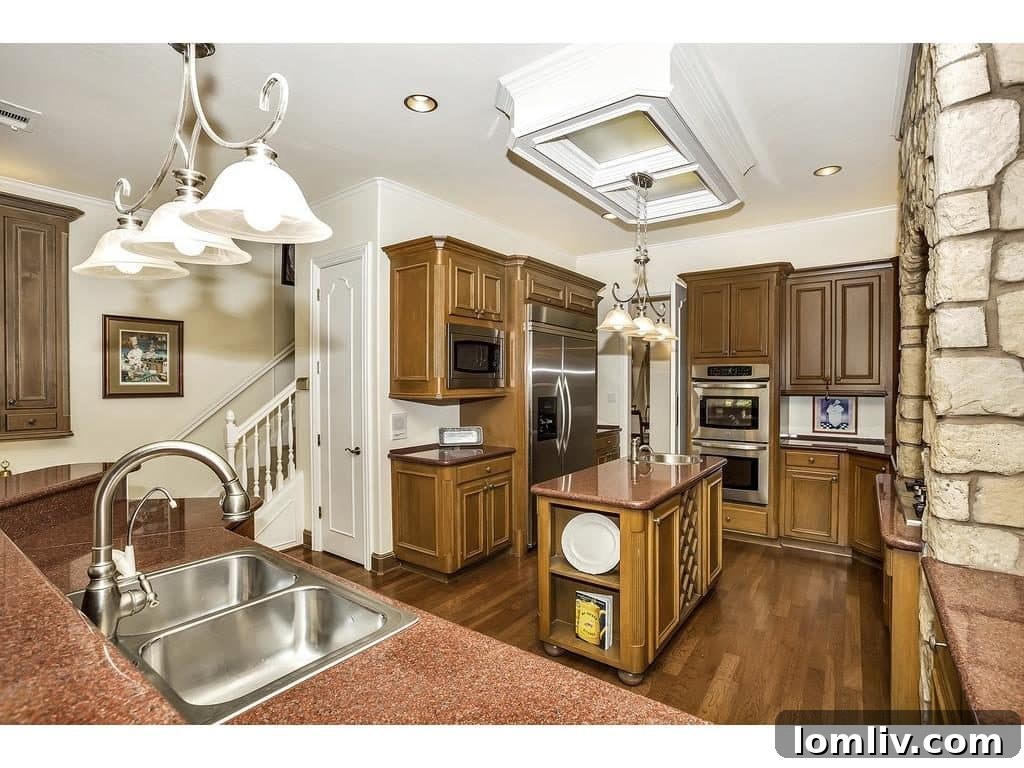
The kitchen, often considered the heart of a home, appears notably dated. Addressing this area could yield significant returns. Should the existing cabinets be professionally resurfaced or refaced for a modern look, perhaps with a lighter color palette? What about replacing the ancient sink and outdated countertops with contemporary materials like quartz, granite, or solid surface options? Even small changes, such as upgrading hardware, can dramatically transform the feel of this crucial space. Modern buyers seek functionality, aesthetics, and often, smart home integration in their kitchens.
Lighting Fixtures: Illuminating Modernity
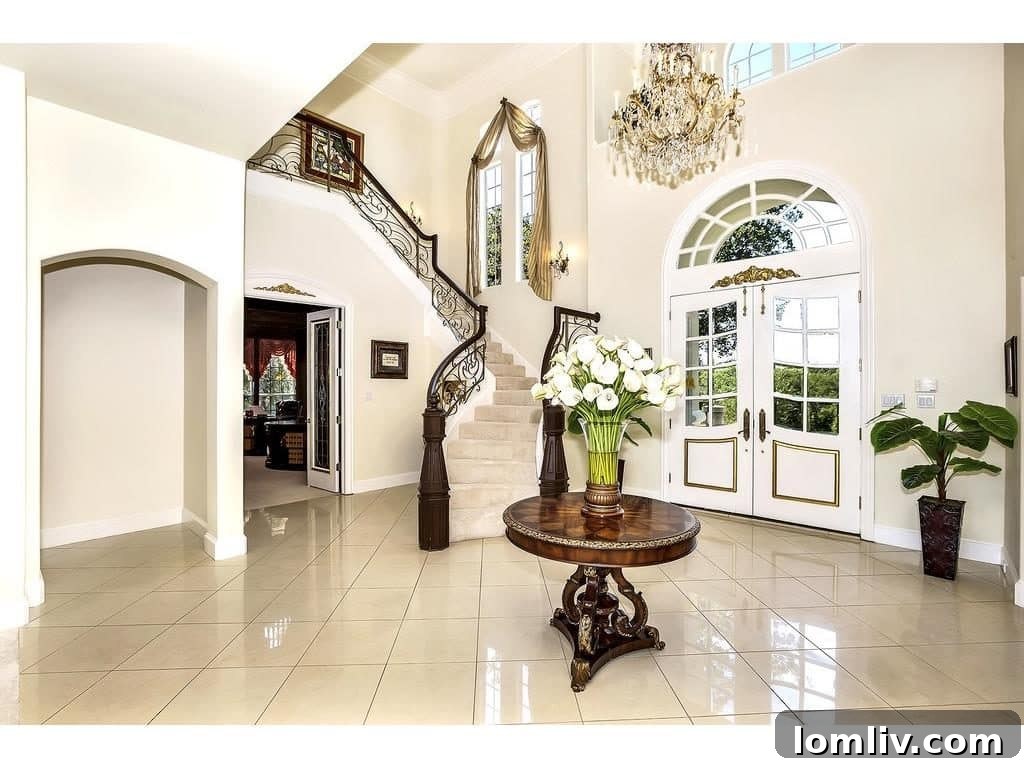
Lighting plays a pivotal role in setting a home’s ambiance. Outdated light fixtures can instantly age a room. Replacing heavy, ornate chandeliers or sconces with more contemporary, energy-efficient LED fixtures can brighten spaces, create a sense of openness, and highlight architectural features in a more flattering light. Thoughtful lighting design can also emphasize desired areas and diminish less appealing aspects of a room.
Foyer Flooring: Making a Lasting First Impression
The foyer is the grand introduction to any home. If the flooring in this entry space is worn or dated, replacing it with elegant hardwood, large-format tile, or even polished concrete could make a powerful first impression. A fresh, inviting entryway can set a positive tone for the entire viewing experience, signaling a well-maintained and updated home from the moment a potential buyer steps inside.
Window Treatments: Less is Often More
While the existing draperies might have served a purpose in their time, modern design trends often favor simpler window treatments or, in many cases, none at all. The goal is to maximize natural light and showcase views, creating an airy and expansive feel. Removing heavy, elaborate drapes and opting for streamlined blinds, sheer curtains, or even leaving windows unadorned (where privacy allows) can instantly update a room’s aesthetic.
Strategic Staging: Decluttering and Depersonalizing
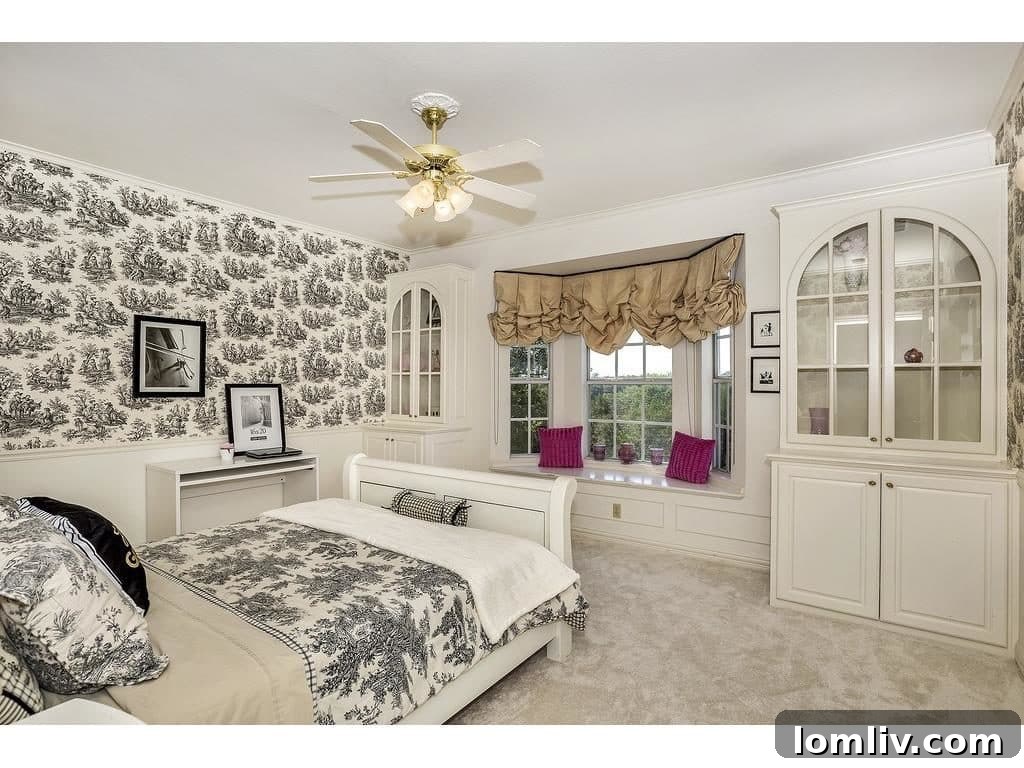
One of the most effective strategies for any challenging listing is professional staging. This involves decluttering, depersonalizing, and arranging furniture and decor to appeal to the widest possible audience. For a home with heavy furniture and copious crown moldings, staging could involve removing some pieces, rearranging others, and introducing lighter textiles and a neutral color palette to create a sense of calm and spaciousness. Highlighting the “one very pretty room” (perhaps the black toile room mentioned in the original context) as an example of successful design could offer inspiration, while showing how other spaces can be similarly transformed.
The Master Closet: A Hidden Gem
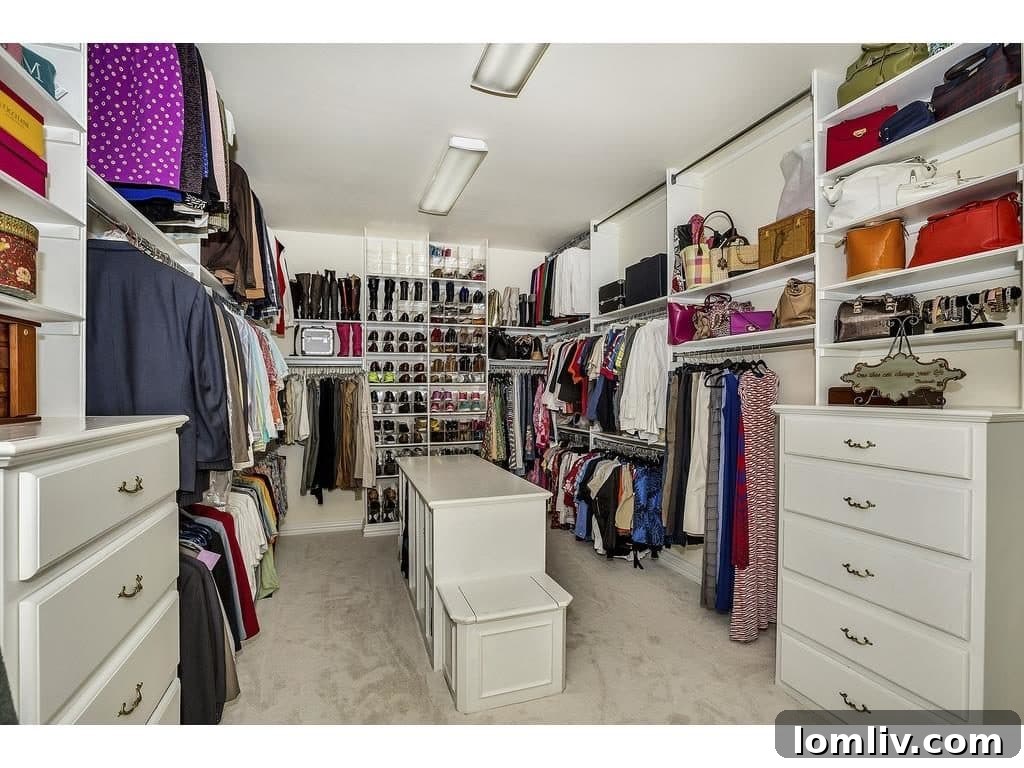
On a positive note, the master closet offers a glimpse of modern functionality. In today’s luxury market, a well-organized and spacious master closet is a significant selling point. Highlighting this feature, perhaps with professional organization and lighting, can demonstrate practical value and appeal to buyers looking for convenience and order in their personal spaces.
Help! We’re eager to hear your thoughts and creative solutions for homes like these. Every suggestion contributes to a richer understanding of effective real estate practices and property enhancement.
Conclusion: Transforming Perceptions into Opportunities
The journey of selling a home like 4504 Tour 18 Drive in Flower Mound encapsulates a broader challenge in the real estate market: how to bridge the gap between a property’s existing characteristics and the evolving demands of contemporary buyers. It’s a testament to the dynamic nature of architectural tastes and the critical role of strategic marketing. By embracing professional advice on targeted renovations, expert staging, and realistic pricing, sellers can transform perceived weaknesses into unique selling propositions. Ultimately, every home, regardless of its initial aesthetic hurdles, holds the potential to captivate the right buyer when presented with vision and intelligence. This collaborative effort between homeowners and real estate professionals is key to navigating the complex landscape of luxury real estate, ensuring that even the most “mound-like” of homes finds its perfect match.