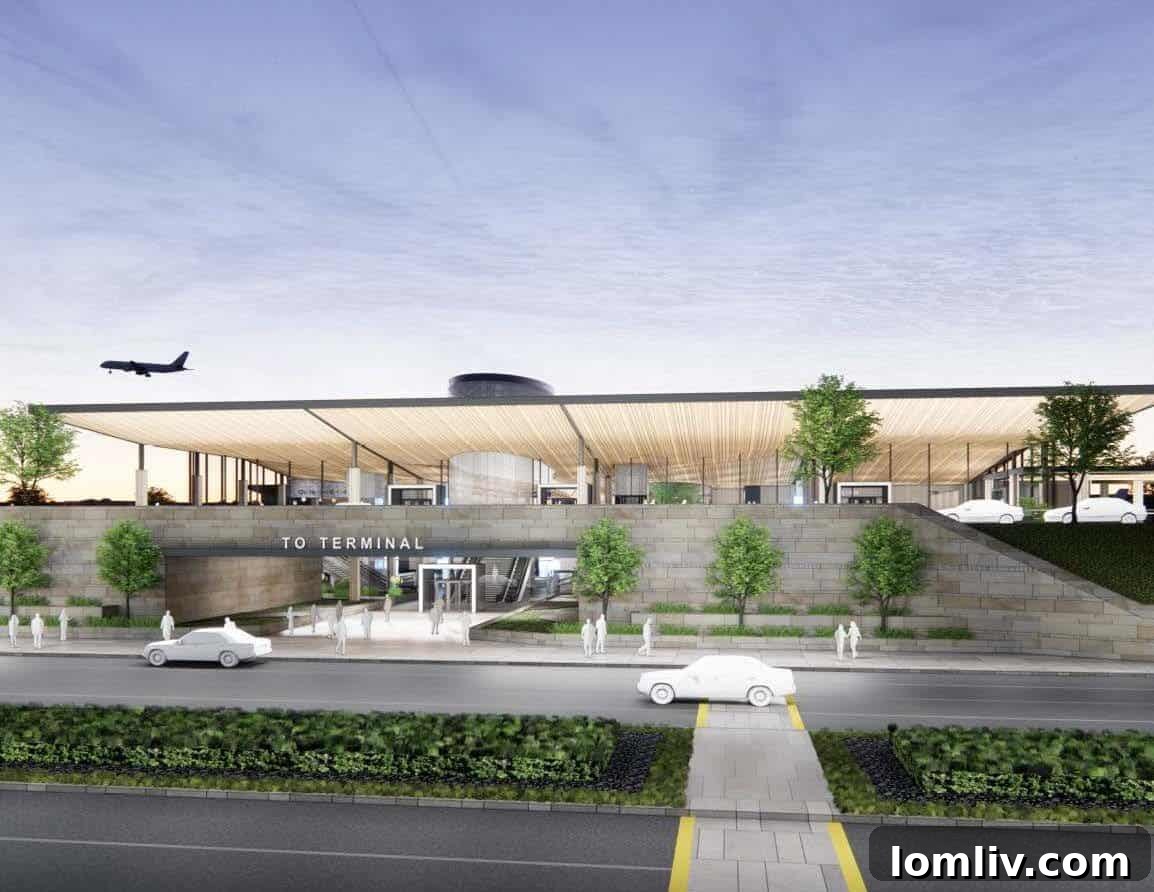
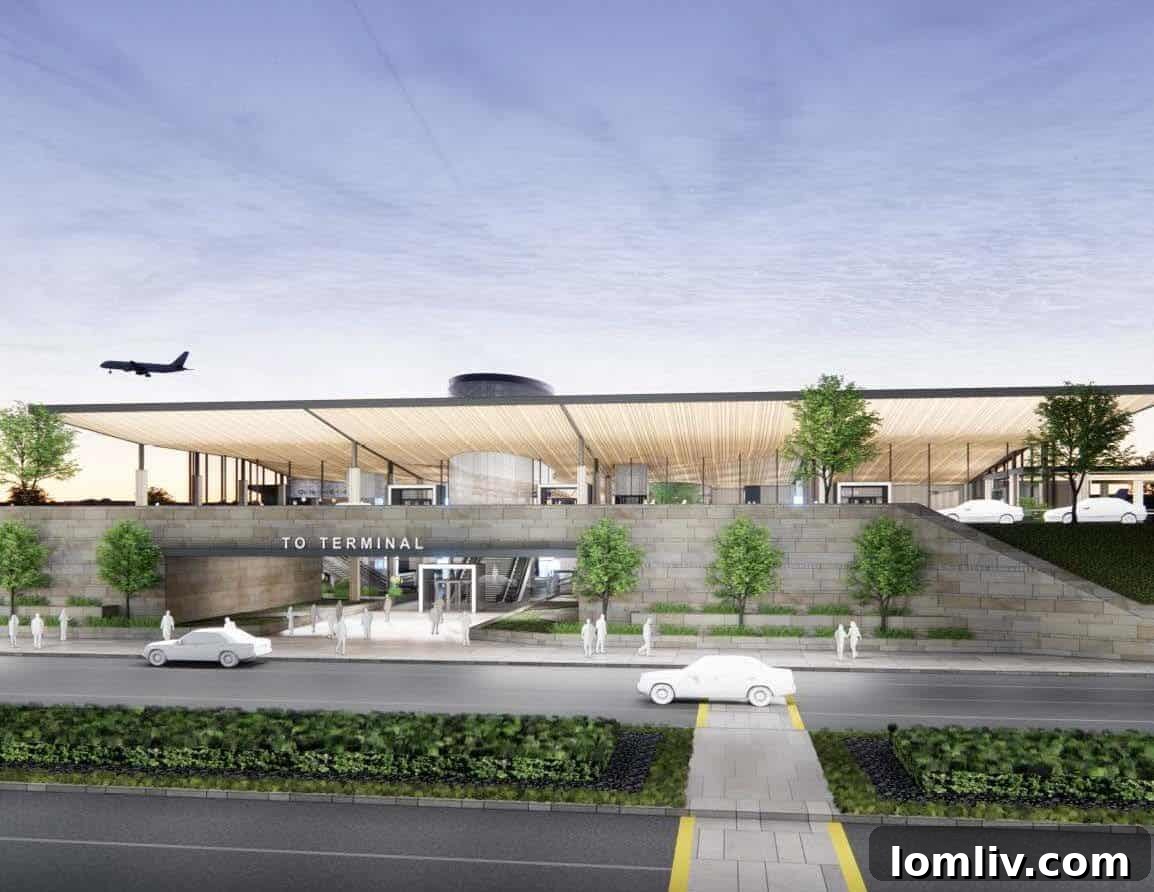
The future of McKinney’s connectivity and economic landscape hinges on a pivotal decision by its voters on May 6. This bond election will determine whether plans to transform McKinney National Airport into a vibrant commercial airline hub will receive the green light, potentially ushering in a new era of growth and accessibility for Collin County. The proposed expansion, a subject of extensive debate and careful planning, seeks to invest $200 million into the airport’s infrastructure to accommodate commercial passenger services, positioning McKinney as a significant regional gateway.
In a significant step forward, the McKinney City Council, during its Tuesday, February 7 meeting, unanimously approved placing this critical bond election on the May 6 ballot. This decision underscores the council’s commitment to exploring the full potential of McKinney National Airport and addressing the evolving transportation needs of the rapidly growing Dallas-Fort Worth metroplex. The unanimous vote reflects a strategic vision to position McKinney as a key player in regional air travel, but it also acknowledges the complex layers of approvals and community consensus required for such an ambitious undertaking.
McKinney Mayor George Fuller has emphasized that while the bond election is a vital initial step, it represents just one of many prerequisites before commercial airline service becomes a reality. “There is a lot to happen,” Mayor Fuller stated, highlighting the intricate process involved in bringing commercial carriers to the Collin County airport. He reassured residents that the city’s commitment to the project is conditional, explicitly stating in October that “we won’t spend a penny unless we have commitments from the airline” and if the bond referendum fails. This cautious approach aims to protect taxpayer interests and ensure that any investment is strategically sound and backed by firm airline partnerships. The Mayor’s stance provides a clear framework for how the city intends to proceed, balancing aspirations with financial prudence.
“If you’re pro-airport, [this election] doesn’t ensure that the airport is going to be built. If you’re anti-airport, it doesn’t mean the airport is going to be built,” Fuller explained, cutting through the immediate interpretations of the vote. “It means that we have taken a step in the many, many steps required before we get to the place where we are saying ‘I do’ at the altar.” This analogy vividly illustrates the long and deliberate path ahead, emphasizing that the May 6 vote grants the city the financial capacity to proceed with further negotiations and development, but not a guaranteed outcome. It’s a foundational step, not the culmination of the project.
Years of meticulous planning and collaboration have preceded this moment. Mayor Fuller revealed that the city has been working extensively with the Federal Aviation Administration (FAA) and various consultants to meticulously craft the expansion plan. A cornerstone of this extensive preparatory work is the environmental analysis currently being conducted by the FAA. Assistant City Manager Barry Shelton assured the public that the comprehensive results of this critical assessment will be made public well in advance of the May 6 election, allowing voters to make an informed decision based on factual data and environmental considerations. This transparency is crucial for building public trust and addressing potential ecological concerns and community impact.
Further demonstrating the city’s commitment to public engagement, Shelton confirmed plans to host a series of open houses in June to thoroughly discuss the FAA’s environmental findings and answer community questions. These forums will provide residents with an invaluable opportunity to engage directly with city officials, understand the nuances of the assessment, and voice their perspectives on the proposed development. This proactive outreach is designed to ensure that all voices are heard and that the community is fully educated on the project’s implications, fostering a more collaborative decision-making environment.
McKinney City Council member Patrick Cloutier extended an appeal to those residents who harbor reservations about commercial passenger flights operating from McKinney National Airport. He urged them to consider the broader benefits and to “give us that level of approval” that the bond election represents. Cloutier’s statement highlights the council’s desire for community unity in moving forward, acknowledging that while concerns exist, the potential for economic prosperity and improved regional access could ultimately outweigh them for the collective good of the city and county.
Reports from WFAA have previously indicated an ambitious timeline for McKinney National Airport, with aspirations to commence commercial operations by 2026. City leaders have projected that the expanded airport could serve approximately 500,000 passengers annually in its initial phases, a figure that underscores the significant impact this development could have on regional air travel and local tourism. This projection, while optimistic, forms the basis for the economic forecasts and strategic planning surrounding the expansion, positioning McKinney as a future gateway for North Texas travelers and a potential economic engine.
Decoding the McKinney National Airport Expansion: Proponents vs. Detractors
The ambitious proposal to expand McKinney National Airport has, predictably, not been without its share of detractors. At the recent city council meeting, three individuals voiced strong opposition, raising pertinent questions about the feasibility, economic impact, and overall necessity of the project. These dissenting voices highlight the critical need for a balanced discussion and thorough analysis of all aspects before a final decision is reached, ensuring that all perspectives are carefully considered in this transformative endeavor for McKinney.
Dean Fleming, one of the outspoken opponents, meticulously questioned many of the city’s assertions regarding the projected benefits of the four-terminal airport. He expressed skepticism about the claims that the expansion could generate thousands of new jobs and inject an astounding $1 billion annually into the local economy. Fleming argued that many of the studies cited by the city appeared to exhibit a clear bias in favor of the terminal’s expansion, suggesting that independent, unbiased analyses might yield different conclusions. His concerns underscore the importance of objective data in such large-scale public projects, demanding a rigorous verification of all economic projections.
Furthermore, Fleming challenged the city’s optimistic projection of 500,000 annual passengers, questioning whether residents would genuinely prefer to fly commercially out of McKinney when established alternatives like Dallas/Fort Worth International (DFW) and Dallas Love Field (DAL) are readily available. “Do we really think that’s going to happen under the first year of service?” he asked, drawing attention to the airport’s current infrastructure, which features only one terminal. This point of contention highlights a fundamental question: can McKinney National truly carve out a significant niche in an already competitive regional air travel market, especially in its initial operational phase?
In response to these valid concerns, Council member Patrick Cloutier respectfully acknowledged the hesitations of residents but firmly reiterated the strategic rationale behind the expansion. He posited that the rapidly growing Dallas-Fort Worth area is increasingly warranting a third major airport, and that Collin County, with its burgeoning population and robust economy, is uniquely suited to host it. Cloutier emphasized that the expansion isn’t merely about adding capacity but about proactively addressing future demand and enhancing regional resilience in air travel. The argument suggests that rather than competing directly, McKinney National would complement the existing airport network, offering a convenient alternative for travelers in the northern reaches of the metroplex and alleviating congestion at the larger hubs.
Cloutier also highlighted the significant existing infrastructure at McKinney National Airport as a major advantage. He pointed out that its impressive 8,500-foot runway is already longer than that of John Wayne International Airport in California, a facility that successfully operates commercial services with substantial passenger traffic. Moreover, he cited the example of San Diego’s 40-gate airport, which manages substantial commercial traffic with just a single runway, demonstrating efficiency and capacity. These comparisons serve to bolster the argument that McKinney National Airport possesses a strong foundational framework that can be efficiently upgraded for commercial use, making the proposed expansion a more practical and less resource-intensive endeavor than building an entirely new airport from scratch. “This can work,” he confidently asserted, reflecting a belief in the airport’s inherent potential to serve a growing market effectively.
The Road Ahead: Milestones and Public Engagement for McKinney’s Airport Future
Following the significant city council meeting, Mayor Fuller outlined the critical next steps in the journey toward potentially bringing commercial airline service to McKinney. The immediate focus is on the Federal Aviation Administration’s (FAA) environmental assessment, which is anticipated to be released in March. Upon its receipt, the city commits to a thorough review and transparent sharing of its findings with the public. This assessment is a pivotal document, as a favorable outcome is indispensable for any further progress on the airport expansion, ensuring environmental compliance and community well-being.
To ensure widespread understanding and foster community dialogue, Mayor Fuller confirmed that the city plans to hold “numerous” open meetings. These public forums will be dedicated to discussing the FAA report and its conclusions in detail, providing residents with ample opportunities to ask questions, voice concerns, and gain clarity directly from city officials. This commitment to extensive public engagement underscores the city’s dedication to an informed decision-making process, acknowledging that community buy-in and thorough education are paramount for the long-term success of such a transformative project.
Mayor Fuller also revealed that there is “tremendous interest” from major airlines regarding potential national routes from McKinney National Airport. This level of airline engagement is a strong indicator of the perceived viability and market potential of the airport, lending weight to the proponents’ arguments for expansion. Such interest suggests that airlines recognize the growing population and economic strength of Collin County, making it an attractive destination and departure point for air travelers. These expressions of interest will be crucial as the city progresses toward negotiating definitive contracts that benefit all stakeholders.
The path forward is structured around a series of contingent approvals: “Assuming the FAA [environmental assessment] is favorable, the residents pass the bond and we have FAA approval, we will then be able to negotiate contracts with the airlines,” Fuller reiterated. This sequence highlights the interconnectedness of these critical milestones. Each step must be successfully navigated before the next can commence, reinforcing the mayor’s earlier statements about the deliberate and conditional nature of the project. This phased approach is designed to mitigate risks and ensure that all regulatory, financial, and community prerequisites are met before significant capital is committed.
Crucially, Mayor Fuller emphasized that the city would only proceed with moving forward on the project if it can secure “favorable contracts for the city” with the airlines. This commitment underscores a dedication to ensuring the expansion is not only viable but also economically beneficial for McKinney and its residents, rather than merely serving airline interests. This due diligence in contract negotiation is vital for protecting public funds and maximizing the return on investment for the community, ensuring long-term sustainability and positive impact.
While the blueprint for McKinney National Airport’s expansion has certainly generated some negative reactions from residents, Mayor Fuller stressed the paramount importance of the city’s role in educating and providing accurate, factual information to residents. This focus on verifiable data aims to counter the spread of misinformation and enable constituents to make decisions based on a clear understanding of the project’s details and potential ramifications. Addressing misinformation is critical for fostering a productive civic dialogue and ensuring that the public discourse is founded on truth rather than speculation.
“There is so much disinformation on social media that it is hard to decipher the origin of opposition in many cases,” Fuller observed, acknowledging the challenges posed by the modern information landscape. He further articulated the city’s desire to engage with informed opponents: “For those that are informed and are opposed to the airport, we need to hear from them and see how to mitigate the reasons for opposition.” This open-door policy suggests a willingness to adapt plans or address specific concerns where possible. However, the Mayor also realistically conceded, “That said, there will be opposition by some residents that cannot be mitigated. However, I believe that if the majority of the community supports the advancement, we will advance.” This statement encapsulates the democratic principle at play: while all voices are valued, the ultimate decision will rest with the majority of McKinney voters, shaping the city’s trajectory for decades to come as it navigates this significant urban development.