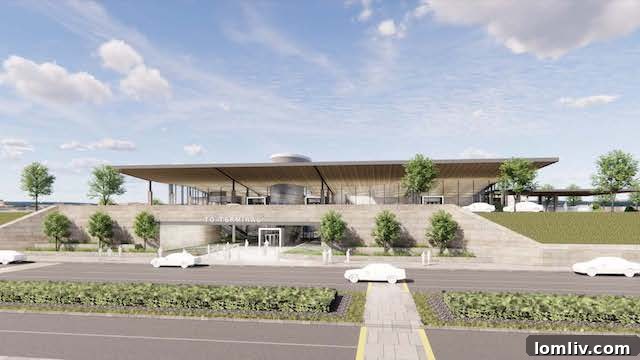
The burgeoning landscape of North Texas is on the cusp of a transformative change with the potential introduction of commercial airline operations at McKinney National Airport. This strategic development is poised to unleash unprecedented economic growth and expanded opportunities for Collin County and the rapidly developing communities to its north.
Rogers Healy, a prominent figure and president of Rogers Healy and Associates, articulated the profound impact this move could have, stating that commercial flight operations at McKinney National Airport would undoubtedly add “fuel to the fire” for an already vibrant and booming Collin County. The region’s remarkable growth trajectory has continuously exceeded expectations.
“Nothing surprises us at this point,” Healy remarked, reflecting on the sustained and vigorous expansion witnessed across Collin County. This sentiment underscores the dynamic environment and robust market that are ripe for further infrastructure investment.
Healy further emphasized that the initiation of commercial flights would unlock a wealth of new opportunities, fostering significant job growth and enhancing economic security within a region that has seen its population surge by over 43 percent since 2010, accommodating more than 1.1 million residents by 2022. This exponential demographic rise necessitates advanced infrastructure to support its future.
As previously highlighted by WFAA, McKinney National Airport is setting its sights on commencing commercial operations by 2026. City leaders have projected a substantial annual passenger volume, with approximately 500,000 travelers expected to utilize the airport each year. This estimated figure illustrates the significant demand and anticipated impact of the new terminal.
Beyond McKinney, Healy astutely observed that commercial operations would particularly benefit areas further north, such as Melissa, Anna, and Princeton. These communities are experiencing their own rapid development, and with the airport, they are “not outliers anymore” but integral parts of the expansive North Texas growth corridor, gaining vital access and connectivity.
McKinney Airport Expansion: A Vision Forged Over Years
The ambition to establish commercial air service at McKinney National Airport is not a recent impulse; it is the culmination of years of dedicated effort. McKinney Mayor George Fuller revealed that commercial operations have been a project three-and-a-half years in the making. The city has meticulously collaborated with leading airline industry consultants to thoroughly assess market demand and gauge interest from various airlines, ensuring a viable and sustainable future for the airport.

Mayor Fuller highlighted a critical distinction: the Dallas-Fort Worth area, while comparable in size and demographic profile to major metropolitan areas like Boston and San Francisco, stands out due to its unparalleled growth rate. Furthermore, he noted that while cities such as Boston and San Francisco are served by five airports, the DFW area currently relies on just two primary hubs—Dallas/Fort Worth International Airport (DFW) and Dallas Love Field.
Dallas Love Field is currently operating at its maximum capacity, and DFW International Airport is rapidly approaching its operational limits. With the northeast sector of the North Texas region projected to expand beyond 3 million residents in the coming years, the existing aviation infrastructure faces immense pressure to accommodate this burgeoning population and its travel needs.
“The demand is there now and it will continue to grow as we grow,” Mayor Fuller confidently stated, emphasizing the urgent need for expanded air travel options to keep pace with the region’s dynamic development. This proactive approach aims to address future requirements before they become bottlenecks.
Fuller stressed that the fundamental objective for McKinney National Airport is to “augment” the operations of DFW and Love Field, not to enter into direct competition. “We’re not looking to compete,” he affirmed. However, McKinney’s mayor did reveal that airlines have expressed interest extending beyond mere regional routes, indicating a desire to serve “major markets” such as Chicago, Boston, and Denver, among other key destinations, thereby offering greater connectivity for North Texas residents.
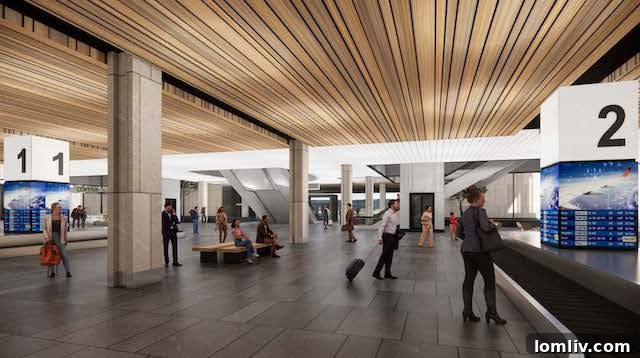
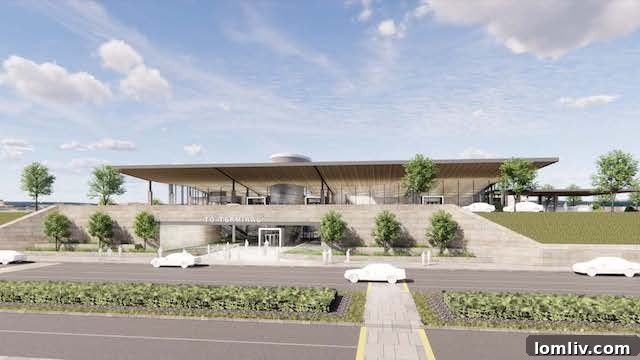
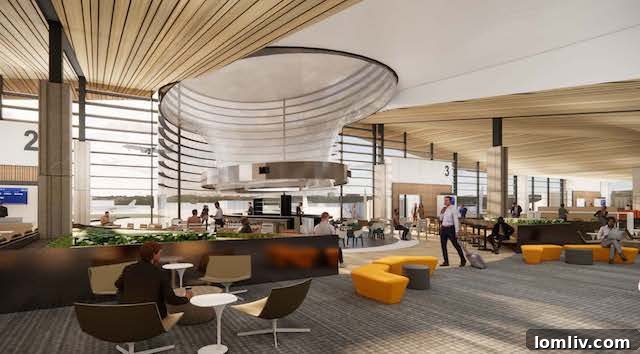
During ongoing discussions, Mayor Fuller confirmed that all airlines engaged with the city are currently operating under non-disclosure agreements, a standard practice in such significant infrastructure projects. The ambitious project is estimated to cost approximately $300 million and is planned to initially feature four gates, with a strategic design allowing for future expansion to up to 16 gates, anticipating long-term growth.
He further elaborated that comprehensive flight studies are actively underway, “as we speak.” The initial phase includes essential noise and pollution studies, mandated by the Federal Aviation Agency (FAA), alongside a thorough environmental impact assessment. These critical studies ensure the project’s compliance with federal regulations and its commitment to environmental stewardship and community well-being.
McKinney Voters: The Ultimate Decision-Makers
The journey towards commercial flight operations at McKinney National Airport is not solely dependent on airline industry interest; it ultimately rests in the hands of the local electorate. The city has proactively scheduled a bond election for May 2023, where residents will vote on the potential funding for the proposed commercial terminal, ensuring community consent for this significant investment.
Mayor Fuller underscored the city’s commitment to democratic process, affirming that McKinney would not proceed with the ambitious plan if the community does not pass the referendum in May. He stated definitively, “we won’t spend a penny unless we have commitments from the airline.” This ensures fiscal prudence and responsiveness to both market demand and citizen approval.
“We are not going to build it and hope they come,” he emphasized, clarifying that the city’s strategy is built on solid commitments and community support. He reiterated that the “ultimate decision” regarding this pivotal project will be made directly by the community, empowering residents to shape their city’s future.
Mayor Fuller, alongside the city council, expressed profound optimism that the commercial airport could usher in billions of dollars in economic impact. He detailed several key sectors poised for significant growth, including rental car services, the hospitality industry, increased tourism, and a bolstered ability to attract major corporations to the region, creating a vibrant economic ecosystem.
Sean Terry, the mayor of neighboring Celina, acknowledged the immense fortune of having both D/FW and Love Field. However, he also articulated that the establishment of a potential commercial facility in McKinney would provide additional, invaluable benefits for the overall regional community, enhancing accessibility and economic opportunities for all.
“Celina is going to be right on the heels of McKinney as being one of the biggest cities in Collin County, and having this as an option for commercial partners would be another reason to move your company to Celina,” Mayor Terry enthused. This highlights the ripple effect of the airport, extending economic advantages to surrounding municipalities.
He added that the airport’s expansion would be a “very positive addition” for all surrounding cities, serving as “another recruiting tool” in the ongoing efforts to attract commercial growth and investment into Collin County. This collective benefit underscores the regional significance of the project.
“This will be a great thing for the county,” he concluded, reflecting the broad consensus among regional leaders about the positive impact of enhanced air service.
Princeton Mayor Brianna Chacon shared her excitement for the growth this endeavor could stimulate, particularly for smaller cities like Princeton, strategically located just six miles from the McKinney airport. This proximity positions Princeton for direct and immediate benefits from the airport’s operations.
“It is an extremely wise economical decision for McKinney and will help serve all residents who live North of the metroplex and allow more travel options,” Chacon asserted, emphasizing the convenience and accessibility it would provide for a vast population.
She unequivocally stated that McKinney’s plan is “absolutely” viable, provided that voters approve the critical bond measure in May 2023. This underscores the project’s dependency on strong community support and engagement.
“Ultimately, that’s who will decide the fate of this endeavor: the citizens. However, I truly believe that the majority of citizens will support this as they understand the economic impact this will bring plus it gives them more convenience in traveling,” she explained, highlighting both the economic rationale and the practical benefits for residents.
The Princeton mayor further elaborated that “the possibilities are endless” when considering the potential for commercial growth across the surrounding cities, unequivocally stating that it would positively impact Princeton in numerous ways. This optimistic outlook reflects the transformative power of improved infrastructure.
“There will be an overflow of commercial development as a result of the airport, and we have the land to help fulfill that. We are only six miles from the airport, and an even shorter commute once the six-lane thoroughfare opens on Myrick Lane that will allow Princeton a straight shot and easy access to the airport,” Chacon detailed. She concluded with an invitation: “Our business park is located directly on this corridor and we are welcoming the commercial development with open arms.” This paints a clear picture of Princeton’s strategic readiness to embrace the opportunities brought by the McKinney National Airport.