

By James Bell, Esquire
Special Contributor
Navigating the Aftermath: Essential Steps for Dallas Tornado Insurance Claims
The recent devastating tornadoes that ripped through Dallas, particularly the affluent Preston Hollow area, left an unprecedented trail of destruction. An EF-3 tornado, with its sheer force, completely leveled some homes, severely damaged others, and impacted countless structures across the community. As an attorney dedicated to representing property owners whose lives and homes are upended by such catastrophic windstorms, my immediate thoughts turn to the legal rights and protection of those affected. It is my sincere hope that insurance companies will uphold their commitments, acting ethically and efficiently for their policyholders who have diligently paid their premiums, trusting that in their greatest time of need, their providers would step up.
Regrettably, experience teaches us that this ideal scenario doesn’t always materialize. However, proactive policyholders can significantly influence the outcome of their claims. Knowing the critical steps to take immediately following a disaster can make all the difference in achieving a successful recovery.
Your Immediate Action Plan: Securing Your Insurance Claim Success

-
Report Your Claim Promptly and In Writing
The very first step is to contact your insurance company and formally report your claim. While a phone call is a good start, it’s imperative to follow up with a written notice. Ask for the specific address or email where you can send this written notification. A simple, concise description of the incident and the visible damage will suffice initially. Even if your insurance representative assures you that written notice is unnecessary, send it anyway. This creates an indisputable paper trail, serving as crucial legal evidence that you met your policy obligations. Always secure and record your unique claim number for all future communications.
-
Request an Advance Payment for Immediate Needs
For policyholders facing significant property damage, many insurance companies routinely offer an immediate advance payment, typically ranging from $1,500 to $5,000. This emergency cash can be invaluable for covering urgent expenses such as temporary lodging, food, and essential supplies. Do not hesitate to inquire about this option. It’s vital to meticulously keep all receipts for every expenditure made with these advance funds, as you will need to account for them later in your claim process.
-
Thoroughly Understand Your Insurance Policy
Before making any major decisions, take the time to read your entire insurance policy document. Do not rely solely on the declarations page, which only provides a summary. The full policy outlines precisely what is covered, what is excluded, and any specific conditions or limitations that apply to your coverage, especially concerning perils like tornadoes and wind damage. Highlight any sections you find unclear and request your insurance adjuster to provide comprehensive explanations. If your policy has been lost or damaged in the storm, immediately request a new copy from your insurer. Understanding your policy is your best defense against potential claim disputes.
-
Explore Additional Living Expenses (ALE) Coverage
If your home is deemed uninhabitable due to storm damage, contact your insurance company to determine if your policy covers “Additional Living Expenses” (ALE). Most homeowner policies provide reimbursement for reasonable expenses incurred while your family is displaced and your insured residence undergoes repairs or rebuilding. This coverage can be a lifesaver, particularly if reconstruction takes many months or even over a year. ALE can cover the cost of renting a comparable home, hotel stays, restaurant meals, laundry services, and even mileage for increased travel due to your temporary relocation. Always obtain advance approval from your insurance company before signing any long-term leases, and, once again, diligently save all receipts for proper reimbursement.
-
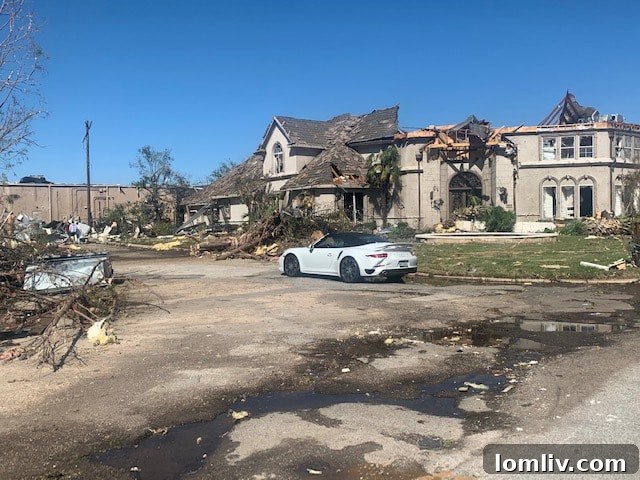
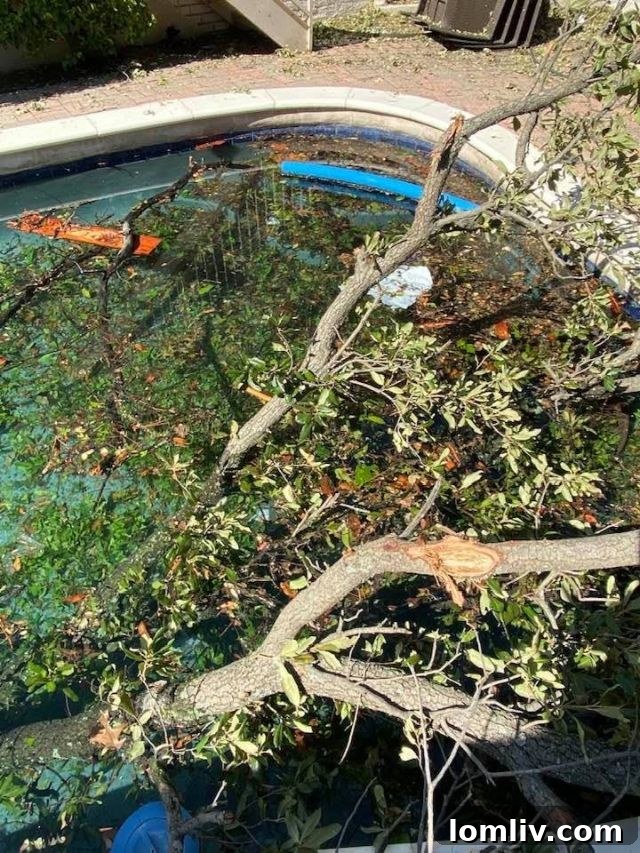
Document All Damage Extensively with Photos and Videos
Your initial instinct after a disaster might be to immediately clean up and discard damaged items. Resist this impulse. Instead, grab your camera or smartphone and meticulously document every aspect of the damage. Take wide-angle shots to show the overall scene, then close-up photos of specific damage points—the tree through the roof, the collapsed ceiling, water-damaged furniture, soaked mattresses, and cherished possessions. Videos, especially those with narrated descriptions of the damage and date/time stamps, are incredibly powerful evidence. The more visual evidence you collect, the better. This extensive documentation will be invaluable for explaining the extent of your loss to the insurance company, especially since adjusters can change throughout the life of a claim. You cannot solely rely on the initial adjuster’s assessment to be fully comprehensive.
-
Create a Detailed Inventory of Damaged Property and Contents
Beyond visual documentation, prepare a thorough written inventory of all damaged building components and personal contents. Walk through every room and list everything that is wrong with your home, no matter how minor it seems—a new crack in the wall, a leak in the kitchen, damaged flooring. For personal belongings, list each item, its description, estimated purchase date, and approximate value. Take pictures of every single item on your inventory list. It may seem logical to remove unsalvageable items to the curb for disposal, but refrain from discarding anything until the insurance adjuster has had an opportunity to inspect it. If a high-value item like a 70-inch LCD TV is gone before inspection, the insurance company could dispute its existence or condition.
-
Maintain All Communications in Writing
Every interaction with your insurance company or adjuster should be followed up with written confirmation. If you have a phone conversation or an in-person meeting, send an email summarizing what was discussed, agreed upon, and any next steps. This practice helps prevent misunderstandings, ensures accountability, and creates a clear record of your claim’s progress. In the chaos following a major catastrophe, details can easily be overlooked; a written record provides clarity and protection.
-
Keep Detailed Notes and a Claim Log
Create a dedicated log or journal to record every interaction related to your claim. Note the date and time of each call or meeting, the name and title of the person you spoke with, and a summary of the conversation or agreement. This includes every time an adjuster visits your property or contacts you directly. A meticulous claim log helps you track progress, recall details, and provides a clear timeline should any disputes arise. This level of organization can prove invaluable in substantiating your claims.
-
Mitigate Further Damage to Your Property
Insurance policies generally require policyholders to take reasonable steps to prevent further damage to their property after an incident. For instance, if your roof has a hole, immediately cover it with a tarp to prevent rain from causing additional interior damage until permanent repairs can be made. Discuss with your insurance adjuster whether the policy will cover the costs of these temporary repairs, as most policies do.
-
Diligently Provide All Requested Documentation
Cooperation with your insurance company’s investigation is a standard policy requirement. This includes producing specific documents or papers upon request, such as proof of ownership, prior repair invoices, or detailed estimates for new repairs. Failing to provide requested documentation can give the insurance company grounds to deny your claim. Ensure you understand what is being asked and provide it promptly. For complex requests, consider seeking legal guidance.
-
Seek Legal Counsel Before Submitting a “Proof of Loss”
At some point, your insurance company may request a “Proof of Loss” statement. This is a sworn, legally binding document detailing the amount of your loss. It is critical to understand that once submitted, it can be difficult to amend. For this reason, it is highly recommended that you obtain legal advice from an experienced insurance attorney before signing and submitting any Proof of Loss statement to ensure it accurately reflects your total damages and protects your rights.
-
Understand the Implications of an “Examination Under Oath” (EUO)
Most insurance policies permit the company to require the policyholder to submit to an Examination Under Oath (EUO). This is a formal, sworn testimony given under oath, much like a deposition in a court case, with a lawyer representing the insurance company asking questions. Insurance companies typically only request an EUO when there are serious concerns about the validity of the claim, such as suspected fraud or significant discrepancies. Due to the high-stakes nature and legal implications of an EUO, it is absolutely essential to secure legal representation before agreeing to be examined under oath.
-
Demand Regular Updates on Your Claim
Stay proactive and persistent in communicating with your insurance company. The adage “the squeaky wheel gets the grease” often applies to insurance claims. Regularly inquire about the status of your claim and request timelines for next steps. Conversely, ensure the insurance company always has your most current contact information to prevent any communication delays on their end.
When to Seek Professional Legal Assistance
While many insurance claims are resolved satisfactorily, it’s not uncommon for policyholders to discover overlooked damage, or that the repair costs significantly exceed the insurance company’s settlement offer. If your insurance company denies your claim outright, underpays it, or delays it unreasonably, do not hesitate. Immediately consult with an experienced insurance attorney. Their expertise can be crucial in navigating complex policy language, negotiating with insurers, and, if necessary, litigating to ensure you receive the full and fair compensation you are entitled to under your policy.
James S. Bell is a resident of Preston Hollow and is licensed to practice law in Texas, New York, and California, as well as in federal courts. His extensive career spans various legal fields, including business law, child custody, criminal defense, healthcare law, investment fraud, personal injury, and real estate. Renowned for his numerous courtroom achievements, Mr. Bell is recognized as a knowledgeable and passionate trial attorney who fiercely advocates for every client he serves. He graduated cum laude from Southern Methodist University Dedman School of Law. Throughout his distinguished career, James Bell has secured significant victories for his clients, resulting in million and multimillion-dollar recoveries.