By Duke Loper of Hobert Pools & Spas
Comprehensive Guide to Winter Pool Maintenance: Protecting Your Investment
As the vibrant, sun-drenched days of summer gracefully recede, they usher in cooler temperatures and a noticeable decrease in pool activity. While your swimming pool might no longer be the center of your daily enjoyment, this period, often referred to as the off-season, is far from a time for neglect. In fact, ignoring your pool during the colder months can lead to significant issues, costly repairs, and a less than stellar reopening experience come springtime. Proper winter pool maintenance is not merely a suggestion; it’s an essential strategy for safeguarding your investment, ensuring the longevity of your pool, and simplifying its revival when warm weather returns.
Even if you reside in a region where a full pool closure isn’t strictly necessary, adhering to a diligent maintenance routine throughout winter is paramount. This proactive approach ensures your pool’s systems remain functional and efficient, preventing common off-season problems such as algae growth, equipment damage from freezing temperatures, and imbalances in water chemistry. By taking the right steps now, you can avoid a stressful and expensive spring cleanup, guaranteeing a smooth and enjoyable start to the next swimming season. Continue reading for a detailed, step-by-step guide on mastering winter pool maintenance.
Strategic Water Level Adjustment for Winter
One of the foundational steps in preparing your pool for the winter months is carefully adjusting its water level. This isn’t just about reducing volume; it’s a critical measure to protect your pool’s infrastructure from the damaging effects of freezing water. Before you lower the water, it’s crucial to ensure your pool is as clean as possible. Skim leaves, vacuum the bottom, and brush the walls to remove any lingering debris that could decompose over winter, fostering algae growth or staining your pool’s surfaces.
- Lowering the Water Level: The general recommendation is to lower the water level to several inches below the lowest intake point of your pool. This typically means bringing the water line below the skimmer opening and any wall returns or automatic cleaner lines. The primary reason for this is to prevent water from entering and freezing within your pool’s plumbing and pumping system. Freezing water expands, and if trapped in pipes or delicate equipment components, it can cause severe cracks, leading to leaks and expensive repairs.
- Ensuring Water Clarity: Prior to adjusting the water level and initiating the winterization process, confirm that the water is meticulously clean and free of dirt, leaves, insects, and other foreign materials. A clean pool environment is essential for effective chemical balancing, which is your first line of defense against the proliferation of mold, mildew, and stubborn algae blooms during its dormant period. Any organic matter left in the water will decompose, consuming vital sanitizers and creating an ideal breeding ground for undesirable microorganisms.
Mastering Water Chemistry for Optimal Winter Pool Maintenance
Achieving the correct water chemistry is arguably the most vital aspect of winter pool maintenance. It involves meticulously balancing the pH, alkalinity, calcium hardness, and sanitizer levels to create an environment that inhibits algae and bacteria growth, prevents staining, and protects your pool’s surfaces and equipment from corrosion or scaling. Neglecting water chemistry during the off-season can lead to significant problems, turning your pool into a green, stained, or damaged mess by spring.
Here’s a detailed breakdown of how to fine-tune your pool’s water chemistry for winter:
- Adjusting pH Levels: Before winterizing, aim to increase your pool’s pH level to a range of 7.6-7.8. Over extended periods of inactivity, such as during winter, stagnant water naturally experiences a decrease in pH. By starting slightly higher than the ideal summer range (7.4-7.6), you preemptively offset this natural decline. Maintaining a balanced pH helps prevent corrosive low pH levels that can damage pool liners, plaster, and equipment, leading to etching, staining, and accelerated wear.
- Raising Total Alkalinity (TA): Increase the total alkalinity to a target range of 150-175 ppm. Similar to pH, alkalinity tends to decrease in dormant water. Adequate alkalinity acts as a buffer, stabilizing your pH levels and preventing drastic fluctuations. A proper TA level is crucial for preventing staining on your pool’s liners and plaster, ensuring your pool’s surfaces remain pristine throughout the winter months.
- Optimizing Calcium Hardness: Elevate calcium hardness levels to above 200 ppm, ideally between 200-250 ppm. Calcium hardness is vital for protecting your pool’s plaster, grout, and equipment from etching. If the water lacks sufficient calcium, it will aggressively seek to extract it from pool surfaces, leading to erosion and weakening of the pool’s coating. Conversely, too much calcium can lead to scaling, but for winter, slightly higher levels are generally beneficial to prevent surface degradation.
- Maintaining Chlorine Levels: Keep your chlorine levels between 1-3 ppm. While usage is minimal, a consistent chlorine residual is necessary to kill any lingering germs, bacteria, and microscopic organisms that can survive or even thrive in colder, stagnant conditions. Using a winterizing chemical kit often includes a slow-release chlorine product designed to maintain this level over weeks or months.
- Adding Algaecide: A sufficient amount of high-quality algaecide is a non-negotiable step for winterization. Algae can develop even in cold water, especially if sunlight penetrates the cover. Depending on your pool’s history of algae outbreaks and the specific type of algaecide, you may need to add a stronger dose or a long-lasting formula. Algaecides create an inhospitable environment for algae, preventing unsightly green or black growth that can be a nightmare to clean in spring.
Essential Pool Equipment Care for Winter Pool Maintenance
The off-season is a crucial time to meticulously care for your pool equipment. Proper maintenance and storage of these vital components can extend their lifespan, prevent damage, and ensure they are ready for action when swimming season resumes. Overlooking this step can lead to costly repairs or premature replacement of essential gear.
Here’s a comprehensive checklist for preparing your pool equipment for winterization:
- Removing Pool Accessories: Begin by carefully removing all movable pool equipment and accessories. This includes ladders, handrails, steps, skimmer baskets, solar covers, pool toys, and even decorative ducks or floats. Storing these items indoors, in a dry and protected area, significantly reduces their exposure to harsh winter temperatures, corrosive elements, and potential damage from ice, snow, or high winds. This preventative measure prolongs their life and maintains their aesthetic appeal.
- Thorough Cleaning and Drying: After removal, meticulously wash all equipment and accessories. Use a mild cleaner and ensure all dirt, grime, and chemical residues are thoroughly rinsed off. Allow each item to air dry completely before storing them away for the season. Proper drying prevents the growth of mold and mildew, inhibits rust formation on metallic parts, and keeps equipment in pristine condition for next year.
- Conducting a Visual Inspection: Before putting away remaining equipment or securing what stays in place, perform a thorough visual inspection. Examine pump housing, filter tanks, heater elements, and all plumbing for any visible cracks, gaps, or signs of wear. Pay particular attention to seals and gaskets. Even minor imperfections can be exacerbated by freezing temperatures, leading to significant damage. Repair any identified issues immediately, ideally before closing your pool, to prevent more extensive problems.
- Ensuring Complete Drainage: It is paramount that all pool equipment, including pumps, filters, heaters, and chlorinators, is completely drained of water. Water left in these components can freeze, expand, and crack the housing or internal parts, rendering them irreparable. While draining, ensure you do not seal the drain plugs immediately. Leaving them open allows for any residual moisture to escape and prevents a vacuum seal that could trap water.
- Avoid Antifreeze in Pool Equipment: A common misconception is to use automotive or RV antifreeze in pool equipment. This is generally not recommended. While some specialized, non-toxic pool antifreeze solutions exist for plumbing lines, traditional antifreeze can severely damage the seals, gaskets, and internal components of your pool pump, filter, and heater. Always consult your equipment manufacturer’s guidelines for specific recommendations regarding freeze protection.
- Inspecting for Rodent Activity: Before sealing up any equipment, particularly pool heaters or areas with intricate wiring, inspect thoroughly for signs of rodent nesting. Mice, rats, and other small animals often seek warmth and shelter during winter, and pool equipment offers an attractive haven. Rodents can chew through wires, build nests that block airflow, and cause significant damage that might go unnoticed until spring.
- Turning Off the Power Breaker: Crucially, ensure the main power breaker to your pool equipment is switched off. This prevents the pump or heater from accidentally activating when the plumbing lines are empty. If a pump runs dry, it can quickly overheat and melt its internal components, leading to complete failure. This step is a critical safety measure for both your equipment and anyone working near it.
Optimizing Your Pool Cover for Winter Protection
A high-quality, properly installed pool cover is more than just a piece of fabric; it’s a critical component of your winterization strategy. It acts as a protective shield, safeguarding your pool from environmental elements and significantly reducing the workload for spring opening. Selecting the right cover and maintaining it diligently throughout the colder months can save you immense effort and expense.
- Choosing the Perfect Fit: The most effective winter pool cover is one that perfectly fits your pool’s dimensions without leaving any gaps or spaces. A snug fit is crucial to prevent debris, leaves, rain, and sunlight from entering the pool. Gaps can compromise the cover’s protective abilities, allowing unwanted elements in and promoting algae growth by letting in UV rays, which can negate all your careful chemical balancing efforts.
- Maintaining a Clean Cover Surface: Regardless of the type of cover you use, it’s imperative to keep its surface clean. This is especially true for mesh pool covers, which allow water to drain through but can still accumulate organic material. Regularly remove leaves, twigs, and other foreign materials. A dirty cover can contribute to staining around the waterline or, if debris breaks down and enters the pool, it can affect water chemistry and clarity.
- Ensuring Automatic Cover Pump Functionality: For solid pool covers, an automatic cover pump is indispensable. This pump is designed to remove standing water (rain, melted snow) from the top of the cover, preventing heavy water accumulation that could stress and potentially damage the cover, or even cause it to collapse into the pool. Ensure the pump remains in stable working condition, free of debris, and positioned correctly to efficiently drain water. Regular checks of the pump’s operation are vital.
- Safety with Weight Loads: Exercise extreme caution when dealing with your pool cover, especially if it’s laden with heavy snow or ice. Never attempt to adjust or remove your pool cover when it has a large weight load, or if sharp-edged ice has formed on its surface. Doing so can not only cause severe damage to the cover but also poses a significant risk of injury. Allow snow and ice to melt naturally, or carefully remove snow with a soft brush from the edges without disturbing the ice directly on the cover.
Preparedness for a Winter Freeze: Protecting Your Pool in Extreme Cold
Recent winters have demonstrated the unpredictability of cold weather, even in regions not typically prone to severe freezes. Unprecedented frigid temperatures can wreak havoc on swimming pools, leading to shattered plumbing, damaged equipment, and costly repairs. With cold temperatures predicted annually, being thoroughly prepared for a winter freeze is not just smart, it’s essential. By following these proactive winter pool maintenance steps, you can significantly minimize potential issues when freezing temperatures hit your area.
- Verify Freeze Protection Systems: If your pool is equipped with a freeze protection system, whether it’s a manual dial, integrated into your pool pump, or part of a sophisticated pool automation system, it is critical to confirm its functionality. As temperatures drop, ensure that your freeze protection is activated and operating correctly. These systems are designed to automatically run your pump when temperatures approach freezing, preventing water in your pipes and equipment from stagnating and freezing, thus averting fractured or damaged components.
- Optimize Filter and Pump Run Times: To conserve energy while still providing adequate protection, consider adjusting your filter and pump run times. You can cut the running time of the filter in half and reduce the overall run time of the pump. If feasible, set the run time to occur primarily during the evening and early morning hours, which are typically the coldest. This strategy ensures that when your freeze security is enabled, it aligns with the period of greatest risk, potentially contributing to small but accumulating cost savings without compromising protection.
- Maintain Chemical Balance: Even during periods of reduced use and cold weather, consistent water chemistry is vital. Keep the pH level stable between 7.2-7.8 and test frequently to maintain free available chlorine between 1.0 and 3.0 ppm. Proper chemical balance prevents algae growth and corrosion, even if the pool isn’t actively circulating. This ongoing attention minimizes the chances of opening your pool to chemical imbalances in spring.
- Adhere to Manufacturer Guidelines and Hibernate Features: Always follow the manufacturer’s directions for the proper care and maintenance of all your pool equipment. This includes specific recommendations for winter storage or operation during reduced use. Additionally, consider “hibernating” any supplementary pool features you might have, such as slides, diving boards, water features, or automated cleaning systems. Disconnect, drain, and store these accessories according to their guidelines to prevent damage from freezing, excessive weight, or neglect.
- Specific Care for Uncovered Pools: If you opt not to cover your swimming pool during winter, your maintenance routine must be more rigorous. This includes regularly cleaning the skimmer baskets to prevent clogs, operating the filter as instructed by the manufacturer (even if at a reduced schedule), and vacuuming the pool floor as needed to remove debris. An uncovered pool is more susceptible to environmental factors, requiring consistent vigilance.
- Pre-Cover Shock Treatment: For pools that will be covered, it’s highly recommended to perform a shock treatment of the water just before applying the winter cover. Follow the directions of your chemical manufacturer for the correct dosage. This high dose of chlorine will kill any remaining bacteria and algae, ensuring the water stays clean and clear under the cover, further reducing the need for chlorine over the winter and preventing unpleasant surprises in spring.
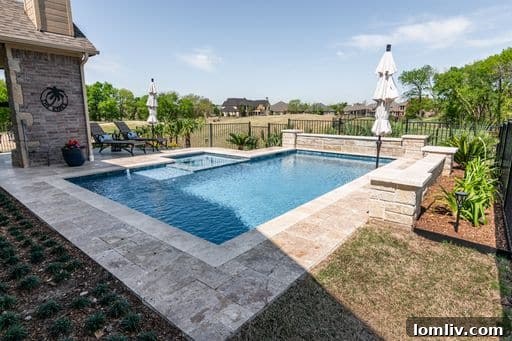
For further in-depth information and specific guidance on protecting your pool in frigid temperatures, we highly recommend consulting expert resources. Be sure to read the following post for more detailed insights:
Protect Your Pool in the Freezing Weather
Your Trusted Dallas Pool Care Experts
As winter approaches and the swimming season draws to a close, remember that your pool still requires diligent attention. A perfect pool winterization strategy is the key to ensuring your pool remains in pristine condition, safeguarding it against the harsh elements and allowing you to avoid expensive and unforeseen repairs come spring. The comprehensive tips highlighted above provide you with the best insights and actionable steps for effective pool winterization, ensuring a smooth transition into the next season.
Don’t let the complexities of winter pool maintenance overwhelm you. For expert assistance with all your pool service and maintenance needs, especially during the critical off-season, be sure to contact the highly experienced pool care professionals at Hobert Pools & Spas. Our team is dedicated to preserving the beauty and functionality of your backyard oasis year-round.
ABOUT HOBERT POOLS & SPAS
Hobert Pools is a premier Dallas pool builder, proudly serving the communities of Rockwall, Frisco, and surrounding areas with unparalleled expertise and dedication. As a family-owned and operated business since 1975, Hobert Pools has established a reputation for excellence in new pool & spa construction, innovative outdoor living design, the creation of stunning natural pools, and the artistic integration of fire & water feature aesthetics. With decades of experience and a deep understanding of unique client needs, Hobert Pools is uniquely qualified to transform your backyard vision into a breathtaking retreat that stands the test of time.
For more insightful Dallas pool design tips, valuable maintenance advice, and the latest industry trends, we invite you to subscribe to our informative blog and engage with our YouTube Channel. You can also connect with our vibrant community and stay updated by ‘Liking’ us on Facebook. To explore a diverse portfolio of exquisite pool design photos and gather inspiration for your own project, visit the extensive gallery on our website. See firsthand what Hobert Pools’ client-recommended pool design and construction team can achieve. Ready to embark on the journey of creating your very own backyard oasis? Contact the expert Dallas pool builders and trusted pool renovation specialists at Hobert Pools today to discuss your dreams and bring them to life!