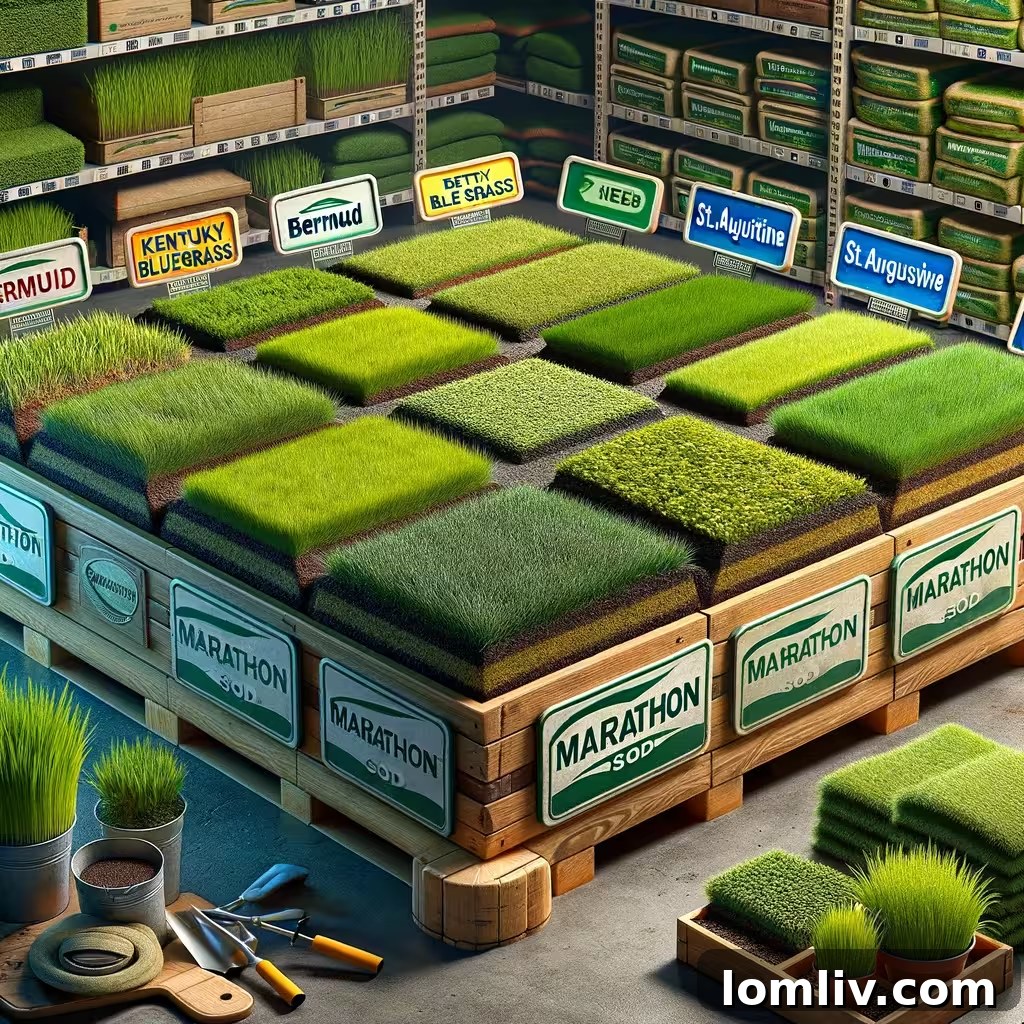
Are you envisioning that picture-perfect, lush green lawn that effortlessly enhances your home’s curb appeal and withstands the test of time and activity? Look no further than Marathon Sod. Whether you’re a discerning homeowner eager to transform your outdoor space into a vibrant oasis, or a professional landscaper who demands reliable, high-quality turf for every project, Marathon Sod offers a superior solution that combines beauty with exceptional durability and low maintenance.
In this comprehensive guide, we’ll delve into everything you need to know about Marathon Sod – from its distinct varieties and environmental benefits to expert installation techniques and long-term care strategies. Discover why Marathon Sod has become a favorite among those who desire a stunning, resilient lawn that truly makes their outdoors pop.
Types of Marathon Sod: Unveiling the Perfect Turf for Every Need
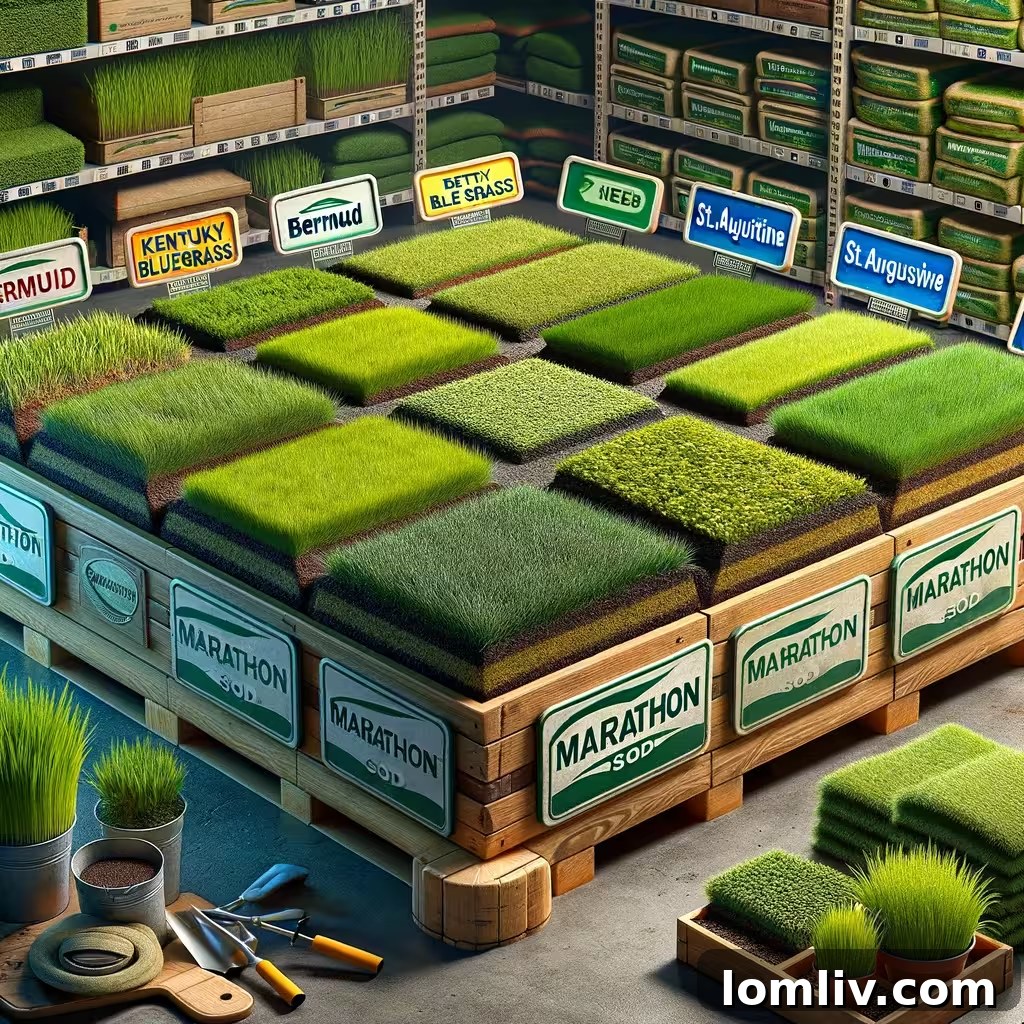
Marathon Sod isn’t just one type of grass; it’s a carefully cultivated family of premium tall fescue blends, each engineered to excel under specific conditions and aesthetic preferences. Understanding the unique characteristics of each Marathon variety is key to selecting the perfect turf for your landscape, ensuring optimal performance and lasting beauty.
Marathon I: The Resilient Champion for Active Spaces
Marathon I is the original and arguably the most robust offering in the Marathon lineup, designed for areas that endure significant wear and tear. This resilient tall fescue blend is renowned for its exceptional durability and rapid recovery rate, making it an ideal choice for high-traffic environments where other grasses might falter.
Recommended Use: Marathon I is perfectly suited for family backyards, bustling playgrounds, lively sports fields, and public parks. If you have an active household with children and pets that love to play outdoors, or if you manage a commercial property expecting heavy foot traffic, Marathon I is engineered to maintain its lush appearance and structural integrity, year after year. Its deep root system and tough blades contribute to its ability to withstand constant activity without showing signs of stress, ensuring a consistently green and inviting surface.
Marathon II: The Epitome of Elegance and Fine Texture
For those who desire a truly refined and manicured aesthetic, Marathon II is a dream come true. This variety is celebrated for its distinctly finer texture and an intensely deep green color, which collectively elevate the sophistication of any landscape. Marathon II provides a luxurious, carpet-like appearance that adds a touch of class and grandeur to ornamental areas.
Best Uses: Marathon II excels in front yards, formal gardens, and other prominent ornamental landscapes where visual perfection is paramount. Its uniform growth and exquisite texture make it a popular choice for properties where curb appeal and aesthetic precision are top priorities. While it shares the robust qualities of the Marathon family, its primary appeal lies in its superior visual finesse, creating a stunning backdrop for any home or commercial establishment.
Marathon III: The Drought-Tolerant Innovator
In an era where water conservation is increasingly vital, Marathon III stands out as the drought-tolerant champion of the Marathon family. This innovative tall fescue blend is specifically cultivated to thrive with significantly less water, making it an environmentally responsible and cost-effective choice for regions prone to drought or with strict water restrictions. Marathon III maintains its verdant appearance even under challenging dry conditions, offering peace of mind and sustained beauty.
Best Uses: Marathon III is ideally suited for districts experiencing drought conditions, expansive commercial properties, and any location where minimizing water consumption is a priority. Its remarkable resilience makes it perfect for large-scale landscaping projects, municipal grounds, or private residences aiming for an eco-conscious lawn without compromising on green appeal. This variety ensures your landscape remains vibrant and healthy while contributing to water savings and sustainable practices.
Comparing the Marathon Sod Varieties: Making the Right Choice
While all Marathon Sod varieties share a common heritage of quality and resilience, their distinct characteristics cater to different needs and environments. Understanding their similarities and differences is crucial for selecting the optimal turfgrass that will thrive in your specific conditions.
Similarities: The Unifying Strengths of Marathon Sod
All Marathon Sod types are meticulously engineered to deliver exceptional performance and lasting beauty. They are fundamentally robust, offering superior resistance to common lawn stresses and maintaining an aesthetically pleasing, deep green hue across diverse landscapes. Each variety boasts a dense growth habit and a strong root system, contributing to soil stabilization and overall lawn health. This inherent resilience ensures that no matter which Marathon type you choose, you’re investing in a durable, attractive, and reliable turf solution.
Differences: Tailoring Your Turf Selection
- Textures: This is perhaps the most noticeable difference. Marathon I features a hardier, more elastic blade, built for maximum impact absorption and recovery. Marathon II boasts a finer, softer texture, creating a luxurious, manicured feel and appearance. Marathon III offers a balanced texture, slightly coarser than Marathon II but still comfortable, optimized for its drought-tolerant properties.
- Water Requirements: This is a critical distinguishing factor. Marathon III is the undisputed champion in drought tolerance, requiring significantly less irrigation than its counterparts once established. Marathon I and II, while resilient, necessitate a more regular watering schedule to maintain their lushness, especially during dry periods.
- Growth Rate: Generally, Marathon I and II tend to have a moderate growth rate, requiring regular mowing. Marathon III often exhibits a slightly slower growth habit, which can translate to less frequent mowing, adding to its low-maintenance appeal.
- Ideal Application: As discussed, Marathon I is the workhorse for active areas, Marathon II is the ornamental beauty, and Marathon III is the eco-conscious choice for water-restricted zones.
The Eco-Friendly Advantages: How Marathon Sod Benefits Human and Biological Environments
A well-maintained lawn of Marathon Sod offers far more than just visual appeal; it actively contributes to a healthier environment and enhances the quality of life around it. By integrating natural grass into your landscape, you’re investing in a living ecosystem that provides numerous ecological and health benefits.
Improving Air Quality: A Natural Filter for Your Home
Imagine stepping onto fresh, green grass and taking a deep breath of clean air. Your Marathon Sod lawn acts as a powerful natural air filter. Through the process of photosynthesis, turfgrass absorbs carbon dioxide, a major greenhouse gas, and releases vital oxygen, directly improving the air you breathe. Beyond this, its dense blades and extensive root system effectively trap airborne dust, pollen, and other pollutants, preventing them from circulating freely. In conjunction with surrounding trees and shrubs, a healthy lawn creates a micro-environment with significantly cleaner and fresher air, reducing respiratory irritants and fostering a healthier outdoor space.
Reducing Soil Erosion: Nature’s Stabilizing Force
Marathon Sod is much more than a superficial green carpet; it’s a formidable defender against soil erosion. Its robust and expansive root mass acts as a natural binding agent, gripping the soil firmly in place. This strong root structure is particularly effective on slopes, hillsides, and areas prone to heavy rainfall, where loose soil can easily be washed away. By preventing soil runoff, Marathon Sod helps preserve topsoil integrity, protects local waterways from sediment pollution, and maintains the stability of your landscape, especially during extreme weather events.
Moderating Ambient Temperatures: A Cooler Climate at Your Doorstep
Did you know your lawn can help cool your surroundings? Grass absorbs sunlight more efficiently than hard surfaces like concrete or asphalt, which tend to radiate heat. Through a process called evapotranspiration, turfgrass releases water vapor into the air, creating a natural cooling effect, similar to how human sweat cools the body. This significantly reduces the “heat island effect” in urban and suburban areas, lowering ambient temperatures by several degrees on hot days. A well-hydrated Marathon Sod lawn contributes to a more comfortable outdoor living space and can even lead to reduced energy consumption for air conditioning in adjacent buildings.
Enhancing Aesthetics and Property Value: A Feast for the Eyes
Undoubtedly, a meticulously maintained Marathon Sod lawn is a feast for the eyes. Its plush, deep green expanse is inherently inviting and calming, providing a perfect backdrop for outdoor relaxation, family gatherings, and social events. Beyond the immediate visual pleasure, a vibrant, healthy lawn significantly boosts your property’s curb appeal, making a lasting positive impression. This enhanced aesthetic often translates directly into increased property value, offering a tangible return on your landscaping investment. Marathon Sod creates an irresistible outdoor living space that is both beautiful and functional.
Marathon Sod Performance and Durability: Built to Last
Investing in Marathon Sod means choosing a turfgrass engineered for superior performance and exceptional longevity. Each variety is developed to withstand common stresses and maintain its integrity and beauty over many years, proving to be a wise and reliable choice for any landscape.
Wear and Abrasion Resistance: Ready for Anything
One of the hallmarks of Marathon Sod is its outstanding ability to resist wear and abrasion. Designed with robust root systems and resilient blades, Marathon Sod varieties, particularly Marathon I, are the perfect grass for enduring the elements of a busy life. This includes not only heavy foot traffic from daily routines but also the energetic play of children and pets, the constant movement during social gatherings, and even light recreational sports. Its inherent toughness allows it to recover quickly from stress, ensuring your lawn remains uniformly green and robust even under constant use.
Drought Tolerance: Sustainability in Every Blade
Marathon Sod offers impressive drought tolerance, a crucial feature in today’s climate-conscious world. While all Marathon varieties show some resilience, Marathon III is specifically engineered to thrive in dry environments, making it your top choice for water-conservation areas. Its advanced genetic makeup allows it to maintain a lush, green appearance with significantly less water than traditional turfgrasses. This not only contributes to environmental sustainability but also translates into substantial savings on your water bills, especially during extended periods of dry weather.
Disease Resistance: A Healthier Lawn with Less Worry
Another key feature contributing to Marathon Sod’s low-maintenance profile is its natural resistance to common lawn diseases. The specific tall fescue blends used in Marathon Sod are selected for their inherent ability to fend off issues like fungal infections, rust, and dollar spot. This built-in defense mechanism means you’ll spend less time and effort on preventative treatments and disease management, allowing your lawn to remain vibrant and healthy with minimal intervention, offering peace of mind to homeowners and landscapers alike.
Longevity and Low Upkeep: A Cost-Effective Solution
Unlike some turfgrass species that require continuous replacement or intensive maintenance, Marathon Sod is engineered for long-term reliability and relatively low upkeep. Its inherent hardiness, disease resistance, and in the case of Marathon III, drought tolerance, collectively reduce the need for frequent re-sodding, excessive watering, or costly chemical treatments. This long-term durability and reduced maintenance burden make Marathon Sod a highly cost-effective landscaping solution over its lifespan, offering significant savings in both time and money compared to less robust alternatives.
Marathon Sod Installation Process: Laying the Foundation for a Perfect Lawn
Proper installation is paramount to the success and longevity of your Marathon Sod lawn. While the process is straightforward, attention to detail in each step ensures healthy root establishment and a seamless, vibrant turf that will last for years.
Making the Land Ready: The Crucial Preparation Phase
The foundation of a beautiful lawn begins with meticulous site preparation. Start by clearing the area of all existing weeds, rocks, construction debris, and old grass. This creates a clean slate for your new sod. Next, assess your soil. For optimal growth, Marathon Sod thrives in well-drained, nutrient-rich soil. If your soil is heavily compacted or lacking in organic matter, use a garden tiller to break up the top 4-6 inches. Incorporate a good quality topsoil or compost to enrich the soil, improve drainage, and provide essential nutrients. Finally, level the ground carefully, ensuring a smooth, consistent grade with a slight slope away from any structures to prevent water pooling. This critical preparation ensures your new sod has the ideal environment to take root and flourish healthily.
Sod Installation: Laying the Green Carpet
Once your ground is prepped, begin laying the sod rolls or slabs. It’s best to start along a straight edge, such as a driveway or sidewalk. Lay the turf in a brick-like pattern, staggering the seams of adjacent rows. This technique prevents long, continuous lines, ensuring a much more seamless, tight, and unified appearance for your lawn. Critically, ensure that the edges of each sod piece are butted tightly against one another, avoiding any overlapping or gaps. Overlapping can create uneven growth and drying, while gaps invite weeds to push through. Use a sharp knife or spade to cut sod pieces to fit around curves or irregular shapes. After laying a section, gently roll the sod with a lawn roller (or walk over it with your feet) to ensure firm contact between the sod and the prepared soil beneath. This eliminates air pockets and promotes rapid root establishment.
Post-Installation Care: Nurturing Your New Lawn
Immediate and consistent watering is the single most important step after laying your Marathon Sod. Begin watering thoroughly within 30 minutes of installation. The goal is to keep the soil and the sod moist, but not waterlogged, until the roots are firmly established with the underlying soil. For the first 1-2 weeks, you may need to water multiple times a day, especially during warm weather, ensuring the top 3-4 inches of soil remain damp. To check for establishment, gently lift a corner of the sod; if it resists, the roots are taking hold. Once established, transition to a deeper, less frequent watering schedule to encourage roots to grow further down, making your lawn more drought-resistant in the long run. Avoid heavy foot traffic on the newly laid sod for the first few weeks to allow the roots to fully integrate.
How to Care for and Maintain Marathon Sod: Ensuring Lasting Beauty
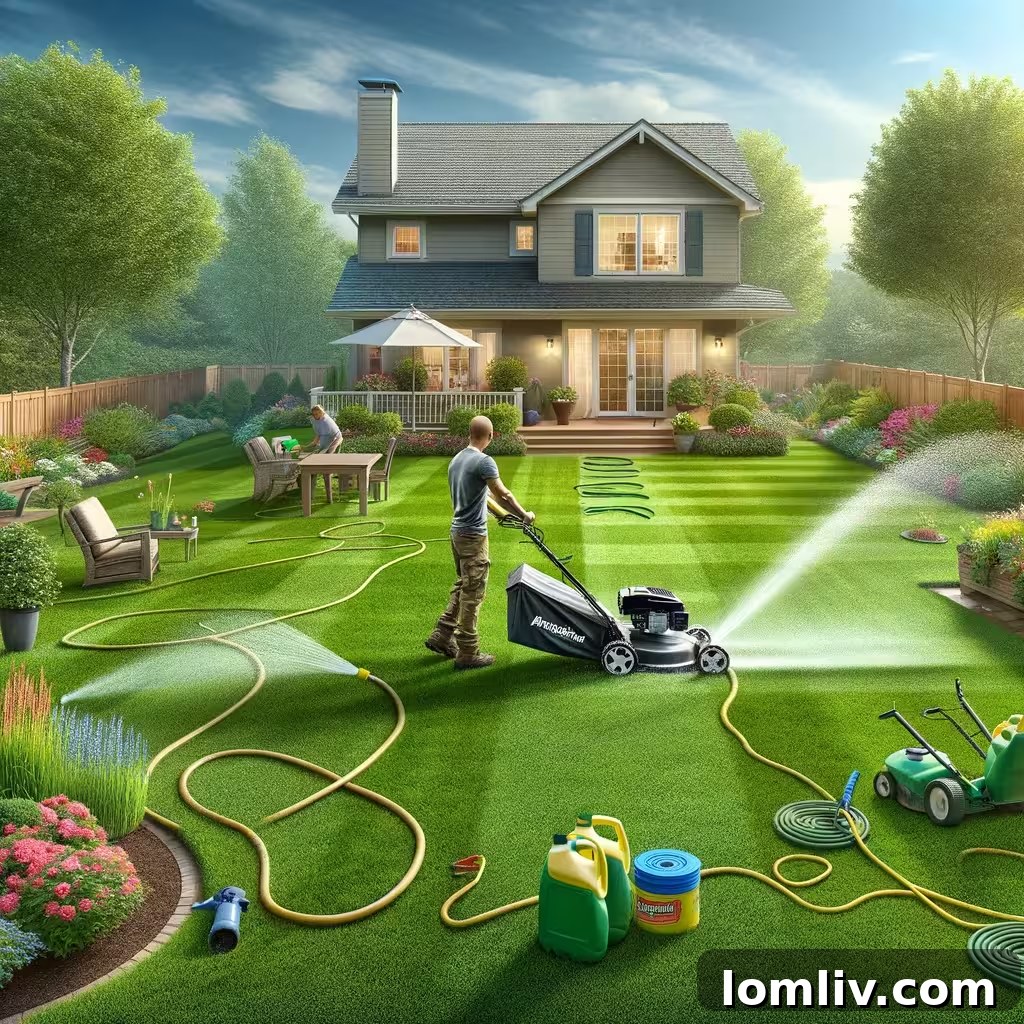
Maintaining a vibrant and healthy Marathon Sod lawn is straightforward when following a consistent care regimen. Adhering to these guidelines will ensure your turf remains lush, resilient, and beautiful for years to come.
Watering Guidelines: The Lifeblood of Your Lawn
Consistent and proper watering is truly the lifeblood of your Marathon Sod. Without it, even the best-laid sod will struggle. Aim to apply approximately 1 to 1.5 inches of water per week, either all at once or split into two applications. This encourages deep root growth, which in turn makes your lawn more drought-resistant and less susceptible to stress. Water early in the morning to minimize evaporation and allow the blades to dry before nightfall, reducing the risk of fungal diseases. Monitor your lawn for signs of stress, such as dull green color or footprints remaining visible, indicating a need for water. Adjust watering frequency based on weather conditions and the specific Marathon variety, remembering that Marathon III requires less water.
Fertilization Schedule: Feeding Your Lawn for Optimum Health
Think of fertilizing as providing essential vitamins and nutrients to your lawn. A well-timed fertilization schedule keeps your Marathon Sod vibrant, healthy, and robust. After installation, begin with a balanced starter fertilizer to promote root development. Throughout the growing season (typically spring, summer, and fall), apply a high-quality, slow-release fertilizer formulated for tall fescue, such as Marathon All Season (24-2-4), every 6-8 weeks. Slow-release formulas provide a continuous, even supply of nutrients, preventing sudden growth spurts and reducing the risk of burning the grass. Always apply fertilizer evenly with a spreader, and water it in thoroughly immediately after application to help it penetrate the soil and avoid leaf burn, especially during warmer periods.
Mowing Techniques: The Art of the Perfect Cut
Mowing is a routine chore, but how it’s done significantly impacts the health and appearance of your Marathon Sod. Always set your mower blade height higher. For Marathon I, aim for 2.5 to 3.5 inches; for Marathon II, 2 to 3 inches; and for Marathon III, around 1.5 inches. Taller grass blades create more surface area for photosynthesis, promote deeper root growth, shade the soil to reduce water evaporation, and help suppress weeds. Always use a sharp mower blade for a clean cut, which prevents tearing and browning of the grass tips. Avoid removing more than one-third of the blade height at any single mowing, and vary your mowing pattern each time to prevent soil compaction and promote upright growth. Mow frequently enough to maintain the desired height, especially during peak growing seasons.
Weed Control: Keeping Unwanted Guests at Bay
If left unchecked, weeds can quickly compete with and overtake your Marathon Sod. A proactive approach to weed control is essential. In early spring, before weeds have a chance to germinate, apply a pre-emergent herbicide to prevent common annual weeds. For existing broadleaf weeds, spot-treat with a post-emergent herbicide as needed. Always read and follow product instructions carefully. Beyond chemical treatments, cultural practices play a huge role: maintaining proper mowing height, consistent watering, and adequate fertilization will create a dense, healthy turf that naturally outcompetes weeds. Periodically walk your lawn and hand-pull any stubborn weed infestations to prevent them from spreading, especially before they go to seed.
Aeration: Letting Your Lawn Breathe
Over time, soil can become compacted from foot traffic, mowing, and even rain. Aeration is a vital maintenance practice that allows your lawn to breathe, relieving soil compaction and enabling air, water, and nutrients to penetrate more effectively to the root zone. This promotes stronger root growth, better water absorption, and overall turf vigor. Perform core aeration once a year, preferably in the fall, when the grass is actively growing but before winter dormancy. This timing allows the lawn to recover quickly and take advantage of improved conditions before the next growing season. For heavily compacted areas, a second aeration in the spring might be beneficial.
Marathon Sod Price: An Investment in Lasting Beauty and Value
When considering Marathon Sod, it’s essential to look beyond the immediate cost and understand the long-term value and savings it provides. While there’s an initial outlay, the benefits often outweigh the upfront investment.
Initial Outlay vs. Long-Term Savings: A Smart Investment
Initial Costs: The baseline costs for Marathon Sod include the price per square foot or per roll, delivery charges, and potentially professional installation fees. While DIY installation can reduce labor costs, professional installation ensures proper laying, which is critical for successful establishment and long-term health. Factors like the quantity purchased (bulk discounts are often available) and the specific Marathon variety chosen will influence this initial investment.
Long-Term Savings: While the initial cost of sod might seem higher than seeding, consider the long-term savings. Marathon Sod offers superior durability and disease resistance, translating to fewer instances of costly re-sodding or extensive chemical treatments. Its low-maintenance nature means less time and money spent on intensive care. Furthermore, varieties like Marathon III, with their exceptional drought tolerance, significantly reduce water bills over time, making them a remarkably cost-effective and environmentally friendly choice in regions with rising water costs or restrictions. The rapid establishment of sod also means immediate enjoyment of a mature lawn, eliminating the waiting period and weed control challenges associated with seeding.
Price Compared to Other Sod Types: A Competitive Edge
Marathon Sod generally falls into a competitive price range, offering a balance of quality, performance, and value. Here’s a snapshot comparison of how Marathon Sod’s price and features stack up against other popular turfgrass types:
| Type of Sod | Cost per Sq. Ft. | Cost per Roll | Cost per Pallet | Notes |
|---|---|---|---|---|
| Marathon Sod | $0.50 – $1.00 | $4 – $8 | $130 – $450 | Very hardy, low maintenance, decent drought resistance (especially Marathon III), excellent wear tolerance. |
| Bermuda Grass | $0.30 – $0.85 | $3 – $9 | $150 – $380 | Very rugged, thrives in full sun and heat, but often requires higher maintenance for aesthetics, can be invasive. |
| Zoysia Grass | $0.28 – $0.80 | $4 – $8 | $130 – $450 | Dense, slow-growing, good drought tolerance and shade tolerance, but can be slow to establish. |
| St. Augustine Sod | $0.35 – $0.75 | $4 – $8 | $160 – $450 | Strong blades, offers high shade tolerance, great for coastal areas, can be susceptible to some diseases. |
| Centipede Sod | $0.35 – $0.90 | $4 – $9 | $160 – $450 | Hardy, blunt blades, resistant to heat and some pests, but has specific soil pH requirements. |
| Fescue Sod (General) | $0.35 – $0.70 | $4 – $7 | $160 – $350 | Tolerates high traffic and cooler climates, but less heat and drought tolerant than Marathon specific blends. |
| Kentucky Bluegrass | $0.35 – $0.70 | $4 – $7 | $160 – $350 | Nice green color, excellent cold hardiness, but high maintenance for water and fertilizer, prone to thatch. |
As the table illustrates, Marathon Sod offers competitive pricing while providing distinct advantages in wear tolerance, aesthetic quality, and specialized features like drought resistance, making it an excellent value proposition for a premium lawn.
Cost-Affected Factors: Understanding Your Total Investment
Several variables can influence the final cost of your Marathon Sod project:
- Size of Lawn: Naturally, the larger the area to be sodded, the higher the overall material cost. However, purchasing in bulk for larger projects often unlocks wholesale pricing or volume discounts, which can reduce the cost per square foot.
- Marathon Sod Variety: Different Marathon varieties have different price points due to their specialized characteristics and cultivation methods. Marathon I is often the most economical, as it’s designed for durability and widespread application. Marathon II, with its finer texture and ornamental appeal, typically commands a slightly higher price. Marathon III, engineered for superior drought tolerance, represents an investment in water efficiency and specialized resilience, often making it the most expensive variety.
- Preparation and Installation: These are significant cost factors. Site preparation can involve expenses for debris removal, soil testing, grading, and the addition of soil amendments like topsoil or compost. Professional installation ensures the sod is laid correctly and efficiently, minimizing waste and maximizing establishment success, but it adds labor costs. DIY installation can be cost-effective but requires significant time, effort, and knowledge to execute properly, potentially leading to issues if not done carefully.
- Delivery Charges: Depending on your location and the quantity ordered, delivery fees can also add to the total cost.
Maximizing Your Investment: Best Practices for Marathon Sod
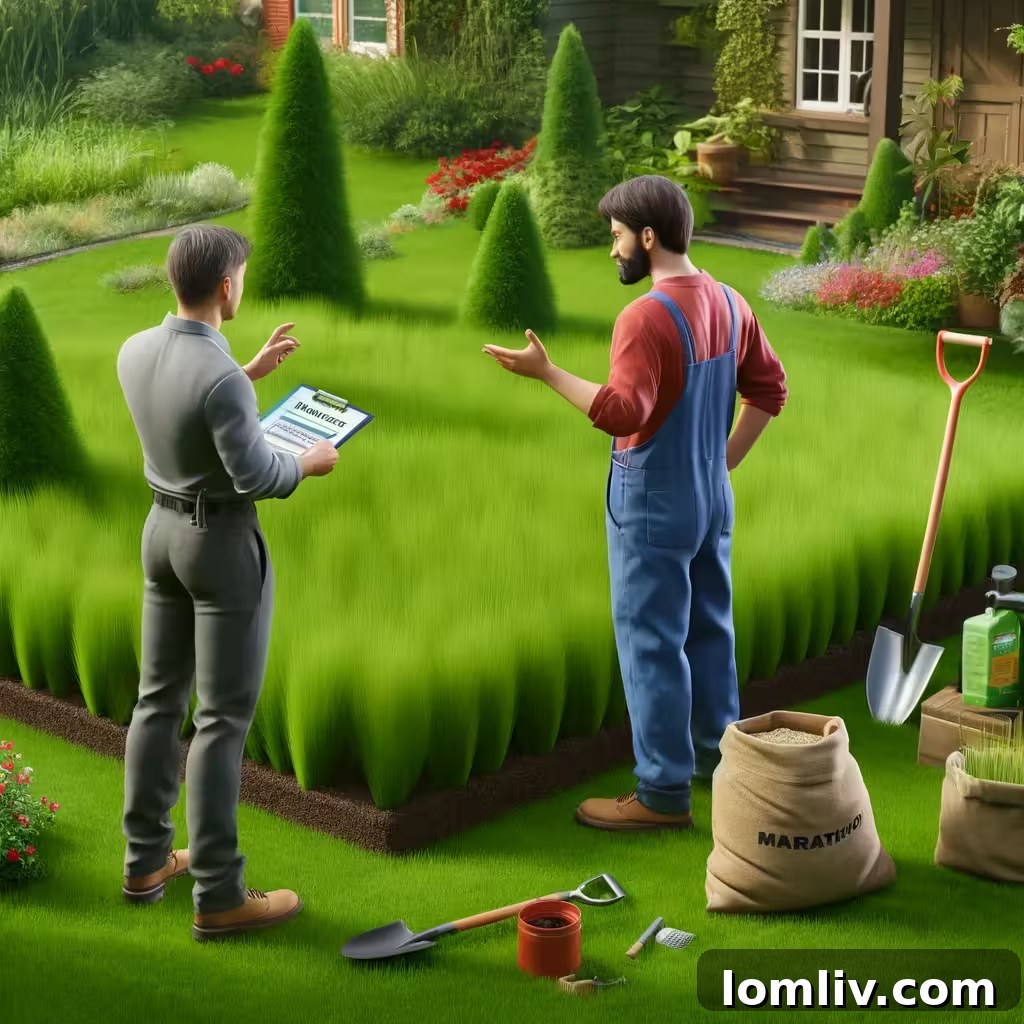
To truly unlock the full potential of your Marathon Sod and ensure it remains a stunning and resilient feature of your landscape for years, adopting best practices in selection and ongoing care is crucial. This expert advice will help you maximize your investment and enjoy a consistently beautiful lawn.
Choosing the Right Marathon Variety: A Tailored Approach
The first and most critical step is selecting the appropriate Marathon Sod variety for your specific needs. Don’t simply pick the cheapest or the most common option. Consider your property’s unique conditions:
- Activity Level: Is your lawn a high-traffic zone for kids, pets, or events? Marathon I is your go-to for its exceptional durability and rapid recovery.
- Aesthetic Goals: Are you aiming for a pristine, manicured look for a front yard or formal garden? Marathon II’s fine texture and deep green color will deliver.
- Water Conservation: Do you live in a drought-prone area or wish to minimize water usage? Marathon III is specifically engineered for superior drought tolerance, offering sustainability and cost savings.
Making an informed choice at this stage will prevent future headaches and ensure your lawn thrives in its environment.
Seasonal Care Adjustments: Adapt and Thrive
Lawn care isn’t a one-size-fits-all, year-round task. Adapting your maintenance routine to the changing seasons is vital for Marathon Sod’s health.
- Spring: As dormancy breaks, apply a balanced fertilizer and a pre-emergent herbicide. Begin regular mowing as growth picks up. Check irrigation systems for proper function.
- Summer: Increase watering frequency during hot, dry spells, especially for Marathon I and II. Mow at the higher end of the recommended range to protect roots. Watch for signs of stress or pests. For Marathon III, maintain its reduced watering schedule, observing its excellent performance.
- Fall: This is the ideal time for aeration and a final fertilization with a winterizer formula to strengthen roots for the colder months. Reduce watering as temperatures drop.
- Winter: Generally, minimal care is needed. Ensure adequate moisture before freezing, but avoid overwatering. Limit foot traffic on dormant or frozen turf.
Troubleshooting Common Issues: Proactive Problem Solving
Even with the best care, lawns can encounter issues. Being able to identify and address them promptly can prevent minor problems from escalating:
- Brown Spots: Could indicate insufficient water, localized dry spots, pest activity (like grubs), or fungal disease. Investigate the cause before applying treatment.
- Weed Infestations: Often a sign of thin turf, compacted soil, or neglected pre-emergent applications. Improve cultural practices alongside targeted weed control.
- Yellowing Grass: May point to nutrient deficiency (often nitrogen), overwatering, or even mower blade dullness. Soil testing can help pinpoint nutrient issues.
- Pest Activity: Look for visual signs of insects, damaged blades, or irregular growth. Identify the pest before choosing an appropriate organic or chemical treatment.
Consulting local lawn care experts or agricultural extension offices can provide tailored advice for specific challenges.
Environmental Responsibility: Sustainable Lawn Care
Embrace sustainable practices to ensure your Marathon Sod contributes positively to the environment:
- Efficient Watering: Utilize smart irrigation systems, rain sensors, or simply water based on your lawn’s needs, not a rigid schedule. Choose Marathon III for maximum water savings.
- Eco-Friendly Products: Opt for organic fertilizers and pest control solutions when possible to reduce chemical runoff.
- Composting Clippings: If your mower mulches grass clippings, leave them on the lawn. They return valuable nutrients to the soil, reducing the need for synthetic fertilizers.
By implementing these best practices, your Marathon Sod will not only be a source of immense pride and enjoyment but also a testament to thoughtful, sustainable landscaping, providing a beautiful and healthy environment for years to come.