
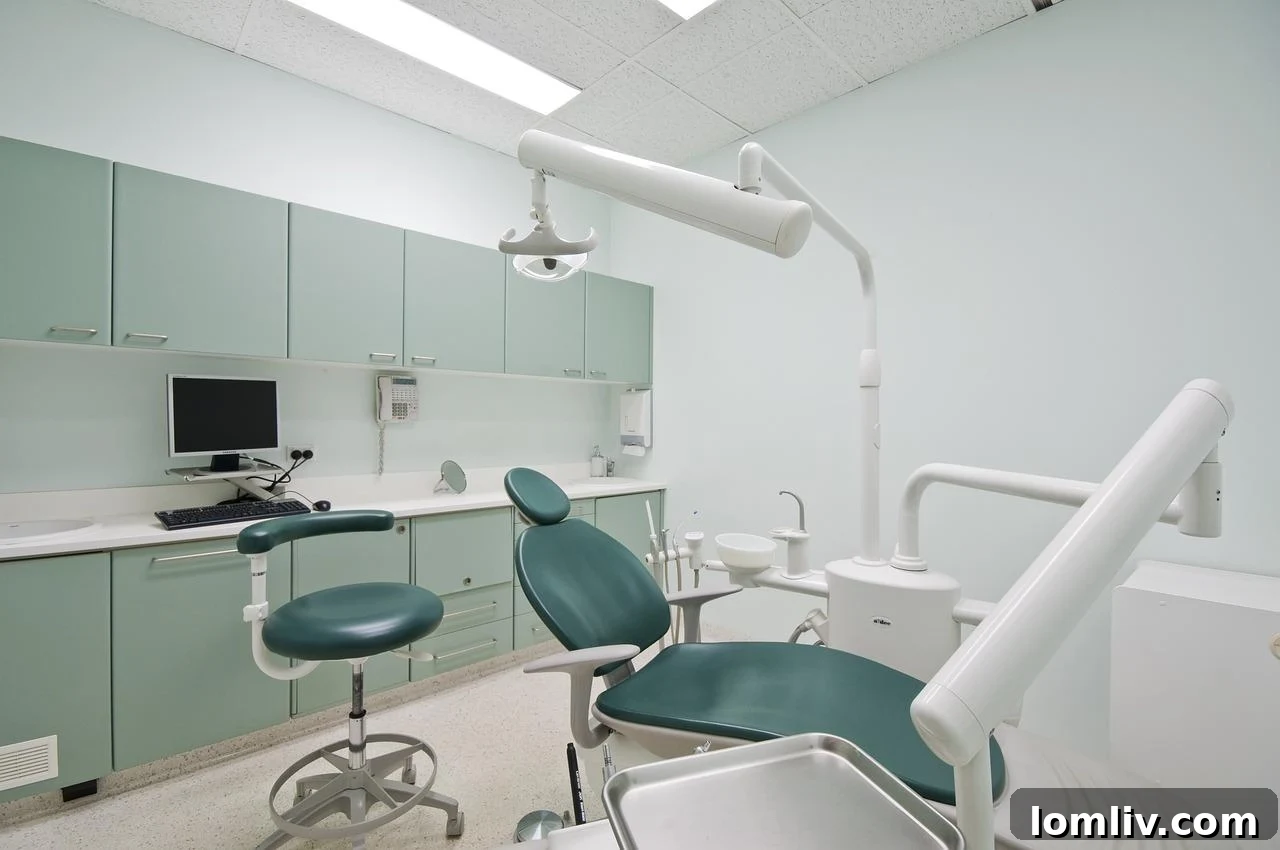
Choosing the optimal location for your medical or dental practice is one of the most critical decisions a healthcare professional will make. This strategic choice profoundly influences patient accessibility, brand visibility, operational efficiency, and ultimately, the long-term success and growth of your business. A well-selected site ensures convenience for your patients, maximizes your reach within the community, and provides a solid foundation for building a thriving practice.
The importance of location extends far beyond mere physical presence; it’s a foundational element of your business strategy. Whether you’re a seasoned practitioner looking to expand, or an ambitious professional embarking on a new venture, thorough research and careful consideration can prevent costly errors and pave the way for sustained success. Factors such as patient demographics, local competition, rental costs, and intricate local regulations must be meticulously evaluated to secure a site that aligns perfectly with your practice’s vision and objectives.
For dental professionals, the location decision carries additional weight due to specific regulatory and zoning requirements unique to healthcare facilities. It’s not just about finding an accessible or affordable building; it’s about identifying a property that meets stringent health codes, allows for specialized equipment installation, and complies with all local ordinances governing medical and dental uses. This comprehensive guide will illuminate the key factors essential for making an informed decision when selecting the ideal location for your medical or dental office.
Understanding Market Demand and Availability for Your Healthcare Practice

Before committing to a specific location for your medical or dental practice, a comprehensive assessment of local market demand is paramount. Begin by analyzing the community’s need for the specific healthcare services you plan to offer. Areas experiencing rapid population growth, particularly those with a high density of residents, often signal robust demand potential for new healthcare providers. Delve into significant demographic factors such as the age structure of the population (e.g., a high percentage of young families for pediatric dentistry, or an aging population for geriatric care), average household income levels, and the prevailing insurance coverage landscape. This data will help determine if the local populace can support a new practice and if your services align with their needs and financial capabilities.
While some level of competition is inevitable and can even indicate a healthy market, an oversaturated area could present significant challenges in attracting new patients. Conversely, a seemingly sparse area in terms of existing healthcare providers might appear to be a golden opportunity. However, it’s crucial to investigate the underlying reasons for this scarcity. A lack of competition could stem from low patient demand, a population too small to sustain multiple practices, or even restrictive local regulations. Conducting thorough research into local populations, prevalent health issues, insurance utilization patterns, and existing healthcare infrastructure is essential. Tools like GIS mapping and data from local chambers of commerce or healthcare reports can provide invaluable insights, helping you pinpoint underserved communities where your practice can truly thrive.
For those looking to establish a presence quickly, or benefit from an immediate patient base, considering the acquisition of an established dental practice for sale can be a highly strategic move. Organizations and brokers specializing in practice transitions can facilitate this process efficiently, offering a range of benefits including an existing patient roster, established infrastructure, and a recognized community reputation. Reputable bodies like the American Dental Association (ADA) or medical office brokers often provide resources and guidance to professionals seeking to acquire existing practices, simplifying the transition and reducing initial startup hurdles. This approach can significantly reduce the lead time to profitability compared to building a practice from the ground up, allowing you to focus on patient care sooner.
Accessibility and Convenience for Patients: A Cornerstone of Practice Success

The success of your medical or dental practice is intrinsically linked to how effortlessly patients can reach your facility. A location burdened by difficult access or lacking diverse transportation options can deter potential patients and create frustrating experiences for existing ones. Ensure your office is conveniently accessible via multiple modes of transport—whether by personal vehicle, public transportation routes (bus stops, train stations), or easily reachable on foot for those in proximity. Proximity to major roads, highways, and well-connected public transport networks significantly enhances patient convenience and broadens your potential patient catchment area.
Parking availability stands as another critical determinant of patient satisfaction. Patients should never have to endure a stressful search for a parking spot before their appointment. A prime location offers designated parking spaces specifically for your patients, or at least boasts readily available and ample parking facilities nearby. Features like clearly marked parking, easy ingress and egress, and sufficient space can dramatically improve the patient experience, making their visit smoother and more pleasant. Consider the layout and safety of the parking area, especially for evening appointments or during inclement weather.
Furthermore, it is imperative to consider accessibility for individuals with mobility challenges. Ensuring your office complies with the Americans with Disabilities Act (ADA) standards is not just a legal requirement but a commitment to serving all members of your community. This means selecting a building equipped with elevators for upper-floor offices, ramps for easy entry, wide doorways, accessible restrooms, and clear pathways throughout the facility. A practice designed with universal accessibility in mind creates a welcoming and inclusive environment, signaling to all patients that their comfort and needs are a priority.
Visibility and Signage for Effective Marketing and Brand Recognition
For both your current patients and potential new ones, your medical or dental office must be easy to locate. High-traffic areas, particularly those situated along main thoroughfares or visible from busy intersections, offer invaluable exposure. Such locations inherently generate greater visibility, acting as a constant, passive marketing tool that can significantly contribute to attracting new patients without extensive advertising efforts. Being situated near established shopping centers, bustling medical plazas, or hospitals can also dramatically increase foot traffic and foster valuable referral opportunities from other healthcare providers or complementary businesses.
The physical prominence of your office also plays a role. Ground-floor offices typically offer superior accessibility and enhanced visibility compared to those located on upper levels of a building. This direct street presence often makes them a highly attractive and convenient option for patients. A ground-floor location can also facilitate easier access for patients with mobility issues or those who prefer not to navigate elevators or stairwells.
Beyond the location itself, clear, professional, and strategically placed signage is absolutely essential. A well-designed, adequately lit, and easy-to-read sign not only helps patients effortlessly find your office but also serves as a crucial element of your brand recognition strategy. Your signage should be distinctive, reflect your practice’s professional image, and be easily visible from various approaches. It is critical to meticulously check all local municipal regulations and zoning ordinances pertaining to signage, including restrictions on size, height, lighting, and placement, to ensure full compliance and avoid potential fines or required modifications. Effective signage acts as a silent ambassador for your practice, guiding and reassuring patients from the moment they approach your location.
Evaluating Rental Costs and Long-Term Growth Potential

Financial considerations are undeniably a major factor in selecting a medical or dental office location. While the allure of a lower-cost space can be strong, it’s imperative to think beyond immediate expenses and evaluate the site’s potential for long-term growth. An affordable location today might not possess the necessary infrastructure or space to support future expansion, particularly if your patient volume surpasses initial projections, or if you decide to introduce new specialized services or integrate additional technology that requires more physical space.
A thorough financial analysis requires comparing rental prices across different potential locations, carefully weighing the initial expenditure against the anticipated return on investment from patient acquisition and retention. A location with a higher rental premium, but situated in a high-demand area with significant foot or vehicle traffic and excellent visibility, might justify the increased cost due to its potential to dramatically boost patient numbers and overall practice profitability. Conversely, choosing a location solely based on low rent, but one that lacks visibility or accessibility, could stress your bottom line in the long run through reduced patient flow and increased marketing costs in the initial years.
Lease negotiation is another critical component of this evaluation. Aim to negotiate lease terms that offer flexibility for future expansion or, if necessary, relocation. Commercial leases are not one-size-fits-all; they can be highly flexible agreements. Before signing any document, have a specialized real estate attorney meticulously review the lease agreement. This professional insight is crucial to ensure the lease terms align with your long-term business goals, protect your interests, and prevent unpleasant surprises related to escalating property taxes, unexpected maintenance fees (Common Area Maintenance – CAM charges), or restrictive clauses that could hinder future growth or operational flexibility. A well-structured lease agreement is a cornerstone for financial stability and encourages sustainable long-term growth for your practice.
Zoning and Legal Considerations for Healthcare Facilities

Prior to making any definitive commitment to a particular location, it is absolutely essential to verify that your proposed medical or dental practice use is approved by the local city planning department or zoning office. Zoning laws categorize land use into different types—residential, commercial, industrial, and sometimes specific categories for healthcare. Operating a medical facility in an improperly zoned area can lead to severe penalties, forced relocation, and significant financial losses. Furthermore, many zoning ordinances and local health department regulations are quite restrictive regarding aspects like signage, waste disposal protocols (especially for biohazardous materials), required parking ratios, and even exterior building modifications. Gaining a comprehensive understanding of these regulations in advance can help eliminate unforeseen costs and avoid future operational hurdles.
If you find yourself uncertain about any zoning regulations, building codes, or environmental compliance requirements, consulting with a real estate lawyer specializing in commercial property or a local zoning specialist is highly recommended. These experts can provide invaluable guidance, meticulously review potential sites for compliance with all local, state, and even federal laws applicable to healthcare facilities. They can also assist in identifying any specific restrictions on business operating hours, maximum patient capacity, structural modifications required for specialized equipment, or necessary permits for construction, renovation, or tenant improvements. Proactive engagement with legal and zoning professionals ensures that your chosen location is fully compliant, providing a secure and legally sound foundation for your medical or dental practice.
Conclusion: Paving the Way for Practice Success with Strategic Location Choices
The process of selecting the ideal location for your medical or dental office is a multifaceted endeavor that demands meticulous planning, comprehensive research, and strategic foresight. A thoughtfully chosen site is not merely a physical address; it’s a strategic asset that ensures optimal patient accessibility, robust business growth, and significantly enhances overall patient satisfaction. The investment of time and resources into this decision will yield substantial returns in the form of a thriving, sustainable practice.
A diligent evaluation of crucial factors such as local market demand, prevailing patient demographics, and the competitive landscape is fundamental to identifying the most advantageous areas for establishing your practice. Understanding who your potential patients are and what their needs entail will guide you towards communities where your services are most valued and sought after. Moreover, factors like ease of accessibility, the convenience of parking availability, and the visibility of your office play an indispensable role in both attracting new patients and fostering loyalty among your existing patient base.
From a financial perspective, a thorough analysis of rental costs, potential build-out expenses, and the long-term growth potential of a location is paramount to ensuring the economic sustainability of your practice. Engaging in prudent financial planning and astute lease negotiations can safeguard your investment and provide the flexibility needed for future expansion. Finally, strict adherence to all local zoning laws, building codes, and legal regulations is non-negotiable, preventing operational challenges and potential legal complications down the road.
Whether you are embarking on the exciting journey of establishing a brand-new practice or considering the strategic acquisition of an existing one, dedicating ample time and resources to meticulously choose the right location can profoundly impact your success. With a comprehensive and strategic approach, you can confidently lay the groundwork for a prosperous medical or dental practice that not only meets the diverse needs of your patients but also consistently achieves your overarching business objectives.