Dallas: Where Hollywood Glamour Meets Critical Urban Debates
Dallas, a city known for its dynamic spirit and multifaceted culture, recently played host to an extraordinary blend of entertainment and civic discourse. The annual USA Film Festival once again captivated audiences, bringing an array of iconic figures to the heart of Texas. However, amidst the glittering lights and celebrity appearances, the city’s future, particularly concerning its urban planning and political landscape, remained a central and often passionate topic of conversation.
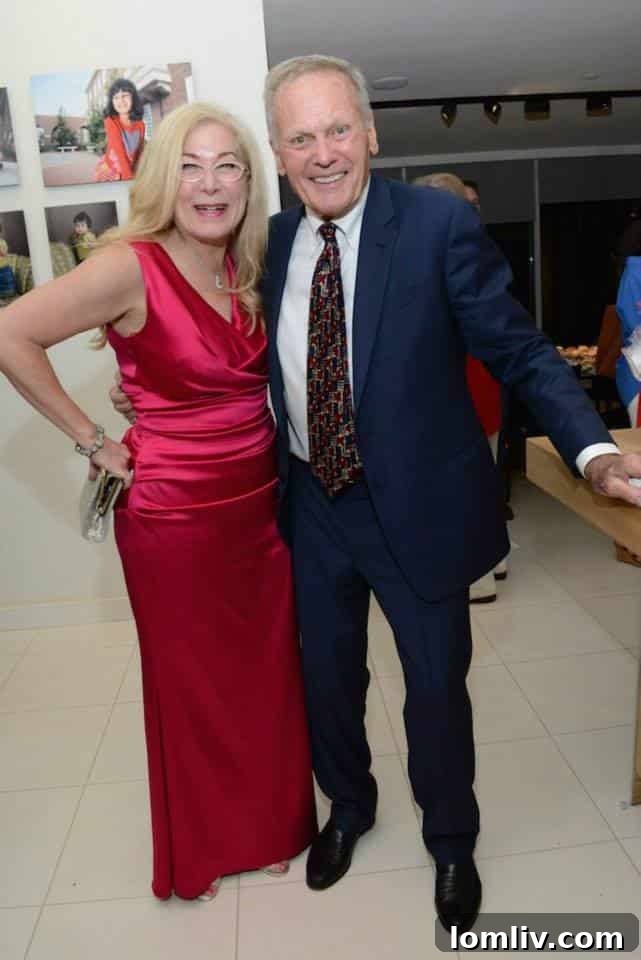
One of the festival’s most memorable moments unfolded at a grand soiree held at a private residence on Rheimes Place in Highland Park. This elegant event marked the grand finale of what many consider one of Dallas’s premier arts programs. The air buzzed with excitement as attendees mingled with legends of the silver screen. Among them was the dashing Tab Hunter, whose presence evoked a nostalgic appreciation for Hollywood’s golden era. His charisma was undeniable, a testament to his enduring appeal and the festival’s ability to attract timeless stars.
The Star-Studded USA Film Festival: A Cultural Gem for Dallas
This year’s USA Film Festival truly outdid itself, solidifying its reputation as a cornerstone of Dallas’s cultural calendar. Dedicated to the recognition and encouragement of excellence in the film and video arts, the festival’s executive director, Ann Alexander, orchestrated a spectacular lineup that resonated deeply with film enthusiasts and the general public alike. Her vision and meticulous planning ensured a program filled with compelling screenings, insightful discussions, and unparalleled opportunities to connect with industry icons.
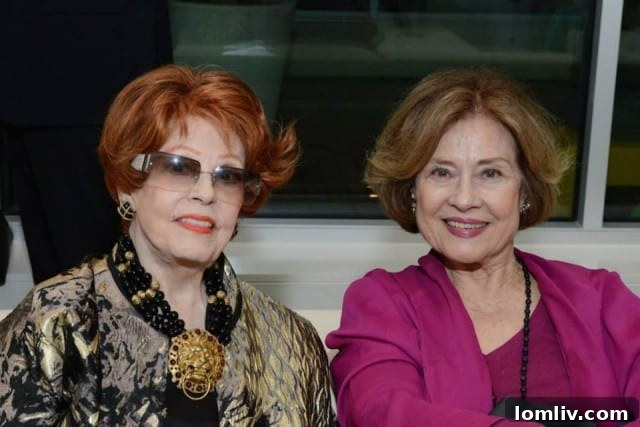
The roster of distinguished guests was nothing short of remarkable. Veteran actress Arlene Dahl, known for her vibrant performances in classic films, graced the event with her elegance. Diane Baker, whose career spans decades and includes memorable roles in both film and television, added another layer of Hollywood prestige. Of course, the legendary Tab Hunter, whose career began in the 1950s and spanned multiple decades across film, television, and music, was a major draw, captivating attendees with his charm and stories.
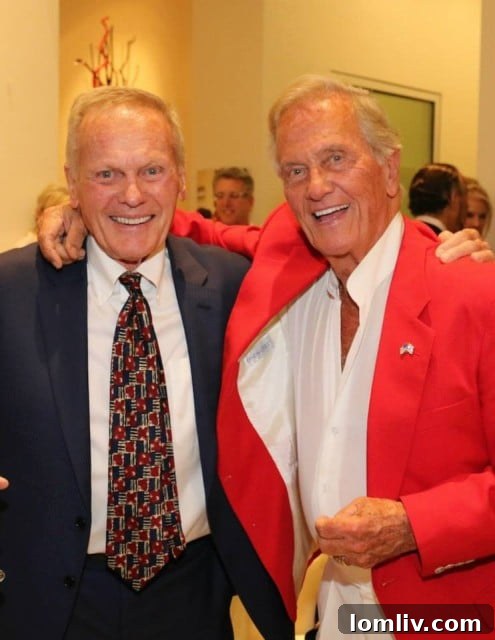
Adding to the diverse assembly of talent were singer and actor Pat Boone, celebrated for his wholesome image and enduring musical career, and Candy Clark, an Academy Award-nominated actress best known for her role in “American Graffiti.” Dallas’s own Peri Gilpin, beloved for her role as Roz Doyle on the hit sitcom “Frasier,” brought a local touch, connecting with her roots. Perhaps one of the most anticipated guests was the inimitable Iris Apfel, the nonagenarian fashion icon and interior designer, whose unique style and vibrant personality offered a refreshing perspective on creativity and self-expression. The collective presence of these luminaries underscored the festival’s significant impact on enriching the cultural fabric of Dallas, providing inspiration and entertainment to thousands.
From Red Carpet to City Hall: Dallas’s Mayoral Race Heats Up
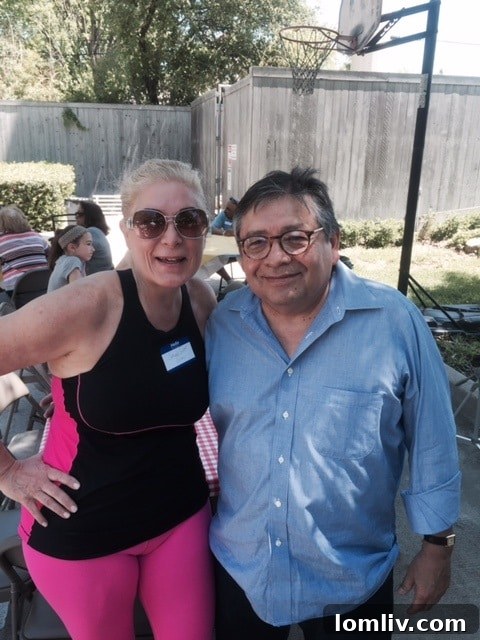
While the film festival celebrated art and glamour, the underlying pulse of Dallas also beat strongly with the rhythm of political campaigning. The city is on the brink of a pivotal mayoral election and the selection of a new City Council, with voting commencing today. Just hours before immersing myself in the glitzy world of the film festival, I had the opportunity to meet Marcos Ronquillo in Oak Cliff at Burt Barr & Associates. This encounter was a deliberate step to understand the man behind the mayoral bid and his vision for Dallas.
Ronquillo, a prominent figure in Dallas, is vying for the city’s top leadership position, and his insights into Dallas real estate and urban development are particularly compelling. Our initial conversation offered a glimpse into his platform, which promises to address some of the most pressing challenges facing the city. I am scheduled for a more in-depth discussion on Tuesday, where he plans to elaborate on his specific strategies and plans for Dallas’s future. For residents, understanding each candidate’s perspective on real estate, infrastructure, and community growth is paramount, especially as the city grapples with rapid expansion and evolving needs.
Addressing Dallas’s Infrastructure Challenges: The Trinity River Toll Road Debate
One of the most contentious issues dominating public discourse in Dallas revolves around the proposed billion-dollar-plus toll road along the Trinity River. Living in Preston Hollow, a vibrant and established community, I, along with many of my neighbors, struggle to comprehend how such an ambitious and costly project would genuinely benefit our daily lives. Moreover, the proposed toll road’s impact on communities south of the Trinity and east of Central Expressway remains a significant concern, raising questions about equitable development and accessibility across the city.
The primary argument in favor of the toll road is often presented as a solution to Dallas’s notorious traffic congestion. However, many residents, myself included, question its efficacy. For those who frequently travel south on I-35 towards destinations like Austin or the scenic Hill Country, the current bottleneck and complex interchange, often referred to as the “mixmaster,” is a daily nightmare. Just two months ago, a journey south to Hico, a relatively short distance, took nearly 40 minutes to navigate through this congested area. It is currently the only major arterial route out of the city heading south, and the existing infrastructure often proves inadequate for the sheer volume of traffic.
While I may not embody the “get on my bike gal” persona – I don’t even own a pair of Birkenstocks – I am acutely aware that Dallas desperately needs viable solutions to its escalating traffic problems. However, pouring over a billion dollars into a highway project running parallel to a natural river seems, to many, like a misdirected effort. Critics argue that such a project would irrevocably alter the natural landscape of the Trinity River corridor, diminishing its potential as a valuable urban green space. Instead of a concrete artery, many advocate for a grand, accessible park that could serve all Dallas residents, fostering recreation, natural beauty, and community connection.
Key Takeaways: Community Sentiment and the Economic Health of Dallas
After a day filled with cultural enrichment and political discussions, three significant points crystallized in my mind, echoing the sentiments of many Dallas residents:
- The Trinity River Park Vision: The sentiment in Oak Cliff regarding the proposed Trinity River toll road is overwhelmingly negative. Residents there strongly oppose the idea, passionately advocating for the land to be preserved and developed into a beautiful, expansive park. This vision highlights a desire for green spaces, community amenities, and a more sustainable approach to urban planning, contrasting sharply with infrastructure projects that prioritize vehicular traffic over public recreation.
- Marcos Ronquillo’s Economic Concerns: My interest in Marcos Ronquillo deepened significantly during our conversation. His ability to quote the Brookings Institute and touch upon the critical issue of Dallas losing its middle class resonated profoundly with my own concerns. The erosion of the middle class is a severe threat to any city’s long-term economic stability and social cohesion, impacting everything from local businesses to real estate values. Understanding how a mayoral candidate plans to address this demographic shift is crucial for the city’s future prosperity.
- Dickey’s Barbecue’s Catering Prowess: On a lighter note, it’s worth mentioning that Dickey’s Barbecue once again proved its mettle in the catering arena. Beyond providing consistently great food, their team demonstrated an impressive stage presence, contributing to the convivial atmosphere of the events. Good catering, especially from local establishments, plays an unsung role in the success of both glamorous festivals and community gatherings.
The Road Ahead: Property Taxes, Real Estate, and Political Accountability
The implications of urban development projects, such as the proposed Trinity River toll road, extend far beyond just traffic flow. They inevitably impact local real estate values and, consequently, property taxes. It’s no secret that Dallas boasts some of the highest property taxes in the nation, a burden that increasingly strains homeowners and businesses alike. Any new infrastructure project, especially one of this magnitude, must be thoroughly scrutinized for its long-term financial repercussions on residents.
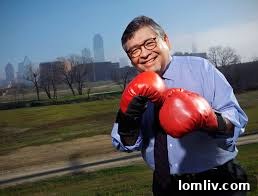
As the mayoral election unfolds and discussions around Dallas’s future intensify, it becomes clear that informed civic engagement is more vital than ever. The decisions made by our next Mayor and City Council will shape the trajectory of our city for years to come. From safeguarding our middle class and managing real estate taxes to intelligently addressing traffic congestion and preserving natural spaces, the challenges are significant. Stay tuned as I continue to investigate the potential ramifications of the Trinity River toll road on our precious land and our already substantial real estate tax burden. It seems Mr. Ronquillo and other candidates will need to put on their “boxing gloves” as they prepare to tackle these formidable issues for the betterment of Dallas.